
Lysine Guide: Benefits, Uses, and Buying Tips

Many people want a simple fix for frequent cold sores or dry, damaged skin, and Lysine often appears as an option. This article explains Lysine clearly, so you can decide if it fits your needs. You will find uses, benefits, safety advice, and buying tips for everyday shoppers.
What is Lysine?
Lysine is an essential amino acid the body must get from food or supplements. Unlike nonessential amino acids, the body cannot make it, and so diet matters. Studies show that lysine plays a clear role in protein building and tissue repair.
Because it helps form proteins, lysine supports many body systems. Research indicates a link between lysine levels and healthy collagen production. That effect helps explain why lysine often appears in skin and healing discussions.
For example, lysine works with other amino acids and nutrients to support tissue growth. This essential amino acid ingredient is commonly listed on supplement labels. Consumers should understand what that label means before buying.
Recommended Products
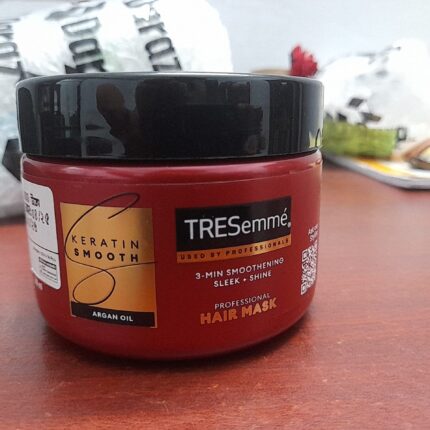 Sale
SaleOriginal price was: ৳ 1,200.00.৳ 950.00Current price is: ৳ 950.00.
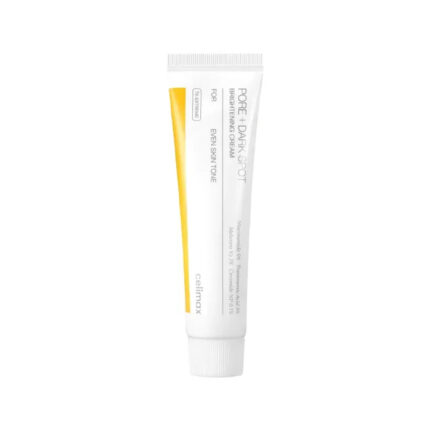 Sale
SaleOriginal price was: ৳ 1,790.00.৳ 1,590.00Current price is: ৳ 1,590.00.
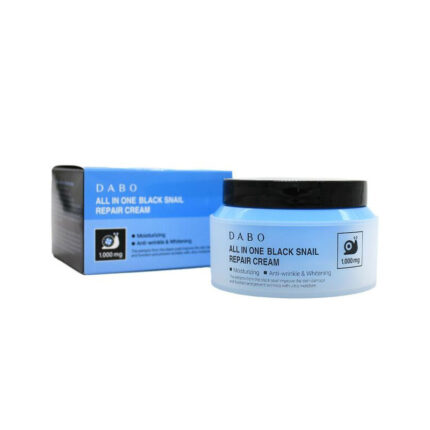
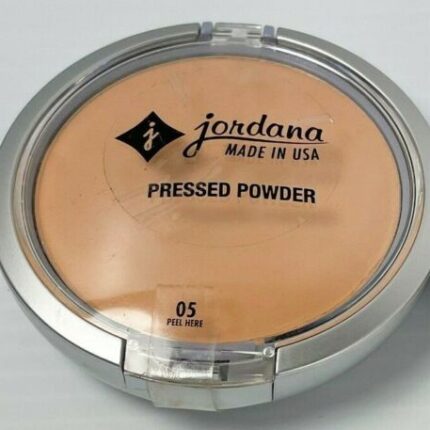 Sale
SaleOriginal price was: ৳ 720.00.৳ 650.00Current price is: ৳ 650.00.
How Lysine Works in the Body
Lysine helps build proteins and supports collagen formation in skin and connective tissue. That means the body uses lysine to repair damage and maintain structure. Studies show that lysine participates in processes that protect tissue integrity.
When lysine is present in adequate amounts, the body can make enzymes and hormones that need proteins. As a result, overall repair and maintenance improve. People with low lysine intake may see slower healing or changes in skin quality.
Still, lysine does not act alone; it works with vitamin C and other nutrients for collagen synthesis. This means a balanced diet supports lysine’s effects. Nutrition professionals recommend varied sources to meet daily needs.
Lysine and Immune Support
People often take lysine for immune-related concerns and viral outbreaks. Research indicates supplemental lysine can reduce the frequency of cold sore recurrences in some individuals. That benefit makes lysine a common suggestion in wellness routines.
Many dermatologists and pharmacies reference lysine for managing herpes simplex symptoms when combined with other measures. For example, getting enough sleep and reducing stress also helps limit outbreaks. Studies show that combined strategies yield better outcomes than single actions.
Because immune responses vary, lysine works better for some people than others. Still, evidence supports a role for lysine in managing viral activity on the skin. Users should track their own response and consult a professional if needed.
Lysine as a Skin Repair Compound
Lysine appears in formulations that target healing and skin repair compound support. It supports collagen and helps form the structural proteins that keep skin resilient. Research suggests that when lysine is present, wound repair and scar quality can improve.
That is why many topical and oral products include lysine alongside vitamin C and zinc. For example, combined nutrients support both new tissue formation and antioxidant protection. Dermatologists recommend a nutrient-rich approach for faster repair.
However, topical lysine products do not replace professional care for deep wounds or severe skin conditions. If a wound is infected or large, seek medical attention. For minor damage, lysine-containing products may aid recovery when used correctly.
Dietary Sources of Lysine
Most people can get lysine from a balanced diet that includes protein-rich foods. Good sources include meat, fish, eggs, dairy, legumes, and some grains. Studies show plant-based eaters can meet lysine needs by focusing on legumes and soy products.
For example, beans and lentils provide higher lysine than many grains. Because of that, vegetarians and vegans should plan meals with lysine-rich items. A varied plate makes it easier to meet daily requirements without supplements.
While food usually supplies lysine, a supplement can help people with higher needs or dietary limits. Athletes, older adults, or those with limited food access may consider supplements. That approach should follow guidance from health professionals.
Forms of Lysine Supplements
Supplement options include tablets, capsules, powders, and lozenges that dissolve in the mouth. Each form fits different preferences and uses; for example, lozenges may help cold sore symptoms at the first sign. Studies show that absorption and effect can vary by form and timing.
Because some people prefer swallowing pills, capsules are popular for daily maintenance. On the other hand, powders allow flexible dosing for users who want to mix with beverages. Read labels carefully to confirm purity and serving size.
Some products combine lysine with other nutrients like vitamin C or zinc to support skin repair. That combination can make sense because nutrients often work together. Still, pick products with clear ingredient lists and minimal fillers.
Powders vs. Tablets
Powders offer dosing flexibility, which appeals to active users and athletes. Many powders dissolve well and taste neutral when mixed with liquids. Tablets provide convenience for on-the-go use and often have predictable dosage per pill.
When choosing a form, consider swallowing ease and your daily routine. That simple choice affects adherence to a supplement plan. Ask a pharmacist if you need help matching form to need.
Topical Uses
Topical products that include lysine claim to support local repair and reduce lesion severity. Dermatologists note topical lysine may offer mild benefit for superficial skin issues. For deeper repairs, oral nutrients and professional care work together better.
Because absorption through the skin varies, check product claims and ingredients. Look for combined nutrients and soothing bases like glycerin. If irritation occurs, stop use and consult a health professional.
Evidence and Research on Lysine
Research indicates lysine can reduce herpes simplex recurrence and lower symptom severity in some cases. Clinical studies vary in design and outcomes, so results are not uniform. That variation means individual responses can differ widely.
In wound healing models, lysine often appears as a necessary building block for collagen formation. Studies show combined nutrition interventions tend to help tissue repair more than single nutrients alone. For practical purposes, balanced nutrition supports better healing outcomes.
Because more randomized trials are still needed, health professionals interpret findings cautiously. Doctors typically recommend lysine as part of a broader plan rather than a stand-alone cure. That approach helps manage expectations and improve results.
Who Might Benefit from Lysine Supplements
Supplemental lysine can help people with low dietary intake or frequent cold sores. For example, those who avoid animal proteins may lack adequate lysine without careful meal planning. Studies show vegans and vegetarians must plan protein sources to meet lysine needs.
Athletes and older adults may have slightly higher protein needs, which increases lysine demand. Because of that, supplements sometimes serve as an easy way to fill gaps. Still, most people get enough lysine from a normal mixed diet.
Pregnant or breastfeeding people should consult their provider before starting supplements. That is why personalized advice matters for special conditions. Your clinician can recommend safe and effective options based on your health.
Safety, Interactions, and Side Effects
Lysine is safe for most people when taken at reasonable amounts for short periods. Mild side effects can include stomach discomfort or diarrhea in some users. Research indicates serious adverse effects are rare at typical supplemental levels.
Because lysine can interact with certain medications, check with your clinician if you take prescription drugs. For example, some calcium channel blockers and other treatments may require monitoring. Studies show that discussing supplements with your provider reduces risk of interactions.
People with kidney disease should use caution, because amino acid loads affect renal function. That means medical oversight is necessary for those with impaired kidney function. A doctor can recommend safe planning and dosing for special cases.
Choosing a Quality Lysine Supplement
Look for products made by reputable brands with transparent labels and third-party testing. Third-party seals from known testers increase confidence in purity and dosage. Studies show products with clear testing history tend to have fewer quality issues.
Read labels for inactive ingredients, allergens, and extra nutrients. For example, some lysine supplements include vitamin C or zinc to target skin repair compound support. If you avoid certain additives, choose a product with minimal fillers.
Price matters, but so does ingredient quality and manufacturing standards. That is why a slightly higher cost can reflect better sourcing and testing. For shopping ease, keep a short list of trusted brands and compare label details before purchase.
What to Avoid
Avoid products with vague ingredient lists or unknown blends that do not list lysine amounts. Many multi-ingredient supplements hide dosages under proprietary blends. Studies show transparent labeling improves consumer trust and safety.
Also avoid unverified health claims that promise quick cures or dramatic results. If a product sounds too good to be true, check for supporting trials and look for clinical evidence. That practice saves money and avoids disappointment.
Reading Labels
Check the supplement facts to confirm the lysine amount per serving and the form used. Lysine hydrochloride is a common form, and manufacturers often list it plainly. If you prefer pure free-form lysine, look for that on the label.
Serving size and recommended daily intake should match your health goals and any clinician advice. For example, maintenance dosing differs from short-term therapeutic use. Keep a record of what you take and how you respond.
Lysine for Different Skin Concerns
For cold sores, many people take lysine at the first sign of a tingling sensation to reduce severity. Studies indicate earlier use yields better symptom reduction than delayed starts. That means timing may be as important as dose for viral lesions.
For general skin aging and elasticity, lysine supports collagen production when combined with vitamin C and protein. Because skin aging involves multiple pathways, lysine provides one supporting role. For visible changes, consistent dietary support and sun protection make the largest impact.
When treating acne or inflammatory skin conditions, lysine has limited direct evidence. Instead, focus on proven topical and systemic approaches and use lysine as part of a broader nutrition plan. Dermatologists recommend combining dietary steps with targeted treatments for best results.
Practical Tips for Daily Use
Start with a goal and then choose a form that fits your routine, whether a tablet, powder, or lozenge. Track your symptoms and any side effects for a few weeks to judge effectiveness. Studies show self-monitoring helps users identify what works.
Combine lysine with a balanced diet rich in protein, fruits, and vegetables for best results. Because nutrients work together, a single supplement rarely produces dramatic change alone. For long-term skin health, combine diet, sleep, hydration, and sun protection.
If you plan to use lysine for a specific condition, discuss it with your healthcare provider first. That step ensures safe use with other medications and health conditions. A clinician can also suggest lab tests if needed to track progress.
Shopping Checklist for Lysine Products
Look for clear labeling, third-party testing, and minimal fillers when shopping. Compare serving sizes and price per dose rather than price per bottle. That approach gives a realistic sense of value.
Choose a form that you will take consistently, because routine use yields the best results. For immediate cold sore relief, pick lozenges or fast-absorbing forms. For daily maintenance, tablets or capsules may be easiest.
Read user reviews carefully, and weigh them against scientific evidence. Reviews can reveal common side effects and real-world experiences. Still, rely primarily on clinical guidance and transparent labels when choosing supplements.
Frequently Asked Questions
Can lysine prevent cold sores?
Research indicates lysine may reduce cold sore frequency and severity for some people. Early use at the first sign often shows better results than delayed use. Individual responses vary, so track your personal outcomes.
Is lysine safe to take every day?
Most people tolerate daily lysine at typical supplemental amounts for short to moderate periods. Mild digestive symptoms can occur in sensitive individuals. Talk to your clinician if you plan long-term daily use or have existing conditions.
Can I get enough lysine from a vegan diet?
Yes, but vegan diets require planning to include lysine-rich foods like legumes and soy. Studies show that careful meal planning meets lysine needs without animal products. Protein variety helps ensure adequate intake.
Does lysine help with wound healing?
Lysine supports collagen formation, which contributes to wound healing when paired with other nutrients. Research suggests combined nutrition improves tissue repair more than single nutrients alone. For serious wounds, seek professional medical care.
Final Thoughts
Lysine can be a helpful and well-tolerated tool for immune support and skin repair when used sensibly. Consider Lysine with a balanced diet, choose tested supplements, and consult a professional if you have health concerns. For most shoppers, the best next step is to pick a transparent product and monitor results while maintaining strong overall nutrition.