
Linolenic Acid: Skin Benefits and Uses

Dry, inflamed, or sensitive skin can feel like a daily battle for many shoppers. Linolenic Acid appears in oils and creams to help calm redness and retain moisture. This guide explains what Linolenic Acid does, where to find it, and how to use it safely.
What is Linolenic Acid?
Linolenic Acid is an essential fatty acid found in plant oils and some foods. Chemically, it belongs to the omega-3 family, which means the body cannot make it and must get it from the diet or topical products. Studies show that essential fatty acids support cell membrane health and skin barrier repair.
Because the skin relies on lipids to stay soft, Linolenic Acid plays a role in maintaining that barrier. That fact makes it a point of interest for brands and dermatologists who recommend lipid-rich products for dry or irritated skin.
Recommended Products
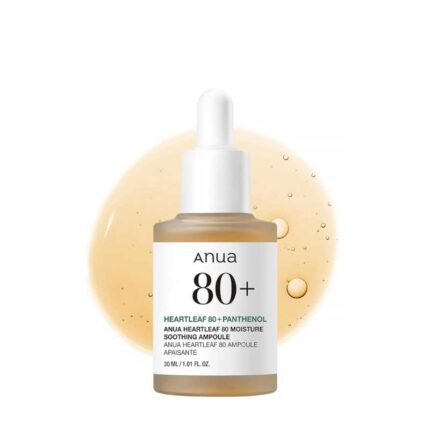 Sale
SaleOriginal price was: ৳ 3,050.00.৳ 2,506.00Current price is: ৳ 2,506.00.
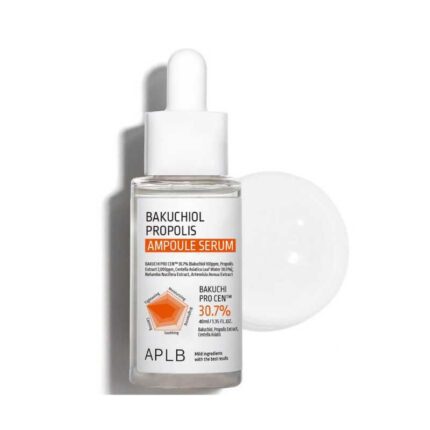 Sale
SaleOriginal price was: ৳ 1,300.00.৳ 910.00Current price is: ৳ 910.00.
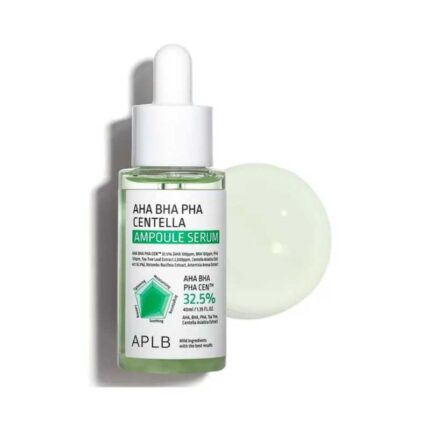 Sale
SaleOriginal price was: ৳ 1,300.00.৳ 910.00Current price is: ৳ 910.00.
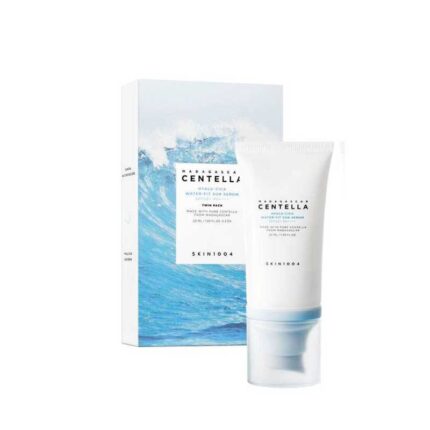 Sale
SaleOriginal price was: ৳ 2,040.00.৳ 1,428.00Current price is: ৳ 1,428.00.
How Linolenic Acid Works in Skin
When applied topically, Linolenic Acid helps replenish lipids in the outer layer of skin. This layer acts as a shield that locks moisture in and keeps irritants out. Research indicates that replenishing lipids can reduce trans-epidermal water loss and improve texture over time.
As a result, Linolenic Acid supports barrier repair and soothes inflamed skin. Dermatologists recommend combining it with gentle cleansers and barrier-friendly ingredients to enhance results.
Sources of Linolenic Acid
Common plant oils deliver Linolenic Acid in both skincare and food. Examples include flaxseed oil, chia seed oil, and perilla oil. These oils often list high linolenic content on their ingredient panels.
When shopping for supplements or food, whole sources like walnuts and certain seeds supply dietary Linolenic Acid. For topical use, check product labels for specific oil names rather than generic “plant oils.”
Linolenic Acid as an Omega 3 Fatty Acid Ingredient
As an omega 3 fatty acid ingredient, Linolenic Acid joins a family known for anti-inflammatory effects. Studies show omega-3 fatty acids can reduce systemic inflammation when included in the diet. That benefit can translate to calmer skin for people with inflammatory conditions.
Since many skincare shoppers look for omega-based products, brands often highlight Linolenic Acid content to signal anti-inflammatory potential. When used alongside dietary changes, topical use may complement overall skin health.
Benefits for Different Skin Types
Oily skin may resist heavy oils, yet small amounts of Linolenic Acid can balance sebum and reduce visible shine. People with dry skin often see improved comfort when they use products rich in this fatty acid. Sensitive skin types may experience less redness and fewer flare-ups with consistent use.
For acne-prone skin, Linolenic Acid can help without clogging pores if formulated correctly. Research indicates that oils high in Linolenic Acid tend to be lighter and more compatible with acne-prone conditions than heavier oils.
Why Linolenic Acid Acts as a Soothing Skincare Compound
Because Linolenic Acid reduces inflammation at the cellular level, it acts as a soothing skincare compound. That property helps calm redness and can ease tightness after cleansing. For example, users often report less irritation when they switch to products containing linolenic-rich oils.
Still, individual responses vary, and patch testing remains the safest path. Clinical guidance shows that reducing inflammation supports repair, which means soothing the skin helps restore barrier function.
How to Use Linolenic Acid in Your Routine
Start slowly when adding Linolenic Acid to your routine so the skin can adjust. Apply products with Linolenic Acid after cleansing and before heavy creams to support barrier repair. If you use actives like retinoids or acids, apply Linolenic Acid products on alternate nights to reduce irritation.
For daytime use, follow with a broad-spectrum sunscreen. That step protects newly repaired skin and prevents further damage. When selecting oils, choose cold-pressed options for better nutrient retention.
Formulations That Contain Linolenic Acid
Linolenic Acid appears in serums, facial oils, moisturizers, and balms. Many brands add it to formulations aimed at redness and dryness. Products labeled for barrier repair often list linolenic-rich oils in ingredient highlights.
For shoppers, concentration matters. Higher oil content usually signals more Linolenic Acid, but formulation balance prevents greasiness. That means you should compare texture and intended use when choosing a product.
Combining Linolenic Acid with Other Ingredients
Pairing Linolenic Acid with ceramides supports the lipid matrix of the skin. When mixed with hyaluronic acid, it helps trap water in the surface layers. Studies show that combining lipids and humectants often produces clearer, more hydrated skin faster than either alone.
For sensitive skin, combine Linolenic Acid with calming botanicals rather than heavy fragrances. That approach reduces irritation risk while improving comfort and resilience.
Choosing Products: What to Look For
Check ingredient lists for flaxseed, chia seed, perilla, or walnut oil to find Linolenic Acid sources. Labels that say “high in linolenic acid” can help, though wording varies between brands. Look for simple formulas if your skin reacts easily.
Since many products include multiple oils, prioritize non-comedogenic options when acne is a concern. Patch test on the inner forearm for 48 hours if you have reactive skin.
Safety Considerations and Possible Side Effects
Topical Linolenic Acid is well tolerated by most people, but allergic reactions can occur. That risk is greater when products contain botanical extracts or additives. If you notice persistent stinging or swelling, stop use and consult a dermatologist.
Because high concentrations may irritate some skin types, start with low-dose or mixed formulations. When pregnant or breastfeeding, speak with a healthcare provider before using concentrated supplements or unusual topical oils.
Linolenic Acid in Diet vs. Topical Use
Eating foods rich in Linolenic Acid supports skin from the inside. Nuts, seeds, and certain vegetable oils supply essential fatty acids that the body uses for cell repair. Research indicates that dietary omega-3 intake contributes to lower inflammation overall.
When you combine dietary and topical sources, you help skin at both systemic and surface levels. For example, a balanced diet plus a linolenic-rich facial oil may improve outcomes more than either approach alone.
How Much Linolenic Acid Do Products Typically Contain?
Products rarely list exact milligram amounts of Linolenic Acid, but they often indicate the primary oil used. Oils like flaxseed often contain a high percentage of linolenic acid relative to other oils. That makes them a reliable choice for shoppers seeking this fatty acid.
Because labels vary, contact customer service if you need precise concentrations for medical reasons. That way, you can choose a product that fits your sensitivity and goals.
Evidence and Expert Opinions
Studies show that essential fatty acids play a role in maintaining the skin barrier and reducing inflammation. Dermatologists often recommend lipid support for conditions like eczema and chronic dryness. Research indicates topical lipids match certain aspects of natural sebum and encourage repair.
Clinically, patients with dry or flaky skin often see measurable improvements when they use lipid-rich treatments regularly. That clinical pattern supports including Linolenic Acid in treatment plans for compromised skin barriers.
Myths and Misconceptions
One common myth is that all oils cause breakouts. While heavy oils can clog pores, many linolenic-rich oils are lighter and may benefit acne-prone skin. Another misconception claims that topical fatty acids act instantly; in reality, consistent use over weeks creates visible change.
Because the skin barrier rebuilds slowly, patience matters. That means track progress over four to eight weeks before judging a product’s effect.
Shopping Tips for Linolenic Acid Products
Choose sealed, opaque packaging to keep oils stable and reduce oxidation. That step helps maintain freshness and potency. For longer shelf life, store oils in a cool, dark place away from heat and light.
Read labels for added fragrance and essential oils that could provoke sensitivity. Instead, favor fragrance-free formulas if you have reactive skin or allergies.
Sustainability and Sourcing
Because demand for plant oils grows, check for ethical sourcing claims when you can. Look for brands that mention responsible farming or traceable supply chains. That practice helps ensure environmental and supplier standards while supporting long-term availability.
When possible, choose products with clear ingredient origins to avoid unsustainable harvesting practices. That means buying from companies transparent about their oil sourcing.
How to Patch Test Linolenic Acid Products
Apply a small amount to the inner forearm and wait 24 to 48 hours to watch for reactions. If redness, swelling, or discomfort appears, do not use the product on your face. Many dermatologists recommend this simple test to reduce the chance of a full-face reaction.
When no reaction appears, begin using the product on a small area of the face for a week. That gradual approach helps identify delayed sensitivities while giving your skin time to adapt.
Linolenic Acid and Acne: What to Expect
Since Linolenic Acid can help balance sebum and reduce inflammation, some people with acne see fewer breakouts. Studies indicate that fatty acid balance within sebum affects pore-clogging potential. Therefore, restoring a healthy lipid profile may reduce clogged pores.
Do not expect overnight clearing, however. Combine linolenic-rich products with targeted acne treatments as advised by a dermatologist for best results.
Top Linolenic Acid Oils and Their Uses
Flaxseed oil is a common topical and dietary source noted for high linolenic content. Chia seed oil offers antioxidants plus a light texture, making it appealing in serums. Perilla oil also shows promise as a linolenic-rich oil used in calming formulations.
For body care, look for blends that mix these oils with emollients for comfortable spread and absorption. That formulation approach helps skin enjoy the benefits without excess residue.
Formulating with Linolenic Acid: Notes for Brands
Formulators often blend linolenic-rich oils with stabilizers to prevent rancidity. Antioxidants like vitamin E may appear to protect oils from oxidation. Research shows that proper formulation extends product shelf life and preserves efficacy.
Because free fatty acids can oxidize, brands balance concentration and storage recommendations. That balance matters for both feel and safety over time.
Cost and Value Considerations
Pure high-linolenic oils can be pricier due to extraction and sourcing. That cost often reflects quality and concentration. Still, many affordable products deliver meaningful amounts when brands blend correctly.
Evaluate cost per ounce and ingredient list to judge value. That comparison helps you decide whether a premium price matches your needs and expected results.
Real-World Results and User Experiences
Many users report softer skin and reduced redness after weeks of consistent use. While anecdotal, these reports align with clinical logic about barrier repair. Reviews often highlight improved comfort and less flaking as common outcomes.
Because individual skin varies, some people see limited effect and opt for higher-strength formulations or paired therapies. That variation is normal and guides adjustments in routine.
Linolenic Acid for Scalp and Hair
The same lipid-supporting properties that help skin can benefit the scalp. People with dry scalps may find reduced itch and flaking when they apply linolenic-rich oils carefully. For hair, these oils can enhance shine and manageability when used sparingly.
When applying to the scalp, massage a small amount into the roots and rinse after a short period if you have oily hair. That method helps deliver benefits without weighing hair down.
Regulatory and Labeling Notes
Regulations vary by country on how brands can market fatty acids. Some regions restrict claims about treating medical conditions without evidence. For this reason, companies often describe Linolenic Acid in terms of support rather than cure.
Read labels and packaging claims carefully if you seek medical-grade products. That careful reading lets you separate cosmetic support from clinical treatment recommendations.
Cost-Effective DIY Options
If you prefer DIY, small amounts of cold-pressed linolenic-rich oils can be mixed into unscented creams. Start with one to two drops per application to avoid overwhelming the formula. Many people find this approach affordable and flexible for testing compatibility.
Still, clean storage and measured use are essential to prevent spoilage or contamination. That discipline keeps results safe and consistent.
When to See a Professional
Seek a dermatologist if skin reactions persist or if you have a chronic skin condition like severe eczema. Professionals can recommend prescription-strength options or confirm if linolenic-rich products fit your plan. Clinical assessment helps determine whether topical fatty acids will help or need support from other treatments.
For persistent acne or unusual rashes, professional evaluation ensures you get a targeted plan rather than guessing with multiple products.
Frequently Asked Questions
What does Linolenic Acid do for skin?
Linolenic Acid helps restore lipids in the skin barrier, which reduces moisture loss and soothes inflammation. Over time, this leads to calmer, more hydrated skin in many users.
Can I use Linolenic Acid if I have acne?
Yes, many linolenic-rich oils are light and may reduce inflammation without clogging pores. Start with patch tests and monitor results while maintaining a balanced acne routine.
Is Linolenic Acid the same as alpha-linolenic acid?
Yes, alpha-linolenic acid refers to the same omega-3 fatty acid often abbreviated ALA. Both terms appear on labels and in scientific literature for this essential fatty acid.
How long before I see results from Linolenic Acid?
Expect initial improvements in comfort and hydration within two to four weeks, with clearer barrier repair over six to eight weeks. Consistent use delivers the best results.
Final Thoughts
Linolenic Acid supports the skin barrier, calms inflammation, and helps skin retain moisture when used consistently. For most shoppers, adding a linolenic-rich product is a low-risk way to boost skin resilience. Try a patch test, choose clean formulas, and use Linolenic Acid alongside sunscreen for the best, safest results.