
Leucine: Benefits, Uses, and Buying Guide

Many people want a simple way to improve recovery and skin health after exercise or long days. Leucine can help with muscle repair and may play a role in skin formulas. This article explains how the amino acid works and how to choose products that fit your needs.
What is Leucine?
Leucine is an essential amino acid the body needs from food because it cannot make it. As a branched-chain amino acid, it helps trigger muscle protein synthesis and supports metabolic signals. Research indicates that leucine plays a distinct role among amino acids for muscle maintenance.
Recommended Products
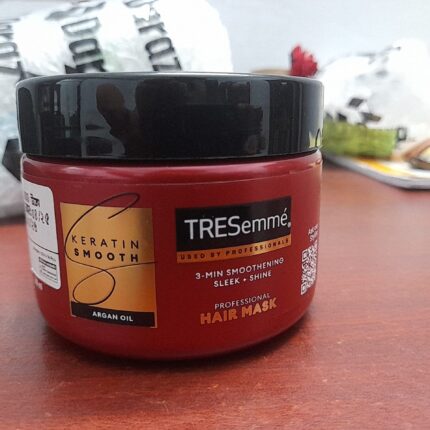 Sale
SaleOriginal price was: ৳ 1,200.00.৳ 950.00Current price is: ৳ 950.00.
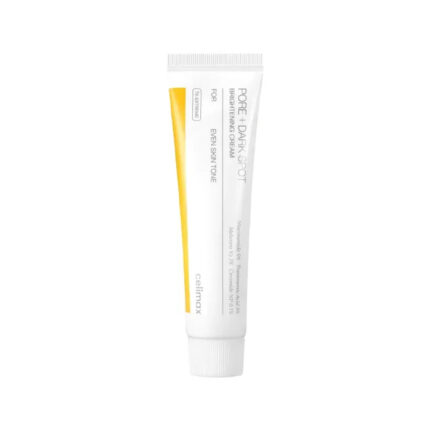 Sale
SaleOriginal price was: ৳ 1,790.00.৳ 1,590.00Current price is: ৳ 1,590.00.
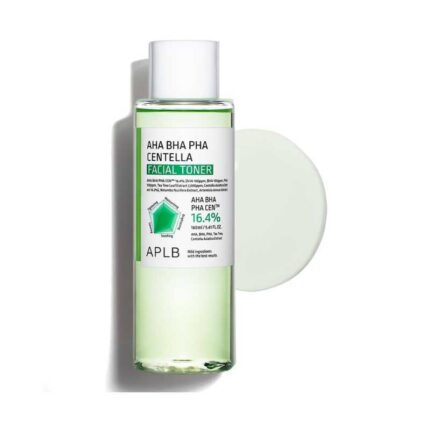 Sale
SaleOriginal price was: ৳ 1,760.00.৳ 1,232.00Current price is: ৳ 1,232.00.
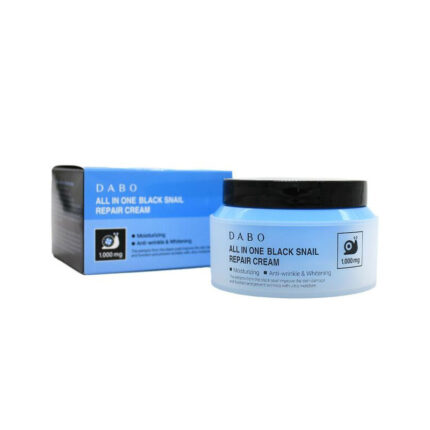
How Leucine Works in the Body
When you eat protein, leucine acts as a signal to start building new muscle proteins. Studies show this signalling helps muscles recover after resistance exercise. That effect supports strength gains when combined with proper training and rest.
Muscle protein synthesis
Leucine activates cellular pathways that tell muscles to build new protein. This process supports repair after workouts and helps maintain lean mass as people age. Many studies show older adults respond less to protein, and leucine-rich meals may help improve their protein response.
Energy and metabolism
The body can use leucine for fuel during intense activity when carbohydrates run low. For example, athletes may draw on branched-chain amino acids during long sessions. That use helps spare muscle tissue when energy demands increase.
Cell signalling
Leucine influences pathways that regulate growth and metabolism in cells. Because of that role, it affects how the body decides to use or store nutrients. Research indicates these signals work together with hormones and other nutrients.
Dietary Sources and Supplements
Whole foods provide leucine naturally, especially animal proteins and some plant sources. For example, lean meats, dairy, eggs, and soy contain measurable leucine amounts. Consumers often choose supplements when their diet lacks sufficient protein.
As an essential amino acid ingredient, leucine appears in many formulas aimed at athletes and older adults. Powdered BCAA blends and whey protein are common supplement choices. When shopping, check labels for clear leucine amounts per serving.
Some people take isolated leucine to target quick signalling after workouts. While some evidence supports this practice, balanced protein intake still matters for overall nutrition. That is why most experts recommend whole protein sources alongside targeted supplements.
Benefits for Fitness and Muscle
Many fitness users take leucine to speed recovery and support strength. Research shows leucine-rich meals stimulate muscle protein synthesis more than low-leucine meals. This effect matters when training frequency is high or when preserving mass is a priority.
For athletes
Athletes may benefit when they use leucine within a balanced fueling plan. For example, combining leucine with sufficient carbohydrates and fluids supports recovery. Coaches often suggest timing protein intake to match training demands and session length.
For older adults
Age-related muscle loss can reduce strength and mobility over time. Studies indicate that increasing leucine in meals may help older adults respond better to protein. That response can support daily function and reduce fall risk when paired with resistance training.
Body composition
When used with proper diet and exercise, leucine can help preserve lean mass during calorie deficit. For weight management, that means a greater share of lost weight may come from fat. Still, consistent exercise remains the main driver of favorable body composition changes.
Leucine in Skincare
Skincare brands include leucine as a skin conditioning compound in creams and serums. Research indicates amino acids can support the skin barrier and help hold moisture. That makes leucine attractive for formulations aimed at hydration and comfort.
Because the skin needs building blocks to repair itself, amino acids like leucine can play a supporting role in topical care. Dermatologists recommend products that combine amino acids with humectants and occlusives. Together, those ingredients help restore and protect skin texture.
Some clinical studies show topical amino acid blends improve skin smoothness and hydration over weeks. For that reason, people with dry or aging skin often look for products labeled with amino acids. Product choice should match skin type and sensitivity levels.
Safety, Dosage, and Interactions
Most people tolerate leucine from food without issues. Supplements may provide higher amounts, and responses vary by individual. If you have kidney disease or metabolic disorders, consult a healthcare professional before starting supplements.
Studies warn that very high isolated intakes can alter amino acid balance in plasma and may affect people with certain conditions. That is why balanced dosing and medical guidance matter. Pregnant and breastfeeding people should seek professional advice before taking supplements.
When combined with other branched-chain amino acids or full protein powders, leucine interacts predictably in most healthy adults. Still, mixing strong supplements with medications requires caution. Ask a clinician if you take drugs that affect protein metabolism.
How to Choose Leucine Products
Start by checking the ingredient list and serving information on product labels. Look for clear amounts of leucine per serving and avoid vague claims. Third-party testing and transparent sourcing add trustworthiness.
For fitness goals, consider whether you need isolated leucine, a BCAA blend, or a full protein powder. Each option fits different goals and budgets. For skincare, prefer formulations that combine leucine with moisturizing and barrier-supporting ingredients.
Because supplements vary, select a reputable brand with good manufacturing practices. That step helps ensure purity and consistent dosing. Also, compare price per effective serving rather than total container weight.
Common Misconceptions
Some people expect leucine alone to build muscle without exercise. However, research indicates that resistance training is necessary for meaningful gains. Supplements work best when paired with consistent strength work and adequate calories.
Another myth is that more leucine always produces better results. That assumption ignores balance. Too much of one amino acid can alter uptake of others, which may reduce overall protein effectiveness.
Finally, topical leucine does not replace dietary intake for systemic needs. Skin products can support local barriers, while food and supplements address whole-body processes. Both approaches can coexist when chosen thoughtfully.
Label Terms to Know
Look for terms that explain product content and quality, such as “free-form amino acid” or “pharmaceutical grade” when present. Those labels describe how the ingredient is processed, which can affect absorption. Transparency about sourcing shows a brand’s care for quality.
Some labels list leucine as L-leucine, which is the same bioactive form the body uses. When shopping for topical products, ingredient lists show leucine alongside other amino acids and skin conditioning agents. That combination helps form balanced skincare formulas.
Buying Tips for Different Needs
If you train often, choose products that support recovery within your routine and budget. For example, a whey protein with higher leucine content supports post-workout repair. If you prefer plant proteins, look for blends that combine sources to raise leucine levels.
For skincare, try a small patch test when using a new product to check for irritation. Select formulations that match your skin type, whether dry, oily, or sensitive. When seeking anti-aging benefits, combine topical amino acids with sunscreen and consistent moisturizing routines.
When on a restricted budget, prioritize whole food sources that provide leucine and other nutrients. Eggs, dairy, legumes, and lean meats deliver protein and essential vitamins. That approach supports health while lowering reliance on supplements.
Scientific Evidence and Expert Opinions
Studies show leucine plays a unique signalling role in muscle protein synthesis compared with other amino acids. Experts in sports nutrition often recommend adequate leucine intake as part of effective training plans. At the same time, research stresses that total protein and training stimulus matter too.
Dermatologists note that amino acids contribute to skin structure and hydration when included in topical care. Research indicates that combined formulas deliver more noticeable improvements than single-ingredient products. Clinical studies often evaluate blends rather than isolated leucine in skincare.
Overall, evidence supports targeted uses of leucine for selected goals. That means choosing products based on personal needs and medical background. Working with a registered dietitian or dermatologist can help tailor a plan safely.
How to Add Leucine to Your Routine
Start by assessing your typical protein intake from meals and snacks. If you train regularly, consider spacing protein evenly across the day to maximize muscle response. Simple adjustments can raise leucine intake without relying solely on supplements.
When using supplements, follow label directions and avoid exceeding recommended servings. Many athletes find benefit from a post-workout serving paired with carbohydrates for recovery. For skincare, apply topical products as directed and monitor skin response.
Because everyone responds differently, track how you feel and perform after changes. Adjust timing, dose, or product type if you notice unwanted effects. Consulting a professional helps refine choices for specific health goals.
Costs and Value
Prices for leucine-containing products vary widely, based on purity and brand reputation. Bulk free-form leucine powders often cost less per gram than branded blends, but branded products may include additional helpful ingredients. Compare label information to judge real value.
Skincare products with amino acids may fall in the mid-price range depending on formulation. While price does not always equal quality, careful ingredient review helps identify worthwhile purchases. Consider trial sizes when trying a new skin product.
When budgeting, remember that whole food protein remains cost-effective and nutritious. Combining food sources with targeted supplements often yields the best balance of cost and outcomes. That approach supports long-term adherence and results.
Real User Experiences
Many users report faster recovery and reduced soreness when they add leucine-focused supplements around workouts. That anecdotal evidence aligns with trials that show improved muscle protein synthesis. Results vary by training status and total protein intake.
In skincare, people often notice improved hydration and texture after weeks of consistent use with amino acid products. Clinical conditions require more careful testing, and professionals can guide treatment. Personal trials help determine which formulations work best for you.
Consumer reviews help highlight product strengths and potential downsides. Still, prioritize scientific evidence and professional advice over single testimonials. That ensures choices fit your health profile and expectations.
Environmental and Ethical Considerations
Source matters when choosing products that contain animal-derived proteins. Some brands use sustainable sourcing practices and clear supply chains. For those who prefer plant-based options, blends that combine legumes and grains help raise leucine content.
Third-party certifications can indicate ethical or sustainable practices. When shopping for skincare or supplements, check brand transparency about sourcing and manufacturing. That step supports both personal health and broader environmental concerns.
Common Combinations and Stacks
Leucine often appears in supplements alongside isoleucine and valine as BCAAs. Combining these amino acids can offer balanced uptake and support during prolonged training. For recovery, many people pair leucine with carbohydrates and hydration.
For skin, leucine is common in formulas with other amino acids, peptides, and moisturizing agents. That mix helps restore barrier function and smoothness over time. Selecting products that blend complementary materials often yields better results than a single ingredient.
Travel and Practical Use
Powders and single-serving packets make leucine supplements easy to use while traveling. When on the go, pre-measured doses reduce guesswork and help you maintain routines. For skincare, travel-sized tubes protect product integrity and simplify packing.
Plan meals so you meet protein goals even when schedules change. Many travelers rely on high-protein snacks or convenient powders for consistent intake. That planning helps maintain performance and recovery across trips.
Signs You May Need More Leucine
Persistent fatigue, poor recovery, or stalled strength gains could suggest low overall protein or leucine intake. However, many factors can cause those symptoms, and testing or professional review is best. A dietitian can assess intake and suggest practical changes.
Skin that struggles to retain moisture might benefit from topical amino acids as part of a broader regimen. Still, underlying skin conditions need a clinician’s diagnosis. Adjusting diet and topical care together often produces the best outcomes.
Regulation and Quality Standards
Supplements are regulated differently than medicines in many regions, which affects quality oversight. That reality makes third-party testing and good manufacturing claims valuable to consumers. Research indicates that products with verified testing reduce the risk of contamination.
Skincare ingredients fall under cosmetic regulations that focus on safety and labeling. Brands that publish test results or clinical study summaries provide stronger evidence of effectiveness. Check packaging for clear ingredient lists and usage directions.
Questions to Ask a Professional
Ask whether leucine supplements fit your current health profile and goals. A clinician can help set safe dosing and check for possible interactions. For skincare, a dermatologist can recommend formulations suited to your skin type and concerns.
Request guidance on how to combine leucine with other supplements or medications. This step reduces the risk of unwanted interactions. Professionals can also suggest routine changes that support long-term success.
Frequently Asked Questions
Is leucine safe for everyday use?
Leucine from food is safe for most people and fits normal diets well. Supplement use is generally safe for healthy adults when taken at recommended serving levels. People with kidney disease or other health issues should consult a clinician before adding supplements.
Can leucine help my skin?
Topical leucine appears in products that aim to condition skin and support hydration. Research indicates amino acid blends can improve skin smoothness and moisture over weeks. For best results, combine topical care with sun protection and regular moisturizing.
Should I take leucine before or after workouts?
Many athletes use leucine after workouts to support muscle repair and recovery. Studies show post-exercise protein or leucine intake stimulates muscle protein synthesis. Ultimately, total daily protein and training stimulus matter more than exact timing.
Do plant proteins have enough leucine?
Some plant proteins contain lower leucine levels than animal proteins, but certain combinations raise leucine content. For example, blending legumes and grains improves amino acid balance. Choosing varied plant sources helps meet needs without animal products.
Final Thoughts
Leucine can play a useful role for people who want to support muscle repair and improve skin conditioning through topical and dietary routes. The most important takeaway is that leucine works best alongside balanced protein intake and appropriate exercise. For most shoppers, a mix of whole foods and carefully chosen products offers the best practical approach.