
Lactobacillus/Rice Ferment: Skin Benefits Guide

Dry, tight, or easily stressed skin can make even a simple routine feel confusing. Lactobacillus/Rice Ferment appears in many modern products because shoppers want gentle care with a science-based feel. This ingredient blends rice-derived nutrients with fermentation, which may support softer and calmer-looking skin.
What Is Lactobacillus/Rice Ferment?
Lactobacillus/Rice Ferment is a cosmetic ingredient made when lactobacillus bacteria ferment rice material. During fermentation, the microbes break down parts of the rice into smaller compounds. As a result, the final extract may feel lighter and easier for skin to receive.
Cosmetic chemists use ferments because they can contain amino acids, sugars, minerals, and organic acids. Research on fermentation shows that this process can change the texture and nutrient profile of plant extracts. However, the exact makeup depends on the rice source, ferment process, and formula.
Shoppers often see Lactobacillus/Rice Ferment in essences, toners, serums, masks, and creams. Brands choose it when they want a gentle ingredient story with hydration and comfort. Still, a good product depends on the whole formula, not only one ingredient.
How fermentation changes rice
Rice contains starches, proteins, and small natural nutrients. When lactobacillus ferments rice, enzymes help split some larger parts into smaller pieces. This means the ingredient may spread well in watery skin care products.
Studies show fermentation can increase the availability of certain plant compounds. That does not mean every ferment works the same way. Because formulas vary, shoppers should look at product claims with a calm and practical eye.
Why brands add it to formulas
Brands often add Lactobacillus/Rice Ferment to support a smoother feel and a hydrated finish. The ingredient can fit gentle routines because it usually appears in leave-on products with water-based textures. For example, an essence may pair it with glycerin or panthenol.
Dermatologists often recommend simple hydration for skin that feels tight or stressed. A ferment ingredient can play a supporting role in that plan. However, it should not replace sunscreen, barrier care, or medical treatment when needed.
How it differs from live probiotics
Lactobacillus/Rice Ferment in cosmetics does not usually mean live bacteria sit in the bottle. Most products use a filtered ferment or a ferment extract. This helps brands create stable formulas for store shelves.
Probiotic supplements and cosmetic ferments serve different goals. Supplements aim at the gut, while topical ferments aim at skin feel and appearance. As a result, shoppers should not expect a face serum to act like a dietary probiotic.
Recommended Products
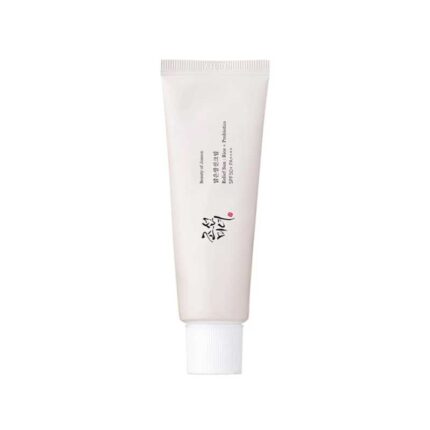 Sale
SaleOriginal price was: ৳ 2,100.00.৳ 1,470.00Current price is: ৳ 1,470.00.
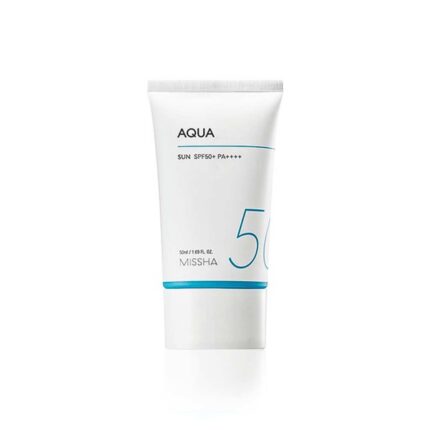 Sale
SaleOriginal price was: ৳ 1,350.00.৳ 890.00Current price is: ৳ 890.00.
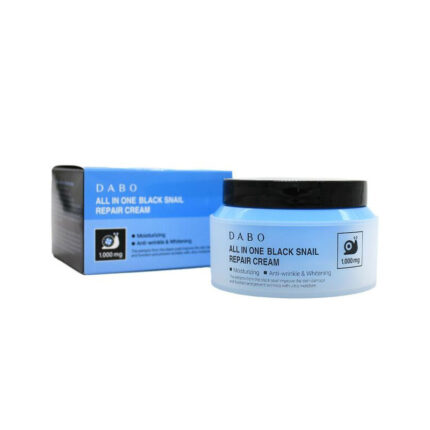
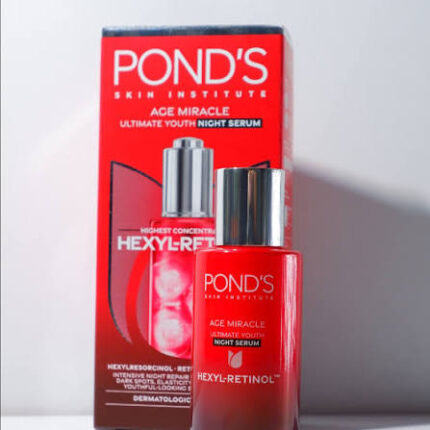 Sale
SaleOriginal price was: ৳ 2,000.00.৳ 1,950.00Current price is: ৳ 1,950.00.
Why Shoppers Seek a Rice Probiotic Ingredient
A rice probiotic ingredient sounds appealing because it connects tradition, plant care, and modern skin science. Rice has a long history in beauty routines across many cultures. Fermentation adds another layer, since fermented foods and extracts often carry a wellness image.
Still, good shopping requires more than a pleasant story. Research indicates that the skin barrier needs water, lipids, and balanced care to stay comfortable. Lactobacillus/Rice Ferment may help support that feel, but it works best within a complete routine.
Many shoppers also want products that feel light, not greasy. Ferment extracts often fit watery products that layer well under creams. This makes Lactobacillus/Rice Ferment useful for people who dislike heavy formulas.
The appeal of gentle hydration
Hydration remains one of the most common skin care needs. When skin lacks water, it can look dull and feel rough. A soothing hydration compound can help a formula feel more comforting during daily use.
Lactobacillus/Rice Ferment often appears beside humectants, which draw water into the outer skin layer. Glycerin and hyaluronic acid serve this role in many products. Because these ingredients work well together, shoppers may notice better comfort than from a ferment alone.
The microbiome connection
The skin microbiome means the mix of tiny organisms living on the skin surface. Studies show this community can influence comfort, odor, and visible balance. However, most cosmetics do not change it in the same way medicine can.
Lactobacillus/Rice Ferment may support a microbiome-friendly routine by keeping formulas gentle. Mild products can help avoid dryness that disrupts the skin surface. That is why many shoppers pair ferments with low-stripping cleansers.
The clean beauty misunderstanding
Some shoppers think fermented ingredients always mean safer products. That belief oversimplifies skin care. Natural origin does not promise zero irritation, and synthetic ingredients can also feel gentle.
Because skin reacts to formulas, not marketing words, patch testing still matters. Lactobacillus/Rice Ferment can suit many people, yet any ingredient can bother a specific user. Smart shoppers judge results by feel, not trends.
Skin Benefits of Lactobacillus/Rice Ferment
Lactobacillus/Rice Ferment attracts attention because it may help skin look fresher, smoother, and more hydrated. These benefits come from the way ferment extracts support water-based formulas. However, results depend on concentration, product type, and routine consistency.
Research on rice extracts shows that rice can contain antioxidant compounds. Antioxidants help protect formulas and skin from the look of environmental stress. Still, topical antioxidants work best when paired with daily sunscreen.
Consumers should expect subtle support rather than overnight repair. Lactobacillus/Rice Ferment usually works as a comfort and hydration ingredient. For deeper concerns, active ingredients may play a larger role.
Barrier support
The skin barrier works like a wall that helps hold water inside. When this wall weakens, skin can feel tight, sting, or flake. Lactobacillus/Rice Ferment may support barrier comfort by adding a soft, hydrating feel.
Dermatologists often focus on barrier care for sensitive and dry skin. They commonly recommend mild cleansing, moisturizers, and fragrance caution. Because ferments often appear in gentle products, they can fit that advice well.
Calmer-looking skin
Skin can look red or tired after weather changes, over-cleansing, or strong actives. A formula with Lactobacillus/Rice Ferment may help skin feel less stressed. However, it should not claim to treat medical inflammation unless a product has drug approval.
For example, a calming toner may combine the ferment with allantoin and panthenol. Those ingredients have a strong comfort reputation in skin care. As a result, the finished product may feel soothing after cleansing.
Smoother texture
Rough texture often comes from dryness, dead skin buildup, or a damaged barrier. Lactobacillus/Rice Ferment may help soften the look of rough patches through hydration. This does not make it an exfoliant in the usual sense.
Some fermented ingredients contain mild organic acids. Yet most products with this ferment do not act like strong acid peels. Because of that, they suit shoppers who want comfort before resurfacing power.
A more even glow
Dehydrated skin reflects light poorly, which can make the face look flat. Hydrating layers help the surface look plumper and more even. Lactobacillus/Rice Ferment can support that fresh look in watery products.
Rice extracts also have a long cosmetic link with brightness. Studies on rice components show antioxidant and conditioning potential. Still, shoppers should choose proven brightening actives for dark spots.
How It Fits Different Skin Types
Lactobacillus/Rice Ferment can suit several skin types because it often appears in light, gentle textures. That said, the final formula matters more than the ingredient name. A serum, cream, or mask can all feel very different.
When choosing a product, start with your main skin problem. Dry skin needs more oil and barrier support. Oily skin may prefer thin layers that do not feel heavy.
Dry and dehydrated skin
Dry skin lacks enough oil, while dehydrated skin lacks water. Many people experience both at the same time. Lactobacillus/Rice Ferment may help water-based products give quick comfort.
Because dry skin also needs lipids, pair the ferment with a cream. Look for ceramides, squalane, fatty acids, or shea butter if your skin feels flaky. As a result, hydration stays locked in longer.
Sensitive-looking skin
Sensitive-looking skin often reacts to fragrance, harsh scrubs, or frequent exfoliation. Lactobacillus/Rice Ferment may fit a simpler routine when the product avoids common irritants. Still, sensitive users should patch test every new product.
Dermatologists often recommend fragrance-free products for reactive skin. They also suggest adding one new product at a time. This approach helps you know whether the ferment formula suits you.
Oily and combination skin
Oily skin still needs water. When shoppers skip hydration, the skin can feel tight and shiny at once. A light product with Lactobacillus/Rice Ferment may add comfort without a heavy finish.
Gel creams and essences often work well for combination skin. For example, you can apply a thin ferment essence before a light moisturizer. This keeps dry zones comfortable without overloading oily areas.
Mature or dull-looking skin
Mature skin often loses moisture more easily as the barrier changes with age. Research shows the outer skin layer can become drier over time. Lactobacillus/Rice Ferment may support a smoother look through hydration.
However, it does not replace retinoids, peptides, or sunscreen for age-related concerns. Think of it as a comfort layer in a broader plan. When the skin feels better, stronger actives often become easier to tolerate.
How to Read Product Labels
Ingredient labels can confuse shoppers because names sound technical. Lactobacillus/Rice Ferment may appear near similar ferment names, rice extracts, or filtrates. Since naming can vary, read the full ingredient list and product description.
Cosmetic labels list ingredients in descending order until low levels. After that, brands may list items in a more flexible order. This means label position gives clues, but it does not reveal exact amounts.
Where it appears on the list
When Lactobacillus/Rice Ferment appears near the top, the product likely contains a meaningful amount. When it appears near the bottom, it may still support the formula story. However, low placement often means the ingredient plays a smaller role.
Water-based products may list the ferment after water and humectants. That can still make sense for an essence or toner. Because formulas differ, judge the product by claims, texture, and skin response.
Helpful partner ingredients
Lactobacillus/Rice Ferment often works best with proven support ingredients. Glycerin draws water into the outer skin layer. Panthenol can help skin feel softer and more comfortable.
Niacinamide may support tone, oil balance, and barrier function. Ceramides help strengthen the look and feel of the barrier. When a product combines these well, shoppers may see more reliable results.
Claims that deserve caution
Be careful with claims that promise instant repair or medical results. Cosmetics can improve the look and feel of skin. They cannot legally claim to cure diseases in many markets.
If a product says Lactobacillus/Rice Ferment will fix every skin issue, stay skeptical. Real skin care usually works through steady use. Honest brands explain benefits without making extreme promises.
Fragrance and alcohol checks
Fragrance can make a product feel more elegant, yet it can bother sensitive skin. Drying alcohols can also sting some users. When your barrier feels weak, choose simpler formulas first.
Lactobacillus/Rice Ferment does not cancel irritation from a harsh base. A gentle ferment product should feel balanced from start to finish. So, check the whole label before buying.
How to Use Lactobacillus/Rice Ferment
Lactobacillus/Rice Ferment can fit morning or night routines, depending on the product. Most shoppers use it after cleansing and before heavier creams. This order helps watery layers sit close to the skin.
Consistency matters more than using many products at once. Studies on moisturizers show that regular use supports barrier comfort. Because of that, a simple routine often beats a crowded shelf.
In cleansers
Some cleansers include Lactobacillus/Rice Ferment for a softer skin feel. However, rinse-off products spend little time on the skin. The main benefit often comes from mild cleansing, not the ferment alone.
Choose a cleanser that leaves skin comfortable after rinsing. If your face feels squeaky or tight, the cleanser may strip too much oil. In that case, switch to a gentler option before adding more treatments.
In toners and essences
Toners and essences are common homes for Lactobacillus/Rice Ferment. These products usually have thin textures that layer well. When applied after cleansing, they can reduce that tight post-wash feeling.
Use clean hands or a soft cotton pad, based on your preference. Press the product gently rather than rubbing hard. As a result, skin receives the layer with less friction.
In serums and ampoules
Serums may contain a higher focus of support ingredients. A serum with Lactobacillus/Rice Ferment can work well before moisturizer. It may also pair with niacinamide, peptides, or hyaluronic acid.
However, avoid stacking too many active products at once. Strong acids, retinoids, and vitamin C can irritate some routines. If your skin feels stressed, keep the ferment serum and pause harsher steps.
In creams and sleeping masks
Creams can seal the comfort from Lactobacillus/Rice Ferment. They often include oils, butters, or barrier lipids. This helps reduce water loss from the skin surface.
Sleeping masks may suit dry climates or winter routines. Use them as the last step at night, after lighter layers. Still, acne-prone shoppers should choose textures that do not feel suffocating.
With sunscreen
Morning skin care should end with sunscreen. Lactobacillus/Rice Ferment may help skin feel hydrated under sun protection. Yet sunscreen provides the main defense against UV-related aging and dark spots.
Let watery layers settle before applying sunscreen. This can reduce pilling and improve comfort. When your layers work together, the routine feels easier to repeat.
Safety, Patch Testing, and Limits
Lactobacillus/Rice Ferment has a gentle image, but personal reactions can still happen. Skin can react to preservatives, fragrance, acids, or the ferment itself. Because of this, patch testing remains a smart habit.
Safety also depends on product quality and storage. Most cosmetics use preservatives to keep water-based formulas stable. If a product changes smell, color, or texture, stop using it.
How to patch test
Apply a small amount of the product to your inner arm or behind your ear. Wait 24 to 48 hours before using it on your face. Dermatologists often suggest this step for reactive skin.
If the area stays calm, try the product on one small facial area. Use it every other day at first. This slower pace helps you spot problems before they affect your whole face.
Signs to stop using it
Stop using a product if you notice burning, swelling, hives, or lasting redness. Mild tingling can happen with some formulas, but pain is not a goal. When symptoms persist, contact a qualified clinician.
Lactobacillus/Rice Ferment should make a routine feel more comfortable, not more stressful. If your skin worsens after each use, the formula may not suit you. Instead, return to a basic cleanser, moisturizer, and sunscreen.
Who should be extra careful
People with known rice allergies should read labels closely. Those with eczema, rosacea, or active rashes should get medical guidance before testing many products. Although cosmetics can feel soothing, skin disease needs proper care.
Pregnant shoppers often prefer gentle formulas, but ingredient comfort still varies. Lactobacillus/Rice Ferment does not belong to the usual list of high-concern cosmetic actives. Still, ask a clinician if you feel unsure.
What it cannot do
Lactobacillus/Rice Ferment cannot replace prescription treatments. It also cannot rebuild the skin barrier overnight. Skin needs time, moisture, lipids, and fewer irritants to recover.
Do not expect it to erase deep wrinkles or severe acne. Those concerns often need targeted active ingredients or medical care. This ingredient mainly supports hydration, comfort, and a smoother look.
Comparing It With Other Ferments
Fermented ingredients appear often in skin care, and their names can sound alike. Lactobacillus/Rice Ferment differs from yeast ferments, bifida ferments, and simple rice extracts. Each type may bring a different skin feel.
Research indicates that fermentation can change plant and yeast materials in many ways. However, skin care results still depend on the finished formula. This means shoppers should compare products, not just ingredient names.
Galactomyces ferment
Galactomyces ferment comes from a yeast-related process. Many shoppers use it for glow, smoother texture, and a hydrated feel. It often appears in essences and first-step treatments.
Lactobacillus/Rice Ferment may feel more tied to rice comfort and mild hydration. Galactomyces products may focus more on radiance claims. Still, both can support a light, layered routine.
Bifida ferment
Bifida ferment often appears in barrier and repair-focused products. Brands may connect it with resilience and environmental stress support. Many formulas place it in serums or night treatments.
Lactobacillus/Rice Ferment may suit shoppers who want a rice-based story and a soft finish. Bifida may appeal to those focused on barrier stress. Since both can coexist, some products include more than one ferment.
Saccharomyces and rice ferments
Saccharomyces ferment comes from yeast, and brands use it in many conditioning products. Rice ferment can come from different microbes or processes. The name on the label gives only part of the story.
When comparing these ingredients, check texture and partner ingredients. A watery essence may feel different from a rich cream. Because of that, your skin type should guide the choice.
Simple rice extract
Rice extract does not always go through fermentation. It can still offer soothing and conditioning benefits in cosmetics. However, it may not contain the same fermentation byproducts.
Lactobacillus/Rice Ferment combines rice material with lactobacillus fermentation. That process gives it a distinct ingredient identity. If you enjoy rice-based products, trying both types can help you compare results.
How to Choose the Best Product
Choosing a Lactobacillus/Rice Ferment product starts with your skin goal. Do you want hydration, calmness, glow, or barrier support? A clear goal helps you avoid buying every trend.
Online shoppers should read reviews with care. Look for comments from people with similar skin types and climates. However, remember that reviews cannot predict your exact reaction.
Match the format to your routine
If you like fast routines, choose a moisturizer with Lactobacillus/Rice Ferment. This gives hydration and sealing power in one step. If you enjoy layering, choose an essence or serum.
People in humid climates may prefer thin textures. Those in dry climates often need a cream over the ferment layer. As a result, the same ingredient can feel different by season.
Check the supporting formula
A good product rarely depends on one star ingredient. Look for humectants, barrier helpers, and gentle preservatives. These parts help Lactobacillus/Rice Ferment perform within a balanced formula.
Avoid products that mix too many strong actives if your skin feels sensitive. For example, a ferment serum with strong acids may not suit daily use. Instead, start with a simple hydrating product.
Think about packaging
Packaging affects freshness and ease of use. Pumps and tubes reduce repeated finger contact with the product. Jars can work, but they require clean hands or a spatula.
Light and air can also affect some formula components. While the ferment itself may remain stable, partner antioxidants can be more delicate. So, close packaging tightly after each use.
Set realistic expectations
Lactobacillus/Rice Ferment may improve comfort quickly, especially when skin feels dehydrated. Visible texture and glow changes may take longer. Most cosmetic routines need several weeks of steady use.
Take a simple before photo in similar lighting. This helps you judge change without relying on memory. When a product works, your skin should feel calmer and easier to manage.
Common Routine Mistakes
Even gentle ingredients can disappoint when the routine around them creates stress. Lactobacillus/Rice Ferment works best when skin receives steady, balanced care. Too many new steps can make results harder to read.
Dermatologists often advise changing one product at a time. This simple rule helps identify irritation and real improvement. Because online shopping makes impulse buying easy, restraint can save money and skin comfort.
Using it with too many actives
Many shoppers combine ferments with acids, retinoids, scrubs, and brightening serums. That mix can overwhelm the barrier. Lactobacillus/Rice Ferment may help comfort, but it cannot cancel overuse.
Build a routine around cleanser, moisturizer, and sunscreen first. Then add one treatment product as needed. When skin stays calm, you can decide whether another step makes sense.
Skipping moisturizer
A watery ferment essence can hydrate, but it may not seal moisture well. Without a moisturizer, water can leave the skin surface quickly. This can bring back tightness soon after application.
Use a cream or lotion after Lactobacillus/Rice Ferment if your skin feels dry. Lightweight gel creams can work for oily skin. Richer creams often suit dry or cold conditions.
Expecting medical results
Cosmetic ingredients improve appearance and feel. They do not treat infections, severe eczema, or painful acne. If skin symptoms feel intense, seek professional care.
Lactobacillus/Rice Ferment can support a gentle routine during calm periods. However, active flares may need a clinician’s plan. This protects your skin from trial-and-error damage.
Ignoring irritation clues
Some shoppers push through stinging because they want fast results. That habit can damage trust in your own skin signals. Pain, swelling, or lasting redness means the product does not suit the moment.
Pause the product and return to basics. Once skin calms, you can patch test again or move on. Your routine should help your skin feel stable, not tense.
Frequently Asked Questions
Is Lactobacillus/Rice Ferment good for sensitive skin?
Lactobacillus/Rice Ferment can suit sensitive-looking skin when the full formula stays gentle. Choose fragrance-free products when possible, and patch test before facial use. If you have a skin condition, ask a dermatologist first.
Can Lactobacillus/Rice Ferment replace moisturizer?
Lactobacillus/Rice Ferment usually cannot replace moisturizer, especially for dry skin. It often supports hydration in watery products, while moisturizers help seal water in. For best comfort, layer it under a cream or lotion.
How often should I use Lactobacillus/Rice Ferment?
Most people can use Lactobacillus/Rice Ferment once or twice daily if the product feels comfortable. Start slowly if your skin reacts easily. When irritation appears, reduce use or stop the product.
Does Lactobacillus/Rice Ferment contain live bacteria?
Most cosmetic products with Lactobacillus/Rice Ferment do not contain live bacteria. They usually contain a ferment extract, filtrate, or processed ingredient. This helps the formula stay stable and safer for normal shelf use.
Final Thoughts
Lactobacillus/Rice Ferment works best as a gentle support ingredient for hydration, comfort, and a smoother-looking surface. It will not replace sunscreen, moisturizer, or medical care, yet it can make a simple routine feel better. Choose a well-balanced formula, patch test first, and give your skin steady use before judging results.