
Lactic Acid: Gentle Exfoliation for Radiant, Hydrated Skin

Achieving radiant, healthy skin often involves a careful balance of cleansing, nourishing, and protecting. Among the myriad ingredients available today, Lactic Acid stands out as a true multitasker, earning its reputation as a cornerstone of effective skincare routines. This alpha hydroxy acid (AHA), naturally found in milk and produced by bacteria during fermentation, offers a unique blend of exfoliation and hydration. It is celebrated for its ability to transform skin texture, enhance brightness, and address common concerns like dullness, uneven tone, and fine lines. Unlike some of its more potent AHA counterparts, lactic acid offers a notably gentle approach, making it an excellent choice for a wider range of skin types, including those prone to sensitivity. Understanding how this remarkable ingredient works empowers you to harness its full potential for a visibly smoother, more luminous complexion.
Understanding Lactic Acid: A Gentle Exfoliating Acid
Lactic acid functions primarily as a chemical exfoliant. It works by loosening the bonds between dead skin cells on the surface of the skin, facilitating their removal. This process reveals fresher, healthier cells underneath, leading to a smoother texture and a brighter, more even skin tone. While many exfoliating acids perform this function, lactic acid distinguishes itself through its molecular size and unique properties. Its larger molecular structure compared to glycolic acid means it penetrates the skin more slowly and superficially, resulting in a milder exfoliating action. This reduced penetration depth translates to less potential for irritation, positioning lactic acid as a prime choice for individuals seeking effective exfoliation without the harshness often associated with stronger acids.
The Science of Skin Renewal with Lactic Acid
Our skin naturally sheds dead cells in a process called desquamation. As we age, or due to environmental factors, this process can slow down, leading to a buildup of dead cells that makes skin appear dull, rough, and prone to clogged pores. Lactic acid steps in to normalize this cycle. It specifically targets the corneodesmosomes, the structures that hold keratinocytes (skin cells) together in the outermost layer of the epidermis. By dissolving these bonds, lactic acid encourages the natural shedding process, preventing the accumulation of dead skin cells. This consistent, gentle removal of superficial layers not only refines skin texture but also allows other skincare products to penetrate more effectively, enhancing their benefits.
Recommended Products
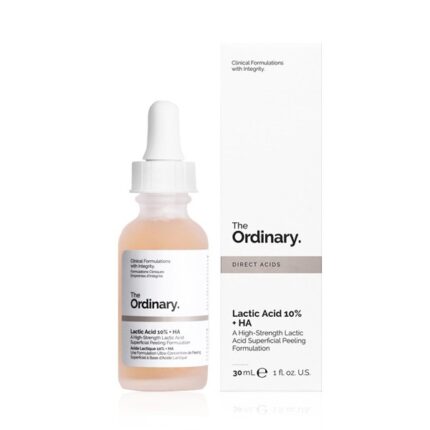 Sale
SaleOriginal price was: ৳ 2,000.00.৳ 1,490.00Current price is: ৳ 1,490.00.
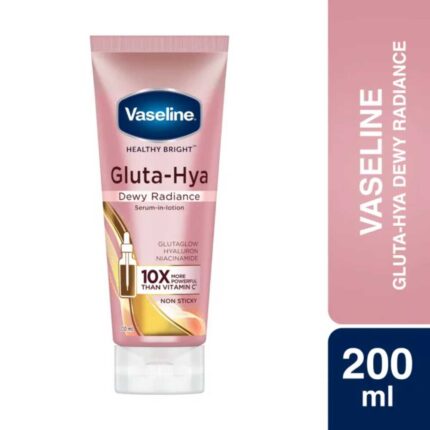
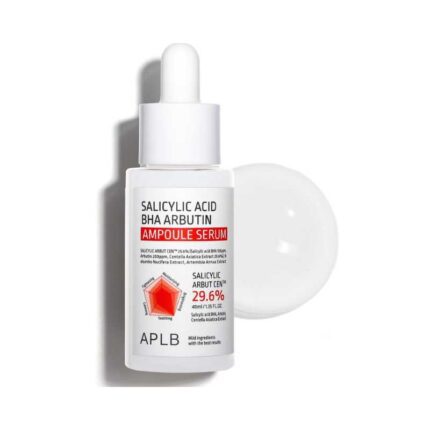 Sale
SaleOriginal price was: ৳ 1,300.00.৳ 910.00Current price is: ৳ 910.00.
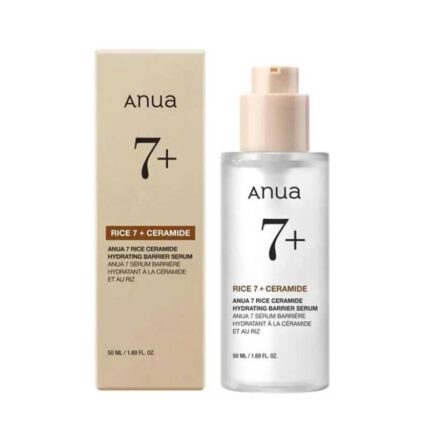 Sale
SaleOriginal price was: ৳ 3,160.00.৳ 2,212.00Current price is: ৳ 2,212.00.
Lactic Acid: A Hydration Acid Skincare Essential
Beyond its exfoliating prowess, lactic acid holds a significant advantage for those prioritizing skin hydration: its humectant properties. A humectant attracts and binds water to the skin, helping to maintain its moisture levels. Lactic acid is a natural component of the skin’s Natural Moisturizing Factor (NMF), a complex blend of compounds that keeps the skin hydrated, supple, and protected. When applied topically, it enhances the skin’s ability to draw moisture from the atmosphere and retain it within the epidermis. This dual action—exfoliation and hydration—makes lactic acid exceptionally valuable, especially for individuals with dry or sensitive skin who might find other exfoliants too drying or irritating. Incorporating lactic acid into your skincare routine means you are not just shedding dead skin; you are actively improving your skin’s capacity to hold vital moisture.
Boosting Skin Barrier Function with Lactic Acid
A healthy skin barrier is crucial for protecting against environmental aggressors and preventing trans-epidermal water loss (TEWL). Research indicates that lactic acid can play a role in strengthening the skin’s barrier function. By promoting healthy cell turnover and increasing ceramide production, it helps to fortify the lipid matrix of the stratum corneum, the outermost layer of the skin. A more robust skin barrier translates to less susceptibility to irritation, better moisture retention, and an overall healthier, more resilient complexion. This makes lactic acid an invaluable ingredient for those looking to repair and maintain a strong skin barrier, moving beyond superficial improvements to foster long-term skin health.
Key Benefits of Incorporating Lactic Acid into Your Skincare
The benefits of consistent lactic acid use extend across a spectrum of skin concerns, offering visible improvements that contribute to a youthful, vibrant appearance.
- Improved Skin Texture: By gently removing dead skin cells, lactic acid smooths rough patches, refines pores, and creates a noticeably softer feel to the skin.
- Enhanced Skin Tone and Brightness: Regular exfoliation helps to diminish dullness and promote a more luminous, even complexion. It can significantly improve overall skin radiance.
- Reduction in Hyperpigmentation: Lactic acid assists in fading dark spots, sun spots, and post-inflammatory hyperpigmentation by accelerating the turnover of pigmented skin cells.
- Minimizing Fine Lines and Wrinkles: The increased cell turnover and improved hydration can lead to a plumping effect, reducing the appearance of superficial fine lines and early signs of aging.
- Hydration Boost: Its humectant properties ensure the skin remains hydrated and supple, counteracting potential dryness often associated with other exfoliants.
- Gentle for Sensitive Skin: Compared to other AHAs, its larger molecular size and hydrating benefits make it a more tolerable option for those with sensitive or easily irritated skin.
Choosing the Right Lactic Acid Product for Your Skin
Selecting the appropriate lactic acid product depends on your skin type, concerns, and experience with chemical exfoliants. Lactic acid comes in various concentrations and formulations.
Concentrations and Formulations
- Lower Concentrations (e.g., 5%): Ideal for beginners or those with very sensitive skin. These concentrations provide gentle exfoliation and significant hydration benefits, often found in toners, cleansers, or daily serums. They offer a mild introduction to the world of AHAs.
- Higher Concentrations (e.g., 8-10%): Deliver more pronounced exfoliating effects for addressing texture, tone, and hyperpigmentation more aggressively. These are commonly found in serums and leave-on treatments, suitable for those whose skin has adapted to lower concentrations or is less sensitive.
- Peels (e.g., 10-20% and higher, often professional): Offer intensive exfoliation for significant concerns like stubborn hyperpigmentation or deeper lines. These should be used with extreme caution, often under professional guidance, due to their potency.
Lactic acid is formulated into various product types:
- Cleansers: Offer a very mild, wash-off exfoliation suitable for daily use, providing a gentle start to the exfoliation process.
- Toners: Provide a light, refreshing exfoliation that prepares the skin for subsequent serums and moisturizers.
- Serums: The most common and effective delivery method for leave-on treatment, allowing the lactic acid to work over an extended period.
- Moisturizers: Combine hydration with mild exfoliation, ideal for those seeking a streamlined routine.
Effective and Safe Use of Lactic Acid
Maximizing the benefits of lactic acid while minimizing potential side effects requires careful integration into your skincare regimen. Patience and consistency are key.
Starting Slow and Patch Testing
Always begin with a lower concentration, especially if you are new to chemical exfoliants. Introduce the product gradually, perhaps 2-3 times a week, and increase frequency as your skin builds tolerance. Perform a patch test on a small, inconspicuous area of skin (like behind the ear or on the inner forearm) 24-48 hours before applying it to your entire face. This helps identify any immediate adverse reactions.
Application Best Practices
Apply lactic acid products to clean, dry skin. For serums or toners, a few drops or a soaked cotton pad suffices. Follow with your regular hydrating serums, moisturizers, and crucially, sunscreen. Avoid applying lactic acid to broken or irritated skin. Most lactic acid products are recommended for evening use to allow them to work overnight and minimize sun sensitivity immediately after application, though some milder formulations can be used in the morning if followed by rigorous sun protection.
The Absolute Necessity of Sun Protection
Chemical exfoliants like lactic acid increase skin’s sensitivity to the sun. This makes daily, broad-spectrum sunscreen with an SPF of 30 or higher non-negotiable. Apply it generously every morning, even on cloudy days, and reapply as needed throughout the day. Failure to use sunscreen can lead to sun damage, reverse the benefits of lactic acid, and potentially worsen hyperpigmentation.
Combining Lactic Acid with Other Ingredients
Lactic acid generally combines well with many hydrating and soothing ingredients, such as hyaluronic acid, ceramides, and niacinamide. These can help mitigate potential dryness or irritation. However, exercise caution when combining with other potent active ingredients:
- Retinoids (Retinol, Tretinoin): Using lactic acid and retinoids on the same night can be overly irritating. Alternate them, using one on one night and the other on the next, or use lactic acid in the morning and retinoids at night, always with careful observation of your skin’s reaction.
- Other AHAs/BHAs: Avoid layering multiple exfoliating acids (e.g., glycolic acid, salicylic acid) in the same routine, as this significantly increases the risk of over-exfoliation and irritation.
- Vitamin C (L-Ascorbic Acid): While not strictly incompatible, some experts recommend separating highly acidic Vitamin C serums from other acids to maintain optimal pH for each and prevent potential irritation. Consider using Vitamin C in the morning and lactic acid at night.
Who Can Truly Benefit from Lactic Acid?
Lactic acid’s gentle nature and dual-action benefits make it suitable for a broad spectrum of skin types and concerns. It truly shines for individuals who:
- Have Sensitive Skin: Its milder action and hydrating properties make it a preferable choice over stronger AHAs like glycolic acid.
- Experience Dry or Dehydrated Skin: As a humectant and a component of NMF, it actively helps improve skin hydration while exfoliating.
- Struggle with Dull or Uneven Skin Tone: It effectively brightens the complexion and promotes a more uniform appearance.
- Notice Fine Lines and Early Signs of Aging: By boosting cell turnover and hydration, it can soften the look of superficial wrinkles.
- Are New to Chemical Exfoliation: Its gentle nature provides an excellent entry point into the world of active ingredients, allowing skin to adapt gradually.
- Deal with Mild Hyperpigmentation: It helps to gradually fade post-inflammatory marks and sun spots.
Potential Side Effects and How to Manage Them
While lactic acid is considered gentle, some individuals may experience initial side effects, especially during the adaptation phase. These are typically mild and transient.
- Mild Redness or Tingling: A slight flush or sensation upon application is common and usually subsides quickly. If it persists or intensifies, discontinue use.
- Dryness or Flaking: This indicates that your skin might be over-exfoliated or needs more hydration. Reduce frequency of use and amp up your moisturizer.
- Photosensitivity: As with all AHAs, increased susceptibility to sun damage is a given. Consistent sunscreen use is the most effective mitigation.
If you experience severe burning, persistent redness, excessive peeling, or any signs of an allergic reaction, stop using the product immediately and consult a dermatologist.
Lactic Acid vs. Other Alpha Hydroxy Acids (AHAs)
Understanding how lactic acid compares to other popular AHAs helps in making informed skincare choices.
- Lactic Acid vs. Glycolic Acid: Glycolic acid has the smallest molecular size among AHAs, allowing it to penetrate deepest and offer the most potent exfoliation. This makes it highly effective for significant texture issues and signs of aging but also increases the likelihood of irritation, especially for sensitive skin. Lactic acid, with its larger molecule, is milder and provides both exfoliation and hydration, making it ideal for sensitive or drier skin types.
- Lactic Acid vs. Mandelic Acid: Mandelic acid possesses the largest molecular size among common AHAs, making it the gentlest. It is particularly beneficial for very sensitive skin, acne-prone skin (due to its antibacterial properties), and those dealing with hyperpigmentation. Lactic acid sits between glycolic and mandelic in terms of molecular size and penetration, offering a balance of efficacy and gentleness.
Each AHA has its unique strengths; choosing one depends on your specific skin concerns and tolerance levels.
Frequently Asked Questions
Can I use lactic acid every day?
For some, daily use of lower concentrations (5%) might be tolerable, especially if your skin is accustomed to acids. However, most individuals benefit from using it 2-4 times a week to avoid over-exfoliation, especially when starting or using higher concentrations. Always observe your skin’s reaction.
Is lactic acid suitable for acne-prone skin?
Yes, lactic acid can be beneficial for acne-prone skin. Its exfoliating action helps to prevent clogged pores, which are a primary cause of acne. Its gentle nature also means it can be a less irritating option than salicylic acid for some individuals, though it works on the surface rather than deep inside the pore like BHA.
Will lactic acid make my skin thinner?
No, this is a common misconception. While lactic acid exfoliates the outermost layer of dead skin cells, it actually promotes healthy cell turnover and can even stimulate collagen production over time, contributing to thicker, healthier skin. It does not thin the living layers of the skin.
Can pregnant or breastfeeding women use lactic acid?
Lactic acid is generally considered safe for use during pregnancy and breastfeeding, as it is a natural component of the body. However, always consult with your doctor or dermatologist before introducing any new active ingredients during this time, especially if considering higher concentrations or peels.
What is the difference between alpha hydroxy acids (AHAs) and beta hydroxy acids (BHAs)?
AHAs like lactic acid are water-soluble and primarily work on the skin’s surface, exfoliating and improving texture and tone, often with hydrating benefits. BHAs, such as salicylic acid, are oil-soluble, allowing them to penetrate deeper into pores to dissolve oil and dead skin cells, making them ideal for oily and acne-prone skin.
Conclusion
Lactic acid stands as a remarkably versatile and effective ingredient in the quest for healthy, glowing skin. Its unique ability to provide both gentle exfoliation and significant hydration positions it as a superior choice for many, particularly those with sensitive or dry skin. By fostering healthy cell turnover, enhancing the skin barrier, and attracting moisture, lactic acid addresses a multitude of concerns from dullness and uneven texture to fine lines and hyperpigmentation. Incorporating this powerful yet gentle AHA into your routine can unlock a visibly smoother, brighter, and more resilient complexion. Always remember to start slowly, listen to your skin, and commit to daily sun protection to fully reap the transformative benefits this exceptional acid offers.