
Keratin: Strengthening Protein for Hair & Skin

Frustrated by split ends, frizz, or dull skin texture? Keratin appears in many hair and skin products to fix these common problems. This guide explains what keratin does and how it can help your routine.
What Keratin Is and How It Works
Keratin is a structural protein that forms hair, nails, and the outer layer of skin. Because it builds strong fibers, it helps resist breakage and protect cells from damage. Studies show keratin contributes to surface strength and smoothness in both hair and skin.
When products say they contain keratin, they mean either whole protein, fragments, or peptides derived from that protein. These forms bind to damaged areas, sealing cuticle edges on hair and supporting skin texture. That is why many manufacturers add keratin to formulas aimed at repair.
Recommended Products
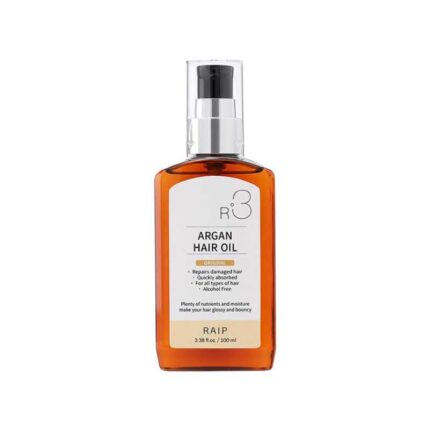 Sale
SaleOriginal price was: ৳ 1,200.00.৳ 840.00Current price is: ৳ 840.00.
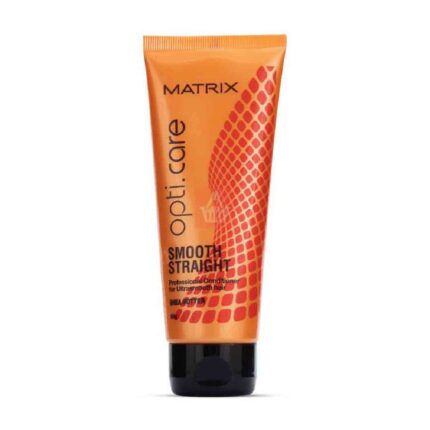 Sale
SaleOriginal price was: ৳ 800.00.৳ 650.00Current price is: ৳ 650.00.
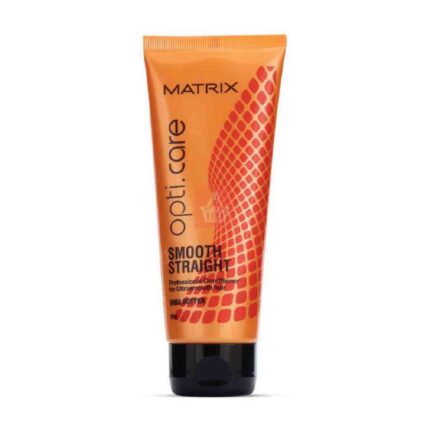 Sale
SaleOriginal price was: ৳ 850.00.৳ 650.00Current price is: ৳ 650.00.
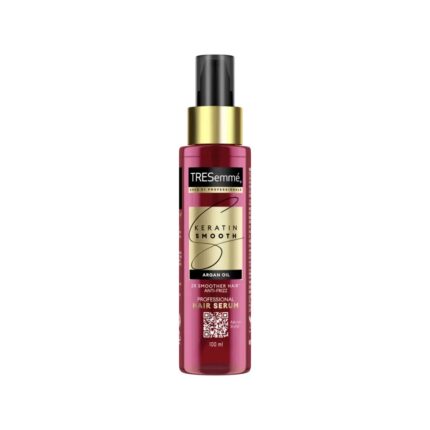 Sale
SaleOriginal price was: ৳ 1,000.00.৳ 870.00Current price is: ৳ 870.00.
Benefits for Hair and Skin
Keratin delivers visible benefits for hair and skin when used correctly. For hair, keratin smooths the cuticle, reduces frizz, and can lower breakage during brushing or heat styling. Many users report that keratin-treated hair looks shinier and feels stronger after regular use.
For skin, keratin supports the outer barrier and can help the surface look smoother. Dermatologists recommend gentle keratin-containing formulas for dry or rough patches because the protein helps reinforce the skin’s structure. Research indicates products with protein fragments can improve touch and tone over weeks of consistent use.
Keratin as a Hair and Skin Protein Ingredient
Some shoppers seek a “hair and skin protein ingredient” on labels when they want structural support. Keratin qualifies as that ingredient because it supplies the building blocks cells use for strength. That means products that list keratin may aim to restore resilience instead of just masking symptoms.
For example, shampoos with hydrolyzed keratin contain smaller protein pieces that enter hair surface layers. These fragments attract and bind to weak spots, which helps reduce immediate breakage. Over time, this approach can lead to a firmer, smoother feel in both hair strands and skin surfaces.
Types of Keratin Treatments and Products
Shoppers will find many options, from in-salon treatments to daily cleansers. Each product type delivers keratin differently and suits different needs. When choosing, consider hair type, scalp sensitivity, and the level of maintenance you want.
Salon Keratin Treatments
Salon keratin services apply higher-concentration formulas and heat to lock in the protein. These treatments can cut frizz dramatically and make hair easier to style for weeks. Still, salons often warn about temporary chemical effects and recommend follow-up care at home.
At-Home Keratin Serums and Masks
Home serums and masks offer targeted repair without high heat. Many products use hydrolyzed keratin to help damaged areas temporarily. When used weekly, these items can reduce breakage and improve manageability.
Keratin Shampoos and Conditioners
Shampoos with keratin clean while adding small protein fragments to the hair surface. Conditioners deposit moisture and help seal cuticle edges for a smoother finish. Regular use tends to maintain the benefits from deeper treatments or salon work.
How Keratin Works on Different Hair Types
Curly and straight hair respond to keratin in different ways. For example, keratin can relax curl pattern slightly when paired with smoothing agents during salon procedures. That means people with tight curls should discuss goals with a stylist before choosing a smoothing service.
Fine hair benefits from light keratin products that add strength without weighing strands down. Conversely, thick or coarse hair can tolerate richer serums and masks that deliver more noticeable smoothing. Therefore matching product weight to hair density improves results.
Choosing Keratin Products: What to Look For
When shopping, check the ingredient list and concentration claims. Products that name hydrolyzed keratin or keratin peptides typically contain smaller fragments that bond to hair. That means they often work faster than full-size protein molecules.
Because some keratin treatments include strong chemicals, look for labels that explain formaldehyde-free processes. Studies and consumer reports stress that low-chemical formulas lower risk of irritation. That is why many shoppers prefer mild keratin lines for regular use.
Keratin as a Strengthening Compound
Cosmetic brands often call keratin a “strengthening compound” because it reinforces hair structure. That term fits the way protein fragments fill thin spots and form a protective layer. Users notice less snapping when styling and less visible damage after repeated treatments.
Since hair composition relies on proteins, adding keratin targets the underlying cause of weak strands. For example, protein loss from chemical or heat damage creates holes in the fiber. Keratin can help mask and mend those holes for improved tensile strength.
How to Use Keratin at Home: Routine Tips
Start with a gentle keratin shampoo and follow with a matching conditioner for best effect. Use a keratin mask once a week if your hair shows breakage or roughness. That routine supports repair while avoiding buildup on the scalp.
When styling, apply a leave-in keratin serum to damp hair before blow-drying. Heat can help set the protein fragments in place, which increases lasting smoothness. Still, protect hair with a heat shield and avoid daily high-temperature styling.
Safety, Side Effects, and Who Should Avoid Keratin
Most keratin products pose low risk when used as directed. However, some salon smoothing systems contain strong chemicals that can irritate the eyes or lungs. Because of that, people with respiratory issues should avoid treatments that release gases during application.
Dermatologists recommend testing a small skin patch for any new keratin product. That step reduces the chance of allergic reaction or scalp sensitivity. If irritation appears, stop use and consult a healthcare provider.
Keratin and Color-Treated Hair
Keratin treatments can affect hair color results, but outcomes vary by method. Certain salon processes lock in protein with heat, which may slightly alter dye placement. Because of this, many colorists advise coloring after keratin smoothing to achieve accurate tone.
At-home keratin conditioners usually do not change color, though they may enhance shine that makes color appear richer. If you want both color and a smoothing service, ask your stylist which order gives the best long-term finish.
Ingredients That Pair Well with Keratin
Some ingredients boost the effect of keratin without adding harm. For example, lightweight oils like argan or jojoba add slip and moisture. That combination helps keratin seal cuticles while preventing dryness and frizz.
Protein balance matters, so combine keratin with moisturizing agents in your routine. Too much protein can make hair stiff, while too much moisture can leave it limp. Alternating a protein-rich mask with a hydrating treatment keeps balance and improves resilience.
Myths and Facts About Keratin
Myth: Keratin permanently straightens hair. Fact: Most keratin smoothing is temporary and fades with washing. Treatments relax texture, but hair returns to its natural pattern over months as new growth appears.
Myth: Keratin always weakens hair. Fact: Properly formulated keratin products strengthen hair by filling weak spots. Research indicates that appropriate protein replenishment reduces breakage in damaged strands.
Buying Guide: How to Compare Keratin Products
Compare labels for hydrolyzed keratin, concentration cues, and supporting ingredients. Price can reflect quality, but reading ingredients gives better insight than cost alone. Also read product directions to match routines to your hair type.
For sensitive scalps, pick fragrance-free and low-chemical options. Many brands now market formaldehyde-free keratin smoothing services. That means you can achieve smoother hair while lowering risk of irritation.
Environmental and Ethical Considerations
Not all keratin comes from the same source, and sourcing practices vary. Some products use animal-derived keratin, while others use plant-based or synthetic peptides. If ethical sourcing matters, look for explicit labeling on the package.
Brands that state sustainable or cruelty-free practices help shoppers make responsible choices. That is why many consumers check certifications and company policies before buying. Studies show informed shoppers tend to prefer transparent brands.
Costs and Expected Results
Salon keratin services often cost more but give faster, more dramatic results. At-home options cost less and provide steady maintenance over time. Compare expected duration and maintenance needs to decide which choice fits your budget and schedule.
Keep realistic expectations: keratin improves strength and smoothness, but it does not restore hair to an untreated state in a single use. Regular care and protective styling help maintain the benefits longer.
When to See a Professional
If you plan a chemical smoothing service, consult a licensed stylist first. Professionals can assess hair health and recommend the safest protocol. They also test for compatibility with previous color or relaxer treatments.
Seek medical advice if you experience severe scalp irritation or allergic reactions after use. A dermatologist can identify sensitivities and advise on alternatives. That is especially true for people with chronic skin conditions.
Frequently Asked Questions
Is keratin safe for all hair types?
Most keratin products suit many hair types, but results vary. Fine hair benefits from lighter formulas, while thick hair tolerates richer treatments. Always patch-test new products and consult a stylist for salon procedures.
How long do keratin treatment results last?
Results depend on the product and care routine and typically last weeks to months. Salon smoothing can last two to four months with proper maintenance. At-home options need regular use to maintain results.
Can keratin repair chemically damaged hair?
Keratin can help mend and mask damage by filling weak areas in the hair shaft. It reduces breakage and improves appearance, but it cannot replace lost natural protein indefinitely. Combine protein treatments with moisture and gentle styling for best recovery.
Will keratin affect my hair color?
Keratin conditioners usually do not change color, but some salon treatments may alter dye results. Colorists often recommend timing color services to avoid unexpected shifts. Ask your stylist which order protects your chosen shade.
Final Thoughts
Keratin provides real benefits as a strengthening protein for hair and skin when chosen and used correctly. For best outcomes, match product type to your hair texture and follow a balanced routine that pairs protein with moisture. Try a mild keratin product first, then increase strength or visit a professional if you need deeper repair.