
Kaolin: Benefits, Uses, and Buying Tips

Shiny skin, clogged pores, and confusing clay labels can make shopping feel harder than it should. Kaolin offers a gentle way to manage excess oil without leaving skin feeling stripped. Because it appears in masks, cleansers, powders, and hair products, knowing how it works helps you buy smarter.
What Is Kaolin?
Kaolin is a soft, fine clay that comes from rocks rich in feldspar. Over time, water and weather break those rocks down into a mineral called kaolinite. Research identifies kaolinite as a layered aluminosilicate, which means it contains aluminum, silicon, and oxygen in flat sheets.
Because the clay often looks white or pale, many shoppers know it as white clay or china clay. However, natural deposits can also look cream, pink, yellow, or light gray. Those colors usually come from small amounts of iron or other minerals in the clay.
Why It Feels Different From Other Clays
Kaolin feels smoother than many stronger clays, so brands often choose it for sensitive or balanced skin products. Bentonite and some green clays can feel more drying, especially on cheeks. That is why Kaolin often appears in formulas that aim for comfort and oil control.
Studies show that clay minerals can bind oils, dirt, and some surface residue through adsorption. Adsorption means material sticks to the outside of a particle. This differs from absorption, where material moves into a structure like water entering a sponge.
Where Shoppers See It
When you read beauty labels, you may see Kaolin in masks, cream cleansers, dry shampoos, powders, and scalp scrubs. Some tooth powders and deodorants also include it for texture and moisture control. Cosmetic chemists value its smooth feel, pale color, and ability to improve spread.
Although Kaolin sounds like a specialty ingredient, it has a long history in ceramics, paper, and medicine. Beauty brands use cosmetic grades that meet purity standards for skin products. Still, shoppers should check the full formula, since the clay works with many other ingredients.
Recommended Products
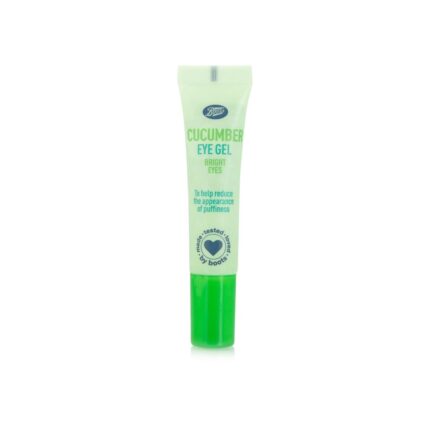 Sale
SaleOriginal price was: ৳ 700.00.৳ 550.00Current price is: ৳ 550.00.
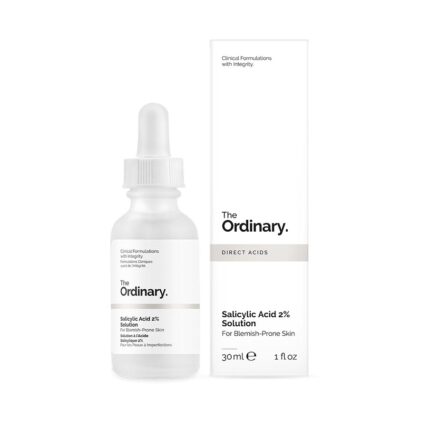 Sale
SaleOriginal price was: ৳ 2,000.00.৳ 1,490.00Current price is: ৳ 1,490.00.
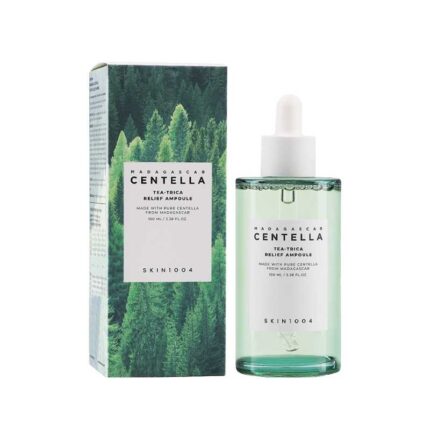 Sale
SaleOriginal price was: ৳ 3,120.00.৳ 2,184.00Current price is: ৳ 2,184.00.
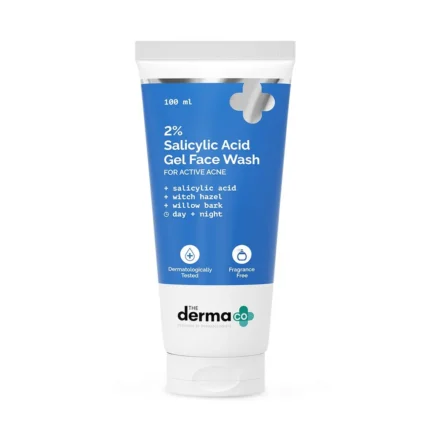 Sale
SaleOriginal price was: ৳ 1,100.00.৳ 790.00Current price is: ৳ 790.00.
How Kaolin Works as a Clay Cleansing Ingredient
Kaolin works best on the surface of the skin. Its fine particles help lift excess oil, sweat, and loose debris during rinsing. Because it does not need harsh scrubbing, it can support a gentle cleansing routine.
Many formulas treat Kaolin as a clay cleansing ingredient because it adds a mild polishing effect. The particles can make a cleanser feel creamy and slightly cushiony. As a result, some people enjoy a cleaner finish without the tight feeling that strong foaming products can cause.
Oil Adsorption on the Skin
Sebum is the oily mix that your skin makes to protect itself. When skin makes too much sebum, pores can look more obvious. Kaolin helps reduce surface shine by holding some of that extra oil on the clay particles.
Dermatologists often explain that oil control should not mean removing every trace of oil. Skin needs some sebum for barrier comfort. This means a mild clay can help oily areas while still keeping the routine balanced.
Gentle Physical Cleansing
Kaolin can give a cleanser or mask a soft slip. That texture helps spread the product over the skin without dragging. However, pressure matters, since hard rubbing can irritate even when the clay feels smooth.
Research indicates that particle size affects skin feel and cleansing strength. Finer particles usually feel softer than gritty particles. For this reason, well-made cosmetic Kaolin products should feel smooth, not sandy or sharp.
Support for a Fresher Finish
When you rinse a Kaolin product well, skin often feels less greasy and more even. The effect usually looks temporary, since your skin keeps making oil. Still, regular use can help oily zones look calmer during the week.
Because it works on surface oil, Kaolin does not change hormones or oil gland size. Claims that any clay can permanently shrink pores go too far. Pores may look smaller only when less oil and debris sit around them.
Key Benefits of Kaolin for Skin
Kaolin offers several practical benefits for online shoppers who want clear, simple product choices. It can reduce shine, improve product texture, and support a clean feel. Yet it usually feels milder than many intense clay masks.
Dermatologists recommend matching clay strength to skin type. Oily skin can often tolerate stronger formulas, while dry skin needs more cushion. This is where Kaolin earns attention, since it suits many routines when brands balance it well.
Helps Control Surface Oil
Kaolin can act like an oil control compound in masks and powders. Brands use that phrase to describe ingredients that help manage shine. In practice, the clay gathers excess surface oil and helps leave a more matte look.
For example, a Kaolin mask can help a shiny forehead look less slick before makeup. A setting powder with the clay can also soften glare in photos. However, very dry skin may need a richer moisturizer underneath.
Supports Pores That Look Clearer
Clogged pores often contain oil, dead cells, and product residue. When a mask loosens surface buildup, pores may look cleaner. Kaolin can support that effect without the aggressive feel of rough scrubs.
Research on acne care often highlights gentle cleansing and barrier support. Harsh routines can worsen redness and dryness, which may make breakouts look more obvious. So, a mild clay product can fit well beside proven acne ingredients.
Can Improve Skin Texture
Texture often comes from dryness, buildup, oil, or uneven shedding. Kaolin can help remove some surface residue that makes skin feel dull. As a result, skin may feel smoother after a rinse-off mask.
Still, Kaolin does not replace acids, retinoids, or daily sunscreen in a texture routine. Those products target different causes, like uneven cell turnover or sun damage. Think of the clay as a support step, not the whole plan.
May Feel Comfortable for Sensitive Skin
Many shoppers with sensitive skin avoid clay because they fear tightness. Kaolin often feels less intense than swelling clays, so it can offer a softer option. Although sensitive skin varies, simple formulas can work well for cautious users.
Dermatologists often advise patch testing new products on a small area first. This habit helps you spot stinging, itching, or redness early. Since fragrance and acids can cause issues, check more than the clay name.
Kaolin for Different Skin Types
Kaolin can fit many skin types, but the best formula depends on the whole product. A clay mask with alcohol can feel very different from one with glycerin. Because shoppers compare finished products, the ingredient list matters as much as the clay.
Skin type can also change with weather, age, stress, and treatments. For example, oily skin can become dehydrated after strong acne care. That is why you should adjust how often you use Kaolin through the year.
Oily Skin
Oily skin often shows shine on the forehead, nose, and chin. Kaolin can help manage this surface oil without a harsh scrub. Many shoppers use a rinse-off mask once or twice a week for a cleaner look.
Because oily skin can still become irritated, avoid stacking too many drying steps. A clay cleanser, salicylic acid toner, and matte moisturizer may feel like too much. Instead, choose one main oil-control step and watch your skin.
Combination Skin
Combination skin needs balance because the T-zone acts differently from the cheeks. Kaolin works well as a spot mask on oily areas. You can apply it only where shine appears, while leaving drier areas alone.
This targeted method helps reduce the risk of tight cheeks. It also makes one product more flexible. For example, use a clay mask on the nose, then use a hydrating mask on the cheeks.
Dry or Dehydrated Skin
Dry skin lacks enough oil, while dehydrated skin lacks water. Kaolin can still work for some dry users when the formula includes humectants. Humectants, such as glycerin, help draw water into the outer skin layer.
However, dry skin should avoid long mask times. Letting any clay fully crack can make skin feel tight. A short contact time and a rich moisturizer after rinsing can reduce discomfort.
Sensitive or Reactive Skin
Sensitive skin reacts quickly to fragrance, heat, acids, or friction. Kaolin may suit this skin type when the product stays simple. Look for formulas with soothing ingredients and few perfume notes.
Although Kaolin itself often feels mild, every product can irritate someone. Patch testing gives you useful feedback before full-face use. Stop using the product if burning or swelling appears.
How to Use Kaolin Products Correctly
Kaolin products work best when you use them with care. More clay does not always mean better results. Since the skin barrier needs balance, short and steady use often beats aggressive routines.
Dermatologists often suggest watching how skin feels after cleansing. Comfortable skin should not feel hot, raw, or painfully tight. If a Kaolin product leaves that feeling, reduce frequency or choose a gentler formula.
Using a Kaolin Mask
Start with clean, slightly damp skin. Spread a thin, even layer over oily or congested areas. When the mask starts to feel set, rinse before it becomes fully dry and cracked.
Many brands suggest five to ten minutes for clay masks. Follow the product label, since formulas differ. After rinsing, use a light moisturizer to help the skin barrier stay calm.
Using a Kaolin Cleanser
A Kaolin cleanser can work as a morning wash or second cleanse. Massage it gently with wet fingertips for a short time. Then rinse well, especially around the nose and jaw.
Because cleansers stay on the skin briefly, they usually feel less drying than masks. Still, a strong formula can irritate if you scrub hard. Let the cleanser do the work instead of using pressure.
Using Kaolin Powder
Some shoppers buy loose Kaolin powder for DIY masks. This route gives control, but it also needs caution. Use cosmetic-grade powder, and avoid breathing in dust during mixing.
Mixing powder with water, aloe, or a bland hydrating base can create a simple mask. However, do not add lemon juice or harsh kitchen acids. Those can disrupt skin and cause stinging.
Aftercare Matters
After any Kaolin product, skin needs moisture and sun-smart care. A basic moisturizer helps replace comfort after oil removal. During the day, sunscreen protects texture and tone from UV damage.
When skin feels tight, apply moisturizer while it still feels slightly damp. This helps trap water on the surface. If redness lasts, skip clay products until your skin feels normal.
Product Types That Contain Kaolin
Kaolin appears in more products than many shoppers expect. It can change texture, reduce shine, and improve how a formula spreads. Since each product type works differently, match the format to your goal.
Cosmetic ingredient labels often list the material by its INCI name, Kaolin. INCI means International Nomenclature of Cosmetic Ingredients. This naming system helps shoppers identify the same ingredient across many brands.
Face Masks
Face masks provide the most direct clay contact. They can help oily zones look fresher after one use. Many formulas pair Kaolin with humectants, botanical extracts, or other clays for a balanced feel.
However, a mask can become too strong if it includes drying alcohols or heavy fragrance. Check the first several ingredients for clues about texture. Water, glycerin, and soothing agents often suggest a softer mask base.
Cleansers and Scrubs
Cleansers with Kaolin can suit shoppers who want a clean feel without high foam. The clay can thicken the product and create a creamy glide. Some formulas also include mild surfactants, which are cleansing agents that lift oil and dirt.
Scrubs need extra care because friction can damage the skin barrier. If a Kaolin scrub feels gritty, use very light pressure. Better yet, choose a smooth clay cleanser when your skin feels sensitive.
Setting Powders and Makeup
Makeup brands use Kaolin to reduce shine and improve wear. The clay can help powders sit smoothly on oily areas. As a result, foundation may look less greasy during the day.
Still, powders with too much oil control can make dry patches stand out. Apply a small amount first, then build only where needed. A fluffy brush often gives a softer finish than a dense puff.
Hair and Scalp Products
Kaolin also appears in dry shampoos, scalp masks, and styling powders. It can absorb oil at the roots and add a light, matte texture. This can help fine hair look fresher between washes.
When using scalp products, rinse well if the formula needs removal. Product buildup can make hair feel dull or heavy. If your scalp itches, reduce use or choose a fragrance-free option.
How to Choose the Best Kaolin Product
Online shopping makes ingredient research easy, yet it can also create confusion. Many products call themselves gentle, pure, or detoxifying. Because those words lack strict meaning, check the formula and usage directions.
Studies on skin care habits show that irritation often comes from overuse and product stacking. A good Kaolin product should fit your routine, not fight it. The best choice depends on skin type, goals, and tolerance.
Read the Full Ingredient List
Look for Kaolin near the top if you want strong clay action. If it appears near the bottom, the product may offer more texture than oil control. That can still work well in cleansers or makeup.
Also check for fragrance, essential oils, drying alcohols, and strong acids. These can change how gentle the product feels. When your skin reacts often, shorter ingredient lists can help reduce guesswork.
Match the Formula to Your Goal
Choose a mask if shine and clogged-looking pores concern you most. Pick a cleanser if you want mild daily freshness. Select a powder if you need makeup that looks less oily.
For example, an oily T-zone may benefit from a weekly mask and a light setting powder. A dry face may only need occasional spot use. This means you do not need every Kaolin product in one routine.
Check Texture and Rinse-Off Feel
Reviews can help you learn whether a product feels smooth, gritty, creamy, or tight. Texture matters because rough products can cause redness. Many experienced shoppers look for comments about rinsing and after-feel.
When a formula leaves a film, it may contain rich emollients or waxes. That can suit dry skin but annoy oily skin. If a mask rinses too squeaky clean, it may need less contact time.
Look for Useful Supporting Ingredients
Kaolin pairs well with glycerin, panthenol, aloe, and niacinamide in many skin products. Panthenol supports comfort, while niacinamide helps with tone and barrier care. These ingredients can make a clay formula feel less harsh.
Oily or breakout-prone shoppers may like salicylic acid in some clay products. Salicylic acid helps clear oil inside pores. However, use it carefully, since too many active ingredients can dry the skin.
Safety, Side Effects, and Common Mistakes
Kaolin has a long record of use in cosmetics, but safe use still matters. Cosmetic-grade clay should meet quality standards for skin contact. Since powders can create dust, careful handling helps protect your lungs.
Medical and cosmetic safety groups often warn against inhaling fine mineral powders. This matters most with loose powders, not wet masks. Open containers slowly, and mix powders away from fans.
Possible Dryness or Tightness
The most common issue with Kaolin products is dryness. This happens when a product removes more oil than your skin can spare. You may notice tightness, flaking, or a dull look after use.
When this happens, use the product less often. You can also apply it only to oily zones. A moisturizer with ceramides can help support the skin barrier after clay use.
Possible Irritation From the Full Formula
Sometimes the clay gets blamed when another ingredient causes the problem. Fragrance, menthol, strong acids, or rough particles can trigger stinging. Read the full label before deciding that Kaolin does not suit you.
Because skin reactions vary, patch testing remains a smart habit. Apply a small amount near the jaw or inner arm. Wait and watch for redness, itching, or burning before wider use.
Using Clay Too Often
Many shoppers overuse clay after seeing quick shine control. Yet skin can respond with dryness and extra irritation. More frequent use does not always create clearer skin.
Start with once weekly if you feel unsure. Then increase only if your skin stays comfortable. If you use acne treatments, keep clay use modest until you know your limits.
Letting Masks Crack Fully
A fully cracked clay mask may look satisfying, but it can feel harsh. As water leaves the mask, your skin may feel pulled. Rinsing before that stage often gives a better result.
Keep the mask slightly flexible on the face. If needed, mist lightly or shorten the wait time. Comfort is a better guide than a dramatic dry-down.
Kaolin Myths Shoppers Should Ignore
Kaolin gets praised often, but some claims can mislead shoppers. A good ingredient still has limits. Because skin care works best with realistic expectations, know what the clay can and cannot do.
Research supports clay minerals for surface oil management and texture benefits. However, no rinse-off clay can replace medical care for severe acne, eczema, or infection. Seek professional help for painful or lasting skin problems.
Myth: Kaolin Detoxes the Skin
The word detox sounds impressive, but skin does not need a clay detox. Your liver, kidneys, and skin barrier already handle waste in specific ways. Kaolin mainly helps lift surface oil and residue.
Brands may use detox to describe a fresh, clean feeling. That wording can be fine as marketing, but it should not guide your expectations. Focus on oil control, comfort, and visible texture instead.
Myth: Kaolin Shrinks Pores
Pore size depends on genetics, oil flow, age, and skin structure. Kaolin cannot change those factors permanently. It can make pores look cleaner, which may make them seem smaller for a while.
For longer-term pore appearance, sunscreen, retinoids, and gentle cleansing matter more. Those steps support collagen and reduce buildup over time. Clay can still help as a weekly support product.
Myth: Natural Means Risk-Free
Kaolin comes from the earth, but natural ingredients can still irritate skin. Purity, particle size, and the full formula all matter. A natural label does not guarantee a gentle experience.
Still, many people tolerate Kaolin well when they choose quality products. The key is careful use and realistic frequency. If a product hurts, rinse it off and stop using it.
Kaolin in Clean Beauty and Sustainability
Many shoppers connect Kaolin with clean beauty because it sounds simple and mineral based. The ingredient can fit minimalist formulas, but clean beauty has no single legal definition. This means every brand may use the term differently.
Mining also affects land, water, and local communities when companies manage it poorly. Responsible brands should care about sourcing, worker safety, and quality checks. While shoppers may not see every detail, brand transparency can guide better choices.
What Clean Beauty Claims Really Mean
A clean label may suggest fewer controversial ingredients, but it does not prove safety. Kaolin can appear in both simple and complex formulas. The full ingredient list tells you more than a front-label claim.
Because sensitive shoppers often prefer fewer triggers, clean-style formulas may still help. Look for fragrance-free options if your skin reacts easily. Also check whether the product explains its testing standards clearly.
Why Sourcing Matters
Kaolin deposits occur in many parts of the world, and quality can vary. Cosmetic brands should test raw materials for unwanted contaminants. This matters because mineral ingredients come from natural deposits.
When a brand shares sourcing or quality information, shoppers gain confidence. Clear batch testing, cosmetic-grade claims, and responsible packaging can signal care. However, vague green language should not replace useful details.
Packaging and Waste
Clay masks often come in jars, tubes, or sachets. Jars can last longer, while single-use sachets create more waste. Powders may reduce water weight during shipping, but they need careful dust handling.
If sustainability matters to you, choose products you will finish. A half-used jar that dries out wastes money and materials. Simple routines often create less waste than crowded shelves.
How Kaolin Compares With Other Clays
Kaolin belongs to a larger group of beauty clays, and each clay has a different feel. Some clays absorb more oil, while others add minerals or color. Knowing the differences helps you avoid buying the wrong mask.
Mineralogists classify clays by their structure and behavior with water. Some swell when wet, while Kaolin swells very little. This lower swelling helps explain its smoother, less dramatic feel on skin.
Kaolin vs Bentonite
Bentonite often comes from volcanic ash deposits and can swell strongly in water. Many oily skin users like its strong oil-grabbing feel. However, it may feel too tight for dry or sensitive skin.
Kaolin usually feels milder and creamier in rinse-off products. It may not create the same deep matte finish as bentonite. Still, that softer action can make it easier to use regularly.
Kaolin vs French Green Clay
French green clay often gets its color from minerals and plant matter traces. It can feel more active and drying than white clay. Oily and resilient skin types may enjoy that stronger finish.
Kaolin suits shoppers who want a cleaner feel with less risk of tightness. It also blends well into pale creams and powders. That makes it common in products where color and texture matter.
Kaolin vs Rhassoul Clay
Rhassoul clay comes from Morocco and often appears in hair and body care. Many users like its slip and mineral-rich feel. It can work well in scalp masks and gentle body cleansers.
Kaolin feels finer in many facial formulas and often looks lighter. It can suit makeup powders better because of its pale color. The best choice depends on your skin, hair, and product texture preference.
Shopping Checklist for Kaolin Products
Buying a Kaolin product becomes easier when you know what to check. A strong product page should explain skin type, directions, and expected feel. Since photos cannot show everything, ingredient and review details matter.
Consumer research shows that shoppers often rely on reviews when buying skin care online. Reviews can help, but they work best when you compare reviewers with your skin type. A dry-skin review may not fit an oily-skin concern.
Before You Buy
- Check whether Kaolin appears near the top or lower in the ingredient list.
- Choose a product format that matches your goal, such as a mask, cleanser, or powder.
- Look for hydrating support if your skin feels dry, tight, or easily irritated.
- Avoid strong fragrance if your skin often reacts to scented products.
- Read directions for contact time, since long wear can increase dryness.
When Your Order Arrives
- Inspect the seal, texture, and smell before applying the product to your face.
- Patch test a small area before full use, especially with masks and powders.
- Start with less time than the label allows if your skin feels sensitive.
- Rinse gently with lukewarm water, then apply moisturizer while skin feels damp.
- Track shine, comfort, and redness over several uses before judging results.
Signs You Picked the Right Product
The right Kaolin product should leave skin feeling clean, not raw. Shine may look softer, and pores may appear less congested. Makeup may also sit better when oil looks more controlled.
However, the wrong product may sting, crack, or leave flaky patches. Stop using it if discomfort lasts beyond a short rinse. Skin care should support your skin, not make it harder to manage.
Frequently Asked Questions
Is Kaolin good for oily skin?
Yes, Kaolin can help oily skin by reducing surface shine and lifting excess sebum. It works best as a mask, cleanser, or powder used in a balanced routine.
Can I use Kaolin every day?
Some gentle Kaolin cleansers may suit daily use, but masks usually work better once or twice weekly. If your skin feels tight or dry, use it less often.
Does Kaolin help acne?
Kaolin can support acne-prone routines by removing surface oil and debris. However, it does not replace proven acne treatments or medical advice for painful breakouts.
Is Kaolin safe for sensitive skin?
Kaolin often feels milder than many stronger clays, so sensitive skin may tolerate it. Still, patch test first and avoid formulas with fragrance or harsh actives.
Final Thoughts
Kaolin is a gentle, practical clay that can help control shine, support cleansing, and improve product texture. Because results depend on the full formula, choose products that match your skin type and comfort level. Start with a simple Kaolin product once weekly, then adjust based on how your skin feels.