
JR-LM1 Lavalier Microphone Review & Buying Guide

The JR-LM1 Lavalier Microphone offers an affordable, compact option for creators, interviewers, and presenters. This guide gives a clear jr-lm1 lavalier microphone review, covers specs and features, and helps you decide if it fits your kit. Read practical comparisons and buying tips to match the mic to your needs quickly.
JR-LM1 Lavalier Microphone Features and Specs
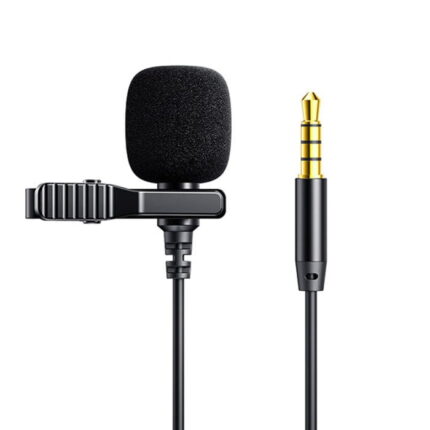
The JR-LM1 lavalier microphone features a compact omnidirectional capsule, a clip, and a long cable. It typically ships with a foam windscreen and a 3.5mm TRS connector. Many models include an adapter for TRRS devices and a small carrying pouch. The jr-lm1 lavalier microphone specs commonly list a frequency response around 50 Hz–18 kHz, a sensitivity near -42 dB, and an impedance in the low hundreds of ohms. These specs suit spoken voice and on-camera use.
- Omnidirectional polar pattern for consistent capture
- 3.5mm plug with adapter options for phones and cameras
- Lightweight design with secure clothing clip
- Included windscreen and pouch for field use
Recommended Products


Sound Quality and Real-World Performance
Sound quality defines any mic’s value. The JR-LM1 produces clear, natural voice reproduction at close range. It captures midrange detail effectively. Low end can feel thin on deep voices. You can remedy this with a small EQ boost below 120 Hz during post. The omnidirectional pickup reduces position sensitivity. That trait helps when subjects move their head. It also picks up more room tone than a cardioid lavalier. For noisy environments, consider adding a discreet foam windscreen and testing placement.
Compatibility: Cameras, Phones, and Recorders
The JR-LM1 works with DSLRs, mirrorless cameras, and portable audio recorders that accept 3.5mm TRS input. With the TRRS adapter, it connects to many smartphones and tablets for mobile interviews. Some phones require a TRRS to lightning or USB-C adapter. Always test the mic with your device before a shoot. Confirm plug wiring and any necessary adapter to avoid no-signal issues.
JR-LM1 Lavalier Microphone Price and Value
Price often determines the choice for casual creators and budget studios. The jr-lm1 lavalier microphone price sits in the budget segment. Expect a lower cost than pro-grade lavaliers. That price makes it a sensible backup mic or starter option. Compare included accessories and warranty to judge value. If you need ultra-low noise or broadcast-grade clarity, invest more. For interviews, vlogs, and teaching videos, the JR-LM1 delivers solid value for the cost.
Practical Use Cases and Best Applications
Use the JR-LM1 for interviews, online classes, live streams, and corporate videos. It works well on-camera for single presenters. Podcasters can use it as a clip-on mic for remote guests. Field reporters will appreciate the lightweight build and simple connectivity. When you need discreet audio capture on a budget, the JR-LM1 serves reliably. For multi-person setups, use separate recorders or an audio interface with multiple inputs.
Comparing the JR-LM1 to Alternatives
Many lavaliers target similar buyers. Compare noise floor, cable quality, and connector options. Some rival mics offer a locking connector or higher sensitivity. Others include jumpers or removable cables for faster setup. The JR-LM1 stands out for affordability and straightforward setup. If you seek the best jr-lm1 lavalier microphone experiences, check user audio samples online. Pay attention to real-world recordings rather than marketing claims.
Installation and Placement Tips
Proper placement improves clarity and reduces handling noise. Place the mic 6–8 inches below the chin, centered on the shirt. Clip it to a seam or tie to keep it stable. Tape the cable under clothing to limit rustling. Use the foam windscreen outdoors to reduce wind plosives. Test levels on your recorder or camera. Ask the speaker to speak naturally and check for breath noises. Small placement changes can yield large improvements.
Accessories to Consider with the JR-LM1
Accessories add versatility and protect your investment. Consider a foam windshield, spare clip, and a cable organizer. If you use smartphones, buy a high-quality TRRS adapter or a dedicated mobile interface. For noisy environments, a small portable recorder with a low-noise preamp can improve fidelity. A carry case prevents tangles and keeps the mic safe between shoots.
JR-LM1 Lavalier Microphone Buying Guide
Follow a few clear steps to pick the right JR-LM1 or a similar option. First, confirm compatibility with your device. Second, test the mic for your primary recording environment. Third, check included accessories and return policies. Fourth, read multiple jr-lm1 lavalier microphone review sources, including hands-on tests and user feedback. Fifth, compare price against features you actually need. This jr-lm1 lavalier microphone buying guide helps you avoid common mistakes and choose a setup that lasts.
- Check plug type: TRS for cameras, TRRS for phones
- Look for a low-noise preamp in your recorder or camera
- Test the mic with sample recordings before critical shoots
- Buy extra windscreens if you record outdoors frequently
Maintenance and Troubleshooting
Keep the JR-LM1 clean and dry. Wipe the capsule gently with a soft cloth. Avoid strong cleaners. Store the mic in its pouch to prevent cable damage. If you hear intermittent signal, check the connector and the cable for breaks. Swap adapters to isolate connection issues. Replace the clip if it loosens. For persistent noise, test another mic to confirm the source is not the recorder or camera.
Pros and Cons at a Glance
Weigh strengths and limitations to make an informed purchase. The JR-LM1 performs well for its price point. It offers easy setup and decent sound for speech. The mic is not a broadcast-level unit, so it cannot match high-end models in noise floor or detail. For most creators, it hits a sweet spot between cost and performance.
- Pros: affordable, lightweight, clear voice capture
- Cons: limited low-end response, picks up room sound, not studio-grade
Frequently Asked Questions
What devices work with the JR-LM1 Lavalier Microphone?
The JR-LM1 works with cameras and recorders that accept a 3.5mm TRS input. Use a TRRS adapter for smartphones. Some phones need a lightning or USB-C adapter as well. Always test cable compatibility before a shoot.
How does the JR-LM1 compare to pricier lavaliers?
The JR-LM1 delivers clear voice capture but lacks the low noise and extended frequency response of pro lavaliers. Pricier models give tighter directionality, lower self-noise, and better build quality. Choose the JR-LM1 for budget-conscious projects and as a reliable backup mic.
Can I use the JR-LM1 for podcasting?
Yes. The JR-LM1 suits podcast hosts and guests who need an easy clip-on option. For multi-person shows, pair the mic with a mixer or multi-input recorder. Use post-processing to tighten dynamics and reduce room tone.
What is the jr-lm1 lavalier microphone price range?
The jr-lm1 lavalier microphone price typically falls in the budget category. Expect lower prices than professional lavaliers. Prices vary by retailer and included accessories. Shop sales and read package details to compare true value.
Does the JR-LM1 need power?
No external power is required for the JR-LM1 when used with camera or smartphone inputs that provide plug-in power. Some recorders supply plug-in power; others do not. Check your device’s specifications before use.
Conclusion
The JR-LM1 Lavalier Microphone offers a practical balance of cost, portability, and clear vocal capture. Use this jr-lm1 lavalier microphone review and buying guide to match the mic to your workflow. For interviews, vlogging, and basic production, the JR-LM1 can serve reliably. Compare specs, test compatibility, and evaluate price to make the best purchase for your needs.