
Hydroxypropyl Methylcellulose: Uses, Safety, Skin Benefits

Have you ever wondered why some lotions feel smooth while others feel thin or uneven? Hydroxypropyl Methylcellulose appears in many personal care items to improve texture and hold ingredients together. Many shoppers choose products with this ingredient for its predictable feel and performance.
What is Hydroxypropyl Methylcellulose?
Hydroxypropyl Methylcellulose is a modified cellulose derived from plant fiber. As a cellulose polymer ingredient, it offers thickening and film-forming properties for creams and gels. Manufacturers use it to control viscosity and to create a stable product feel.
Studies show cellulose-derived thickeners deliver consistent texture without strong irritation in most users. Because it comes from a common plant source, many brands label it under familiar chemistry terms. That helps shoppers compare formulas across products.
Research indicates Hydroxypropyl Methylcellulose dissolves in water to form a clear gel. This means it can improve the look and spread of water-based products. People often notice smoother application when this ingredient is present.
Recommended Products
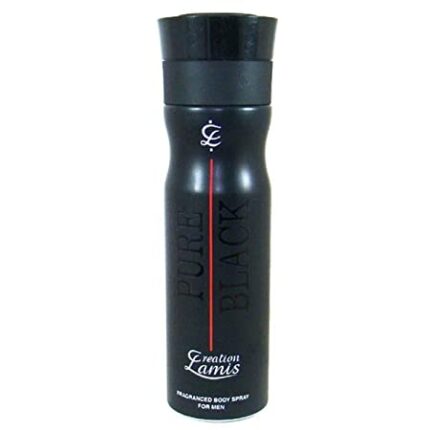 Sale
SaleOriginal price was: ৳ 800.00.৳ 690.00Current price is: ৳ 690.00.
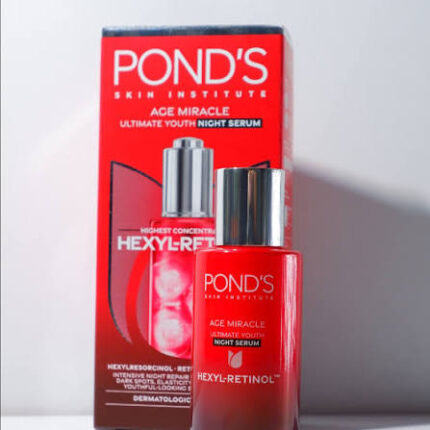 Sale
SaleOriginal price was: ৳ 2,000.00.৳ 1,950.00Current price is: ৳ 1,950.00.
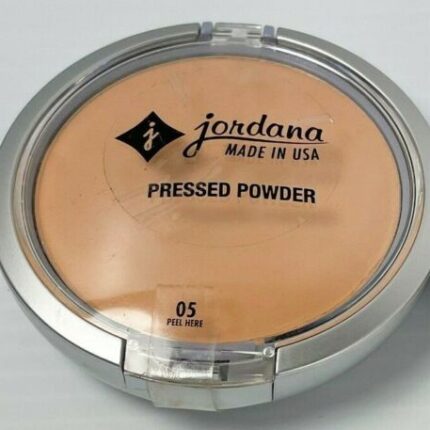 Sale
SaleOriginal price was: ৳ 720.00.৳ 650.00Current price is: ৳ 650.00.
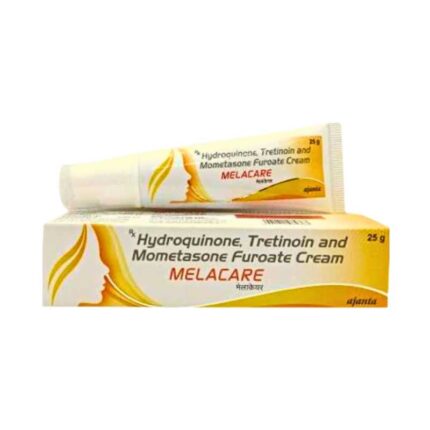
How Hydroxypropyl Methylcellulose works in formulations
Hydroxypropyl Methylcellulose acts like a mesh in a liquid to trap water and slow flow. This action thickens the product and prevents ingredient separation. As a result, creams and gels hold together better on the shelf and during use.
When mixed into formulas, it forms a uniform gel that reduces dripping and improves spread. For example, a shampoo with this compound often feels more substantial and easier to distribute. That means less waste with each use.
Dermatologists recommend stabilizers that do not disturb skin barrier lipids. Hydroxypropyl Methylcellulose works without adding strong solvents or harsh surfactants. Therefore many sensitive-skin products include it for gentle consistency.
Benefits for skincare and hair
Hydroxypropyl Methylcellulose delivers a smooth, even texture that consumers enjoy. Many users report that creams feel less greasy and more balanced with its presence. That makes it useful in daily moisturizers and lightweight serums.
Because this ingredient forms films, it can help products stay in place on skin and hair. This film can reduce tackiness and increase perceived hydration. As a stabilizing skincare compound, it helps formulas keep active ingredients suspended for better delivery.
Studies show products with Hydroxypropyl Methylcellulose often provide improved product aesthetics. That includes creaminess, sheen, and an even finish after application. These qualities matter when shoppers evaluate feel and finish.
Safety and allergy considerations
Hydroxypropyl Methylcellulose has a long safety record in topical use and in foods. Regulatory agencies and cosmetic experts list it as a low-risk additive for most people. However, any ingredient can cause irritation in rare cases.
Although uncommon, some people may experience mild redness or itch when switching products. If you have known sensitivities, patch testing a small area first helps reduce risk. That is why many dermatologists recommend trying a sample before full use.
Research indicates concentration and formulation type affect irritation potential. Lower levels in lotions rarely cause problems. Higher levels in pure gels may feel different but still remain generally safe for adult skin.
How to read labels and pick products
When scanning ingredient lists, Hydroxypropyl Methylcellulose often appears near other thickeners. Look for it under its full name; brands rarely shorten this chemical on labels. That helps you compare similar products quickly.
If you want lighter texture, choose products that list it low on the ingredient list. Ingredient order reflects concentration, so placement gives a clue about feel. For richer texture, look for it higher on the list alongside oils and butters.
For people shopping for sensitive skin, check for fragrance and alcohol alongside thickeners. Those additional materials often drive irritation more than the polymer itself. That is why selecting low-fragrance or fragrance-free formulas works well for reactive skin.
Common product types that include it
Manufacturers add Hydroxypropyl Methylcellulose to moisturizers, sunscreens, and some cleansers. It also appears in hair gels, styling creams, and hand sanitizers. The ingredient stabilizes form and helps mix water-based actives with other components.
For example, sunscreens often use it to prevent settling of physical filters. That keeps the SPF consistent across the jar or tube. Consequently, consumers can expect the same sun protection each time they use the product.
Studies show its use in hair care improves styling control without heavy residue. Many styling gels deliver hold while rinsing out cleanly when this polymer is present. That makes it appealing for daily hair routines.
How Hydroxypropyl Methylcellulose compares to similar thickeners
Hydroxypropyl Methylcellulose differs from carbomers and xanthan gum in feel and solubility. Carbomers need neutralization to thicken, while hydroxypropyl methylcellulose thickens with temperature and water. That gives formulators an extra tool for texture control.
When compared to natural gums, it often provides clearer gels and less cloudiness. That clarity matters for transparent products like clear gels and some serums. If you prefer clear formulations, this compound often achieves that look.
Research indicates consumer preference depends on final feel more than ingredient origin. Some shoppers prefer plant-derived labels, while others focus on performance. Both priorities can be met using different thickeners in modern formulations.
How to use products with Hydroxypropyl Methylcellulose
Apply a small amount and spread it evenly until absorbed or until the desired effect appears. For hair gels, distribute from roots to ends for consistent hold. For skin, a light layer often suffices for hydration and texture improvement.
When layering products, allow formulas containing this polymer to set before adding another layer. That prevents pill formation and helps each layer absorb properly. If you see slight residue, gentle rubbing or warm water helps smooth the finish.
Dermatologists recommend patch testing a new formulation when you have reactive skin. Test on a small forearm area for a few days before full facial use. That reduces the chance of unexpected irritation and gives you peace of mind.
Environmental and sourcing notes
Hydroxypropyl Methylcellulose is derived from natural cellulose and undergoes chemical modification. That means its source is plant fiber, but processing changes its structure. Brands may vary in sourcing and processing transparency.
Because it is water soluble and biodegradable to some degree, it has a lower environmental footprint than some synthetic polymers. Still, production involves chemical steps that differ by manufacturer. For greener choices, look for brands that disclose sourcing and production methods.
Studies show biodegradable properties depend on the environment and formulation. In wastewater, breakdown varies with conditions and presence of microbes. Consumers who care about eco-impact can prioritize transparent brands and recyclable packaging.
Formulation tips for DIY users
Hobbyists sometimes use Hydroxypropyl Methylcellulose to thicken homemade gels and lotions. It dissolves in warm water and forms a gel as it cools. Careful measuring and slow mixing help prevent lumps and achieve a smooth texture.
For safe DIY, follow tested recipes and avoid high concentrations that can feel sticky. Emulsions require additional emulsifiers, so this polymer alone will not make oil and water hold permanently. That is why many recipes pair it with other stabilizers and preservatives.
When experimenting, keep batches small and record measurements precisely. That practice helps you reproduce successful formulas and avoid waste. Also, store DIY items in clean containers to limit contamination risk.
Regulatory status and labeling
Regulators generally classify Hydroxypropyl Methylcellulose as safe for cosmetic use at usual concentrations. Formulators must still include preservatives and follow good manufacturing practices. That combination ensures product safety and shelf life.
Because it can appear in foods, cosmetics, and pharmaceuticals, it has multiple regulatory pathways and standards. That means some grades have stricter purity requirements for medical use. Cosmetic-grade materials meet consumer product needs and safety checks.
Research indicates consistent labeling helps consumers identify functional ingredients. When brands list full ingredient names, shoppers can compare products more easily. That clarity supports informed purchasing decisions.
Common myths and misconceptions
Some shoppers assume any modified cellulose is harsh or synthetic. However, many cellulose derivatives remain gentle and well tolerated on skin. The modification changes function more than core safety in most uses.
Another myth claims these polymers clog pores. Most evidence shows Hydroxypropyl Methylcellulose is non-comedogenic in typical concentrations. Still, individual reactions can vary, so watch your skin’s response when trying new products.
Studies show irritant reactions are usually linked to other ingredients, like fragrances, rather than the polymer itself. Choosing low-irritant formulas reduces the chance of confusion. That is a simple step toward clearer product evaluation.
Signs a product uses Hydroxypropyl Methylcellulose
Products with a smooth, non-greasy gel or cream texture often use this polymer. You may notice good spreadability and minimal residue after rubbing. Those sensory cues often indicate a stable, well-formulated product.
When a product claims clear gel, lightweight feel, or even application, the formula may rely on cellulose derivatives. That is common in hydrating gels and some sunscreens. Try a sample to check personal preference for feel and finish.
Because it stabilizes suspensions, it also appears in products with visible particles like exfoliating beads. That helps keep those particles evenly distributed. Consumers see consistent performance from jar to jar as a result.
When to avoid products with this ingredient
If you have known sensitivity to cellulose derivatives, avoid products containing Hydroxypropyl Methylcellulose. Those sensitivities are rare but can cause mild irritation for some users. A patch test reveals if you react.
Also avoid high-strength experimental formulations that use heavy concentrations for unusual textures. Such products can feel sticky or film-like until you wash them off. Choose gentle concentrations for daily skincare routines instead.
Dermatologists recommend discontinuing any product that causes burning or persistent redness. That rule applies regardless of the listed thickener. Your skin’s response is the final guide to product choice.
Label terms and synonyms to look for
Hydroxypropyl Methylcellulose may appear under its INCI name on ingredient lists. Occasionally you may see shorter trade names, but most reputable brands use the INCI standard. Learning a few INCI terms helps when you compare lists.
Other cellulose derivatives appear with similar prefixes, so check the exact name for clarity. For example, hydroxyethyl cellulose and methylcellulose are related but not identical. Each offers different thickening and solubility properties.
For people who track ingredients closely, portable ingredient apps or guides can speed recognition. That helps when shopping in store and when trying new brands online. Still, direct label reading remains the most reliable method.
Cost and formulation impact
Hydroxypropyl Methylcellulose is generally cost-effective for manufacturers and does not drastically raise product price. Its stable performance and ease of use make it a practical choice for many brands. Consumers benefit from consistent texture at reasonable cost.
Because it works at low concentrations, it often reduces the need for more expensive texturizers. As a result, brands can keep formulas affordable while delivering quality feel. That trade-off helps maintain good value for shoppers.
Research indicates product longevity and user satisfaction often correlate with good texture control. When a brand uses effective stabilizers, consumers tend to repurchase more often. That is why many established brands rely on familiar polymers.
Storage and shelf life considerations
Products containing Hydroxypropyl Methylcellulose typically have normal cosmetic shelf lives when preserved properly. That means months to years depending on the formula and storage. Keep products in cool, dry places to preserve performance.
Avoid direct sunlight and high heat, which can degrade many cosmetic ingredients over time. Exposure can change color, scent, or texture even when the polymer itself remains stable. That is why manufacturers recommend storing products away from heat sources.
If a product separates, smells off, or shows mold, discard it immediately. Those signs indicate preservative failure or contamination. Do not continue use, since such products can harm skin and health.
Consumer questions about feel and performance
Many shoppers ask whether Hydroxypropyl Methylcellulose makes products feel heavy. In most water-based formulas it provides light, smooth texture rather than heaviness. Oils and butters drive weight more than this polymer does.
People also ask whether it affects absorption of actives like vitamin C. When used at appropriate levels, it does not prevent actives from reaching skin. Instead, it often helps distribute actives evenly across the skin surface.
Research indicates perception of absorption depends on the full formula and the active’s chemistry. Testing a sample on your skin gives the best indication of personal response. That practical step answers many consumer questions quickly.
Industry trends and future use
Formulators continue to refine cellulose derivatives for better feel and sustainability. New grades aim for improved clarity, faster hydration, and easier processing. That trend benefits consumers seeking high-performance textures.
Because consumer demand favors lighter textures, Hydroxypropyl Methylcellulose remains popular in modern formulations. Brands combine it with newer emollients and mild surfactants for balanced products. This combination yields pleasant application and reliable performance.
Studies show ongoing research targets greener production methods and reduced waste. That means future versions may offer similar benefits with smaller environmental footprints. Watch for brands that highlight improved sourcing and lower-impact manufacturing.
Comparing labels: practical shopping tips
When shopping, scan ingredient lists and product claims for texture cues. Phrases like “light gel,” “non-greasy,” or “clear gel” often indicate the use of cellulose polymers. Pair these cues with sample testing when possible.
Because many stores offer testers, rub a small amount on the back of your hand to judge feel. If the product sinks in quickly and feels comfortable, it likely matches your preference. If it leaves a tacky film, try another formula.
That practice saves money and reduces the chance of disappointing purchases. Also, read customer reviews for consistent user feedback. Many shoppers share notes about texture and longevity that reveal real-world performance.
How professionals use it
Cosmetic chemists use Hydroxypropyl Methylcellulose for reliable thickening without cloudiness. Estheticians recommend products with stable textures for better treatment outcomes. That professional use signals functional reliability in consumer products.
Formulators choose grades that match desired clarity, feel, and processing steps. Those choices affect how a product looks and how it behaves in production. That is why brands test multiple grades before finalizing a formula.
Studies show salon and spa products often rely on stable thickeners for consistent application. Consistency matters in professional settings where repeatable results are expected. That drives demand for dependable ingredients like this polymer.
Spotting quality in products
High-quality products often combine Hydroxypropyl Methylcellulose with well-chosen emollients and preservatives. That balance provides pleasant feel, safety, and longevity. Brands that disclose full ingredient lists make quality easier to judge.
Look for transparent manufacturing claims such as tested stability and preservative systems. Those details often accompany better-performing formulas. If a brand hides ingredient details, you may find inconsistent performance later.
Research indicates consumer trust grows with clear labeling and consistent product feel. That trust influences repeat purchases and brand loyalty. Therefore clear communication matters for both brands and buyers.
Alternatives for specific needs
If you need an oil-based thickener, Hydroxypropyl Methylcellulose will not serve that role. Instead, esters, waxes, or gums designed for oily phases perform better. Match the thickener to the phase and performance needs of your formula.
For heavy occlusion or overnight masks, look for heavier agents like petrolatum or rich butters. Those materials create long-lasting barriers and intense hydration. Hydroxypropyl Methylcellulose suits lighter, water-based applications more effectively.
When allergy or ethical concerns arise, choose hypoallergenic or plant-certified alternatives. Some consumers prefer entirely natural gums, while others accept modified celluloses for improved stability. Your priorities guide the best choice.
Frequently Asked Questions
Is Hydroxypropyl Methylcellulose safe for sensitive skin?
Most people tolerate Hydroxypropyl Methylcellulose well and it rarely causes irritation. Patch testing helps if you have very reactive skin. Discontinue use if redness or burning appears.
Will this ingredient clog pores?
Hydroxypropyl Methylcellulose is generally non-comedogenic in common concentrations. Oils and heavy emollients are the usual culprits for clogged pores. Monitor your skin and choose oil-free options if prone to breakouts.
Can I use products with Hydroxypropyl Methylcellulose during pregnancy?
Topical use of Hydroxypropyl Methylcellulose is considered low risk for pregnant people. Most guidelines allow cosmetic use of such polymers. Still, consult a healthcare provider for personal medical advice.
How can I identify it on an ingredient list?
Look for the INCI name “Hydroxypropyl Methylcellulose” on product labels. Some lists use technical terms, but most brands include the full INCI. If unclear, ask customer service or check reputable product information.
Final Thoughts
Hydroxypropyl Methylcellulose offers gentle thickening, stable texture, and wide compatibility in many skincare and hair products. For most users it improves feel without adding heavy residue or strong irritation. Try products with this polymer when you want smooth application and predictable performance.