
Hydrolyzed Silk: Skin and Hair Benefits

Struggling with dry skin, frizzy hair, or dull texture can feel endless. Hydrolyzed Silk can help restore moisture and smoothness without heaviness. This article explains how it works and how to use it safely.
What is Hydrolyzed Silk?
Hydrolyzed Silk is silk protein that has been broken into smaller peptides. These peptides absorb water and bind to skin and hair fibers. Studies show hydrolyzed proteins can boost surface hydration and film-forming benefits.
Because the protein is smaller, it penetrates the outer layer of skin more easily. This means the ingredient can leave a soft, silky feel after use. Many cosmetic chemists add hydrolyzed silk for texture and performance.
As a silk protein ingredient, hydrolyzed silk differs from whole silk fibers. That is why products labeled with this term behave differently than plain oils or emollients. Research indicates it acts as both a humectant and a film former.
Recommended Products
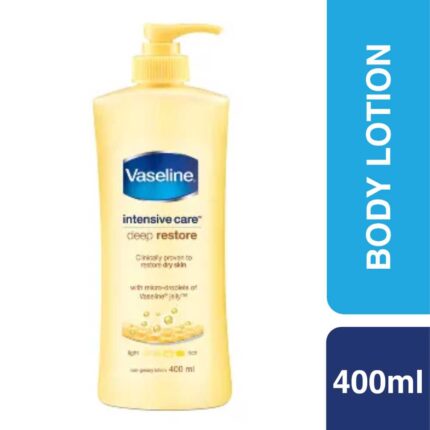 Sale
SaleOriginal price was: ৳ 550.00.৳ 510.00Current price is: ৳ 510.00.
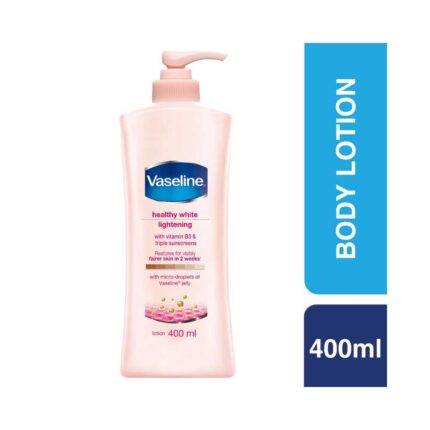 Sale
SaleOriginal price was: ৳ 570.00.৳ 520.00Current price is: ৳ 520.00.
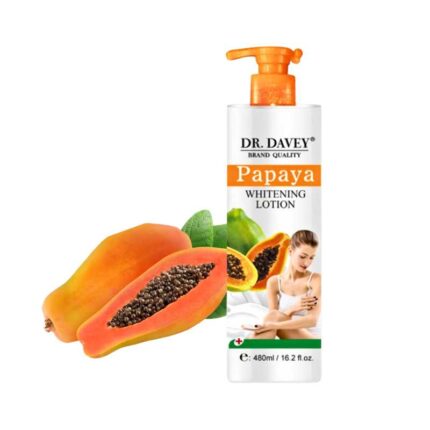
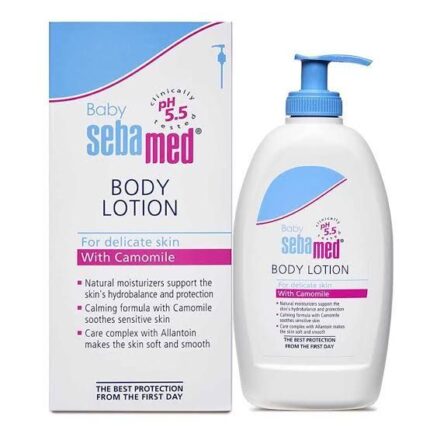 Sale
SaleOriginal price was: ৳ 3,500.00.৳ 2,499.00Current price is: ৳ 2,499.00.
How Hydrolyzed Silk Works on Skin
When applied, hydrolyzed silk peptides attract and hold water near the skin surface. This action improves immediate hydration and reduces the look of fine lines. Dermatologists recommend pairing it with other humectants for best results.
Because the peptides can form a light film, they help smooth the skin surface. This film also reduces friction and improves makeup glide. That is why many primers and light creams include hydrolyzed silk.
Research indicates the ingredient supports barrier function when combined with ceramides or glycerin. As a result, skin can feel softer and appear plumper over weeks of use. Still, individual results vary with formulation and skin type.
How Hydrolyzed Silk Works on Hair
Hydrolyzed Silk bonds to damaged hair cuticles and fills micro-gaps. This action improves combability and reduces breakage during styling. Studies show treated hair often looks shinier and feels smoother.
Because the peptides are small, they coat the hair without weighing it down. This means fine hair can gain shine without losing volume. That is why many lightweight conditioners and leave-ins use hydrolyzed silk.
When used regularly, hydrolyzed silk helps reduce static and frizz. As a result, hairstyles hold better in humid weather. That means fewer touch-ups and less reliance on heavy oils.
Key Benefits for Skin
Hydration support is the primary benefit for many users. Hydrolyzed Silk attracts moisture and keeps it near the skin surface. This helps skin look dewy and reduces the visibility of dryness lines.
Because it forms a breathable film, this ingredient also smooths texture. That leads to softer skin and improved makeup application. Dermatologists report it can complement occlusives without causing pore clogging in most people.
As a moisture retaining skincare compound, hydrolyzed silk contributes to lasting moisture hold. That is why brands often pair it with hyaluronic acid and glycerin. Together, these ingredients create multi-level hydration.
Hydration and Moisture Retention
Hydrolyzed Silk binds water and supports the skin’s immediate moisture level. For example, topical products with silk peptides often improve surface hydration after a single use. Still, consistent application yields the best visible change.
That is why many routines layer a hydrating serum with a moisturizer that contains hydrolyzed silk. When combined, the serum provides deep hydration. The silk peptide then helps the skin retain moisture longer.
Smoother Texture and Softness
The film-forming properties of hydrolyzed silk reduce roughness and flakiness. Research indicates surface feel improves when the peptide levels are adequate. That makes it useful in creams for dry elbows, hands, and feet.
Because texture improves, makeup adheres more evenly. Users often report foundation looks smoother after introducing the ingredient. This effect also helps concealer apply with less patchiness.
Barrier Support and Protection
Hydrolyzed silk can complement the skin barrier by reducing transepidermal water loss. As a result, skin retains moisture and appears calmer. That effect helps sensitive skin types when formulas are clean and fragrance-free.
Dermatologists recommend patch testing if you have a history of protein sensitivities. Although rare, some people react to certain peptides. If irritation appears, stop use and consult a clinician.
Key Benefits for Hair
Hydrolyzed Silk improves hair strength and surface smoothness. The peptides penetrate damaged areas and coat the cuticle. This results in reduced friction and less tangling when wet.
Because hair gains shine from smoother cuticles, the visual improvement is clear. Research indicates treated strands reflect more light. That makes hair look glossier without heavy silicones.
For color-treated hair, hydrolyzed silk can help seal the cuticle and limit color bleed. As a result, color longevity often improves in formulas designed for dyed hair. That makes it a common choice in salon-quality products.
Where You’ll Find Hydrolyzed Silk in Products
Hydrolyzed Silk appears in cleansers, serums, creams, conditioners, and masks. It works in both leave-on and rinse-off formats. Studies show leave-on products tend to deliver longer-lasting benefits.
Because the ingredient blends well with various actives, formulators use it widely. That means you can find it combined with antioxidants, peptides, and acids. When choosing, check the product type and intended result.
For hair, leave-in sprays and conditioners are common carriers. For skin, serums and night creams often feature hydrolyzed silk. That is why it is easy to add to both morning and evening routines.
How to Read Labels for Hydrolyzed Silk
Look for “Hydrolyzed Silk” or related names on ingredient lists. Some products list “silk amino acids” or “silk peptides.” Those labels refer to similar small protein fragments derived from silk.
Because concentration matters, placement on the ingredient list gives clues. Ingredients listed near the top are present in higher amounts. That means a product with hydrolyzed silk in the top third likely contains functional levels.
Still, labels alone do not reveal exact amounts or peptide size. For that reason, brand transparency and lab testing information can help. Research indicates brands that publish percentages often build more trust.
How to Choose Products with Hydrolyzed Silk
Decide your goal before selecting a product. If you want hydration, choose serums or creams with hydrolyzed silk listed near the top. If you want shine and smoothing for hair, pick leave-in conditioners or masks with the ingredient.
Because combinations matter, check what else is in the formula. A product that pairs hydrolyzed silk with hyaluronic acid or glycerin delivers layered hydration. That means your skin or hair receives multiple moisture mechanisms.
For sensitive skin, choose fragrance-free or low-irritant formulas. Patch testing remains a simple step to avoid reaction. Dermatologists recommend trying a small amount behind the ear or on the inner arm for three days.
How to Use Hydrolyzed Silk in Your Routine
Start by adding a product with hydrolyzed silk once per day. Monitor your skin or hair for two weeks. That allows time to spot improvement or potential irritation.
When using for hair, apply to damp strands and comb through. This distributes the peptides evenly and helps seal cuticles. For skin, apply to clean, damp skin before moisturizer to lock in hydration.
Because it works well with other humectants, combine with hyaluronic acid for increased effect. That means a hyaluronic serum followed by a hydrolyzed silk moisturizer can be effective. Still, avoid layering too many actives that could irritate your skin.
Concentrations and Formulation Notes
Typical formulations contain hydrolyzed silk in low to moderate percentages. Exact amounts vary by product type and brand. For example, a serum may use higher functional levels than a rinse-off shampoo.
Because particle size affects performance, shorter peptides often feel lighter. Longer peptides may provide a stronger film but can add weight. That is why lightweight leave-ins favor smaller peptides for fine hair.
Research indicates synergy with barrier lipids like ceramides can amplify benefits. As a result, products that combine peptides and ceramides often support barrier repair. This mix suits dry and compromised skin types.
Safety, Allergies, and Sensitivity
Most people tolerate hydrolyzed silk well, but reactions can occur. If you have a protein allergy, take care and test first. Patch testing for 48 to 72 hours helps reveal contact sensitivity.
Because the peptides derive from animal silk, vegans may avoid the ingredient. Companies sometimes list plant-based alternatives for that reason. Still, the choice depends on personal preference and ethical priorities.
Dermatologists recommend stopping use if persistent irritation appears. They also suggest consulting a clinician for severe reactions. That ensures safe care and avoids prolonged inflammation.
Hydrolyzed Silk vs. Other Proteins
Hydrolyzed Silk differs from hydrolyzed keratin and collagen in size and binding behavior. Keratin targets structural repair in hair, while collagen often supports skin surface feel. That means each protein serves slightly different goals.
When choosing between proteins, match the product to your need. For surface smoothness and shine, hydrolyzed silk often performs well. For deeper structural repair, keratin blends might be preferable for hair treatments.
Research indicates plant proteins like wheat or soy provide similar film-forming benefits. However, some plant proteins can cause sensitivity in gluten-sensitive skin. That is why ingredient choice depends on personal skin history.
Formulating for Different Skin Types
Oily and acne-prone skin can still use hydrolyzed silk in lightweight formulas. Non-comedogenic options are available that avoid heavy oils. That means a gel or water-based serum can deliver the peptides without clogging pores.
Dry and mature skin benefit from richer creams that include hydrolyzed silk alongside emollients. This combination adds both moisture and occlusion for longer relief. As a result, fine lines can look less pronounced over time.
Sensitive skin should choose minimal and fragrance-free formulas. Because irritation relates to additives rather than the peptide alone, cleaner products reduce risk. When in doubt, follow a cautious patch-testing routine.
Hydrolyzed Silk in Professional Treatments
Salons use hydrolyzed silk in leave-in treatments and in professional masks. These treatments aim to smooth the cuticle and add shine after chemical services. Research indicates salon protocols can amplify the ingredient’s benefits.
Because professional formulas may contain higher concentrations, results are often quicker. Still, at-home maintenance helps maintain salon gains. That is why many stylists recommend follow-up products with hydrolyzed silk.
For skin clinics, topical serums with peptides can be part of anti-aging regimens. When combined with in-office treatments, they often enhance post-procedure comfort. This synergy supports better overall outcomes for clients.
Common Myths About Hydrolyzed Silk
Myth: Hydrolyzed silk blocks pores. Reality: Properly formulated products rarely clog pores. Many clinical formulations are non-comedogenic and lightweight for this reason.
Myth: It makes hair greasy. Reality: When peptide sizes are small, hair stays light and voluminous. Heavy greasiness usually comes from oils or silicones, not the peptide itself.
Myth: It only works on luxury products. Reality: Hydrolyzed silk appears across price points. Effective formulations depend on concentration and supporting ingredients, not just branding.
Shopping Tips: What to Look For
Read labels for the ingredient name “Hydrolyzed Silk” or equivalents. Check the product type and where the ingredient appears on the list. That gives a sense of relative concentration.
Because pairing matters, look for complementary humectants and barrier lipids. Hyaluronic acid, glycerin, and ceramides often boost performance. That means the formula will support hydration at multiple levels.
For hair, prefer leave-in products that specify weight control for fine or colored hair. That prevents limp results while delivering shine. For skin, pick a texture that matches your routine and climate.
DIY and At-Home Use
Hydrolyzed silk is not easily made at home, though some DIY enthusiasts add silk-derived powders to masks. For safety, buy pre-formulated products from trusted brands. That ensures proper peptide size and concentration.
When trying new products, introduce one at a time. Monitor skin and hair response over two to four weeks. This helps identify which product yields the best effect.
Instead of homemade substitutes, use reliable serums and conditioners. That reduces risk of contamination or incorrect peptide breakdown. Professional formulations are tested for stability and efficacy.
Environmental and Ethical Notes
Hydrolyzed silk comes from natural silk, which is animal-derived. Some companies source silk with humane practices and traceability. If this matters, look for brands that state sourcing standards.
Because demand for sustainable ingredients is rising, some firms explore plant-based alternatives. These alternatives can mimic film-forming effects but differ chemically. That means vegan-friendly options exist for those who prefer them.
Still, the environmental footprint varies by producer and processing methods. For example, energy and water use during processing impact sustainability. That is why brand transparency on manufacturing helps consumers decide.
Cost and Value Considerations
Products with hydrolyzed silk range widely in price. Cost reflects formulation quality, concentration, and brand positioning. High price does not always equal better results, but concentration and complementary ingredients matter.
Because some mid-range products offer functional levels, look beyond price when evaluating value. Reviews and ingredient placement on labels help gauge efficacy. As a result, smart choices can deliver visible improvements without overspending.
For long-term value, choose products that fit your routine and skin type. Consistent use often matters more than expensive one-off treatments. That is why budget-friendly maintenance paired with occasional professional care can be effective.
Scientific Claims and Evidence
Studies show hydrolyzed proteins improve surface hydration and film formation when applied topically. Research also indicates peptides can reduce friction on skin and hair fibers. These outcomes explain many anecdotal reports of smoother feel and shine.
Dermatologists recommend combining hydrolyzed silk with other humectants for robust hydration. Clinical experience suggests the ingredient works best in balanced formulations. That is why pairing matters for meaningful results.
Because research continues, new formulations keep improving performance. Scientists test peptide size, concentration, and delivery vehicles to optimize outcomes. As a result, expect ongoing refinement in product design.
Product Examples and Use Cases
Serums with hydrolyzed silk suit morning and evening routines for added hydration. Lightweight conditioners with the peptide suit fine hair needing shine without weight. Masks and leave-ins work well for deep smoothing sessions.
For dry climates, a silk-containing cream can help trap moisture against the skin. For humid climates, a gel or lightweight serum may offer better balance. That means regional and seasonal factors influence the best product choice.
For those with colored hair, look for salon-rated products that add shine and reduce color fade. Many color-protecting lines include hydrolyzed silk for this reason. Regular use can support longer-lasting color and improved texture.
How Long Until You See Results?
Immediate improvements often include softer feel and better combability for hair. For skin, surface hydration and smoother feel can appear within days. However, measurable changes in barrier health take weeks of consistent use.
Because individual response varies, allow four to eight weeks for full effects. If you combine hydrolyzed silk with targeted actives, timelines may differ. That is why tracking your routine with photos or notes can show progress clearly.
When no improvement appears after two months, reassess the product and its concentration. Sometimes switching to a formula with higher peptide levels helps. Still, consult a dermatologist for persistent concerns.
Who Should Avoid Hydrolyzed Silk?
People with known silk allergies or severe protein sensitivities should avoid the ingredient. If you have vegan preferences, choose plant-based alternatives. Otherwise, most users tolerate hydrolyzed silk without issue.
Because products vary, those with acne-prone skin should opt for non-comedogenic formulations. Heavy creams with multiple occlusives could worsen breakouts. That means product texture plays a crucial role in suitability.
For pregnant or breastfeeding people, check product labels and consult healthcare providers. Many topical ingredients are safe, but individual guidance reduces worry. That ensures both safety and peace of mind.
Frequently Asked Questions
Is hydrolyzed silk safe for sensitive skin?
Most people tolerate hydrolyzed silk, but sensitivity is possible. Patch testing for 48 to 72 hours helps detect reactions. If irritation occurs, stop use and consult a clinician.
Can hydrolyzed silk help damaged or color-treated hair?
Yes, hydrolyzed silk can smooth cuticles and improve shine for treated hair. It also helps reduce tangles and breakage when used regularly. Salon and at-home formulas both deliver benefits.
How often should I use products with hydrolyzed silk?
Start with once daily to assess tolerance and response, then increase as needed. Many users apply it both morning and evening for maximum hydration. For hair, leave-in products can be used after each wash.
Does hydrolyzed silk clog pores?
Hydrolyzed silk itself is unlikely to clog pores in most formulations. Risk rises when paired with heavy occlusive oils in acne-prone skin. Choose non-comedogenic, lightweight products to avoid this issue.
Final Thoughts
Hydrolyzed Silk offers a gentle way to boost hydration, smooth texture, and add shine for both skin and hair. For best results, choose a formula that matches your skin or hair type and pair it with complementary humectants. Try a patch test, start slowly, and use a consistent product to see clear benefits.