
Hydrolyzed Elastin: Skin Firming and Elasticity Guide

Have you noticed skin that feels less springy than it used to and wondered what helps restore bounce? Hydrolyzed Elastin appears often in serums and creams as a targeted answer for loss of elasticity. Many shoppers want a clear view of what this ingredient does and how to use it.
What is Hydrolyzed Elastin?
Hydrolyzed Elastin is a processed form of elastin, a structural protein found in skin and connective tissue. Because elastin gives tissue its spring and flexibility, companies break it down so skin products can carry smaller pieces that absorb better. This form is often labeled on ingredient lists to signal an elasticity boosting protein ingredient aimed at improving skin feel.
Studies show elastin fragments can interact with skin differently than whole proteins. As a result, cosmetic formulators add hydrolyzed forms to creams to target firmness and texture. Dermatologists recommend ingredients that support the skin matrix when the goal is firmer, more elastic skin.
Recommended Products

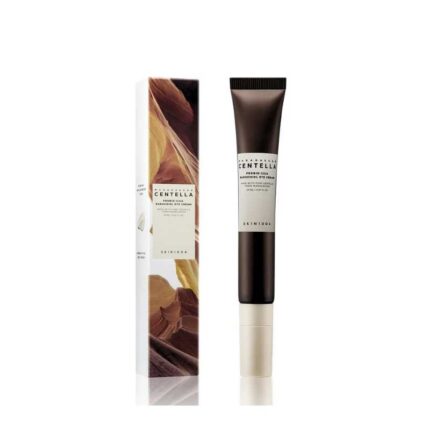 Sale
SaleOriginal price was: ৳ 1,880.00.৳ 1,316.00Current price is: ৳ 1,316.00.
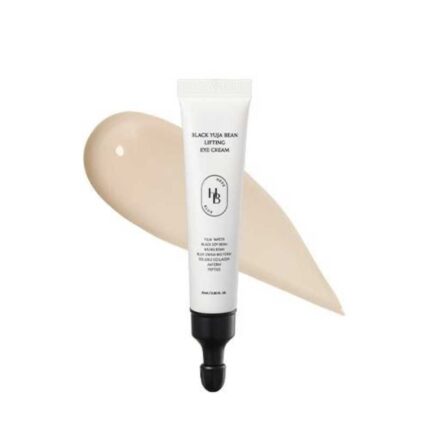 Sale
SaleOriginal price was: ৳ 980.00.৳ 680.00Current price is: ৳ 680.00.
 Sale
SaleOriginal price was: ৳ 550.00.৳ 350.00Current price is: ৳ 350.00.
How Hydrolyzed Elastin Works on Skin
Hydrolyzed Elastin works by delivering short protein chains that the skin can more readily accept. When applied, these peptides sit at the surface and can help the skin hold moisture and feel firmer. This means users may notice an immediate improvement in texture and a longer term shift in elasticity with steady use.
For example, the skin barrier benefits when peptides and humectants work together. That is why many formulas pair hydrolyzed elastin with moisturizers and occlusives. The combined effect often enhances comfort and visual bounce.
Elastin versus Collagen: How They Differ
Collagen gives skin structure while elastin gives it stretch. While both proteins decline with age, their roles are distinct and complementary. Because of this, products often include both collagen-supporting and elasticity boosting protein ingredient choices to address multiple signs of aging.
Research indicates that supporting both proteins produces better visual outcomes than focusing on one. This means a balanced routine often performs best for firmness and texture. Still, choosing ingredients that suit your skin type matters most for comfort and results.
What Hydrolysis Means
Hydrolysis is a chemical process that breaks large proteins into smaller pieces. As a result, the hydrolyzed form becomes more soluble and easier to mix into skincare formulas. That is why brands use hydrolyzed elastin instead of whole elastin for topical products.
Because the molecules are smaller, the skin can interact with them more easily. Studies show smaller peptides can influence skin signaling pathways that affect firmness. While the exact pathways vary, the practical outcome is usually improved texture and support.
Absorption and Mechanism in Simple Terms
The skin does not absorb whole proteins deeply, but short peptides can anchor at the surface and signal cells. When peptides are present, skin cells may behave as if they have better structural support. As a result, the epidermis can appear smoother and firmer over time.
For many users, immediate effects come from temporary tightening and hydration. Over weeks, consistent use may encourage better skin resilience. That is why sustained application is often suggested by skincare pros.
Key Benefits Backed by Observations and Studies
Hydrolyzed Elastin offers visible benefits for texture, elasticity, and hydration in many product trials. Studies show topical peptides and protein fragments can improve skin feel and reduce the look of laxity with continued use. Consumers often report smoother, firmer skin after regular application.
Because skin aging involves collagen and elastin loss, supporting these proteins helps maintain appearance. Dermatologists recommend combining topical support with sun protection for better long-term results. This means protecting the skin from UV damage remains central to preventing further elasticity loss.
For example, users who add a peptide-rich serum to their routine often see improved tone and reduced crepiness. That is why many night and morning routines include targeted serums plus moisturizers. While no topical product can fully replace lost protein, combined care can make a visible difference.
How to Use Hydrolyzed Elastin in Your Routine
Start by checking the ingredient list to confirm the presence of hydrolyzed elastin. Then choose a product formula that suits your skin type, such as a lightweight serum for oily skin or a richer cream for dry skin. This simple match helps the ingredient work well without causing irritation.
When applying, use hydrolyzed elastin products after cleansing and before heavy creams. For daytime use, follow with sunscreen to protect gains in firmness. Over time, steady use tends to yield the best results, which is why many experts advise patience and consistency.
Pairing with Other Ingredients
Hydrolyzed Elastin pairs well with humectants like glycerin and hyaluronic acid for better hydration. Because hydration plumps skin, it complements the firming compound effect from elastin fragments. For added support, antioxidants such as vitamin C can protect fibers from environmental stress.
When combining actives, watch for irritation from aggressive exfoliants or potent acids. That is why patch testing new combinations helps prevent problems. If redness or stinging occurs, reduce frequency or consult a dermatologist for tailored advice.
Suggested Frequency and Application Tips
Most people use hydrolyzed elastin products once or twice daily depending on the formula. For serums, applying twice can increase contact time without overloading the skin. For richer creams, once daily at night may be sufficient for many users.
Apply gently and avoid rubbing harshly, since fragile skin benefits from a light touch. This means patting the product into the skin allows for better absorption and less irritation. Still, if you have sensitive skin, start slowly and monitor how your skin reacts.
Choosing Products: Labels, Concentrations, and Claims
Look for clear labeling that names hydrolyzed elastin on the ingredients panel. Cosmetic marketing can be vague, so reading the list gives a better sense of concentration and placement. Often, ingredients near the top of the list appear at higher concentrations.
That is why comparing ingredient order helps shoppers find more potent options. Brands sometimes name formulations as firming compounds or elasticity boosting blends to highlight the intent. When you see such claims, verify the ingredient list to confirm hydrolyzed elastin is present.
Because no regulation forces brands to list precise concentrations, consumer reviews and brand transparency help evaluate effectiveness. For that reason, choosing well-reviewed products from reputable companies reduces risk. Still, testing a sample or small size first is a practical move for cautious shoppers.
Comparing Hydrolyzed Elastin to Other Firming Ingredients
Hydrolyzed Elastin works differently than retinoids, peptides, or botanical extracts. Retinoids often increase collagen production by changing cell activity, while some peptides support repair signaling. Meanwhile, hydrolyzed elastin focuses on delivering elastic protein fragments to the skin surface for immediate and ongoing support.
As a firming compound, hydrolyzed elastin often causes less irritation than strong actives like retinol. This makes it a choice for people seeking gentler approaches to firmness. Yet, combining compatible actives can provide broader benefits than any single ingredient alone.
When to Choose Hydrolyzed Elastin Over Other Options
Choose hydrolyzed elastin if you need a gentle elasticity support ingredient that pairs well with moisturizers. For example, those with mild laxity or crepey texture may prefer this type of topical support. On the other hand, deeper wrinkles often respond better to prescription treatments under a dermatologist’s care.
That is why talking to a skincare professional helps when concerns are more advanced. A specialist can recommend combined approaches that match your goals. Still, many users find topical hydrolyzed elastin improves skin appearance without the downtime of stronger procedures.
Safety, Side Effects, and Allergies
Hydrolyzed Elastin is generally well tolerated by most skin types. However, any topical protein can cause allergic reactions for some people. That is why a patch test on a small area is a prudent step before full facial use.
If irritation appears, stop use and consult a healthcare provider if symptoms persist. Because skin reactions vary, monitoring your response during the first weeks helps prevent larger problems. Dermatologists advise stopping any product that causes persistent redness, swelling, or discomfort.
Pregnancy, Nursing, and Medical Conditions
Most topical peptides and protein fragments are considered low risk during pregnancy, but medical guidance matters. Since ingredients and formulations vary, bringing product labels to your clinician allows for safer recommendations. When in doubt, a provider can advise alternatives tailored to pregnancy and nursing needs.
For people with chronic skin conditions like eczema or rosacea, start with a patch test and follow up with a dermatologist. That is why personalized care improves safety while pursuing firmer skin. If prescribed topical treatments are already in use, check for possible interactions before adding new products.
Real-World Results and What to Expect
Users often notice improved texture and a subtle lifting effect after a few weeks of regular use. Because immediate effects can come from hydration and temporary tightening, early changes may not reflect long-term restructuring. Over months, consistent use tends to show more sustained gains in firmness.
Studies show long-term topical regimens that support skin proteins tend to maintain results better than sporadic use. For that reason, integrating hydrolyzed elastin into an ongoing routine yields clearer outcomes than occasional application. Still, individual results vary by age, skin condition, and genetics.
For example, pairing hydrolyzed elastin with sun protection and antioxidants helps preserve improvements. That is why a full routine that addresses UV damage and oxidative stress supports the skin matrix. Combined care reduces future loss of elasticity and supports long-term appearance.
Price, Value, and When to Invest
Products that list hydrolyzed elastin range from affordable serums to higher-priced creams. Price often reflects brand positioning, additional actives, and packaging rather than concentration alone. That is why comparing ingredient lists helps you find value regardless of label claims.
If the product feels hydrating and matches your skin type, it may offer good value for regular use. For many shoppers, choosing mid-range options from reputable brands balances cost and quality. Still, buying a small size or sample reduces waste if a product does not suit you.
Tips for Shopping and Avoiding Overhyped Claims
Read the ingredient list and avoid relying solely on marketing language. Brands may call a product a firming compound, but the ingredient list confirms whether hydrolyzed elastin is present. For transparency, choose companies that clearly state concentrations or back claims with studies.
Because consumer reviews can reveal how a product performs in real life, check feedback for texture and sensitivity notes. That is why reviews from people with similar skin types often help set realistic expectations. Still, remember that individual responses to topical compounds vary widely.
Frequently Asked Questions
What does Hydrolyzed Elastin do for aging skin?
Hydrolyzed Elastin provides short protein fragments that help the skin feel firmer and more elastic. Over time, these fragments can aid hydration and surface support, which often improves texture and reduces crepiness. Many users notice a smoother appearance after consistent use.
Is Hydrolyzed Elastin safe for sensitive skin?
Most people with sensitive skin tolerate it well, but allergies can occur. For safety, perform a patch test and watch for redness or irritation. If reactions appear, stop use and consult a dermatologist for alternatives.
How long before I see results from hydrolyzed elastin?
Some users notice immediate texture improvements from hydration and tightening, while lasting changes usually take weeks. For best results, use the product consistently and protect skin from sun exposure. That way, benefits stand a better chance of lasting longer.
Can hydrolyzed elastin replace professional treatments?
Topical hydrolyzed elastin can improve surface firmness but cannot fully replace clinical procedures for significant laxity. For deeper concerns, consult a skincare professional about options like laser therapies or injectables. Yet, topical use can complement professional care and help maintain results.
Final Thoughts
Hydrolyzed Elastin offers a practical way to add an elasticity boosting protein ingredient to daily skincare routines. For most users, it delivers visible texture and firmness improvements when paired with sunscreen and supportive actives. My recommendation is to try a small product that lists hydrolyzed elastin, use it consistently, and protect your skin to maximize benefits.