
Human Oligopeptide-1: Skin Science Guide

Fine lines, dullness, or slow skin repair can feel frustrating. Human Oligopeptide-1 appears in many serums and creams, promising faster healing and firmer texture. Many shoppers want clear facts about what this ingredient does and if it fits their routine.
What is Human Oligopeptide-1?
Human Oligopeptide-1 is a short chain of amino acids that mimics a natural skin signaling protein. Scientists often call it an epidermal growth factor peptide when they describe its role. Studies show it can act like a signal to skin cells, which may help repair and renewal processes.
Because the molecule resembles a body peptide, it sends messages to skin cells to divide, move, or make extra proteins. Research indicates these actions can support visible improvements in skin texture and tone. Dermatologists recommend careful use, especially on sensitive skin and when combined with other active ingredients.
Recommended Products
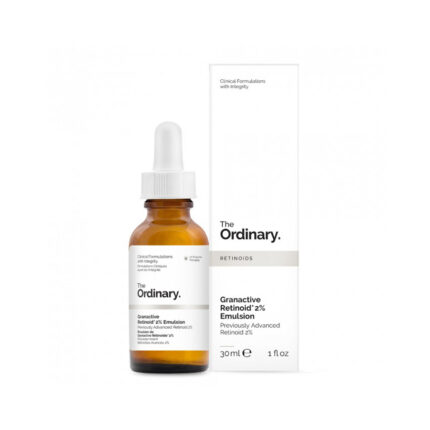 Sale
SaleOriginal price was: ৳ 2,000.00.৳ 1,490.00Current price is: ৳ 1,490.00.
 Sale
SaleOriginal price was: ৳ 570.00.৳ 520.00Current price is: ৳ 520.00.
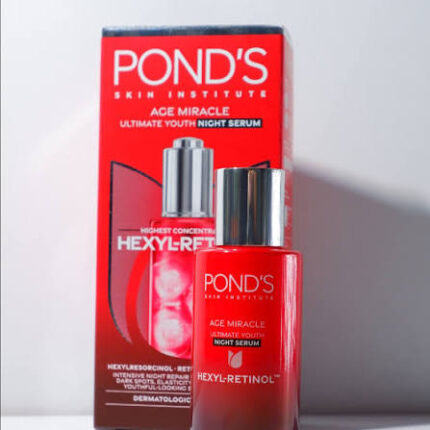 Sale
SaleOriginal price was: ৳ 2,000.00.৳ 1,950.00Current price is: ৳ 1,950.00.
 Sale
SaleOriginal price was: ৳ 1,900.00.৳ 1,330.00Current price is: ৳ 1,330.00.
How Human Oligopeptide-1 Works on Skin
When applied topically, Human Oligopeptide-1 binds to receptors on skin cells and starts a chain of biological signals. That is why it often appears in serums labeled for repair and recovery. For example, epidermal growth factor peptide activity encourages cells to produce collagen and elastin, proteins that give skin structure and bounce.
Still, the skin barrier can limit how much of the peptide reaches deeper layers. Manufacturers use small molecules and supportive formulations to help delivery. Because of that, many products pair the peptide with carriers that improve stability and skin penetration.
Cell signaling and repair
Human Oligopeptide-1 triggers cell signaling pathways that guide repair after small scale damage. Research indicates these pathways help cells migrate and close minor wounds faster. As a result, the skin can show fewer visible marks and improved surface smoothness over time.
Effects on collagen and elastin
Collagen gives skin firmness, while elastin gives bounce when stretched. Human Oligopeptide-1 stimulates fibroblasts, the cells that make these proteins. Studies show increased fibroblast activity in lab tests, which often translates to firmer skin with continued use.
Interaction with other actives
When you mix Human Oligopeptide-1 with vitamin C or retinoids, interactions can change outcomes. Therefore, patch testing makes sense if you combine strong actives. Dermatologists recommend layering products in a way that maintains peptide integrity and avoids irritation.
Benefits Backed by Research
Research indicates several skin benefits from regular use of Human Oligopeptide-1. For example, studies show improved wound closure in lab models and reduced signs of aging in topical trials. That evidence supports claims about smoother texture and reduced fine lines for many users.
Because peptides work by signaling rather than by forcing change, results tend to appear gradually with consistent use. Clinical reports often note visible differences after weeks of daily application. Still, individual results vary with age, skin type, and overall routine.
Smoother texture and reduced lines
Studies show that Human Oligopeptide-1 can reduce the appearance of fine lines by supporting collagen renewal. As collagen levels stabilize, skin texture often improves. That means makeup may sit better and pores can look less noticeable.
Faster healing and reduced redness
Research indicates the peptide supports faster healing in minor skin injuries. This effect can reduce lingering redness and promote a more even tone. Therefore, some users apply products with the peptide after cosmetic treatments to speed recovery.
Improved moisture and barrier function
While Human Oligopeptide-1 does not act as a moisturizer, it supports barrier repair by promoting protein synthesis. That helps the skin retain moisture more effectively. For that reason, it often complements humectants and emollients in formulas.
Using Human Oligopeptide-1 in Your Routine
First, identify your skin goals to decide where this peptide fits best. Many people add it as a morning or evening serum step. Because it pairs well with hydrating ingredients, it often follows toner and precedes a moisturizer.
Because the peptide can be sensitive to certain chemical environments, choose formulas designed to protect it. That means products with stabilized packaging, like airless pumps or dark bottles. For daily use, a lightweight serum with a peptide concentration listed on the label offers sensible value.
Layering with actives
When you use retinoids or acids, apply Human Oligopeptide-1 on intact, clean skin after cleansing and before heavier creams. If irritation occurs, separate application times. This simple step can preserve the peptide and reduce the risk of sensitivity.
Timing and frequency
Most people use Human Oligopeptide-1 once or twice daily. Studies indicate consistent application gives the best results over weeks. If you have reactive skin, start every other day and increase as tolerated.
Combining with hydrating products
Because peptides assist structural repair, pairing Human Oligopeptide-1 with hyaluronic acid boosts visible smoothness. As a result, skin can look plumper and feel more resilient. That combination suits dry or aging skin types well.
Safety, Side Effects, and Skin Types
Human Oligopeptide-1 shows a generally favorable safety profile in trials and consumer studies. However, some people may notice mild irritation or redness at first. If your skin reacts, stop use and see a dermatologist.
Still, many dermatologists recommend peptide-based products even for sensitive skin when formulations avoid harsh acids or high alcohol. Patch testing new products reduces risk. For people with specific conditions, consult a professional before starting new actives.
Common side effects
Mild irritation, temporary redness, or tingling may occur when you first use products with Human Oligopeptide-1. That is often due to other active ingredients in the same formulation. Reducing frequency or switching to a gentler base usually resolves these issues quickly.
Who should avoid it
People with a history of allergic reactions to peptide ingredients should avoid products containing Human Oligopeptide-1. Also, those using prescription acne treatments may need guidance from a clinician. Still, many find peptides a safe complement to medical routines when supervised.
Choosing the Best Products
When shopping, look for transparent labels that list Human Oligopeptide-1 among active ingredients. That helps you confirm the product actually contains the peptide. Brands that disclose concentration ranges provide more predictable results.
However, price alone does not ensure effectiveness. Some lower-cost serums deliver stable peptide formulas with good carriers. Instead, focus on packaging, formulation, and user reviews. Research indicates stable delivery systems matter more than price.
What to check on labels
Look for product claims that match your goals, such as repair, firmness, or texture. Ingredients that support peptide stability, like glycerin or certain silicones, can help. Also, prefer minimal fragrance if you have sensitive skin.
Formulation types
Serums often contain higher peptide concentrations than creams, which may suit targeted treatment. Yet creams provide added moisturization that benefits dry skin. Choose a type that complements the rest of your routine.
Packaging and storage
Because peptides can break down with exposure, choose airless or opaque packaging. Store products away from heat and direct sunlight. That preserves potency and gives more reliable outcomes.
Ingredients to Pair and Avoid
Pair Human Oligopeptide-1 with hydrating humectants like hyaluronic acid for better plumping effects. Vitamins that support collagen synthesis, such as vitamin C, can complement peptide activity. Studies show combining supportive nutrients enhances visible results.
Yet, some harsh acids or high pH environments may degrade peptide activity. Therefore, avoid mixing the peptide directly with strong exfoliants in the same layer. Instead, stagger application times for safety and better performance.
Good pairings
Hyaluronic acid, ceramides, and niacinamide often work well with Human Oligopeptide-1. As a result, you can build a routine that hydrates and repairs simultaneously. That approach supports a balanced path to healthier-looking skin.
Ingredients to use cautiously
Strong AHAs, BHAs, and high-strength vitamin A formulas can stress skin when paired immediately with peptides. When you use those actives, allow skin to calm before applying the peptide. This practice reduces irritation and preserves peptide function.
How to Read Clinical Claims
Many brands claim rapid results from Human Oligopeptide-1, but study context matters. Check if trials were done on humans, in-vivo, or in the lab. Research indicates lab results do not always translate directly to visible changes on the face.
Because marketing can overstate benefits, look for peer-reviewed studies or dermatologist endorsements. That helps you separate hopeful claims from realistic outcomes. If a brand lists trial details, that usually signals transparency and care.
What trial terms mean
Terms like “in vitro” mean lab-based tests, while “clinical study” often refers to human trials. For real-world relevance, prefer products supported by human clinical data. That gives stronger evidence for expected benefits.
Interpreting before-and-after photos
Photos can be helpful but may not show typical experiences. Lighting, makeup, and angles change perceptions. For better insight, read study descriptions about participant numbers and trial length.
Cost vs. Value: Is It Worth the Price?
Price varies widely for products containing Human Oligopeptide-1. Some budget serums include stable peptide complexes, while luxury brands emphasize formulation and branding. Cost does not always predict effectiveness.
Yet, value depends on formulation quality, packaging, and concentration. Research indicates that consistency and correct product storage improve outcomes more than a high price tag alone. Choose a product that fits your budget and promises clear labeling.
Budget options
Lower-cost brands often offer effective peptide serums with simple bases. When they use airless packaging and clear ingredient lists, these options can provide meaningful results. Read reviews and test a small size first when possible.
Investment products
Higher-end formulas may add supporting ingredients, which can enhance the peptide’s benefits. Still, check for unnecessary fragrance or irritants that some premium lines include. A focused formula often performs as well as a complex one.
Real User Tips and Routines
Many users report steady improvements after consistent use of Human Oligopeptide-1 products. To see benefits, stick with a routine for at least four to twelve weeks. That gives the skin time to respond and rebuild structures like collagen.
Because routines vary, experiment with morning or evening use to find what suits your skin. Some prefer the peptide in the morning under sunscreen, while others use it at night with richer creams. Both approaches can work when you protect skin from sun damage.
Simple morning routine
Cleanse gently, apply a peptide serum with Human Oligopeptide-1, add a hydrating moisturizer, and finish with broad-spectrum sunscreen. That basic plan supports daily protection and repair. Consistent SPF helps maintain results over time.
Simple evening routine
Cleanse, apply the peptide serum, follow with a moisturizer, and treat any active concerns on alternating nights. If you use a retinoid, apply it on nights you skip the peptide or layer with a buffer. That reduces irritation and keeps both actives effective.
Frequently Asked Questions
What does Human Oligopeptide-1 do for the skin?
Human Oligopeptide-1 signals skin cells to support repair and protein production. As a result, it can help reduce fine lines and improve texture when used consistently. Many users notice gradual but steady improvements.
Is Human Oligopeptide-1 safe for sensitive skin?
Most people tolerate Human Oligopeptide-1 well, but some may experience mild irritation. Patch testing helps identify reactions before you apply it broadly. If irritation occurs, stop use and consult a dermatologist.
Can I use Human Oligopeptide-1 with other actives?
Yes, you can pair it with hydrating actives like hyaluronic acid and niacinamide. When using strong acids or retinoids, stagger application times to avoid degradation and irritation. That keeps both actives effective.
How long until I see results from Human Oligopeptide-1?
Visible results often appear after several weeks of daily use, commonly around four to twelve weeks. Consistency matters more than immediate change. Regular use combined with sun protection gives the best outcomes.
Final Thoughts
Human Oligopeptide-1 can be a helpful anti aging ingredient for people seeking firmer, smoother skin. Research indicates it supports repair, collagen production, and improved texture when used consistently. Try a well-formulated serum, patch test first, and protect skin with SPF for the best results.