
Homosalate: Your Guide to This Common Sunscreen Filter

Protecting your skin from the sun’s harmful rays is vital. You likely use sunscreen regularly. But have you ever wondered about the ingredients in your favorite product? One very common component is Homosalate. This chemical sun protection ingredient works hard to shield your skin from damage.
What is Homosalate? Understanding its Role in Sunscreen
Homosalate is an organic compound. It belongs to a class of chemicals called salicylates. Found in many sunscreens, it helps protect skin. Its primary function is to absorb UVB radiation. This absorption prevents sun damage. Studies show that UVB rays are a major cause of sunburn. They also contribute to skin cancer risk.
Dermatologists recommend broad-spectrum protection. Sunscreens containing Homosalate often combine it with other filters. This creates a wider defense. It offers protection against various light wavelengths. The molecule itself is a clear liquid. It mixes well with other sunscreen ingredients. This makes it a popular choice for formulators. Its stability ensures consistent performance. This compound helps keep your skin safe.
The Science Behind Homosalate
Homosalate functions as a chemical UVB sunscreen filter. When UV light hits the skin, it transfers energy. This energy can damage skin cells. Homosalate works by absorbing this energy. It then converts it into a less damaging form of energy. This process is called photostabilization. It prevents the UV radiation from reaching deeper skin layers. The compound itself remains stable. It continues to provide protection over time. Therefore, it is a reliable defense. It helps maintain skin health.
Homosalate vs. Other Sunscreen Filters
Sunscreen filters fall into two main categories. These are mineral and chemical filters. Mineral filters, like zinc oxide, sit on the skin’s surface. They physically block and reflect UV rays. Homosalate is a chemical filter. Chemical filters absorb UV radiation. They then convert it into heat. This heat safely dissipates from the skin. Both types offer effective protection. Many sunscreens use both for a balanced approach. This provides robust coverage. It protects against a wider spectrum.
Recommended Products
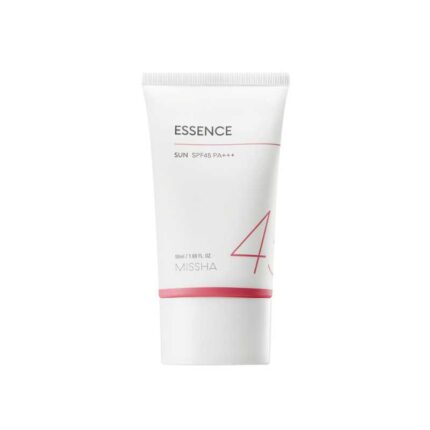 Sale
SaleOriginal price was: ৳ 1,290.00.৳ 903.00Current price is: ৳ 903.00.
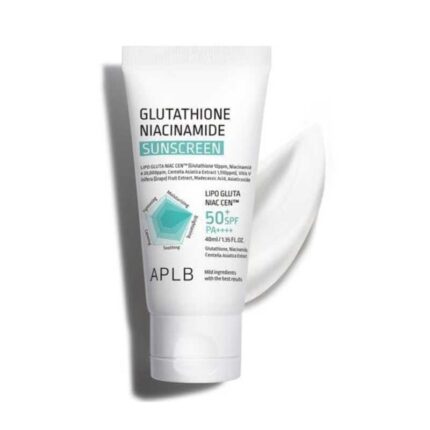 Sale
SaleOriginal price was: ৳ 1,260.00.৳ 882.00Current price is: ৳ 882.00.
 Sale
SaleOriginal price was: ৳ 1,900.00.৳ 1,330.00Current price is: ৳ 1,330.00.
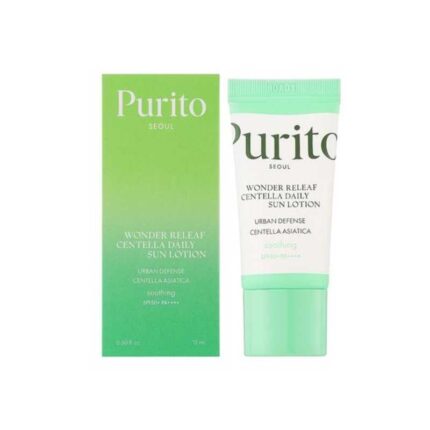 Sale
SaleOriginal price was: ৳ 440.00.৳ 320.00Current price is: ৳ 320.00.
How Does Homosalate Protect Your Skin from UVB Rays?
The sun emits different types of ultraviolet radiation. UVA and UVB rays are the most well-known. UVB rays are shorter in wavelength. They are the primary cause of sunburn. They also play a significant role in skin cancer development. Therefore, blocking them is crucial. Homosalate is specifically effective against UVB. It absorbs wavelengths between 295 and 315 nanometers. This range covers the most damaging UVB spectrum. It acts like a sponge for these harmful rays. This prevents them from penetrating your skin.
When you apply sunscreen, Homosalate spreads evenly. It forms a protective layer. This layer remains on the skin’s surface. As UVB rays hit this layer, they are absorbed. The Homosalate molecule temporarily changes its structure. It then reverts to its original form. This energy conversion is harmless. It keeps your skin safe. This is why consistent application is key. It ensures continuous protection throughout the day. Your skin stays shielded from the sun.
Understanding UV Radiation and Skin Damage
UV radiation exposure leads to various skin problems. Short-term effects include sunburn. Sunburn causes redness, pain, and blistering. Long-term exposure accelerates skin aging. It leads to wrinkles and sun spots. Most importantly, it increases skin cancer risk. Both melanoma and non-melanoma skin cancers are linked to UV. Protecting your skin is a health priority. Using effective sunscreen is a primary defense. It shields your cells from damage. This maintains youthful appearance and health.
Homosalate specifically targets UVB. It helps prevent these immediate and long-term effects. Research indicates regular sunscreen use reduces skin cancer incidence. This highlights the importance of such ingredients. It provides a protective barrier. This barrier minimizes cellular damage. It helps keep your skin healthy. This reduces your overall risk.
The Role of Homosalate in Sunscreen Formulations
Homosalate is a very popular ingredient. It is a chemical sun protection ingredient. It offers several benefits for sunscreen manufacturers. Its excellent solubility is a key advantage. It helps dissolve other UV filters. This leads to clear, non-greasy formulations. No one wants a sticky white cast. Homosalate helps achieve a pleasant texture. This encourages regular use. Its stability is another benefit. It doesn’t break down quickly in sunlight. This ensures lasting protection. Many brands choose it for these reasons. It makes a highly effective product.
Why Homosalate is a Common Choice
Formulators appreciate Homosalate’s versatility. It works well with many other active ingredients. It can be combined with UVA filters. This creates broad-spectrum protection. For example, it often pairs with avobenzone. Avobenzone protects against UVA rays. The combination ensures comprehensive defense. Homosalate also enhances the texture of sunscreens. It makes them easier to apply. This improves user experience. Ultimately, it increases compliance. People are more likely to use a pleasant product. This directly contributes to better sun safety. Its widespread use reflects its effectiveness.
Formulation Challenges and Solutions
Creating stable and effective sunscreens is complex. Ingredients must work together seamlessly. They must also remain stable under sunlight. Homosalate helps overcome some challenges. Its solvent properties are especially useful. It helps keep other filters in solution. This prevents crystallization and degradation. As a result, the sunscreen remains potent. It performs consistently throughout its shelf life. This is vital for product efficacy. Manufacturers rely on such ingredients. They help ensure quality. This chemical ingredient is reliable.
Is Homosalate Safe? Examining the Evidence
The safety of sunscreen ingredients is a frequent topic. Homosalate has been extensively studied. Regulatory bodies around the world review its safety. These include the FDA in the United States. They also include the EU’s Scientific Committee on Consumer Safety. Research indicates that Homosalate is generally safe. It is safe for use in sunscreens. This applies at approved concentrations. These concentrations typically range up to 15% in the US. In Europe, it is approved up to 10%. These limits ensure user safety. Therefore, consumers can feel confident. They can use products containing this filter.
Absorption into the Body
Some studies show Homosalate can be absorbed. It can pass through the skin. It enters the bloodstream. However, this absorption does not automatically mean harm. Many substances are absorbed this way. Expert panels review these absorption levels. They consider potential health effects. Current scientific consensus suggests. The levels absorbed are well below harmful thresholds. Regular exposure to small amounts is safe. This is true for approved concentrations. This aligns with many chemical ingredients. They are safely used in cosmetics. Your body processes these compounds. They are then eliminated. This is part of its normal function.
Potential Endocrine Disruption Concerns
Some initial studies raised concerns. They suggested Homosalate might act as an endocrine disruptor. Endocrine disruptors can interfere with hormones. However, these studies often used very high doses. These doses were much higher than typical sunscreen use. Research indicates that real-world exposure is minimal. It is unlikely to cause hormonal effects. This is a crucial distinction. Regulatory bodies continue to monitor the science. They ensure safety standards are met. They update guidelines as needed. Thus, current evidence supports its safe use. It is safe within current regulations.
Regulatory Status Around the World
Homosalate has global regulatory acceptance. The US FDA lists it as a Category I active ingredient. This means it is safe and effective. It is safe for over-the-counter sunscreens. The European Union also approves its use. There are specific concentration limits. These limits are based on safety assessments. Other countries, like Canada and Australia, also approve it. This broad acceptance reflects extensive review. It reflects scientific backing. Consumers benefit from these strict evaluations. They ensure product safety. The ingredient undergoes rigorous testing.
Homosalate and the Environment: A Closer Look
The environmental impact of sunscreens is gaining attention. Concerns about coral reefs are particularly prominent. Some studies suggest certain UV filters harm marine life. This has led to restrictions in some areas. Homosalate is among the ingredients being examined. Its potential effects on aquatic ecosystems are under investigation. Understanding these impacts is complex. More research is continuously emerging. This helps guide future regulations. We must protect both human health and the environment. Therefore, this balance is key.
Impact on Marine Life
Research suggests certain UV filters can stress coral. They may contribute to coral bleaching. This is a serious threat to reef health. Homosalate’s specific impact is still being studied. Some studies show it can accumulate in marine organisms. It may affect their development or reproduction. However, the exact mechanisms are not fully clear. The concentrations found in oceans vary greatly. The effect depends on many factors. These include water temperature and other pollutants. Scientists are working to understand this better. They are seeking definitive answers. This area needs more data.
As a result, some regions have banned certain filters. These bans aim to protect sensitive ecosystems. Hawaii, for example, has restricted certain chemicals. This proactive approach aims to safeguard marine environments. The sunscreen industry is responding. It is developing more reef-friendly alternatives. Innovation is moving forward. New products are being developed. This addresses environmental concerns directly. It provides consumer choice.
Choosing Environmentally Conscious Sunscreens
Consumers who are concerned can make informed choices. Look for sunscreens labeled “reef-safe.” These often exclude specific ingredients. These excluded ingredients may include oxybenzone and octinoxate. While Homosalate is also under scrutiny, it is not always included in these bans. Consider using mineral sunscreens. Zinc oxide and titanium dioxide are good options. They are generally considered safer for marine life. Physical barriers like UPF clothing are also excellent. They offer protection without chemical filters. Reducing your overall environmental footprint is important. This includes your sunscreen choices. Therefore, select products carefully.
Choosing Sunscreens: What to Look For Beyond Homosalate
Selecting the right sunscreen is a personal decision. Beyond checking for Homosalate, consider other factors. Always choose a broad-spectrum product. This means it protects against both UVA and UVB rays. UVA contributes to aging. UVB causes sunburn. A good sunscreen defends against both. Also, look for an SPF of 30 or higher. SPF measures protection against UVB. Higher SPF offers more protection. No sunscreen blocks 100% of UV rays. Therefore, reapplication is essential. Reapply every two hours. Reapply more often after swimming. This ensures continuous defense.
Understanding SPF and Broad-Spectrum Protection
SPF stands for Sun Protection Factor. An SPF of 30 blocks about 97% of UVB rays. An SPF of 50 blocks about 98%. The difference is small. Higher SPF ratings do not mean you can stay out longer. They mean slightly more effective blocking. Broad-spectrum protection is key. It ensures defense against UVA as well. UVA rays penetrate deeper into the skin. They cause premature aging. They also contribute to skin cancer. Some sunscreens only block UVB. Make sure to choose one that protects against both. This gives you complete coverage. It offers maximum benefit.
Mineral vs. Chemical Sunscreens
You have choices between mineral and chemical sunscreens. Mineral sunscreens contain zinc oxide or titanium dioxide. They sit on the skin’s surface. They reflect UV rays. They are often good for sensitive skin. They can sometimes leave a white cast. Chemical sunscreens, like those with Homosalate, absorb UV. They convert it into heat. These are usually lighter in texture. They absorb easily. Both are effective when used correctly. The best sunscreen is the one you will use consistently. Consider your skin type and preferences. Find what works for you. This will ensure regular protection.
Proper Sunscreen Application
Applying sunscreen correctly is paramount. Many people do not use enough. They also do not reapply often enough. Use about a shot glass full for your whole body. This is a common recommendation. Apply it 15-30 minutes before sun exposure. This allows it to set. Reapply every two hours. Reapply sooner if you are swimming or sweating. Even waterproof sunscreens wash off. Don’t forget often-missed spots. These include ears, neck, and the tops of your feet. Consistency is critical. It ensures continuous protection. This is vital for sun safety.
Frequently Asked Questions
What is Homosalate used for in sunscreen?
Homosalate acts as a chemical UVB sunscreen filter. It absorbs harmful UVB rays. It converts them into heat. This protects the skin from sunburn and damage. It is a key ingredient in many formulations.
Is Homosalate considered safe for daily use?
Yes, regulatory bodies worldwide consider Homosalate safe. It is safe for daily use. It must be within approved concentrations. These concentrations are typically up to 15%. This ensures consumer safety.
Can Homosalate cause allergic reactions?
Like any cosmetic ingredient, Homosalate can rarely cause reactions. Some individuals might experience skin irritation. Discontinue use if irritation occurs. Patch testing is always a good idea.
Is Homosalate harmful to the environment?
Research on Homosalate’s environmental impact is ongoing. Some studies suggest potential effects on marine life. It is not currently banned in as many places as other filters. However, environmental concerns are prompting new research.
Final Thoughts
Homosalate is a widely used and effective chemical sun protection ingredient. It plays a significant role. It protects against damaging UVB rays. This ingredient helps keep your skin healthy. It shields it from sunburn and long-term damage. While discussions about its safety and environmental impact continue, current evidence supports its use. Regulatory bodies consistently review its status. Always choose a broad-spectrum sunscreen with an SPF of 30 or higher. Reapply it frequently. This ensures optimal protection. Your skin deserves consistent care.