
Histidine: Skin Benefits of the Amino Acid

Do you wonder why some serums calm redness while others do not? Histidine shows promise as a soothing, antioxidant amino acid for skin, and people want clear answers. This article explains how Histidine works and what to look for when shopping.
What is Histidine?
Histidine is an essential amino acid that the body uses to build proteins and enzymes. As a skin ingredient, Histidine plays roles in repair, moisture balance, and antioxidant defense. Research indicates that histidine can help neutralize free radicals and support skin resilience.
Amino acid basics
Proteins in skin are chains of amino acids, and histidine is one of them. Cells use histidine to make molecules that help with repair and signaling. Because it occurs naturally, many formulas include histidine to match the skin’s needs.
Histidine in the body
The body supplies histidine through diet and internal synthesis in some cases. When the skin needs extra support, topical histidine can target local processes. Studies show that topical amino acids can affect barrier recovery and hydration.
Why histidine in skincare
Formulators add histidine to creams because it may reduce oxidative stress at the surface. For example, histidine can bind metal ions that catalyze damage, which slows aging signs. Dermatologists recommend considering amino acid ingredients for gentle, supportive care.
Recommended Products
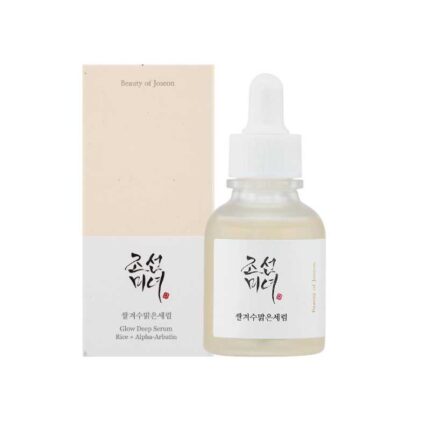 Sale
SaleOriginal price was: ৳ 3,080.00.৳ 2,156.00Current price is: ৳ 2,156.00.
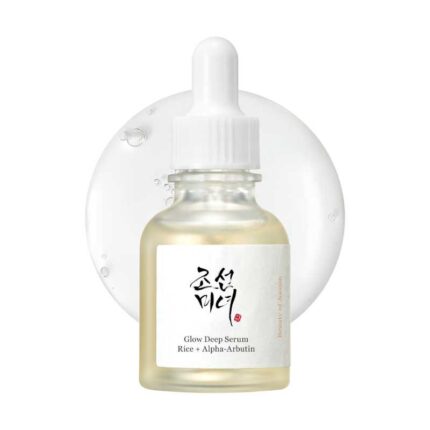 Sale
SaleOriginal price was: ৳ 2,060.00.৳ 1,442.00Current price is: ৳ 1,442.00.
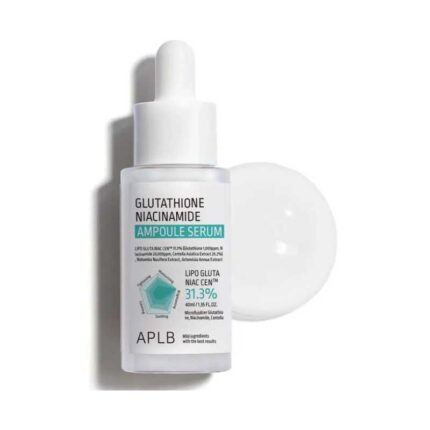 Sale
SaleOriginal price was: ৳ 1,300.00.৳ 910.00Current price is: ৳ 910.00.
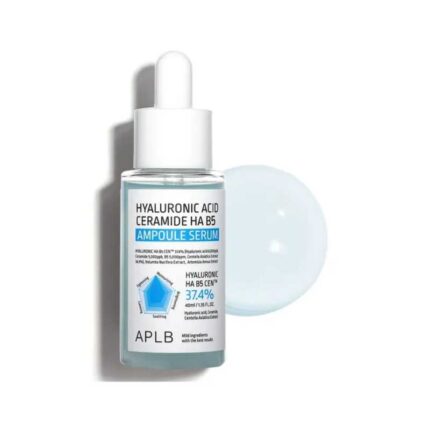 Sale
SaleOriginal price was: ৳ 1,300.00.৳ 910.00Current price is: ৳ 910.00.
How Histidine works on skin
Histidine functions as a small molecule that interacts with skin cells and surface chemistry. When applied topically, histidine can act as an antioxidant amino acid ingredient that neutralizes damaging molecules. Because of that activity, skin shows less redness and fewer signs of damage over time.
Research indicates that histidine helps buffer pH and modulate enzyme activity near the skin surface. That means histidine can influence processes tied to inflammation and barrier repair. As a result, creams with histidine often pair it with ceramides or peptides for added benefit.
Key skin benefits of Histidine
Histidine offers several benefits for common skin concerns, including sensitivity, dryness, and early aging signs. For example, its antioxidant properties can reduce oxidative stress from pollution and UV exposure. Many users report calmer skin and improved texture with regular use.
Antioxidant protection
Histidine can scavenge free radicals and chelate metals, which reduces oxidative harm. Studies show that amino acids like histidine act as frontline antioxidants in topical preparations. This helps preserve collagen and other structural proteins in the skin.
Soothing and calming effects
As a soothing skincare compound, histidine may reduce visible irritation and support comfort. Clinical observations suggest formulas with histidine lower redness after mild stress. When combined with barrier-repair ingredients, it often delivers gentler outcomes.
Hydration and barrier support
Histidine contributes to the natural moisturizing factor, helping skin hold water and stay supple. That means dry patches heal faster and skin feels smoother to the touch. Since hydration improves appearance, users see fewer fine lines from dehydration.
Support for repair processes
Histidine participates in enzyme reactions that help tissue repair and turnover. Research indicates that histidine-rich peptides can accelerate barrier recovery after mild damage. Therefore, products with histidine can aid routine maintenance and recovery.
Common product forms and concentrations
Skincare brands use histidine in several forms, including free amino acid, buffered solutions, and peptide-bound variants. Free histidine is water-soluble and mixes well into serums and creams. Formulators choose versions based on stability and desired skin action.
Typical concentrations vary by product type, and many over-the-counter items use moderate levels for daily use. Studies on amino acid blends show efficacy at low to moderate concentrations without irritation. When shopping, read labels to see whether histidine appears near other key actives.
How to read labels and choose products
When shopping, look for histidine listed among active ingredients on the label or ingredient panel. If histidine appears early in the list, the product likely contains enough to matter. That said, some brands include histidine as part of larger amino acid complexes, which still deliver benefits.
Because the market offers many formulas, choose products that match your skin type and goals. For example, oily skin may prefer a lightweight serum with histidine, while dry skin might benefit from a richer cream. Dermatologists recommend patch testing new products to reduce risk of irritation.
Combining Histidine with other actives
Histidine pairs well with hydrators like hyaluronic acid and barrier lipids such as ceramides. When combined, these ingredients support moisture and protect against environmental stress. For acne-prone skin, histidine can be used alongside non-comedogenic oils and mild exfoliants.
For anti-aging routines, pairing histidine with peptides and vitamin-like antioxidants can offer layered benefits. Studies indicate that multi-ingredient formulas often outperform single-ingredient products for complex concerns. Still, keep routines simple at first to monitor tolerance.
Who benefits most from Histidine
People with sensitive or irritated skin often see clear gains from histidine-based products. Because of its soothing profile, histidine suits reactive skin types and those exposed to urban stressors. Even normal skin can use histidine for maintenance and prevention.
For mature skin, histidine can support hydration and reduce oxidative stress that accelerates aging. That means it helps maintain elasticity and overall tone. However, people with specific allergies should consult a dermatologist before starting new actives.
Safety and side effects
Topical histidine is generally well tolerated and has low irritation risk in most studies. If you have sensitive skin, include a patch test before full-face application. Reports of adverse reactions are rare when histidine is used at common concentrations.
Because histidine can interact with metal ions, some formulas stabilize it with compatible buffers to improve shelf life. That improves product safety and performance. If you experience prolonged redness or stinging, stop use and seek professional advice.
Sustainability and sourcing
Histidine used in cosmetics often comes from fermentation or synthetic processes that minimize waste. Brands may source amino acids from suppliers with traceability measures in place. Consumers who care about sustainability should look for transparency about sourcing and manufacturing.
Some manufacturers publish sourcing policies and third-party audits that show ethical practices. While the cosmetic label may not list sourcing details, brands with clear ingredient stories tend to have safer supply chains. That can matter to shoppers who prioritize environmental responsibility.
Price and value: What to expect
Products that include histidine range from budget-friendly serums to premium creams. Price does not always predict effectiveness, but formulation quality matters. For example, a well-balanced formula with histidine and supporting actives can outperform a higher-priced product with weak delivery systems.
When budgeting, consider the product’s full ingredient panel and reviews from real users. Because histidine works best with repeated use, affordable daily options often provide the best long-term value. That means consistency matters more than one-time splurges.
How to use Histidine products in your routine
Start with a clean face and apply histidine-containing serum or cream after cleansing and before oils. For morning routines, pair it with broad-spectrum sunscreen to protect repair gains. For evening, use histidine with gentle retinoids or exfoliants only if your skin tolerates the combination.
Since histidine supports hydration, you can layer it under moisturizers for added comfort. When trying a new product, use it every other day for two weeks to monitor skin response. That helps you see benefits while reducing risk of irritation.
Common misconceptions
Some shoppers expect instant dramatic results from a single ingredient like histidine, but improvement builds over weeks. Because skin turnover takes time, consistent use shows the best outcomes. That means patience and a steady routine give the clearest signal of effectiveness.
Another misconception is that amino acids replace sunscreen or strong actives. Histidine supports skin but does not substitute for sun protection or medical treatments. Use it as part of a balanced regimen, not as a sole fix for advanced conditions.
Evidence and expert perspectives
Research indicates that amino acids, including histidine, contribute to skin defense and repair pathways. Dermatologists recommend amino acid inclusion for hydration and gentle antioxidant support. Clinical studies on topical amino acid blends show improvements in barrier function and comfort.
That said, single-ingredient research on histidine is less common than studies on peptide complexes. Scientists continue exploring the exact mechanisms by which histidine acts on human skin. As a result, clinical adoption is growing while more trials are underway.
Shopping checklist for Histidine products
Look for histidine listed among top ingredients or as part of an amino acid complex on the label. Choose products with supportive hydrators and a stable formulation. When possible, pick brands that publish formula pH and stability data for clearer expectations.
Because packaging affects potency, prefer opaque or airless containers that limit light and air exposure. If you have barrier issues, select creams that include ceramides and fatty acids alongside histidine. For sensitive skin, avoid strong fragrances and alcohol-heavy bases.
DIY and at-home considerations
Formulating with histidine at home is possible for experienced DIYers, but stability and microbial safety matter. Over-the-counter products are typically safer because manufacturers test pH and preservative systems. If you choose DIY, follow proven recipes and preserve carefully.
Because histidine is water-soluble, it mixes well into serums and masks that use a water base. Still, avoid homemade formulas that sit unrefrigerated for long periods. That reduces the chance of contamination and preserves efficacy.
Comparing Histidine to other amino acids
Histidine differs from amino acids like glycine or proline in that it has a unique imidazole side chain that gives it special chemical properties. That side chain helps histidine bind metals and participate in catalytic reactions. As a result, histidine offers distinct antioxidant and buffering actions compared with other amino acids.
While many amino acids support hydration, histidine stands out for its role in enzyme modulation and metal chelation. That makes it a smart choice when oxidative stress or inflammation is a concern. For broad benefits, formulas often include a mix of amino acids rather than a single one.
Real user tips and routine examples
Users with sensitive skin often recommend starting with a lightweight serum that contains histidine and hyaluronic acid. Apply it twice daily and follow with a gentle moisturizer to lock in hydration. Over weeks, many report less visible redness and smoother texture.
For acne-prone skin, try a low-dose histidine product under non-comedogenic moisturizers. That can soothe post-inflammatory redness without worsening breakouts. Keep routines minimal and monitor progress to avoid overloading the skin with conflicting actives.
Frequently Asked Questions
Is Histidine safe for all skin types?
Most skin types tolerate histidine well, and irritation is uncommon at typical concentrations. Patch testing is still wise for very reactive skin or if you have a history of sensitivity. If adverse reactions occur, stop use and consult a dermatologist.
Can Histidine help with redness and rosacea?
Histidine’s soothing properties may reduce visible redness, and many users see calmer skin with consistent use. However, rosacea is a medical condition that can require prescription treatments. Talk to a dermatologist for tailored care when rosacea is suspected.
How long until I see results?
Expect modest improvements in hydration and comfort within two to four weeks of regular use. For reductions in oxidative damage or texture, benefits often appear after several weeks of continued use. Patience and consistent application deliver the clearest results.
Can I use Histidine with vitamin C or retinol?
Histidine generally pairs well with vitamin C and retinol if your skin tolerates the combination. Start slowly when layering strong actives and watch for irritation. Using sunscreen during the day is essential when combining retinoids or exfoliants.
Final Thoughts
Histidine can be a gentle, effective addition to skincare routines that aim to calm, protect, and hydrate the skin. For best results, choose well-formulated products that include histidine with supportive hydrators and barrier lipids. Try a daily serum or cream with histidine, monitor your skin, and adjust based on tolerance and goals.