
Ethylhexyl Methoxycinnamate: Your Guide to a Key Sunscreen Ingredient

Do you know what makes your sunscreen effective? Understanding key ingredients helps you choose wisely. Ethylhexyl Methoxycinnamate, a common UVB filter, protects skin from damaging ultraviolet rays.
What is Ethylhexyl Methoxycinnamate?
Ethylhexyl Methoxycinnamate, often called Octinoxate, is widely used in sun protection. It is an organic chemical filter. When you apply it, Ethylhexyl Methoxycinnamate absorbs UVB radiation. This action prevents harmful rays from reaching your skin.
Chemical Composition and Origin
Octinoxate is scientifically known as 2-ethylhexyl 4-methoxycinnamate. It belongs to the cinnamate ester family. This compound is synthesized in laboratories. As a result, its structure effectively absorbs UVB light.
Chemists design Ethylhexyl Methoxycinnamate for stability. It performs well under sun exposure. For example, its molecular bonds break down harmless UV energy. This process converts light into heat, which dissipates safely.
Its Primary Function
The main role of Ethylhexyl Methoxycinnamate is UVB filtration. It specifically targets the shorter, more energetic wavelengths. These wavelengths cause sunburn and surface damage. Many dermatologists recommend sunscreens with strong UVB protection.
This UVB filter compound works by absorbing light. It then neutralizes the dangerous radiation. As a result, consumers use products containing Ethylhexyl Methoxycinnamate daily. Its presence ensures robust protection against burning rays.
Recommended Products
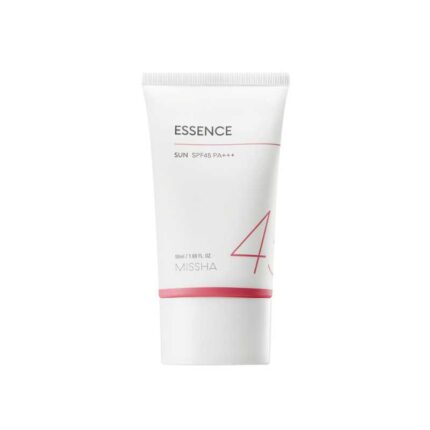 Sale
SaleOriginal price was: ৳ 1,290.00.৳ 903.00Current price is: ৳ 903.00.
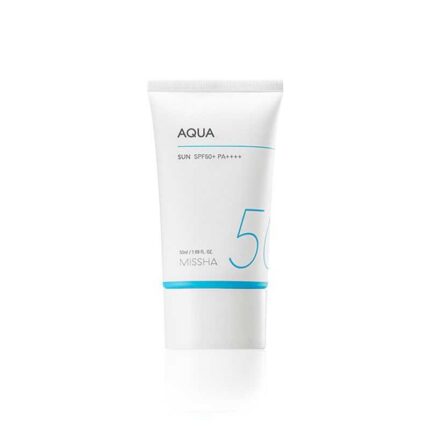 Sale
SaleOriginal price was: ৳ 1,290.00.৳ 903.00Current price is: ৳ 903.00.
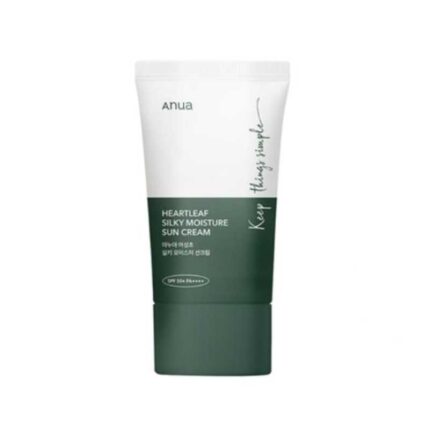 Sale
SaleOriginal price was: ৳ 2,520.00.৳ 1,764.00Current price is: ৳ 1,764.00.
The Science Behind UV Radiation and Skin Damage
Sunlight brings both benefits and risks. UV radiation is invisible to the human eye. However, it significantly impacts skin health. Prolonged exposure can lead to serious issues.
Understanding UVA and UVB Rays
UV radiation divides into three main types. UVA rays penetrate deep into the skin. They contribute to premature aging and wrinkles.
UVB rays primarily affect the skin’s surface. These cause sunburn and cellular damage. Ethylhexyl Methoxycinnamate is designed to absorb UVB. This absorption helps prevent painful burns.
How UV Affects Skin Cells
When UV light hits skin, it can damage DNA. This damage creates mutations in cells. Over time, these mutations accumulate. They can lead to skin cancer development.
UV exposure also increases free radical production. Free radicals harm collagen and elastin. These proteins give skin its firmness. As a result, skin loses elasticity and wrinkles appear.
Ethylhexyl Methoxycinnamate as a Potent UVB Filter Compound
Ethylhexyl Methoxycinnamate is excellent for UVB protection. It forms a thin, protective layer on skin. The layer actively absorbs harmful UVB rays. This prevents them from penetrating epidermal layers.
Absorption Mechanism Explained
Ethylhexyl Methoxycinnamate works by undergoing a photophysical change. When a UVB photon strikes the molecule, energy is absorbed. This absorption excites the molecule’s electrons. They then return to their normal state, releasing energy as heat.
The absorption process of Ethylhexyl Methoxycinnamate is highly efficient. It dissipates UV energy without damaging skin. Many scientists study this mechanism. They ensure maximum protection for consumers.
Spectrum of Protection
Ethylhexyl Methoxycinnamate primarily protects against UVB radiation. Its absorption peaks around 310 nanometers. This range is critical for preventing sunburn. Therefore, it is a crucial component in sunscreens.
While Ethylhexyl Methoxycinnamate is excellent for UVB, it offers minimal UVA protection. As a result, for broad-spectrum defense, other filters are added. These include avobenzone or titanium dioxide. A comprehensive sunscreen combines various active ingredients.
Why UVB Protection Matters
UVB rays are the primary cause of sunburn. Sunburn damages skin cells directly. It also contributes significantly to skin cancer risk. Protecting against UVB is a top priority.
Studies show a clear link between sunburns and melanoma risk. Each severe sunburn increases future risk. Hence, using a strong UVB filter compound is essential. Ethylhexyl Methoxycinnamate provides this critical defense.
Benefits of Sunscreens Containing Ethylhexyl Methoxycinnamate
Incorporating Ethylhexyl Methoxycinnamate into sunscreen offers many advantages. It provides reliable and effective protection. This helps maintain healthy, youthful-looking skin. Furthermore, it supports overall dermatological well-being.
Preventing Sunburn and Redness
The most immediate benefit is sunburn prevention. Ethylhexyl Methoxycinnamate effectively blocks UVB rays. These rays trigger the inflammatory response known as sunburn. As a result, consistent use prevents redness and discomfort.
Sunburn causes immediate pain and peeling. Long-term effects include hyperpigmentation. It can also lead to weakened skin barriers. Therefore, preventing sunburn is crucial for skin health.
Reducing Photoaging Signs
Chronic sun exposure leads to premature aging. This condition is called photoaging. Signs include fine lines, wrinkles, and dark spots. As a result, Ethylhexyl Methoxycinnamate helps mitigate these effects.
By blocking UVB, Ethylhexyl Methoxycinnamate reduces collagen degradation. Collagen keeps skin firm and smooth. As a result, it prevents elastin damage. This action helps maintain skin’s youthful texture and appearance.
Lowering Skin Cancer Risk
UVB radiation is a primary cause of skin cancer. This includes basal cell carcinoma and squamous cell carcinoma. It also increases melanoma risk. Using sunscreens with a strong UVB filter compound is protective.
Dermatologists worldwide emphasize daily sunscreen use. They stress its importance in cancer prevention. Regular application of Ethylhexyl Methoxycinnamate can reduce this serious risk. This provides peace of mind for users.
Contributing to Product Stability
Ethylhexyl Methoxycinnamate offers benefits beyond UV absorption. It can also enhance the stability of other sunscreen ingredients. Some filters degrade faster when exposed to light. Ethylhexyl Methoxycinnamate helps to stabilize them.
For example, it improves the photostability of avobenzone. Avobenzone is a common UVA filter. This combined action ensures longer-lasting protection. Products remain effective throughout their shelf life.
Safety Profile and Regulatory Status of Octinoxate Sunscreen Ingredient
Consumer safety is a top priority for cosmetic regulators. Extensive research supports the use of this ingredient. Its safety has been reviewed by many global health bodies. They ensure it meets strict health standards.
Global Approvals and Restrictions
Octinoxate is approved for use in sunscreens worldwide. This includes the United States, Europe, and Asia. Regulations specify maximum allowable concentrations. These limits ensure consumer safety.
In the US, the FDA lists it as a safe and effective ingredient. The European Commission also approves its use. Studies consistently support its safety profile. Regulatory bodies continuously monitor new research findings.
Addressing Absorption Concerns
Concerns sometimes arise regarding skin absorption. Some studies detect Octinoxate in the bloodstream. However, these levels are generally very low. They are far below any known toxicity thresholds.
Many experts conclude that systemic absorption is minimal. It does not pose a significant health risk. The benefits of sun protection far outweigh absorption concerns. Therefore, its use remains widely recommended.
Potential Sensitivities and Allergies
Like any ingredient, Octinoxate can cause reactions in rare cases. Some individuals might experience skin irritation. Others could develop allergic contact dermatitis. These instances are not common.
If you have sensitive skin, patch testing is wise. Apply a small amount to a discreet area. Observe for any adverse reactions. Should irritation occur, discontinue use immediately.
How to Choose Products with Ethylhexyl Methoxycinnamate
Selecting the right sunscreen is vital for effective protection. Look for products that clearly list ingredients. This helps you identify beneficial compounds. Making an informed choice protects your skin.
Reading Product Labels Effectively
Always check the “Active Ingredients” section on labels. Ethylhexyl Methoxycinnamate will be listed there. Note the concentration of this ingredient. Higher percentages often mean stronger UVB defense.
Pay attention to the SPF number. SPF indicates protection against UVB rays. A higher SPF means more effective shielding. Remember to reapply sunscreen frequently for best results.
Ideal Concentrations for Efficacy
The typical concentration of Ethylhexyl Methoxycinnamate varies. It usually ranges from 5% to 10% in formulas. Regulatory bodies set maximum limits for safety. Within these limits, it provides robust protection.
For example, Ethylhexyl Methoxycinnamate is allowed up to 7.5% in the US. In Europe, limits can be higher. Always choose products formulated within these guidelines. This ensures both safety and effectiveness for users.
Synergistic Ingredients for Broader Protection
A sunscreen with only Ethylhexyl Methoxycinnamate provides UVB protection. However, broad-spectrum defense is crucial. Look for formulas combining it with UVA filters. Zinc oxide or avobenzone offer UVA coverage.
This combination, often including Ethylhexyl Methoxycinnamate, ensures comprehensive protection. It guards against both sunburn and photoaging. Many high-quality sunscreens use multiple active ingredients. This approach delivers superior skin defense.
Comparing Ethylhexyl Methoxycinnamate with Other UV Filters
The world of UV filters is diverse. Many compounds exist to protect skin. Each filter has unique properties and benefits. Understanding these differences helps consumers choose wisely.
Mineral vs. Chemical Filters
UV filters broadly fall into two categories. Mineral filters, like zinc oxide, sit on the skin’s surface. They physically block and reflect UV rays. Chemical filters, such as Ethylhexyl Methoxycinnamate, absorb them.
Mineral options often leave a white cast. They can feel thicker on skin. Chemical filters typically absorb quickly. They leave a sheer finish.
Both mineral and chemical filters, including Ethylhexyl Methoxycinnamate, offer effective sun protection. Your preference might depend on skin type. It also depends on cosmetic elegance. Both are valid choices for daily use.
Common Chemical Counterparts
Besides Ethylhexyl Methoxycinnamate, other chemical filters are common. Oxybenzone and octisalate are often seen. Each absorbs UV at different wavelengths. They work together to broaden protection.
Avobenzone is another well-known chemical filter. It provides excellent UVA protection. Because Ethylhexyl Methoxycinnamate focuses on UVB, avobenzone makes a great partner. They create a powerful protective duo.
Broad-Spectrum Formulations
A truly broad-spectrum sunscreen protects against both UVA and UVB. This is vital for comprehensive skin health. Look for products combining filters like Ethylhexyl Methoxycinnamate. They offer a complete defense against sun damage.
Many advanced formulations include antioxidants. Antioxidants help neutralize free radicals. They offer an additional layer of defense. These ingredients boost overall skin protection.
Environmental Impact and Ethical Considerations
The environmental footprint of ingredients is gaining attention. Consumers increasingly seek sustainable products. Sunscreen ingredients, including some chemical filters, can enter ecosystems. This raises questions about their broader impact.
Concerns for Marine Ecosystems
Research has explored the effects of certain UV filters on marine life. Some studies suggest potential harm to coral reefs. Octinoxate sunscreen ingredient has been part of these discussions. Concerns include coral bleaching and DNA damage.
Because of these concerns, some regions ban certain filters. Hawaii, for instance, restricts octinoxate and oxybenzone. Other tropical destinations have similar regulations. This aims to protect sensitive ocean habitats.
Efforts Towards Sustainable Formulations
The cosmetics industry is responding to environmental concerns. Manufacturers are developing more eco-friendly sunscreens. These new products use filters with less environmental impact. They seek to balance efficacy with sustainability.
Consumers can look for “reef-safe” labels. While not officially regulated, this term indicates efforts. It suggests products avoid specific banned ingredients. Choosing these options supports marine conservation.
Proper Application Techniques for Maximum Protection
Even the best sunscreen is ineffective if not applied correctly. As a result, understanding proper technique maximizes protection. This ensures you get the full benefits. Consistent and thorough application is key.
How Much Sunscreen to Use
Most people apply too little sunscreen. Dermatologists recommend a “shot glass” amount for the body. This translates to about one ounce for adults. For the face, a nickel-sized dollop is sufficient.
Using less reduces the stated SPF significantly. It leaves your skin vulnerable to damage. Always be generous with your application. A good layer provides the intended defense.
Frequency of Reapplication
Sunscreen does not last all day. Reapply it every two hours when outdoors. This rule applies even on cloudy days. If swimming or sweating, reapply more often.
Water and sweat can wash away protection. Towel drying also removes sunscreen. Always reapply after these activities. Fresh layers ensure continuous coverage.
Application Tips for Different Areas
Do not forget easily missed spots. Ears, neck, and the tops of your feet need protection. Your scalp also burns easily. Consider a hat or dedicated scalp sunscreen.
For sensitive areas, choose gentle formulas. Use specific sticks for lips and around eyes. Apply sunscreen before dressing. This avoids missed patches and ensures full coverage.
Common Misconceptions About Chemical Sunscreens
Many myths surround chemical sunscreens. Misinformation can lead to poor protection choices. It is important to separate fact from fiction. Understanding the truth helps you stay safe.
Dispelling Safety Myths
Some believe chemical filters are inherently unsafe. This idea lacks strong scientific evidence. Regulatory bodies confirm the safety of ingredients like Ethylhexyl Methoxycinnamate. They have undergone rigorous testing for decades.
Concerns about endocrine disruption are often raised. However, large-scale human studies do not support these claims. The benefits of preventing sun damage are well-established. These benefits far outweigh hypothetical risks.
Understanding “Chemical” vs. “Mineral” Labels
The terms “chemical” and “mineral” cause confusion. Some consumers think “chemical” means artificial or dangerous. This is a misleading simplification. All substances are technically chemicals, including water.
Mineral sunscreens use zinc oxide and titanium dioxide. These are also chemical compounds. The distinction lies in their mechanism of action. Both offer valuable and effective sun protection.
Innovations and Future Directions in UV Protection
The field of sun protection is constantly evolving. Scientists are developing new, improved filters. They seek better efficacy, safety, and environmental profiles. Future sunscreens promise even more advanced defense.
New Filter Technologies
Researchers are exploring novel UV filters. These aim to provide broader spectrum coverage. Some focus on improved photostability. Others target better water resistance.
For example, new organic filters offer enhanced safety. They may have larger molecular sizes. This reduces skin absorption even further. These innovations represent progress in sun care.
Enhanced Delivery Systems
Beyond new filters, delivery systems are also advancing. Microencapsulation protects filters from degradation. It also minimizes direct skin contact. This can reduce potential irritation.
Smart sunscreens could indicate reapplication needs. They might change color or provide alerts. Such technologies could revolutionize user habits. They promise more consistent and reliable protection.
Frequently Asked Questions
Is Ethylhexyl Methoxycinnamate safe for daily use?
Yes, regulatory bodies worldwide deem Ethylhexyl Methoxycinnamate safe. It is approved for daily use within specified concentrations. The benefits of sun protection outweigh minimal absorption concerns.
Does Ethylhexyl Methoxycinnamate cause skin irritation?
It is generally well-tolerated by most skin types. However, rare cases of irritation or allergy can occur. If you have sensitive skin, perform a patch test first.
Is this ingredient effective against all types of UV rays?
Ethylhexyl Methoxycinnamate is highly effective as a UVB filter compound. It primarily protects against sunburn-causing UVB rays. For broad-spectrum protection, combine it with a UVA filter.
How does it compare to mineral sunscreens?
Ethylhexyl Methoxycinnamate absorbs UV rays chemically. Mineral sunscreens like zinc oxide physically block them. Both types offer effective protection, often chosen based on cosmetic preference.
Final Thoughts
Choosing the right sunscreen is a cornerstone of skin health. Ethylhexyl Methoxycinnamate stands out as a reliable UVB filter. Its proven efficacy protects against sunburn and photoaging. This ingredient makes a real difference in daily protection.
Understanding what Ethylhexyl Methoxycinnamate does empowers you. You can confidently select products for your family. Always look for broad-spectrum formulations. Protecting your skin from sun damage is a lifelong commitment.