
Dipotassium Glycyrrhizate Skin Soothing Guide

Is your skin red, irritated, or sensitive after trying new products? Dipotassium Glycyrrhizate often appears in labels as a calming ingredient and can help ease redness quickly. This guide explains what it does and how to pick products that fit your needs.
What is Dipotassium Glycyrrhizate?
Dipotassium Glycyrrhizate is a salt derived from glycyrrhizic acid, which comes from licorice root. For shoppers, that means the ingredient is a plant-based, water-soluble compound found in many skincare items. Studies show licorice-derived compounds can reduce skin inflammation and soothe irritation.
Because it is water-soluble, manufacturers add Dipotassium Glycyrrhizate to serums, creams, and cleansers to boost skin comfort. That is why you will see it listed on ingredient panels near other soothing agents.
Recommended Products
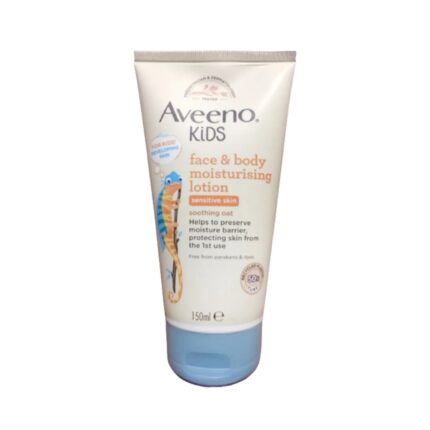 Sale
SaleOriginal price was: ৳ 1,750.00.৳ 1,349.00Current price is: ৳ 1,349.00.
 Sale
SaleOriginal price was: ৳ 2,160.00.৳ 1,512.00Current price is: ৳ 1,512.00.
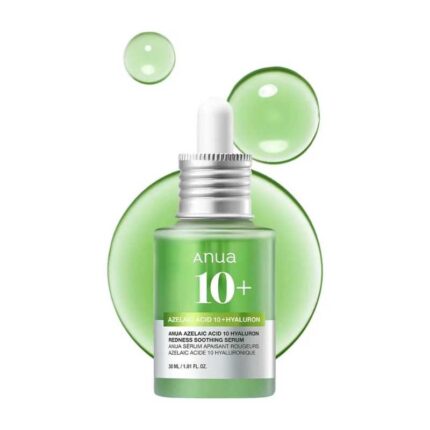 Sale
SaleOriginal price was: ৳ 3,400.00.৳ 2,380.00Current price is: ৳ 2,380.00.
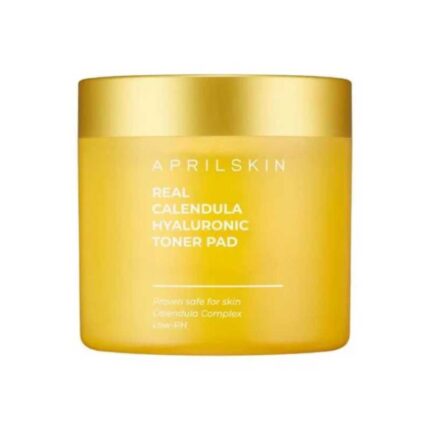 Sale
SaleOriginal price was: ৳ 2,950.00.৳ 2,690.00Current price is: ৳ 2,690.00.
How Dipotassium Glycyrrhizate Works on Skin
Dipotassium Glycyrrhizate fights inflammation and calms reactive skin by affecting signals that cause redness. Research indicates it helps lower inflammatory markers, which reduces swelling and heat in troubled areas. As a result, skin often looks less flushed after consistent use.
For example, its molecular structure supports water retention in the skin, which helps maintain a healthy barrier. While humectants attract moisture, Dipotassium Glycyrrhizate soothes with an anti-inflammatory action that complements hydration.
Key Benefits for Everyday Use
This ingredient delivers several benefits for people with sensitive or stressed skin. It soothes irritation, reduces visible redness, and supports the skin barrier for smoother texture. That combination makes it popular in products marketed for calming and recovery.
Because it pairs well with other mild actives, Dipotassium Glycyrrhizate appears in formulas that target redness without harsh acids or strong retinoids. Dermatologists recommend gentle pairings for sensitive skin to avoid provoking further irritation.
Where You Find Dipotassium Glycyrrhizate
Manufacturers use Dipotassium Glycyrrhizate in cleansers, creams, masks, and serums. It mixes well in water-based and light emulsions, so you will often find it in hydrating and calming lines. That placement helps it act quickly at the surface to calm redness.
When shopping, check the ingredient list for “Dipotassium Glycyrrhizate” or look for products that advertise a licorice soothing ingredient. Many sensitive-skin lines note the presence of licorice-related extracts to signal calming benefits.
Is Dipotassium Glycyrrhizate Safe?
Research indicates Dipotassium Glycyrrhizate is generally safe for topical use when formulated at standard cosmetic concentrations. Patch testing reduces the chance of a reaction, and many people tolerate it well. However, a small number of users may experience sensitivity to plant extracts, so caution helps.
Since allergic responses vary, start with a patch test behind the ear or on the inner forearm for three days. If redness or itching appears, stop the product and consult a dermatologist for next steps.
Concentration and Formulation Tips
Concentrations vary by product type and brand. Serums may contain higher percentages for targeted calming, while cleansers often include lower levels to minimize skin contact time. That means product type matters when you expect quick soothing or long-term comfort.
As a result, choose a serum or cream if your goal is persistent anti-redness support. Conversely, select a cleanser for occasional calming during your routine when you want milder exposure.
How to Read Product Labels
Look for Dipotassium Glycyrrhizate in the INCI list near other water-soluble ingredients. If labels feature licorice extracts, check whether the formula lists the salt form to confirm the calming compound. That step helps you verify whether the product contains the specific active that targets redness.
For example, a product might list “Glycyrrhiza Glabra Extract” and also include Dipotassium Glycyrrhizate for a joined effect. That mix often indicates a focus on soothing and balancing irritated skin.
Pairing with Other Ingredients
Dipotassium Glycyrrhizate works well with hyaluronic acid, ceramides, and mild antioxidants. These pairings support skin hydration and barrier repair while reducing irritation. Because the ingredient is gentle, it complements routine actives suited for sensitive skin.
Yet avoid pairing it with very strong irritants if you have reactive skin, since those can overwhelm the soothing benefit. Instead, choose gentle exfoliants and low-strength actives until your skin tolerates stronger treatments.
Sensitive Skin
People with sensitive skin often look for the calming effects of Dipotassium Glycyrrhizate. It provides rapid relief from flushing without harsh chemicals. That makes it a smart choice for daily care.
Acne-Prone Skin
For acne-prone skin, the ingredient reduces redness around breakouts and eases inflammation. Studies show calming agents can lower post-acne redness and support healing. Use alongside non-comedogenic formulations to avoid clogging pores.
Dry or Dehydrated Skin
Because it supports barrier function and hydration, Dipotassium Glycyrrhizate helps dry or dehydrated skin feel less tight. When combined with humectants, it enhances comfort and reduces visible dryness. That approach can improve overall skin feel quickly.
Common Myths and Misconceptions
Myth: It will lighten the skin drastically. Dipotassium Glycyrrhizate soothes and may reduce redness, but it does not act like a strong bleaching agent. Expect milder, calming effects rather than dramatic color change.
Myth: Plant-based means allergy-free. Natural source does not guarantee absence of reactions, and some people react to plant extracts. Always test new products and stop use if irritation begins.
Choosing Products for Specific Concerns
If your main concern is redness, seek products labeled for calming or sensitive skin that list Dipotassium Glycyrrhizate high in the ingredient list. Ingredients are listed by concentration, so prominence suggests a meaningful amount. That helps you pick items likely to deliver visible relief.
For daily maintenance, choose lightweight formulations with supporting ingredients such as ceramides and hyaluronic acid. That mix offers hydration, barrier support, and steady anti-redness action without heavy textures.
How to Introduce Dipotassium Glycyrrhizate into Your Routine
Start slowly with one product and use it for at least two weeks to judge effect. If irritation does not occur, you can add another product with the same ingredient. That steady approach prevents overload and clarifies what works for your skin.
While adding new products, maintain a simple base routine of gentle cleanser, moisturizer, and sunscreen. That baseline supports recovery and shows whether the new ingredient improves redness and comfort.
What to Expect: Results and Timeline
Many people notice reduced redness within days, while full barrier repair can take weeks. Results depend on severity, underlying causes, and product formulation. Research indicates consistent use leads to measurable calming over time.
Because skin renews itself, allow several weeks for visible improvements and avoid quick judgments. If redness persists after consistent use, seek advice from a dermatologist for tailored care.
Product Recommendations and Labels to Watch
Look for terms like “calming,” “sensitive,” or “soothing” on packaging. If a product lists Dipotassium Glycyrrhizate near the top of the INCI list, it likely plays a central role in the formula. That helps you decide whether the item prioritizes redness reduction.
Also watch for supportive ingredients such as ceramides and niacinamide, which help barrier repair and even tone. Together with Dipotassium Glycyrrhizate, these can form a gentle routine that reduces flare-ups.
Licorice Soothing Ingredient: What That Label Means
The phrase licorice soothing ingredient often points to glycyrrhiza-related compounds, including Dipotassium Glycyrrhizate. That connection signals plant-based calming properties without heavy oils. Consumers who prefer botanical options can look for this language when shopping.
Because multiple licorice derivatives exist, confirm the label lists the specific salt or extract you want. That ensures you receive the targeted soothing action rather than a generic extract with uncertain benefits.
Anti Redness Compound: Why It Matters
Products that advertise an anti redness compound aim to reduce flushing and visible inflammation. Dipotassium Glycyrrhizate fits this category because it acts on the biological pathways that drive redness. That makes it a practical choice for people seeking calmer skin appearance.
When a formula combines an anti redness compound with barrier-supporting ingredients, the overall effect often improves resilience and lowers future flare-ups. This combined tactic yields better long-term outcomes.
Safety During Pregnancy and For Children
Many topical skincare ingredients are safe in pregnancy, but data on Dipotassium Glycyrrhizate is limited for pregnant skin. Consult a healthcare provider to confirm safety based on your personal health profile. That step gives you confidence before introducing any new topical agent.
For children, patch testing matters even more because their skin can react differently than adult skin. If you plan to use a product on a child, choose formulations designed for pediatric use and follow medical advice.
Sustainability and Sourcing
Licorice-derived ingredients come from plant roots, and sourcing quality varies by brand. Look for companies that describe their sourcing and testing practices when sustainability matters to you. That information can indicate ethical harvesting and minimal environmental impact.
Since transparency differs across brands, prefer those that publish ingredient sourcing or third-party audits. That choice supports better practices and clearer expectations.
Cost vs. Benefit: Is It Worth Buying?
Dipotassium Glycyrrhizate appears in a range of price points, from budget-friendly to premium. The benefit often depends on concentration and formulation rather than price alone. Therefore compare INCI lists and supporting ingredients to judge likely effectiveness.
Because small brands may use effective concentrations at fair prices, read labels rather than relying on price as a quality signal. That strategy lets you find good value that calms redness and supports skin health.
When to See a Dermatologist
If redness persists despite consistent use of calming products, book a dermatologist visit. A professional can assess underlying causes and suggest treatments that go beyond over-the-counter options. That step prevents years of trial and error and speeds effective care.
Also consult a specialist before combining prescription treatments with topical products that include Dipotassium Glycyrrhizate. Medical guidance helps avoid interactions and ensures a safe plan for sensitive skin.
DIY Cautions: Avoid Homemade Concentrates
Making your own extracts or concentrates can cause irritation and contamination. Cosmetic labs balance pH and preservative systems to keep products stable and safe. That is why store formulas are generally safer than DIY attempts for skin-sensitive applications.
Instead of DIY, choose tested products that list Dipotassium Glycyrrhizate and clear preservative systems. That reduces the risk of infection or instability in your skincare routine.
Real-World User Tips
Start with a patch test, then use the product on one area before full-face application. Track results in a simple log to see trends in redness, dryness, and comfort. That habit helps you determine whether Dipotassium Glycyrrhizate is working for your skin.
Also rotate products slowly to isolate what helps and what does not. If a single new item reduces redness, you likely found an effective calming solution.
How to Combine with Makeup
Apply calming creams with Dipotassium Glycyrrhizate before makeup to reduce redness and create a smoother base. Lightweight formulas absorb quickly and allow makeup to sit evenly. That approach helps both conceal and treat redness throughout the day.
When choosing a primer or concealer, pick non-comedogenic options to avoid clogging pores. That protects skin that already shows signs of irritation or inflammation.
Storage and Shelf Life
Keep products in cool, dry places away from direct sunlight to preserve stability. Most water-based products last six to twelve months after opening, depending on preservatives and packaging. That range helps you plan purchases and avoid expired items that could irritate skin.
If a product changes smell, color, or texture, stop using it and replace it. Those signs may indicate microbial growth or breakdown of actives, which can harm sensitive skin.
Signs a Product Is Working
Look for steady reduction in morning redness and fewer flare-ups after weeks of use. Improved comfort, less heat, and reduced itching also indicate benefit. Because healing varies, track changes across several weeks to confirm a true effect.
For acne-related redness, fewer pustules and faster fade of post-inflammatory marks show progress. That combination means the calming ingredient supports skin recovery while other treatments address breakouts.
Comparisons with Other Soothing Ingredients
Dip otassium Glycyrrhizate differs from niacinamide and centella asiatica in its plant origin and mechanism. Niacinamide boosts barrier function and evens tone, while centella aids collagen and wound repair. Together, these ingredients can complement each other for a fuller approach to sensitive skin care.
While some people prefer a single hero ingredient, products that combine several gentle actives often deliver more balanced results. That is why look for formulas where Dipotassium Glycyrrhizate works alongside other mild, supportive compounds.
Frequently Asked Questions
Is Dipotassium Glycyrrhizate safe for daily use?
Yes, it is generally safe for daily topical use at typical cosmetic levels. Patch testing first reduces risk. If irritation appears, stop and seek medical advice.
Will it help rosacea or chronic redness?
Dipotassium Glycyrrhizate can reduce visible redness and soothe inflamed skin, but it is not a cure for rosacea. Consult a dermatologist for chronic conditions before relying solely on over-the-counter products.
Can I use it with retinoids or acids?
Yes, but proceed cautiously and introduce combinations slowly. Start with lower frequencies and monitor for irritation, adjusting use if redness or peeling appears.
Does it lighten dark spots or hyperpigmentation?
It can help reduce post-inflammatory redness, but it does not act like a strong depigmenting agent. For persistent dark spots, consider targeted brightening actives under professional guidance.
Final Thoughts
Dipotassium Glycyrrhizate offers practical, gentle relief for redness and irritation when used as part of a simple skincare routine. For best results, pair it with barrier-supporting ingredients and pick formulations labeled for sensitive skin. Try a patch test, choose products with clear ingredient lists, and consult a dermatologist if redness persists for a safe and effective approach.