
Dimethiconol: Uses, Benefits & Safety Guide

Do your skin or hair products leave a smooth, slip-like finish that you wonder about? Dimethiconol appears in many formulas for that exact effect. This guide explains what Dimethiconol is and how it works for everyday users.
What is Dimethiconol?
Dimethiconol is a silicone polymer used in cosmetics and personal care. As a silicone conditioning ingredient, it provides slip and a silky texture to creams, serums, and conditioners. Studies show silicones can form a thin, breathable film on skin and hair that helps reduce transepidermal water loss.
Dermatologists recommend silicones for people who need non-greasy protection and smoothing. Because Dimethiconol is a higher-molecular-weight silicone, it feels heavier than volatile silicones. This means it leaves a subtle, long-lasting coating rather than evaporating quickly.
Recommended Products
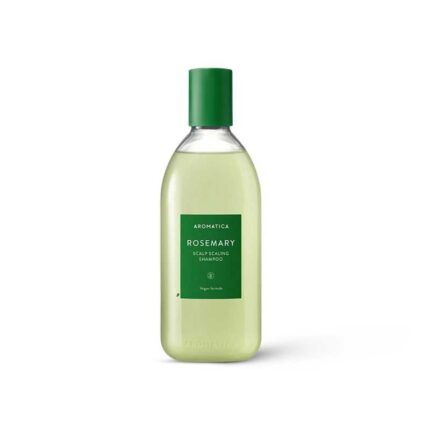 Sale
SaleOriginal price was: ৳ 3,300.00.৳ 2,970.00Current price is: ৳ 2,970.00.
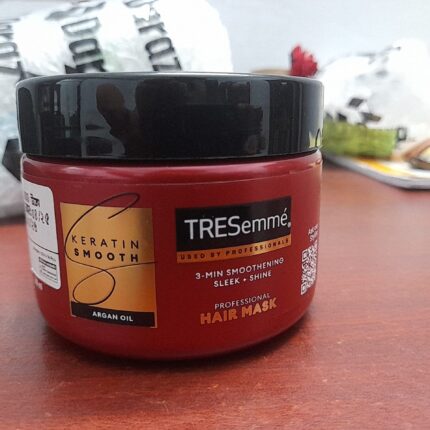 Sale
SaleOriginal price was: ৳ 1,200.00.৳ 950.00Current price is: ৳ 950.00.
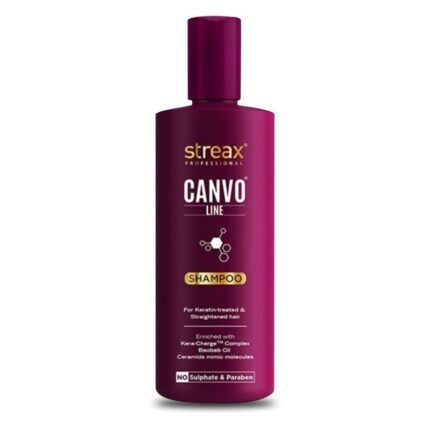 Sale
SaleOriginal price was: ৳ 1,100.00.৳ 799.00Current price is: ৳ 799.00.
How Dimethiconol works on skin and hair
When applied, Dimethiconol spreads to form a uniform layer on the surface. This protective layer reduces moisture loss and smooths texture. That is why many moisturizers use it.
Skin surface action
On skin, Dimethiconol acts as a protective barrier compound. It fills tiny surface irregularities, which creates a visible smoothing effect. As a result, skin often looks softer and appears more even after use.
Hair surface action
For hair, Dimethiconol coats the cuticle to reduce friction and frizz. Since it smooths the surface, detangling becomes easier and shine improves. This makes it common in conditioners and leave-in treatments.
Formulation behavior
Cosmetic chemists choose Dimethiconol for stability in creams and oils. It mixes well with other emollients and stays effective across a range of temperatures. For example, it resists breakdown in lotions meant to sit on the shelf for months.
Key benefits of Dimethiconol
Consumers often buy products with Dimethiconol for visible smoothing and a silky feel. The ingredient reduces friction and can make makeup apply more evenly. Research indicates silicone-based films help retain moisture that would otherwise evaporate.
Because Dimethiconol is non-volatile, benefits last longer than with light silicones. It helps hair appear shinier and prevents strands from catching during combing. That is why many styling products include it for long-lasting control.
Smoothing and texture
Dimethiconol fills micro-roughness on skin and hair, creating a smoother surface. As a result, fine lines and dry patches look less noticeable after application. Consumers often notice immediate tactile changes after a single use.
Moisture protection
The film formed by Dimethiconol slows water loss without blocking pores for most people. Dermatologists recommend it for those who want hydration support without heavy oils. Yet those with very oily skin should test products first.
Enhanced application and spreadability
Products with Dimethiconol spread evenly and blend well with makeup. Because it creates slip, a little product covers a wider area. This means less tugging during application and a smoother finish.
Safety and side effects to consider
Dimethiconol is generally well tolerated by most skin types. Studies show silicone polymers rarely cause irritation or allergic reactions. For people with sensitive skin, patch testing new products is a reasonable step.
Although Dimethiconol forms a protective film, it is not typically comedogenic for most users. Still, individuals prone to acne should try a small amount before regular use. If pore-clogging occurs, stop using the product and consult a dermatologist.
Possible buildup and removal
Long-term use of silicone-heavy products can cause light buildup on hair or skin. When build-up happens, a clarifying shampoo or a gentle exfoliating product removes residue. That means occasional deep cleansing keeps hair and skin feeling fresh.
Pregnancy and children
Research indicates Dimethiconol is safe for topical use during pregnancy when used as directed. Pediatricians often accept its use in baby lotions for barrier support. However, check product labels and consult your healthcare provider if uncertain.
How to choose products that contain Dimethiconol
Look at labels to find Dimethiconol listed among ingredients. It often appears near the middle or end of the list where concentration is moderate. When shopping, consider your skin or hair type and the product format.
If you prefer lightweight finishes, choose formulations with lower-viscosity silicones in combination with Dimethiconol. For heavy smoothing, look for leave-on creams or serums that list Dimethiconol near the top. Consumers should avoid mixing many silicone products at once to limit buildup.
What to expect by product type
Shampoos with Dimethiconol tend to add slip and shine without leaving heavy grease. Conditioners and leave-ins use it for long-lasting detangling and protection. Moisturizers incorporate it for a soft, velvety after-feel and surface smoothing.
Understanding ingredient pairings
Dimethiconol works well with humectants like glycerin and emollients such as plant oils. That means it enhances feel while humectants draw moisture to the skin. If you want lightweight hydration, choose a formula that balances silicones and water-based humectants.
How to use Dimethiconol-containing products
Apply leave-on products in small amounts to avoid build-up. For hair, use dime-sized portions for short cuts and larger amounts for long hair. While combing, distribute evenly from mid-lengths to ends.
When using skin products, massage a thin layer into damp skin to lock in moisture. Because Dimethiconol spreads well, a small quantity often suffices. If layering multiple products, put silicone-containing items last.
Tips for different hair types
For fine hair, dilute a small drop with water or a lightweight oil before applying. Those with thick or coarse hair may need more product to achieve the same smoothing effect. That means adjust amounts based on texture and desired finish.
Tips for different skin types
Oily skin types should use Dimethiconol products sparingly and avoid daily heavy creams. Dry skin benefits from richer formulas that include the ingredient for hydration support. For sensitive skin, use a patch test before full application.
Performance comparisons and when to choose Dimethiconol
Compared with lighter silicones, Dimethiconol provides longer-lasting coverage. That means it is preferred for leave-on products that require durability. If you need temporary slip that evaporates quickly, choose volatile silicones instead.
Compared with plant oils, Dimethiconol creates a thinner film that does not feel greasy for most users. For people who dislike oily residues, a product with Dimethiconol may feel more comfortable. However, those seeking natural-only formulations might avoid silicones for personal reasons.
Pros and cons
Pros include lasting smoothness, reduced friction, and improved spread. Cons include potential buildup and a synthetic ingredient profile. Thus, weigh trade-offs based on your routine and preferences.
Environmental and removal considerations
Silicones like Dimethiconol are not as biodegradable as some natural oils. As a result, environmental concerns lead some companies to seek alternatives. Research indicates many silicones remain stable and can persist in the environment longer than biodegradable substances.
To remove Dimethiconol from hair, use a surfactant-based clarifying shampoo. For skin, gentle exfoliation or an oil-based cleanser helps lift residue. That means regular rotation with cleansing products keeps skin and hair free of buildup.
Label reading and ingredient names to watch
Dimethiconol can appear alongside other silicone names like dimethicone or cyclomethicone. If you prefer a single silicone, check the full ingredient list. When manufacturers combine silicones, they often aim to balance feel and performance.
Some products list related polymers under trade names or blends without the exact term. If you need clarity, contact the brand or look for detailed ingredient breakdowns. Since labels vary, learning common silicone names helps you make informed choices.
Real user experiences and expert guidance
Many users report immediate smoothness and easier styling with Dimethiconol products. Professional stylists often keep silicone-containing serums for smoothing frizz on set. Research indicates consistent use can make hair look healthier, while effects vary by hair history.
Dermatologists recommend silicones for barrier support when irritation is not present. If you have chronic skin conditions, your clinician may advise specific routines. For example, alternating treatments helps manage both therapeutic and cosmetic needs.
Myths and misconceptions
Myth: Dimethiconol clogs pores for everyone. Reality: Most people do not experience comedogenic effects, but individual responses vary. Test products before committing to daily use if you have acne-prone skin.
Myth: All silicones are the same. Reality: Silicones vary in weight, volatility, and skin feel. Dimethiconol is higher weight and offers longer-lasting coverage than light silicones.
Frequently Asked Questions
Is Dimethiconol safe for daily use?
Yes, most evidence shows Dimethiconol is safe for daily topical use for many people. Still, those with sensitive or acne-prone skin should patch test and monitor reactions.
Will Dimethiconol make my hair greasy?
Dimethiconol can feel weighty if used in excess, but it does not behave like heavy oils for most users. Use small amounts and focus on mid-lengths and ends to avoid greasy roots.
How do I remove Dimethiconol buildup?
Use a clarifying shampoo or a surfactant-based cleanser to remove buildup from hair. For skin, oil cleansers or gentle exfoliation help lift residue effectively.
Does Dimethiconol block sunscreen or active ingredients?
Dimethiconol forms a thin film that can slightly affect absorption of some topicals, but it usually does not block sunscreen when both are applied properly. For best results, apply sunscreens first then wait before layering silicone-rich serums.
Final Thoughts
Dimethiconol delivers long-lasting smoothing and protection as a silicone conditioning ingredient that many users find helpful. For most people, one product with this ingredient improves texture and reduces moisture loss without irritation. Try a small patch and choose formulas that suit your skin and hair needs for best results.