
Dexpanthenol: Skin Benefits and How to Use It

Dry, tight, or easily irritated skin can make even a simple routine feel confusing. Dexpanthenol often appears in creams, serums, balms, and after-sun products because it supports comfort and moisture. Shoppers see the name often, yet many do not know what it does.
What Is Dexpanthenol?
Dexpanthenol is a form of provitamin B5, which means skin can change it into pantothenic acid. Pantothenic acid helps normal skin function, including moisture balance and repair. Because of this role, many brands use the ingredient in products for dry or stressed skin.
Research indicates that Dexpanthenol can help the outer skin layer hold water. This outer layer, called the stratum corneum, acts like a shield. When it stays flexible and hydrated, skin often feels smoother and less tight.
Shoppers may see it listed as panthenol, provitamin B5, or a vitamin B5 derivative ingredient. These names are closely related, although product formulas can vary. The final result depends on the full formula, not one ingredient alone.
Why the Name Can Look Confusing
Dexpanthenol and panthenol often appear in similar products. The term panthenol can refer to related forms of provitamin B5. However, Dexpanthenol refers to the form that cosmetic and skin care products often use for skin comfort.
Because ingredient names can feel technical, packaging may use simpler wording. For example, a label might say provitamin B5 on the front. The ingredient list may still show Dexpanthenol or panthenol.
How It Acts on Skin
Dexpanthenol works as a humectant, which means it helps attract and hold water. Humectants support a plumper feel in the top layer of skin. As a result, rough patches may feel softer with regular use.
Studies show that panthenol can support skin barrier function in cosmetic use. The barrier helps reduce water loss from the surface. When this barrier works better, skin often feels calmer and more comfortable.
Where Shoppers Usually Find It
Dexpanthenol appears in face creams, body lotions, hand creams, lip balms, and diaper creams. You may also find it in scalp care, hair products, and after-shave formulas. Brands often choose it when they want a gentle, soothing feel.
Because it fits many product types, the texture can change a lot. A balm may feel rich and protective, while a serum may feel light. The best choice depends on your skin type and daily routine.
Recommended Products
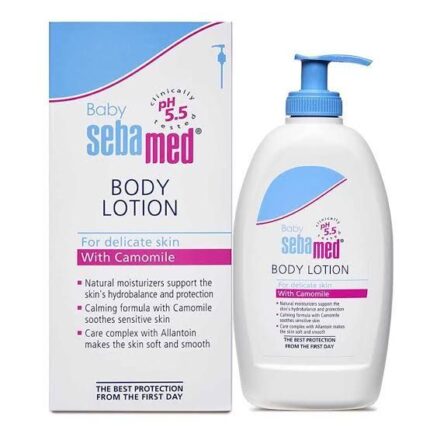 Sale
SaleOriginal price was: ৳ 3,500.00.৳ 2,499.00Current price is: ৳ 2,499.00.
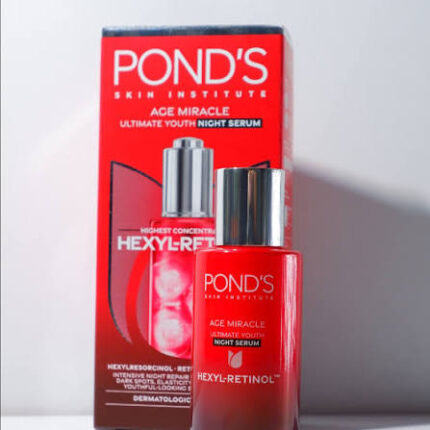 Sale
SaleOriginal price was: ৳ 2,000.00.৳ 1,950.00Current price is: ৳ 1,950.00.
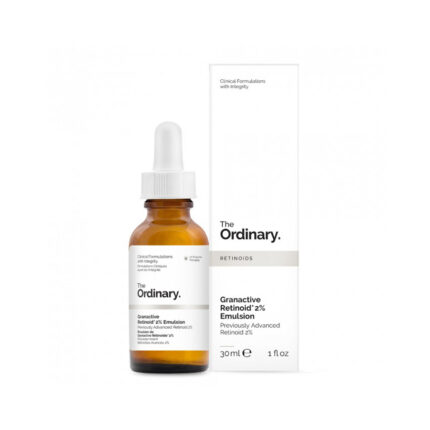 Sale
SaleOriginal price was: ৳ 2,000.00.৳ 1,490.00Current price is: ৳ 1,490.00.
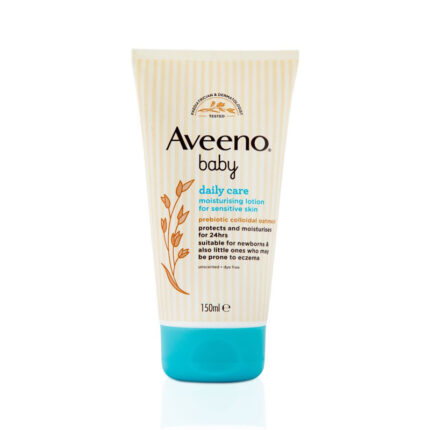 Sale
SaleOriginal price was: ৳ 1,400.00.৳ 890.00Current price is: ৳ 890.00.
Dexpanthenol Benefits for Skin Barrier Support
Dexpanthenol supports the skin barrier by helping the surface stay hydrated and flexible. Dermatologists often explain the barrier as the skin’s first line of defense. When it weakens, dryness, flaking, and stinging may become more common.
Research indicates that provitamin B5 can reduce moisture loss from the skin surface. This does not mean it seals skin like an ointment. Instead, it helps create a more comfortable environment for normal repair.
Because barrier issues often follow harsh weather or over-cleansing, this ingredient can suit many shoppers. It pairs well with simple routines that avoid too many actives. That is why sensitive skin products often include it.
Moisture Support
Dexpanthenol helps draw water into the upper skin layer. This can make skin feel smoother soon after application. However, lasting comfort usually comes from steady use over several days.
When formulas also include emollients, they help soften rough areas. Emollients are ingredients that smooth and cushion the skin. Together, humectants and emollients can reduce the feeling of tightness.
Comfort After Irritation
Dexpanthenol often appears in products for skin that feels stressed after sun, wind, or shaving. These products focus on comfort rather than strong active treatment. Many shoppers like it because it feels gentle in simple formulas.
Still, irritation can have many causes. If burning, swelling, or rash continues, a health professional should guide you. Skin care can support comfort, yet it cannot replace medical care for ongoing problems.
Support for a Damaged Barrier
Some shoppers call it a barrier repair compound because it supports the outer layer of skin. That phrase can help describe its role, but it should not sound like a cure. Skin repair needs time, moisture, and a low-irritation routine.
Dermatologists often recommend reducing harsh scrubs when the barrier feels weak. They also suggest fragrance-free moisturizers for many sensitive users. Dexpanthenol can fit well within that kind of calm routine.
How Dexpanthenol Compares With Similar Ingredients
Dexpanthenol belongs in the group of supportive skin care ingredients. It does not exfoliate like acids or brighten like some vitamin C products. Instead, it focuses on moisture, comfort, and barrier support.
Because many shoppers compare labels, it helps to know how this ingredient differs from common options. Hyaluronic acid, glycerin, ceramides, and niacinamide can all help skin. Yet each one works in a different way.
Studies show that barrier-friendly routines often combine several ingredient types. A balanced formula may include humectants, emollients, and lipids. This means Dexpanthenol can work well beside other gentle ingredients.
Dexpanthenol and Hyaluronic Acid
Dexpanthenol and hyaluronic acid both support hydration. Hyaluronic acid holds water well, which can give skin a plump look. Dexpanthenol also helps with comfort and barrier support.
When used together, these ingredients can suit dry or dehydrated skin. A serum may supply light hydration, while a cream can add comfort. For many shoppers, layering depends on product texture.
Dexpanthenol and Glycerin
Glycerin is a classic humectant with strong evidence in skin care. It helps draw water into the top layer. Dexpanthenol can add a soothing feel and support the barrier.
Because glycerin appears in many moisturizers, you may already use it daily. A product with both ingredients can feel very practical. This mix often works well for hands, face, and body.
Dexpanthenol and Ceramides
Ceramides are lipids, which means they are fat-like parts of the skin barrier. They help fill gaps between skin cells. Dexpanthenol supports hydration and comfort, while ceramides support barrier structure.
For example, very dry skin may benefit from both. A ceramide cream can help restore a richer feel. A formula with Dexpanthenol may feel calmer and less tight.
Dexpanthenol and Niacinamide
Niacinamide is another form of vitamin B3, not vitamin B5. It can help uneven tone, oil balance, and barrier support. Dexpanthenol focuses more on moisture and soothing comfort.
While both ingredients can suit sensitive skin, some users react to higher niacinamide levels. If your skin stings easily, start with a simple product. Then add stronger active formulas slowly.
Who Should Consider Dexpanthenol Products?
Dexpanthenol can suit many people because it supports basic skin needs. Dry skin, sensitive skin, and seasonal roughness often need moisture and barrier care. This ingredient can help those goals without acting like a harsh active.
Dermatologists recommend gentle moisturizers for many people with dryness or irritation. They often suggest avoiding strong fragrance and harsh cleansing. A Dexpanthenol product can match that advice when the full formula stays simple.
However, not every product with this ingredient will suit every person. Texture, fragrance, preservatives, and other actives still matter. Always judge the complete product, not only the front label.
Dry Skin Shoppers
Dexpanthenol may help dry skin feel less tight after cleansing. It supports water retention in the surface layer. As a result, skin can feel more flexible during the day.
For dry skin, choose a cream or balm rather than a watery gel. Richer textures often include oils, butters, or occlusive agents. Occlusives help reduce water loss from the surface.
Sensitive Skin Shoppers
Sensitive skin often reacts to fragrance, strong acids, or too many new products. Dexpanthenol can fit a lower-risk routine because it supports comfort. Still, even gentle ingredients can bother some people.
When skin reacts easily, patch test before full use. Apply a small amount near the jaw or inner arm. If redness or itching appears, stop using it.
People Using Active Ingredients
Retinoids, exfoliating acids, and acne treatments can cause dryness. Dexpanthenol can help support comfort while skin adjusts. This makes it useful in a routine with stronger products.
Because active ingredients can irritate, keep the rest of your routine simple. Use a mild cleanser and a steady moisturizer. Then increase active use only when your skin feels calm.
Body Care and Hand Care Users
Hands often lose moisture because of washing, weather, and sanitizers. Dexpanthenol appears in many hand creams for this reason. It can help rough skin feel softer with repeated use.
For body care, look for lotions with humectants and richer conditioners. Elbows, knees, and shins often need more support. A thicker product at night can make daily care easier.
How to Choose a Dexpanthenol Product
Dexpanthenol appears in many price ranges, so shoppers should look beyond cost. A good product should match your skin type, routine, and comfort needs. The ingredient list can reveal whether the formula feels light or rich.
When shopping online, read the full product description and ingredient list. Reviews can help with texture clues, although they do not prove results. Skin type, climate, and routine can change each person’s experience.
Research indicates that steady moisturizing often helps dryness more than rare use of expensive products. A product you enjoy using daily usually gives better value. Consistency matters more than a trendy label.
Check the Product Type
Dexpanthenol in a serum may feel light and quick. In a cream, it may feel more cushioned and comforting. In a balm, it may feel protective and heavy.
Because textures vary, match the format to your need. Oily skin may prefer a gel-cream. Very dry skin may prefer a cream or ointment-like balm.
Read the Ingredient List
Look for supportive ingredients near Dexpanthenol. Glycerin, hyaluronic acid, ceramides, squalane, and shea butter can support moisture. However, fragrance and strong essential oils may bother sensitive users.
Ingredient lists follow set rules in many regions, with higher amounts often listed earlier. Very small amounts may appear near the end. This does not always mean the ingredient lacks value, since some actives work at low levels.
Match It to Your Skin Concern
If your skin feels tight, choose a moisturizer with Dexpanthenol and emollients. If your skin feels oily but dehydrated, choose a lighter gel-cream. For cracked hands, choose a richer cream or balm.
When your barrier feels weak, avoid adding several new products at once. A simple cleanser, moisturizer, and sunscreen can do a lot. Once your skin feels stable, you can adjust slowly.
Consider Fragrance and Finish
Fragrance can make a product feel pleasant, yet it can trigger irritation. Dermatologists often suggest fragrance-free care for sensitive skin. This advice matters most during dryness, peeling, or stinging.
Finish also matters for daily use. Some products leave a dewy feel, while others dry down softly. Choose one that fits your day, so you will keep using it.
How to Use Dexpanthenol in Your Routine
Dexpanthenol works best when you apply it to clean skin and use it consistently. You can use it once or twice daily, depending on the product directions. Most moisturizers fit well after cleansing and before sunscreen.
Because this ingredient supports hydration, damp skin can help some formulas spread better. Apply moisturizer soon after washing, while skin still feels slightly moist. This can help seal in a more comfortable feel.
Dermatologists recommend daily sunscreen for morning routines. Dexpanthenol does not replace sunscreen or protect skin from UV damage. Use sunscreen as the final morning step.
Morning Routine
Start with a gentle cleanser or a simple water rinse. Then apply a Dexpanthenol serum or moisturizer. Finish with sunscreen if your skin will see daylight.
When you use makeup, allow the moisturizer to settle first. A light layer can reduce pilling under foundation. If pilling happens, use less product or choose a thinner texture.
Evening Routine
At night, cleanse away sunscreen, makeup, and daily grime. Apply treatment products first if you use them. Then use a Dexpanthenol cream to support comfort.
If your skin feels very dry, add a richer balm on top. This can help reduce overnight water loss. However, acne-prone skin may prefer lighter layers.
With Retinol or Acids
Dexpanthenol can help routines that include retinol or exfoliating acids. These actives can cause dryness when used too often. A soothing moisturizer can make the routine feel easier.
Start retinol or acids slowly, especially if your skin reacts. Use them on alternate nights at first. When irritation appears, pause actives and focus on barrier care.
After Shaving or Sun Exposure
After shaving, skin can feel tight or prickly. A fragrance-free product with Dexpanthenol may help calm that feeling. Avoid applying strong acids right after shaving.
After sun exposure, skin needs gentle hydration and cooling comfort. This ingredient can support that goal in an after-sun lotion. However, severe sunburn needs medical advice.
Safety, Side Effects, and Patch Testing
Dexpanthenol has a long history of cosmetic and personal care use. Many people tolerate it well on face and body skin. Still, any skin care ingredient can cause a reaction in certain users.
Studies and dermatology references often describe panthenol as gentle for many skin types. That said, formulas include many other ingredients. A reaction may come from fragrance, preservatives, or strong actives instead.
Because online shoppers cannot test texture before buying, choose retailers with clear product details. Look for formulas that match your skin needs. If your skin has a known condition, ask a clinician first.
Possible Reactions
Rare users may notice redness, itching, bumps, or burning. Stop using the product if these signs appear. Wash the area with mild cleanser and avoid new actives for a few days.
If symptoms spread or feel severe, seek medical help. Skin reactions can look similar, yet causes differ. A professional can help identify triggers and safe choices.
Patch Testing at Home
Patch testing helps reduce surprises, especially with sensitive skin. Apply a small amount to the inner arm or behind the ear. Check the area over the next day.
When no reaction appears, try the product on a small face area. This step matters for leave-on products. If the product stings or burns, stop and rinse.
Pregnancy and Family Use
Dexpanthenol appears in many family care products, including baby and body care. Many shoppers view it as a gentle support ingredient. However, pregnancy and infant care can need personal medical guidance.
When choosing products for babies, keep formulas simple and fragrance-free. For pregnancy, ask a clinician about any product that concerns you. This is especially wise with medicated creams or broken skin.
Dexpanthenol for Hair, Scalp, and Lips
Dexpanthenol also appears beyond face moisturizers. Hair products, scalp serums, lip balms, and nail products may include it. Its moisture-supporting nature makes it useful in several personal care categories.
Research indicates that panthenol can help hair feel smoother by coating the strand surface. It does not permanently repair damaged hair from the inside. However, it can improve slip, softness, and manageability.
Because shoppers often buy multi-use products, it helps to understand the limits. A skin balm may work on lips, but not every face product suits the mouth area. Always follow the product’s directions.
Hair Care Uses
Dexpanthenol in shampoo or conditioner can help hair feel smoother. It may reduce a rough feel after washing. Many brands use it for shine, softness, and easier combing.
When hair feels dry, pair it with conditioning agents. These agents help smooth the cuticle, which is the hair’s outer layer. Heat damage still needs prevention, not just aftercare.
Scalp Care Uses
A dry scalp may feel tight, flaky, or itchy. Dexpanthenol can support moisture in scalp products. However, dandruff, psoriasis, or infection needs a targeted approach.
If flakes look greasy or irritation continues, seek advice from a clinician. Regular moisturizer alone may not solve those concerns. The right treatment depends on the cause.
Lip Care Uses
Lips lose moisture easily because their skin barrier differs from facial skin. A balm with Dexpanthenol can help lips feel softer. Richer textures can also protect against wind and cold.
For cracked lips, avoid licking them often. Saliva can worsen dryness as it dries. Apply balm after meals and before sleep for better comfort.
Common Myths About Dexpanthenol
Dexpanthenol gets strong praise online, yet some claims go too far. It supports moisture and comfort, but it cannot solve every skin issue. Clear expectations help shoppers choose better products.
Studies show that barrier support can help dryness and irritation signs. However, acne, eczema, rosacea, and wounds can need medical care. Skin care works best when it supports the right goal.
Because many products market one hero ingredient, consumers may overlook the full formula. A gentle product with balanced ingredients often performs better. One famous ingredient rarely does all the work alone.
Myth: It Instantly Repairs All Damage
Dexpanthenol can support the look and feel of stressed skin. It does not instantly rebuild every part of the barrier. Normal skin renewal takes time and steady care.
When skin feels damaged, simplify your routine for several days. Use gentle cleanser, moisturizer, and sunscreen. Avoid scrubs, strong acids, and frequent product changes.
Myth: Higher Amounts Always Work Better
More Dexpanthenol does not always mean a better product. Formula balance, texture, and supporting ingredients matter. Too rich a product may clog or feel heavy for some users.
Because labels rarely tell the exact level, judge results by comfort and tolerance. A product that works daily has real value. A high-strength claim means little if you dislike using it.
Myth: It Replaces Medical Treatment
Dexpanthenol can support skin comfort, but it does not replace prescribed care. Conditions like eczema, burns, infections, and severe acne need proper guidance. Delaying care can make some issues worse.
If skin cracks, bleeds, oozes, or hurts, get medical help. Use skin care as support, not a diagnosis tool. A clinician can help you avoid triggers and choose safe products.
Shopping Tips for Online Buyers
Online shopping makes ingredient research easy, yet it also creates confusion. Dexpanthenol products can look similar, but they may feel very different. Photos and claims do not always show texture, scent, or finish.
When you compare products, focus on your main problem first. Dryness needs moisture and comfort. A weak barrier needs gentle care and fewer irritating extras.
Consumer testing and dermatology guidance often favor simple routines for sensitive skin. This means a modest product can beat a flashy one. Choose based on fit, not hype.
What to Look For on the Label
Look for Dexpanthenol, panthenol, or provitamin B5 on the ingredient list. Then check the rest of the formula. Supportive ingredients can improve the product’s feel and usefulness.
For dry skin, look for glycerin, ceramides, petrolatum, dimethicone, or shea butter. For oily skin, look for lighter gel-cream textures. For sensitive skin, fragrance-free options often make sense.
What Claims Should You Question?
Be careful with claims that promise instant healing or dramatic repair. Cosmetic products can improve feel and appearance, but they have limits. Strong medical claims need proper evidence and regulation.
If a product claims to fix every skin issue, stay skeptical. Real skin care works through steady support. Honest brands explain what a product can and cannot do.
How to Compare Value
Price per ounce can help compare moisturizers. A small tube may cost more than it seems. However, a concentrated balm may last longer than a thin lotion.
When possible, choose a size that matches your use. Hand cream may need frequent reapplication, so a larger tube helps. Face cream may last longer if you use a pea-sized amount.
Building a Simple Routine With Dexpanthenol
Dexpanthenol fits best in a routine that respects the skin barrier. A routine does not need many steps to work well. Cleanse gently, moisturize often, and protect skin during the day.
Because many shoppers add too much too fast, irritation can follow. Start with one supportive product and watch how your skin responds. Then adjust texture or frequency as needed.
Dermatologists often stress consistency over complex routines. A product used daily can help more than five products used once. This is especially true for dry or reactive skin.
Basic Routine for Dry Skin
Use a mild cleanser that does not leave skin squeaky. Apply a Dexpanthenol cream while skin feels slightly damp. In the morning, finish with sunscreen.
At night, choose a richer layer if your skin still feels tight. A balm on rough patches can help. Keep exfoliation rare until dryness improves.
Basic Routine for Oily Skin
Oily skin can still feel dehydrated. Choose a light lotion or gel-cream with Dexpanthenol. This can support comfort without a greasy finish.
Use a gentle cleanser rather than harsh stripping washes. Over-cleansing can make skin feel worse. If acne treatments dry your skin, apply moisturizer after them.
Basic Routine for Sensitive Skin
Sensitive skin benefits from fewer steps. Choose a fragrance-free Dexpanthenol product with a short, clear formula. Avoid testing several new items in one week.
When a flare starts, pause nonessential actives. Focus on cleanser, moisturizer, and sunscreen. Add other products back only after skin feels stable.
Frequently Asked Questions
Is Dexpanthenol good for dry skin?
Yes, Dexpanthenol can help dry skin by supporting hydration in the outer layer. It works best in a moisturizer that also includes softening and protective ingredients.
Can Dexpanthenol clog pores?
Dexpanthenol itself does not have a strong reputation for clogging pores. However, rich creams or balms that contain it may feel too heavy for acne-prone skin.
Can I use Dexpanthenol every day?
Most people can use Dexpanthenol daily when the formula suits their skin. Follow the product directions, and reduce use if stinging, redness, or itching appears.
Is Dexpanthenol the same as panthenol?
Dexpanthenol is a form of panthenol linked to provitamin B5. Many skin care labels use panthenol or provitamin B5 to describe this family of ingredients.
Final Thoughts
Dexpanthenol is most useful when you want calmer, softer, and better hydrated skin. It supports the barrier without acting like a harsh active. For the best results, choose a fragrance-free product that fits your skin type and use it consistently.