
Cystine: Benefits, Uses, and Skin Care Guide

Cystine can sound technical, yet it shows up in many skincare and health products people buy. This article explains what Cystine does for skin and hair, and what shoppers should look for. Read on for clear advice and practical tips.
What Cystine Is and Why It Matters
Cystine is an amino acid formed when two cysteine molecules link by a disulfide bond. Because it stabilizes proteins, Cystine plays a role in hair strength and skin structure. Studies show that sulfur bonds in amino acids support structural proteins like keratin.
For shoppers, Cystine may appear on labels or in ingredient lists of supplements and creams. That label presence reflects the ingredient’s role in fortifying tissues. As a result, consumers often seek it for hair and skin repair.
Recommended Products
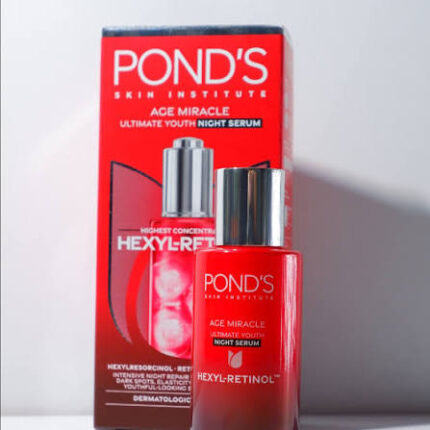 Sale
SaleOriginal price was: ৳ 2,000.00.৳ 1,950.00Current price is: ৳ 1,950.00.
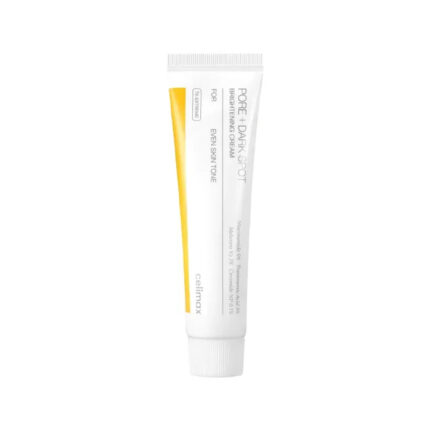 Sale
SaleOriginal price was: ৳ 1,790.00.৳ 1,590.00Current price is: ৳ 1,590.00.
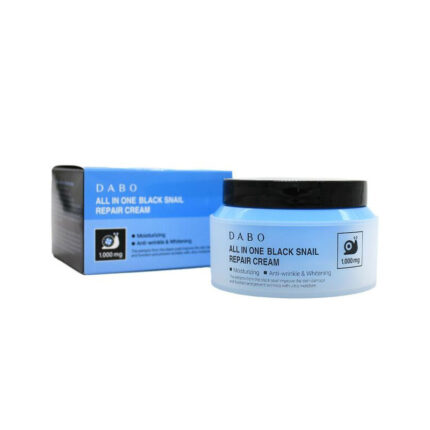
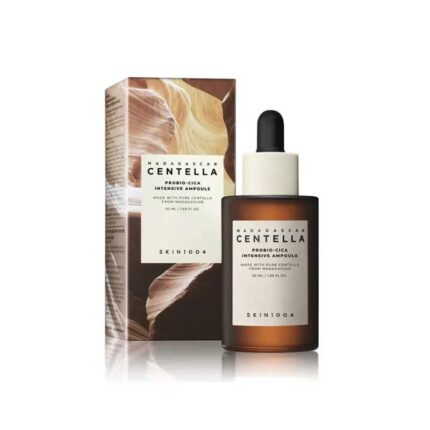 Sale
SaleOriginal price was: ৳ 3,360.00.৳ 2,352.00Current price is: ৳ 2,352.00.
How Cystine Works in the Body and Skin
Cystine acts as a building block for keratin and other structural proteins in skin and hair. When tissues form, Cystine helps link protein chains through disulfide bonds. Research indicates these bonds add tensile strength to hair and to the outer protein layers of skin.
Since the body converts some cysteine to Cystine, dietary intake affects levels indirectly. That means nutrition, supplements, and topical sources can influence availability. Healthcare professionals often recommend balanced nutrition to support natural Cystine production.
Cystine as an Oxidized Amino Acid Ingredient
In formulations, Cystine often appears as an oxidized amino acid ingredient that supports product stability and performance. For example, cosmetic chemists may add it to formulas to improve protein interactions on skin. Studies show oxidized forms can resist breakdown better in creams and serums.
That is why some lab tests focus on how well oxidized amino acid ingredient variants maintain activity over time. When you read product claims, look for clear wording on form and stability. Products with stable forms may deliver more consistent benefits.
Cystine in Skin Care: Roles and Benefits
Cystine works on skin by supporting proteins that maintain texture and resilience. Dermatologists recommend ingredients that support protein repair alongside moisturizers. For example, pairing Cystine with hydrating compounds may help skin feel firmer.
For many shoppers, the appeal lies in visible results such as smoother texture and reduced brittleness. Clinical studies often show improved barrier function when structural amino acids support skin repair. That means users may notice less flaking and a more even surface.
How it Supports Collagen and Keratin
Cystine supports keratin directly and helps protect collagen indirectly through antioxidant pathways. Because it contributes sulfur for bond formation, structural proteins form more stable networks. This means tissues resist mechanical stress better.
Role as a Skin Conditioning Compound
As a skin conditioning compound, Cystine helps improve feel and appearance of skin after repeated use. Manufacturers list it to highlight conditioning benefits such as softness and suppleness. Consumer tests often report improved tactile properties after weeks of use.
Best Combinations with Other Ingredients
When paired with humectants and emollients, Cystine may enhance overall skin feel. For example, pairing with glycerin helps retain moisture around structural proteins. That combination supports both hydration and protein integrity.
Sources and Forms: Dietary and Topical Options
Cystine appears in food, supplements, and topical products in different chemical forms. Protein-rich foods like eggs, poultry, and dairy provide cysteine, which the body can convert into Cystine. Dietary sources support systemic levels over time.
Topical products may include free Cystine, peptides, or derivatives that release active residues on skin. Cosmetic labels will sometimes list Cystine or named derivatives. If you prefer clear ingredient lists, check packaging for these terms.
Supplements Versus Topical Use
Supplements aim to raise systemic pools of sulfur-containing amino acids, which can influence hair and skin from within. On the other hand, topical Cystine provides direct contact with the skin surface. Each route offers different benefits and timelines for results.
Formulation Considerations for Shoppers
Product stability and pH matter for effective Cystine delivery in creams and serums. Cosmetic formulators design pH and supporting ingredients to preserve amino acid activity. Research indicates that proper formulation extends shelf life and activity.
Because Cystine may interact with oxidizing or reducing agents, gentle formulas often perform better. That means milder preservatives and stabilizers help maintain the ingredient’s function. When you compare items, consider full ingredient lists and packaging claims.
Safety, Allergies, and Side Effects
Cystine is generally well tolerated in foods and in many topical products, but sensitivities can occur. Some people may notice irritation from formulations that contain multiple active ingredients. Dermatologists recommend patch testing new products before regular use.
Since supplements and topical products differ, consult a healthcare professional if you have a history of allergies or medical conditions. Research indicates minimal systemic risk from moderate dietary intake. Still, individual reactions can vary, so monitor your response.
How to Read Labels for Cystine Content
Look for clear ingredient names such as Cystine, L-cystine, or cystine peptides on product labels. That clarity helps you decide whether a product contains the active you want. When labels list derivatives, you may see peptide names that break down to Cystine on skin.
Because labels don’t always state concentrations, product claims and presentation can guide decisions. For example, formulations marketed for repair often contain elevated amino acid blends. For accurate assessment, choose brands that provide transparent ingredient information.
Choosing the Right Product: Practical Buying Tips
Start by identifying your skin goals, such as firming, hydration, or damage repair. That focus helps narrow product types and formulations that include Cystine. For hair concerns, look for conditioners and masks with clear amino acid blends.
When comparing items, consider packaging, price, and brand reputation. Products in airless pumps may preserve active ingredients better. Trust user reviews and third-party testing when available to judge performance and reliability.
How to Use Cystine Products Safely
Apply topical products as directed, usually once or twice each day depending on the formula. Patch testing helps spot irritation before broader use. If irritation occurs, stop using the product and consult a clinician.
For supplements, follow recommended dosages and avoid long-term megadoses without medical oversight. Since amino acid balance matters, excess supplementation can shift nutrient ratios. That implies careful dosing is the safer choice.
Comparing Cystine to Related Amino Acids
Cystine shares functions with cysteine and other sulfur-containing amino acids, but each has a distinct chemical role. Cysteine acts often as a free thiol, while Cystine forms stabilized disulfide bonds. That chemical difference explains why products list one or the other.
Cosmetic formulas sometimes use cysteine derivatives for faster absorption, while Cystine supports structural stability once incorporated. Consumers should note these distinctions when they compare ingredient lists. That understanding leads to better-informed purchases.
Research and Clinical Evidence
Studies show that amino acids support skin repair and protein resilience when used with complementary ingredients. Dermatologists often rely on a mix of clinical research and experience when recommending treatments. For example, devices and topicals that boost amino acid availability often show improved barrier metrics in trials.
Because research methods vary, look for studies that match your use case, such as topical trials for creams or systemic trials for supplements. That approach helps set realistic expectations about results and timelines. Patient-reported outcomes also provide useful context.
Cost and Value: What to Expect
Products that contain Cystine range from budget-friendly to premium, and price often reflects formulation quality. Ingredients that preserve stability and deliver active forms typically cost more. That said, mid-range products can still offer solid results when well formulated.
Value depends on concentration, complementary ingredients, and packaging. For example, serums with airless dispensers may cost more but maintain potency. Choose items that match your budget while offering clear ingredient transparency.
Common Myths About Cystine
One myth claims that topical Cystine instantly repairs deep tissue. Realistically, topical effects usually appear gradually with continued use. That means managing expectations helps avoid disappointment.
Another misconception says that consuming large amounts of Cystine guarantees better skin. In fact, balance matters and excess does not translate to linear improvement. Nutrient synergy and overall diet quality play major roles in results.
Practical Routine Examples
For daily skin care, apply a gentle cleanser, then use a serum or cream that contains Cystine and hydrating ingredients. Follow with sunscreen in the morning to protect skin and to maintain repair gains. That sequence supports both protection and conditioning.
For hair care, use a conditioner or mask with amino acids once or twice weekly to strengthen strands. Combining topical treatment with protein-rich nutrition supports results from both inside and outside. That simple routine often improves texture and reduces breakage.
Questions to Ask Brands
When evaluating products, ask whether the formula contains a stabilized form of Cystine and what concentration it uses. Brands that provide clarity on form and stability demonstrate transparency and confidence. That makes informed shopping easier.
Also inquire about clinical testing or consumer trials that support product claims. Brands with testing protocols often share study design and results. That information can help you weigh claims against evidence.
Environmental and Ethical Considerations
Some consumers want to know how ingredients are sourced and manufactured. Check product claims about sustainable sourcing, cruelty-free status, or clean manufacturing. Ethical practices can matter when you make repeat purchases.
Because Cystine can be produced synthetically or derived from proteins, brands may use different sourcing methods. If sourcing matters to you, choose brands that disclose sourcing and production methods. That transparency supports responsible buying.
Product Examples by Category
Look for serums that pair Cystine with peptides and antioxidants for anti-aging support. Because serums often concentrate active ingredients, they may deliver targeted results. That makes them useful for specific repair goals.
For hair, conditioners and masks with amino acid blends can reduce porosity and improve manageability. Due to their formulation, masks allow longer contact time for active ingredients. That extended exposure can lead to better conditioning results.
Real User Experiences and Expectations
Many users report gradual improvements in softness and strength after consistent use of Cystine-containing products. Small studies and user surveys often show subjective benefits over weeks. That suggests patience and regular use yield the best outcomes.
Since individual responses vary, track progress with photos and notes to evaluate real change. That practical record helps you judge whether a product deserves ongoing use. It also helps avoid unnecessary repurchasing.
How Long Before You See Results?
Expect topical changes in skin texture or hair manageability within a few weeks of regular use. For structural improvements, results may take longer as proteins remodel over time. That is why consistent application matters more than occasional use.
When you pair topical care with a balanced diet and protective habits, outcomes usually improve faster. That combined approach supports both immediate and long-term tissue health. Patience and routine make a clear difference.
When to Consult a Professional
If you have persistent irritation, hair loss, or severe skin conditions, see a dermatologist or healthcare provider. They can assess whether Cystine-containing products fit your treatment plan. That professional input helps avoid ineffective or harmful choices.
Also consult a clinician before starting supplements if you take medications or have chronic illness. Medical oversight ensures safe combinations and dosing. That precaution prevents unintended interactions.
Frequently Asked Questions
What is Cystine and how does it differ from cysteine?
Cystine consists of two cysteine molecules joined by a disulfide bond, which stabilizes proteins. Cysteine is the single unit with a free thiol group. This chemical difference gives Cystine a role in forming stable structural links.
Can Cystine help repair damaged hair?
Cystine supports hair by strengthening keratin bonds and improving resilience with repeated use. Many conditioners and masks include it to reduce breakage. Results appear over weeks with consistent treatment.
Is Cystine safe for sensitive skin?
Most people tolerate Cystine in topical products, but sensitivities can occur from other formula ingredients. Patch testing is a simple way to check tolerance. If irritation appears, stop use and consult a clinician.
Should I take supplements or use topical products with Cystine?
Choose based on your needs: supplements aim to support systemic levels while topicals act directly on skin or hair. Combining both may offer complementary benefits. Discuss long-term supplementation with a healthcare provider.
Final Thoughts
Cystine offers tangible support for skin and hair by strengthening protein networks and improving surface conditioning. For shoppers, the most important takeaway is to pick well-formulated products that list Cystine or its derivatives and to use them consistently. Start with a patch test, pair topical care with balanced nutrition, and choose transparent brands for the best results.