
Cysteine: Benefits, Uses, and Supplement Guide

Cysteine is a common amino acid many people hear about in health circles. It plays a key role in antioxidant defense and protein structure, so it matters for skin and hair. This guide explains what cysteine does and how to choose foods or supplements.
What is Cysteine?
Cysteine is a naturally occurring amino acid used by the body to build proteins. As a sulfur containing amino acid ingredient, it helps form disulfide bonds that shape hair and skin proteins. Studies show that cysteine supports the production of glutathione, a major cellular antioxidant.
When you hear that cysteine is “non-essential” the term means the body can make it from other amino acids. Because the body can make some cysteine, most people get enough through normal protein intake. Still, certain conditions or stress can raise the need for more cysteine.
Recommended Products
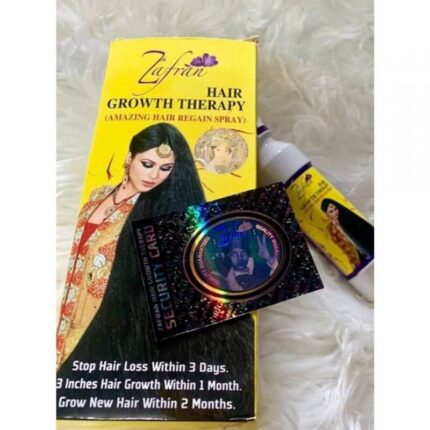 Sale
SaleOriginal price was: ৳ 680.00.৳ 500.00Current price is: ৳ 500.00.
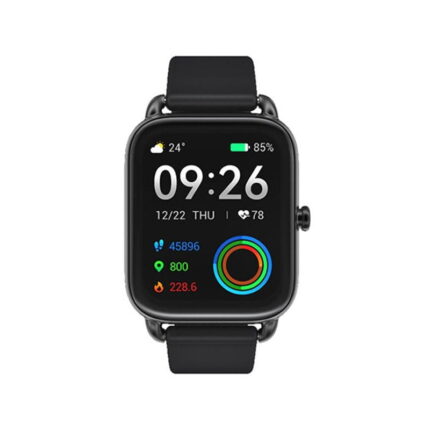
৳ 3,500.00
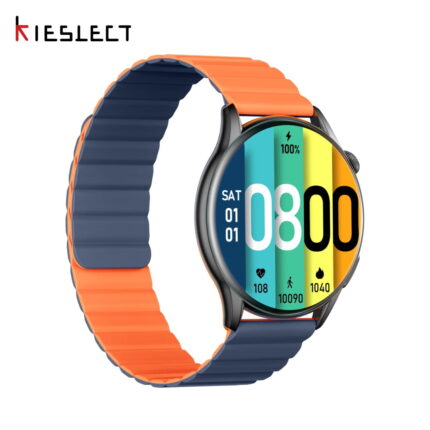
৳ 5,490.00
How Cysteine Works in the Body
Proteins in the body use cysteine to stabilize their shape, especially in keratin for hair and nails. That stability comes from sulfur bonds made by the amino acid, which helps tissues resist damage. As a result, cysteine contributes to toughness and resilience in structural proteins.
Besides structural roles, cysteine helps create glutathione in cells, acting as a glutathione precursor compound. Research indicates that glutathione helps neutralize free radicals and supports normal detox pathways. Because glutathione supports many cell functions, cysteine has an indirect but broad impact on health.
Production and Metabolism
Liver cells can synthesize cysteine from methionine, another amino acid supplied by food. That conversion relies on several enzymes working in sequence and on adequate vitamin B6. When methionine intake drops, cysteine production can slow and raise the need to obtain it from food.
Role in Antioxidant Defense
Cysteine helps form glutathione, one of the body’s chief antioxidants and detox helpers. Studies show that low glutathione links to oxidative stress in many tissues. For this reason, supporting cysteine levels can support overall antioxidant capacity.
Protein Structure and Repair
Keratin proteins in hair and nails rely on cysteine’s sulfur bonds to stay strong. That is why cysteine often appears in hair care ingredient lists and hair growth discussions. Research indicates that diets rich in protein and sulfur-containing amino acids support hair health.
Benefits of Cysteine for Skin, Hair, and Health
People often take cysteine or related supplements for hair strength, skin repair, and antioxidant support. Clinical reports and lab research suggest cysteine helps maintain proteins that form skin and hair. Dermatologists recommend protein-rich diets to support skin repair, which includes supplying cysteine.
Because cysteine feeds glutathione production, it supports detox pathways and immune function indirectly. Studies show that raising glutathione can help cells resist oxidative damage during stress. For athletes and people under metabolic stress, cysteine support can be helpful.
For liver health, cysteine helps supply the sulfur needed for many detox enzymes. Research indicates that cysteine forms part of several compounds that the liver uses to neutralize toxins. As a result, staying sure about cysteine intake matters for people with high detox demand.
Common Forms: Food Sources and Supplements
Many foods supply cysteine as part of complete proteins found in meat, dairy, eggs, and legumes. For example, poultry, pork, and wheat germ provide measurable cysteine amounts. When you eat a varied protein-rich diet, you usually obtain enough cysteine for daily needs.
When diet falls short, people may consider supplements such as N-acetylcysteine (NAC) or L-cysteine. NAC acts as a stable supplement form that the body can convert into cysteine and then into glutathione. Since NAC has been the subject of many studies, you will see it used in both clinical and wellness settings.
Food Sources
Poultry, eggs, and dairy are good sources of cysteine in typical diets. Plant sources like legumes, sunflower seeds, and oats also provide cysteine when consumed in adequate amounts. For vegetarians, combining different protein sources helps ensure enough of this amino acid.
Supplement Forms
N-acetylcysteine, or NAC, is a common supplement form chosen for stability and absorption. L-cysteine is also available but is less common because it can be less stable in supplement form. When choosing a supplement, check for third-party testing and clear labeling about the form and dose.
How to Add Cysteine to Your Diet Safely
Start by evaluating protein intake, because most people meet cysteine needs through normal foods. If you suspect low intake, add lean meats, dairy, or plant proteins a few times per week. For those who follow restricted diets, a measured supplement can help fill gaps under guidance.
Because supplements can interact with medications or medical conditions, discuss any planned supplement use with your healthcare provider. For example, people on certain medications or with chronic conditions should check before starting NAC. That is why medical guidance matters when changing supplement routines.
Dosage, Safety, and Side Effects
Supplement doses vary by product and purpose, and recommended amounts differ across contexts such as clinical use versus general wellness. Studies show NAC is generally well tolerated in short-term use, but side effects can include mild gastrointestinal upset. For safety, start with a low dose and monitor how you feel.
Some people may experience nausea, diarrhea, or headaches when taking higher supplement doses. Because NAC can thin mucus and affect certain blood tests, tell your clinician if you take it regularly. That way, they can watch for relevant interactions and adjust care as needed.
Interactions and When to Avoid Use
Certain medications and health conditions may interact with cysteine supplements, so caution matters. For instance, people with active peptic ulcers or certain rare disorders should seek advice before using NAC. Research indicates that supplement effects can vary by individual health status.
Also, high-dose antioxidant supplements can affect the action of some prescription drugs and therapies. That is why your doctor should know all supplements you take. When planning surgery or medical treatments, stop supplements if directed to avoid complications.
Choosing a Quality Supplement
Look for supplements that list the active form clearly, such as N-acetylcysteine, and show a reliable dose per serving. Third-party testing and good manufacturing practice (GMP) certification add confidence in quality. Brands that share testing results and ingredient sourcing are easier to trust.
Because some supplements contain fillers or low-quality excipients, read labels carefully and avoid proprietary blends with hidden amounts. If a product makes dramatic claims it likely overpromises and may be less trustworthy. Instead, choose moderate claims and transparent labeling.
How to Shop for Cysteine Products
When shopping, check whether a product targets a specific use like respiratory health or antioxidant support. Products aimed at specific uses often include supporting ingredients such as vitamin C or selenium. For general use, plain NAC or L-cysteine without extra additives can be a clean choice.
Pay attention to serving size and cost per dose to compare products fairly. Some formulas include sustained-release coatings or flavoring that change the experience but not the core benefit. For long-term use, pick a product you can take consistently and afford over months.
Evidence and Research Highlights
Studies show that NAC supports glutathione levels and helps certain acute medical conditions in clinical settings. For example, NAC is used in hospitals to treat specific types of poisoning under medical supervision. Research indicates the compound also supports mucus thinning in respiratory conditions when used appropriately.
Smaller studies and lab work suggest that cysteine and NAC may support skin and hair health by helping protein repair and antioxidant defenses. While evidence for cosmetic claims varies, many researchers note plausible biological mechanisms. As a result, cysteine remains an active area of study in dermatology and nutrition.
Practical Uses and Consumer Tips
Many shoppers use cysteine-containing supplements for routine antioxidant support and to support hair or nail health. For home care, try adjusting diet first and use a supplement only if needed. If you choose a supplement, track effects like energy, digestion, or hair quality over several weeks to judge benefit.
Since effects can take time, expect at least a month of consistent use before judging results for hair or skin. That time frame lets the body synthesize new proteins and replenish antioxidant pools. When tracking benefits, keep notes so you can compare changes objectively.
Common Myths and Misunderstandings
One myth claims that cysteine supplements cause hair to grow overnight; reality is growth takes weeks to months. Another misunderstanding is that more cysteine always equals better outcomes, which is not true. Because balance matters, excess supplementation can cause side effects and is unnecessary for most people.
Some people confuse cysteine with methionine, which is related but serves different roles in metabolism. While both contain sulfur, only cysteine directly contributes to glutathione formation in the same way. For readers, clear labels and simple explanations help avoid confusion when buying products.
Special Populations: Who May Need More
People under chronic stress, heavy exercise, or with certain illnesses may have higher cysteine needs. For those in recovery from illness or with chronic inflammation, studies show antioxidant demands often rise. That is why clinicians sometimes recommend NAC under supervision for specific conditions.
Vegetarians and vegans should assess dietary protein variety, because plant proteins can supply cysteine but may require careful meal planning. For older adults, absorption and metabolism can change, and supplements may help when diet falls short. When in doubt, consult a registered dietitian to tailor recommendations.
Cysteine in Skincare and Haircare Products
Topical products sometimes include cysteine or related peptides to support protein repair in skin and hair fibers. Research indicates topical amino acids can help surface-level repair and moisture retention in some formulas. When choosing topical products, look for clear ingredient listings and avoid exaggerated marketing claims.
Because topical cysteine acts on surface proteins, it cannot replace dietary sources for systemic antioxidant support. For systemic benefits, eating protein-rich foods or using oral supplements will impact glutathione pools. Still, combining topical care and good nutrition often yields the best cosmetic results.
Measuring Results and What to Expect
Expect subtle changes first, such as slightly improved skin texture or less hair breakage after several weeks. For antioxidant benefits, lab tests can show glutathione changes, but routine consumers rarely need these tests. Instead, track subjective improvements and speak with your clinician about objective markers if needed.
Some users notice improved mucus clearance or breathing comfort with NAC under guidance, according to clinical literature. For these uses, dosing and duration are guided by healthcare professionals. This approach helps ensure safe, effective results while monitoring side effects.
Combining Cysteine with Other Nutrients
Vitamin C, selenium, and B vitamins support pathways linked to cysteine and glutathione production. For example, vitamin B6 helps enzymes that convert methionine to cysteine. Because nutrients work together, a balanced diet often supports cysteine roles without needing many supplements.
When you choose to supplement, pick combinations that make sense for your goals, such as NAC with vitamin C for antioxidant support. Still, keep doses moderate and avoid mixing many high-dose antioxidants without clinical advice. That strategy helps prevent nutrient interactions and unnecessary expense.
Signs of Deficiency and When to Seek Help
True cysteine deficiency is rare in healthy adults eating varied protein diets. Signs that might suggest inadequate intake include poor hair integrity, slow wound healing, and increased oxidative stress symptoms. If you notice persistent concerns, consult a clinician for testing and personalized advice.
Because symptoms can overlap with other nutrient gaps, testing and professional assessment prevent guesswork. For example, low iron or zinc can also affect hair and skin, so a broad view helps find the root cause. That approach leads to targeted and effective solutions.
Environmental and Lifestyle Factors That Affect Needs
Exposure to pollution, smoking, and heavy exercise can raise antioxidant needs and thus the need for cysteine-derived glutathione. Studies show that environmental stressors increase oxidative damage markers in tissues. As a result, people in high-exposure situations may seek dietary or supplemental support.
Sleep and stress management also influence antioxidant balance and nutrient requirements. Poor sleep can increase inflammation and raise the need for repair nutrients. Therefore, lifestyle changes often work hand in hand with diet to support antioxidant systems.
Cost and Accessibility
Basic cysteine supplements such as NAC are generally affordable and widely available in retail and online stores. Prices vary by brand, dose, and added ingredients, so compare cost per dose when shopping. For many people, diet adjustments provide a low-cost way to support cysteine intake before trying supplements.
When budgeting, consider long-term affordability if you plan daily supplementation. Some higher-priced products include third-party testing which may justify cost for quality. Always check labels and opt for clear dosing to avoid unexpected expenses.
Quick Guide: Choosing and Using Cysteine
First, review your diet and try simple changes like adding eggs, poultry, and legumes to increase cysteine from food. Next, consider supplements only if diet changes do not meet needs or if a clinician recommends them. Finally, pick trusted brands with transparent labeling and start at a low dose to test tolerance.
Track changes in hair, skin, or energy and ask your clinician for guidance if you use other medications. For acute or medical needs, follow clinical protocols and do not self-treat serious conditions without supervision. That careful approach keeps use both safe and effective.
Frequently Asked Questions
What does cysteine do for hair and skin?
Cysteine helps form disulfide bonds in keratin, which strengthens hair and nails. As a result, adequate cysteine supports hair resilience and may reduce breakage. For skin, it supports protein repair and antioxidant defenses that help maintain texture.
Can I get enough cysteine from food alone?
Most people obtain sufficient cysteine from a balanced, protein-rich diet that includes meat, eggs, dairy, or varied plant proteins. Vegetarians can meet needs by combining legumes, grains, seeds, and nuts. If diet restrictions or health issues exist, a supplement may help under professional guidance.
What is the difference between NAC and L-cysteine?
NAC is a stable supplement form that converts to cysteine in the body and supports glutathione production. L-cysteine is the amino acid itself, but it can be less stable in supplements. Clinically, NAC has more research and is commonly used for specific medical purposes.
Are there risks or side effects of cysteine supplements?
Side effects can include mild gastrointestinal upset, headache, or nausea at higher doses. Some individuals with specific conditions or medications should avoid supplements unless a clinician advises otherwise. Always start with a low dose and consult your healthcare provider for personalized advice.
Final Thoughts
Cysteine supports antioxidant defenses and protein structure, and it often helps with hair, skin, and detox needs when diet or stress raise demand. For most people, a balanced diet supplies enough cysteine, while supplements such as NAC can help when indicated. Try diet changes first, then consider a trusted supplement under medical guidance for steady, safe benefits.