
Coco Glucoside: Gentle Cleanser Guide

Finding a cleanser that removes dirt without leaving skin tight can feel harder than expected. Coco Glucoside often appears on gentle face washes, shampoos, baby products, and body washes for that reason. This guide explains what it does, how it feels, and how to shop for it with confidence.
What Is Coco Glucoside?
Coco Glucoside is a mild cleansing ingredient made from glucose and fatty alcohols from coconut oil. Ingredient databases classify it as an alkyl polyglucoside, which means it belongs to a family of sugar-based surfactants. Because it helps oil and water mix, it can lift sweat, dirt, and excess oil from skin or hair.
Although the name sounds complex, the idea is simple. A surfactant lowers surface tension, so water spreads more easily across skin and hair. As a result, a cleanser can rinse away grime instead of just moving it around.
How It Is Made
Coco Glucoside comes from renewable raw materials, usually plant sugars and coconut-derived fatty alcohols. Manufacturers combine these parts through a chemical reaction that creates a water-friendly and oil-friendly molecule. Research on alkyl polyglucosides shows that this group breaks down well in the environment under common test conditions.
However, natural origin does not mean the ingredient stays unchanged from the plant. Processing turns the raw materials into a new cosmetic ingredient. This means shoppers should judge Coco Glucoside by safety data and formula quality, not only by its source.
How It Looks on a Label
When you read an ingredient list, Coco Glucoside often appears near other cleansers. You may see it beside decyl glucoside, lauryl glucoside, sodium cocoyl glutamate, or betaine ingredients. Its position can hint at how much the formula depends on it for cleansing.
For example, a face wash may list Coco Glucoside after water and before thickening agents. That placement suggests it plays a real cleaning role. Still, ingredient lists do not show exact percentages, so the full formula matters more than one name.
Why Brands Use It
Brands choose Coco Glucoside because it can support a soft foam and a gentle after-feel. It blends well with many other surfactants, which helps formulators tune mildness and rinse quality. Cosmetic chemists often pair mild surfactants because blends can feel better than one cleanser alone.
Since shoppers now study labels closely, this ingredient also fits many plant-based product stories. You may see it in “sulfate-free” cleansers and family products. Yet the best products still balance cleansing, pH, fragrance, preservation, and skin feel.
Recommended Products
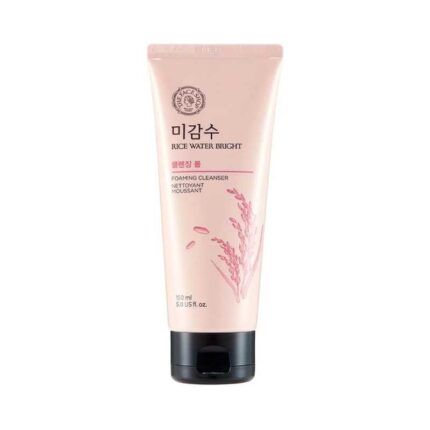 Sale
SaleOriginal price was: ৳ 1,380.00.৳ 960.00Current price is: ৳ 960.00.
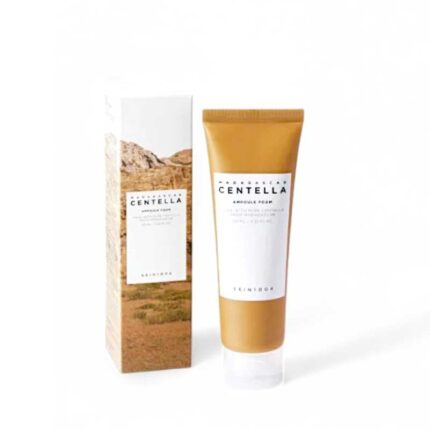 Sale
SaleOriginal price was: ৳ 460.00.৳ 320.00Current price is: ৳ 320.00.
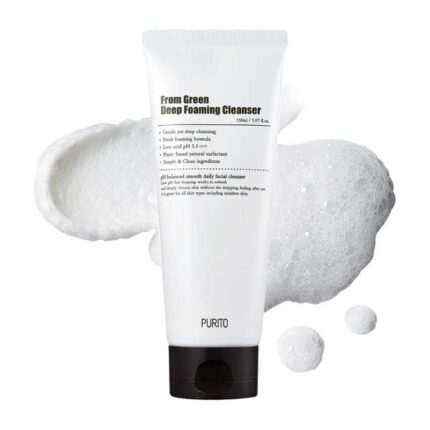 Sale
SaleOriginal price was: ৳ 2,240.00.৳ 1,568.00Current price is: ৳ 1,568.00.
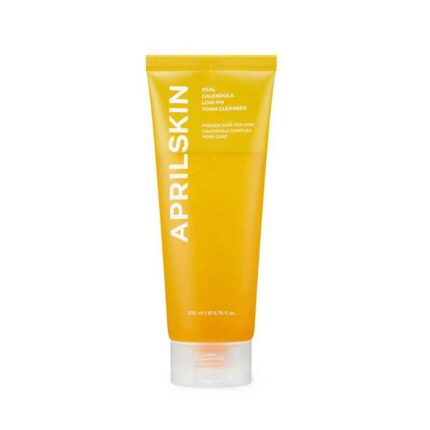 Sale
SaleOriginal price was: ৳ 3,060.00.৳ 2,140.00Current price is: ৳ 2,140.00.
How This Nonionic Surfactant Ingredient Cleans
Coco Glucoside is a nonionic surfactant ingredient, which means it carries no electrical charge in water. Charged surfactants can interact strongly with skin proteins, depending on the formula. Because nonionic cleansers often interact more gently, formulators use them in mild wash products.
A surfactant molecule has one side that likes water and one side that likes oil. When you massage a cleanser, these molecules gather around oily soil. Then water can carry that soil away during rinsing.
What Nonionic Means
Nonionic means the molecule does not have a positive or negative charge. This feature helps Coco Glucoside work across a broad pH range. It also helps it mix with many other ingredient types.
For example, a cleanser may combine Coco Glucoside with an amphoteric surfactant, such as cocamidopropyl betaine. This blend can improve foam and reduce harshness. Studies on surfactant systems show that mixed surfactants often lower irritation potential.
How It Handles Oil and Dirt
Skin produces sebum, which helps protect the surface but can trap dust and sunscreen. Coco Glucoside helps loosen that oily layer during washing. However, it does not strip as aggressively as some stronger cleansers when the formula stays balanced.
Because makeup, sunscreen, and heavy styling products cling well, one wash may not remove everything. A cleansing balm or oil can help before a water-based wash. Then a Coco Glucoside cleanser can finish the routine without a squeaky feel.
Foam, Slip, and Rinse Feel
Foam does not prove that a cleanser works, but shoppers often like it. Coco Glucoside can create a light, creamy foam, especially in blends. The foam may feel softer than the big, airy lather from stronger sulfate cleansers.
When a product rinses well, skin feels clean but not tight. That balance depends on surfactant level, pH, oils, humectants, and thickeners. So Coco Glucoside can help, but it cannot fix a poor formula by itself.
Benefits of Coco Glucoside for Shoppers
Coco Glucoside appeals to shoppers who want effective cleansing with a gentler feel. Dermatologists often recommend mild, pH-aware cleansers for dry or sensitive skin. Because this ingredient works well in mild blends, it appears in many daily-use products.
Still, no cleanser suits every person. Skin type, water hardness, fragrance, and washing habits all affect results. That is why a simple label check should also include a patch test when your skin reacts easily.
Gentle Daily Cleansing
Coco Glucoside can suit people who wash often, such as after workouts or during hot weather. It helps remove sweat and daily grime without aiming for a stripped finish. This makes it useful in hand soaps, body washes, shampoos, and face washes.
Because frequent washing can weaken the skin barrier, mild cleansing matters. The skin barrier includes lipids that help hold water inside the skin. When cleansers remove too much oil, dryness and roughness can increase.
Better Fit for Dry Skin
Dry skin often needs a cleanser that respects natural oils. Coco Glucoside can support that goal when the formula includes glycerin, aloe, oils, or fatty alcohols. These helpers can reduce the tight feeling that follows washing.
However, the ingredient alone does not moisturize like a cream. It leaves the skin only after rinsing, so leave-on care still matters. Apply moisturizer soon after cleansing when your skin feels dry or tight.
Useful in Hair Care
Coco Glucoside appears in shampoos for normal, dry, curly, and color-treated hair. Hair fibers can feel rough when harsh washing lifts the cuticle too much. Mild surfactant blends can reduce that rough feel during regular shampooing.
For example, curly hair often benefits from less aggressive cleansing. Coco Glucoside can help remove scalp oil while keeping the wash feel mild. Yet heavy silicone, wax, or oil buildup may need a stronger clarifying wash at times.
Good for Family Products
Many baby washes and family cleansers use Coco Glucoside because it fits mild product goals. Safety reviewers assess cosmetic surfactants by concentration, exposure, and rinse-off use. Rinse-off products usually reduce contact time compared with leave-on creams.
Although baby products may use mild cleansers, eye sting can still happen. No rinse-off surfactant feels pleasant in the eyes. Choose tear-focused formulas for children, and rinse carefully.
Coco Glucoside vs Other Cleansers
Coco Glucoside differs from many common surfactants in charge, feel, foam, and strength. This helps explain why two “sulfate-free” cleansers can feel very different. A good comparison makes label reading easier and reduces guesswork.
Because most cleansers use blends, one ingredient rarely tells the whole story. A formula with Coco Glucoside can still feel drying if it has too much total surfactant. Instead, compare the whole list and how your skin feels after use.
Compared With Sulfates
Sulfates like sodium lauryl sulfate and sodium laureth sulfate are strong anionic surfactants. They foam well and clean well, so brands use them in many shampoos and body washes. However, sodium lauryl sulfate can irritate some skin when used at higher levels.
Coco Glucoside usually gives a milder wash feel than classic high-foam sulfate systems. It may not create the same large lather, though. If you love strong foam, look for a blended formula rather than one mild cleanser alone.
Compared With Decyl Glucoside
Decyl glucoside and Coco Glucoside belong to the same sugar-based family. Both can come from plant-derived raw materials, and both work in mild cleanser blends. Decyl glucoside often feels similar, though formulas can make either ingredient feel different.
For example, a face wash with decyl glucoside may feel thinner than one with Coco Glucoside. That difference may come from thickeners, salts, gums, or the surfactant blend. So do not assume one glucoside always beats another.
Compared With Lauryl Glucoside
Lauryl glucoside is another related cleanser from the alkyl polyglucoside group. It can help thicken formulas and improve foam structure. Coco Glucoside may feel easier to spread in some liquid cleansers.
When brands combine these two, they can improve both texture and cleansing. This approach can create a richer gel or cream wash. Still, fragrance and pH can affect comfort as much as the surfactant choice.
Compared With Soap
Traditional soap has a high pH, often around 9 or higher. Human skin usually sits in a mildly acidic range. Because of that gap, soap can leave some people dry or tight.
Coco Glucoside can work in formulas adjusted closer to skin-friendly pH levels. This makes it useful in modern facial cleansers and body washes. However, always check how your skin feels after several uses, not just one wash.
Safety and Sensitive Skin Facts
Coco Glucoside has a good reputation for mildness, but any cleanser can irritate some people. Cosmetic safety reviews look at skin exposure, rinse-off use, and irritation test data. These reviews generally support safe use when formulators follow normal cosmetic practice.
Because personal reactions vary, sensitive shoppers need a careful approach. A product may contain a mild surfactant but also include fragrance, essential oils, or dyes. Those extras can cause issues for some users.
Irritation and Allergies
Irritation and allergy are not the same thing. Irritation can happen when a product disrupts the skin barrier. Allergy involves the immune system and may appear as itching, swelling, or a rash.
Coco Glucoside can irritate if a formula uses too much surfactant or has a harsh pH. However, true allergy seems less common than simple irritation from over-washing. Stop use if burning, swelling, or a spreading rash appears.
Patch Testing at Home
A patch test can help you judge a new cleanser before full use. Apply a small amount to the inner arm, then rinse as directed. Watch the area over the next day for redness, itching, or burning.
Because rinse-off products contact skin briefly, patch tests cannot predict every reaction. Still, they can catch obvious problems early. People with eczema, rosacea, or known allergies should introduce Coco Glucoside products slowly.
Eye Area Caution
Coco Glucoside can sting if it enters the eyes, like most surfactants. The eye surface has delicate tissue and little protection from detergents. Rinse with clean water if a cleanser gets into your eyes.
When removing eye makeup, use a product designed for that area. A face wash may not suit mascara, liner, or lash glue. If eye redness continues, contact a health professional.
Pregnancy and Family Use
Many people use Coco Glucoside products during pregnancy because it appears in rinse-off cosmetics. The ingredient does not belong to common pregnancy avoidance lists. However, personal comfort and medical advice still matter.
For babies and young children, choose products made for their age group. Children have smaller bodies and more delicate skin than adults. So gentle formulas, short baths, and careful rinsing matter more than one ingredient name.
How to Choose Products With Coco Glucoside
Shoppers can make better choices by reading beyond front-label claims. Coco Glucoside can support a gentle cleanser, but the full formula sets the final feel. A smart label check looks at surfactants, fragrance, pH clues, and product type.
Because brands use terms like natural and clean in different ways, do not rely on marketing alone. Look for clear ingredient lists and practical claims. Dermatologists often advise fragrance-free choices for reactive skin.
Check the Product Type
A face cleanser should usually feel softer than a clarifying shampoo. Coco Glucoside can appear in both, but each product has a different cleansing target. Shampoos must handle scalp oil, sweat, and styling products.
For example, a body wash may foam more than a facial gel. That does not make it better for your face. Choose the product type that matches the area you plan to wash.
Look at the First Five Ingredients
The first five ingredients often shape texture and performance. Water usually comes first in liquid cleansers. If Coco Glucoside appears early, it likely contributes strongly to cleansing.
However, formulas can use several surfactants at modest levels. A mild blend may list Coco Glucoside after another cleanser. This still can work well if the product rinses cleanly and leaves comfort behind.
Notice Fragrance and Essential Oils
Fragrance can make a cleanser feel pleasant, but it can bother sensitive skin. Essential oils also contain fragrant compounds that may irritate some users. Research on contact dermatitis often names fragrance as a common trigger.
If your skin reacts easily, choose fragrance-free products with Coco Glucoside. This does not guarantee perfect tolerance, but it lowers one common risk. When you want scent, try a small size first.
Think About pH
Healthy skin has an acidic surface that helps support barrier function. Many gentle cleansers aim for a mildly acidic or near-neutral pH. Coco Glucoside can fit these formulas when chemists adjust the final product.
Since most labels do not list pH, look for trusted product descriptions. Claims like pH-balanced can help, but they do not replace skin feel. If your face feels tight after washing, the cleanser may not suit you.
Understand Green Claims
Coco Glucoside often appears in products that highlight plant sourcing. It is a plant derived cleansing compound when brands source the sugar and fatty alcohols from plants. This can matter if you prefer renewable raw materials.
Still, sustainability depends on sourcing, manufacturing, packaging, and shipping. A plant origin claim tells only part of the story. Choose brands that share clear information without making vague promises.
How to Use Coco Glucoside in Your Routine
Coco Glucoside works best when you match the product to your skin, hair, and habits. Even a gentle cleanser can cause dryness if you wash too often. A simple routine helps you get the benefits without overdoing it.
Because rinse-off products work during contact time, more scrubbing rarely means better results. Let the cleanser spread, massage lightly, and rinse well. Then follow with care that fits your needs.
For Facial Cleansing
Use a small amount of a Coco Glucoside face wash on damp skin. Massage for about half a minute with light pressure. Rinse with lukewarm water, not hot water.
When skin feels dry, cleanse once at night and rinse with water in the morning. This can reduce barrier stress. Follow with moisturizer while skin still feels slightly damp.
For Shampooing
Apply shampoo mainly to the scalp, since that is where oil collects. Coco Glucoside can help lift scalp oil while keeping the wash feel mild. Let the foam run through the lengths during rinsing.
Because hair ends are older and drier, they need less direct cleansing. Use conditioner after shampoo if your hair tangles or feels rough. Clarify only when buildup makes hair dull, heavy, or flat.
For Body and Hand Washing
Body washes with Coco Glucoside can suit daily showers, especially for dry skin. Use warm water and a small amount of product. Long hot showers can undo the benefit of a mild cleanser.
Hand washing can dry skin because people repeat it many times daily. A gentle hand wash may reduce tightness, but it cannot replace hand cream. Apply cream after washing when your hands feel rough.
For Double Cleansing
Double cleansing can help when you wear sunscreen or long-wear makeup. Use an oil cleanser or balm first, then follow with a mild water-based wash. Coco Glucoside can work well in that second step.
However, double cleansing may feel too much for very dry skin. Try it only when you need stronger removal. On low-product days, one gentle cleanse may be enough.
Myths and Limits of Coco Glucoside
Coco Glucoside has many strengths, but it is not magic. It cannot make every formula gentle, and it cannot solve every skin issue. Clear expectations help shoppers avoid disappointment.
Because beauty labels often highlight one friendly ingredient, it helps to know the limits. A cleanser is a full system of surfactants, water, thickeners, preservatives, and pH adjusters. Each part affects comfort and performance.
Myth: Natural Means Irritation-Free
Coco Glucoside comes from plant-based starting materials, yet reactions can still occur. Poison ivy is natural, and many essential oils are natural too. Source does not decide safety by itself.
Instead, look at concentration, formula design, and your skin history. A well-made product can feel mild regardless of a simple natural claim. If your skin stings, stop and choose a plainer formula.
Myth: More Foam Means More Clean
Foam can make washing feel satisfying, but it does not measure cleanliness. Many low-foam cleansers remove oil and dirt well. Coco Glucoside can foam lightly, but foam level depends on the full blend.
For example, hard water can reduce foam in some products. Oils, conditioners, and thickeners can also change lather. Judge results by comfort, rinse feel, and how clean your skin or hair looks.
Myth: One Ingredient Tells the Whole Story
A product with Coco Glucoside can still contain strong fragrance or a poor pH match. It can also contain helpful humectants and barrier-friendly ingredients. The ingredient name gives a clue, not a final answer.
When comparing products, focus on your use case. A shampoo, face wash, and baby bath need different levels of cleansing. The best choice matches the area, frequency, and sensitivity level.
Limit: Heavy Buildup Needs More Power
Coco Glucoside may not remove heavy waxes, water-resistant sunscreen, or strong styling products in one step. Mild cleansers trade some raw power for comfort. This trade can help daily use but may fall short after heavy product wear.
So keep a stronger cleanser or clarifying shampoo for occasional use. Use it only when buildup appears, not every day. This gives you cleaning power without making dryness your default.
Best Product Types to Consider
Coco Glucoside appears in many rinse-off products, but some categories make better sense for shoppers. The best fit depends on skin type, hair type, and how often you wash. Product texture also shapes the experience.
Because this ingredient blends well with others, you will find it in gels, creams, foams, and shampoos. Each format has strengths and tradeoffs. Knowing those differences helps you buy less by trial and error.
Gel Face Cleansers
Gel cleansers with Coco Glucoside often suit normal, combination, or oily skin. They can feel fresh without the strong pull of harsh washes. Look for glycerin or panthenol if your skin gets tight.
However, very dry skin may prefer a cream cleanser. Gels can still feel too clean if they contain high surfactant levels. Try a travel size when your skin barrier feels weak.
Cream and Milk Cleansers
Cream cleansers often use mild surfactants with emollients. Coco Glucoside can help these formulas rinse while oils add cushion. This format often suits dry, mature, or sensitive skin.
Because creams leave a softer feel, some oily skin types may find them heavy. That does not mean the cleanser failed. It may simply match a different skin need.
Sulfate-Free Shampoos
Sulfate-free shampoos often use Coco Glucoside as part of a mild cleansing blend. They may suit color-treated hair because harsh washing can speed color fade. Hair research shows that repeated washing and friction can affect fiber feel.
Still, sulfate-free does not always mean gentle. Some sulfate-free cleansers can feel strong, depending on type and amount. Check reviews from people with hair like yours.
Baby Washes and Body Washes
Baby washes often feature mild surfactants and simple textures. Coco Glucoside fits that style when the whole formula stays gentle. Parents should still avoid long baths and hot water.
Body washes can offer more fragrance and foam than baby products. If your skin gets itchy after showers, choose a fragrance-free body wash. Follow with moisturizer to seal in water.
How to Read Claims on the Bottle
Claims on cleanser bottles can help, but they can also confuse shoppers. Coco Glucoside may appear beside words like gentle, clean, plant-based, or sulfate-free. These terms can mean different things across brands.
Because cosmetic labels must list ingredients, the back label often gives better clues than the front. Claims tell the story, while the ingredient list shows the structure. Use both before you buy.
Sulfate-Free
Sulfate-free means the product does not use sulfate surfactants like SLS or SLES. It does not mean the product has no surfactants. Coco Glucoside may replace or support those stronger cleansers.
This can help people who dislike the feel of sulfate shampoos or washes. However, sulfate-free formulas can still cleanse strongly. Judge by skin feel, scalp comfort, and how often you wash.
Plant-Based
Plant-based usually refers to ingredient origin, not the entire life cycle. Coco Glucoside often fits this claim because its starting materials can come from coconut and glucose. Still, processing and supply practices vary by brand.
When sustainability matters to you, look for clear sourcing details. Vague green claims do not prove lower impact. Packaging choices and refill options may matter too.
Hypoallergenic
Hypoallergenic means a brand designed the product to lower allergy risk. It does not mean zero risk. There is no single global rule that makes every hypoallergenic claim identical.
Coco Glucoside can appear in hypoallergenic products, especially fragrance-free cleansers. Still, your own history matters most. Patch test if you have reacted to cosmetics before.
Dermatologist Tested
Dermatologist tested means a product underwent some form of skin testing with dermatology input. The exact test can vary widely. The claim does not always reveal sample size or method.
Because of that, treat the claim as one helpful clue. Coco Glucoside plus fragrance-free design and a mild pH may give stronger reassurance. Your skin response remains the final test.
Frequently Asked Questions
Is Coco Glucoside good for sensitive skin?
Coco Glucoside can work well for sensitive skin when the full formula stays mild. However, fragrance, high surfactant levels, or a poor pH can still cause trouble. Patch test first if your skin reacts often.
Does Coco Glucoside clog pores?
Coco Glucoside is a rinse-off cleansing ingredient, not a heavy leave-on oil. It usually should not clog pores when used in a normal cleanser. If breakouts appear, check the whole formula and your routine.
Is Coco Glucoside the same as coconut oil?
No, Coco Glucoside is not coconut oil. It comes partly from coconut-derived fatty alcohols, but processing turns it into a surfactant. It cleanses and rinses away rather than acting like an oil.
Can Coco Glucoside remove sunscreen?
Coco Glucoside can help remove daily sunscreen, especially in a well-designed cleanser. Water-resistant sunscreen may need an oil cleanser or balm first. Then a mild second cleanse can finish the job.
Final Thoughts
Coco Glucoside is a useful clue when you want a gentler cleanser, but the full formula matters most. It works as a mild, plant-derived surfactant that can clean skin and hair without a harsh feel. For the best results, choose fragrance-free or low-fragrance products that match your skin type, then test them slowly.