
Charcoal Extract: Uses, Benefits & Safety

Many people wrestle with oily skin, clogged pores, or surfaces that attract grime. Charcoal Extract offers a simple, familiar answer when you need stronger cleansing without harsh chemicals. This guide explains what Charcoal Extract does and how to use it safely.
What is Charcoal Extract?
Charcoal Extract commonly refers to activated charcoal that has been processed for higher surface area. Manufacturers make it from coconut shells, wood, or coal and heat it to open many tiny pores. Studies show activated charcoal binds to certain impurities through surface attraction.
Recommended Products
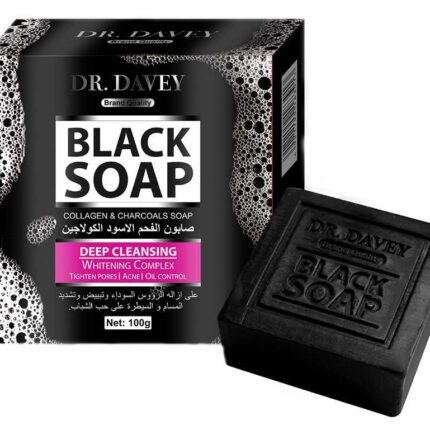 Sale
SaleOriginal price was: ৳ 500.00.৳ 350.00Current price is: ৳ 350.00.
 Sale
SaleOriginal price was: ৳ 1,100.00.৳ 790.00Current price is: ৳ 790.00.
 Sale
SaleOriginal price was: ৳ 1,500.00.৳ 1,190.00Current price is: ৳ 1,190.00.
How Charcoal Extract works as a cleaning agent
Charcoal Extract works by adsorption, which means particles stick to its surface instead of being absorbed. When applied to skin or a surface, oils and dirt cling to the charcoal granules. As a result, rinsing can remove those trapped impurities effectively.
Because charcoal has high porosity, it offers a large surface area for binding substances. Research indicates this property makes it useful in filters and topical cleansers. Dermatologists recommend careful use for skin rather than frequent, aggressive scrubbing.
Benefits for skin and hair
Charcoal Extract can reduce excess oil and help unclog pores. For example, many people report fewer blackheads when they use a charcoal mask once weekly. That is why brands market charcoal products for oily and combination skin types.
When used correctly, charcoal can improve the feel of skin without stripping moisture. Dermatologists recommend pairing charcoal cleansers with a gentle moisturizer. Studies show topical charcoal is less abrasive than physical scrubs for many skin types.
Pore cleansing compound action
Charcoal Extract acts as a pore cleansing compound by attracting sebum and dead skin cells. This mechanism can make pores look smaller after repeated use. Still, consistent skin care and sun protection remain necessary for long-term pore improvement.
Oil control and shine reduction
Regular use of charcoal-based cleansers may control shine for several hours after use. That control helps makeup last longer and reduces midday blotting needs. However, overuse can over-dry skin and prompt rebound oil production.
Hair care and scalp benefits
Charcoal Extract appears in shampoos to remove buildup from oils and styling products. Many users find it helps the scalp feel balanced and less greasy between washes. Because it does not alter hair structure, it suits most hair types when formulas remain gentle.
Household and filter uses
Charcoal Extract shows up in air and water filters as a carbon detox ingredient for homes. Activated charcoal can trap chlorine, certain odors, and organic molecules in filters. Studies show that properly designed charcoal filters improve taste and reduce some contaminants in water.
For example, aquarium and refrigerator filters often use charcoal to reduce odors. That makes charcoal popular in deodorizing packs and small room filters. Still, not all contaminants bind to charcoal, so it works best as part of a layered filter system.
Common cosmetic forms and how to choose them
Products list Charcoal Extract in masks, cleansers, soaps, powders, and toothpaste. Each form has a different concentration and contact time with skin. As a result, masks deliver deeper cleansing while cleansers offer daily maintenance.
When choosing a product, read the ingredient list and pick one with mild surfactants and minimal fragrance. Dermatologists recommend patch testing new products before full use. This approach reduces the chance of irritation from supporting ingredients.
How to use Charcoal Extract safely
Start slowly, with one use per week, for a new charcoal product. Increase frequency to two or three times per week only if your skin tolerates it well. This method helps avoid dryness and sensitivity from over-cleansing.
Because charcoal can absorb topical medications, avoid using charcoal masks where you apply prescription creams shortly after. When you have active acne treatment, space charcoal use at least a few hours away. Ask a dermatologist if you use retinoids or strong acids.
Patch testing and sensitivity checks
Perform a small patch test on the inner arm before facial use. Watch for redness, itching, or burning over 24 hours. If any of those reactions appear, stop use and consult a clinician.
Mixing with other active ingredients
Charcoal Extract pairs well with soothing ingredients like glycerin and aloe. That combination reduces potential irritation and supports hydration. However, combining charcoal with strong acids or high-dose exfoliants needs caution and professional advice.
DIY recipes and practical tips
Simple DIY charcoal masks require plain charcoal powder, a mild binder, and gentle liquid. A common recipe mixes charcoal powder with plain yogurt or honey to make a paste. Apply for a short time and rinse well to avoid over-drying skin.
Because homemade blends vary, measure carefully and test small areas first. For toothpaste alternatives, do not use charcoal daily. Dentists warn that abrasive powders can wear enamel if used too often.
Scientific evidence and expert guidance
Studies show activated charcoal binds certain toxins in lab settings and in medical use for poisoning. For that reason, emergency medicine uses activated charcoal to treat some overdoses. Research indicates topical charcoal shows promise for removing excess oil and impurities, though clinical trials remain limited.
Dermatologists recommend evidence-based ingredients for long-term skin goals, while noting charcoal can help with short-term deep cleansing. This means charcoal works best when combined with proven routines like sun protection and gentle daily cleansing. Still, do not expect charcoal to replace targeted medical treatments.
Comparing Charcoal Extract with other cleansers
Charcoal Extract differs from clay because it prefers adsorption, while clay often absorbs oils into its structure. Soap cleansers break up oils with surfactants, while charcoal grabs particles without heavy detergents. For sensitive skin, mild surfactant cleansers may work better than frequent charcoal use.
When you choose between charcoal and chemical exfoliants, consider your skin goals. Chemical exfoliants change cell turnover, while charcoal removes surface buildup. That is why many routines use both, scheduled apart to avoid irritation.
Common myths and misconceptions
One myth claims Charcoal Extract detoxes the whole body when taken orally without medical oversight. That claim lacks reliable support and can risk nutrient binding or interactions with medications. Studies show medical-grade activated charcoal only treats specific poisonings under clinical care.
Another misconception suggests charcoal whitens teeth safely with daily use. Dentists warn against daily abrasive use. Instead, use approved whitening toothpaste and consult a dental professional for safe options.
Side effects and who should avoid it
Skin reactions include dryness, redness, and occasional irritation for sensitive users. If you experience persistent irritation, stop use and seek professional advice. Always avoid inhaling powdered charcoal during mixing, as it may irritate lungs.
People on oral medications should avoid ingesting charcoal without medical guidance. Activated charcoal can bind certain medicines and reduce their effects. Because interactions vary, ask a doctor before trying internal charcoal as a detox method.
How to read product labels
Look for “activated charcoal” or “charcoal extract” high on the ingredient list for meaningful content. Lower listings indicate small amounts that may not deliver promised benefits. Also scan for added fragrances, sulfates, or alcohols if you have sensitive skin.
When manufacturers list concentration, choose formulas with balanced amounts and supportive soothing agents. For example, glycerin and ceramides help maintain hydration after charcoal cleansing. If labels lack detail, prefer brands with transparent sourcing and testing statements.
Charcoal Extract and environmental considerations
Charcoal production methods vary in sustainability, depending on source material and processing. Coconut shell charcoal often rates better for sustainability than coal-based sources. Choosing responsibly sourced products reduces environmental impact.
Additionally, disposable charcoal masks or single-use sheets can create waste. Consider products with recyclable packaging or refill systems to lower environmental cost. When possible, pick concentrated products to reduce plastic per use.
Shopping tips and price expectations
Prices for charcoal products vary widely with formulation and brand reputation. Budget options may contain powdered charcoal with basic binders, while premium lines add supportive skin actives. Read reviews and ingredient lists to judge real value over marketing claims.
Because charcoal functions mainly as a surface cleanser, balance your spending between a quality cleanser and nourishing follow-up products. That approach often delivers better long-term results than frequent product switching.
Using Charcoal Extract with acne treatments
Charcoal Extract can help remove surface oil before applying acne treatments. That practice may improve the penetration of topical medications. Dermatologists recommend spacing charcoal use away from prescription treatments to avoid reduced efficacy.
When you have active inflammatory acne, use charcoal cautiously and under guidance. Aggressive or frequent cleansing can aggravate inflammation and lead to more breakouts. Instead, combine gentle charcoal cleansers with prescribed regimens when advised by a clinician.
Travel and on-the-go uses
Charcoal powders and small masks make good travel companions for quick refreshes. That convenience helps when you face long flights or busy days between events. Pack a mild moisturizer and sunscreen to follow cleansing routines while away from home.
Because travel conditions can dry skin, limit charcoal use to occasional refreshes rather than daily detox. This approach keeps skin balanced and reduces irritation. For quick freshness, consider charcoal blotting sheets that minimize over-washing.
Real user experiences and product expectations
Many users report immediate visible improvement after one charcoal mask. That experience often relates to temporary oil removal and surface exfoliation. Long-term improvements in pore appearance require sustained care and complementary treatments.
Because individual skin varies, results differ across users. If you track outcomes, record how often you use charcoal and what other products you pair with it. This data helps you adjust routines for best, lasting results.
Professional uses and medical-grade preparations
Hospitals use medical-grade activated charcoal for certain poisonings under controlled conditions. That medical use differs from cosmetic charcoal products in purity and formulation. Medical-grade charcoal meets strict standards for particle size and sterilization.
Because cosmetic charcoal lacks these controls, do not substitute household charcoal for medical treatment. Consult emergency services or poison control for ingestion concerns. That step ensures safe, effective care when needed.
How to store Charcoal Extract products
Store charcoal powders and products in a cool, dry place away from direct sunlight. Proper storage prevents moisture clumping and preserves product performance. Keep lids tight and avoid humid bathrooms when possible.
For powdered charcoal, use a sealed jar and a dry scoop to avoid contamination. Replace single-use products within recommended timeframes after opening. This practice maintains hygiene and reduces risk of microbial growth.
Alternatives to Charcoal Extract
Clay masks, salicylic acid, and gentle exfoliants offer alternatives for pore care and oil control. Each option targets skin differently, so pick one that fits your tolerance and goals. For persistent issues, consult a dermatologist for tailored treatment.
When you want a non-physical option, explore enzyme exfoliants or low-concentration chemical exfoliants. These choices can reduce buildup without abrasive scrubbing. Yet, some people find charcoal preferable for immediate surface cleansing.
Frequently Asked Questions
Is Charcoal Extract safe for daily use?
Daily use is generally not recommended for most skin types. Many experts advise starting with once weekly and adjusting based on tolerance. Overuse may dry skin and worsen oil production.
Can Charcoal Extract whiten teeth effectively?
Charcoal may remove surface stains but risks enamel abrasion if used often. Dentists caution against daily use and recommend approved whitening products. Ask a dental professional before regular charcoal tooth cleaning.
Does Charcoal Extract detox the body when ingested?
Activated charcoal can treat specific poisonings in clinical settings only. It does not support general body detox safely when taken without medical supervision. Consult a clinician before trying internal use.
How often should I use a charcoal mask for oily skin?
Start with one use per week and observe how your skin reacts. If tolerated, increase to two uses per week for short periods. Pause if you notice redness, flaking, or increased sensitivity.
Final Thoughts
The clearest takeaway is that Charcoal Extract can remove surface oils and impurities effectively when used correctly. For many people, it improves immediate skin feel and helps maintain cleaner surfaces at home. Try a gentle charcoal product weekly, monitor your skin, and consult a professional if you have concerns.