
Ceramides: Skin Care’s Essential Lipid

Dry, tight skin can make your day uncomfortable and confuse your product choices. Ceramides help rebuild the outer layer and bring back comfort. Many people see calmer skin when they use products with Ceramides regularly.
What are Ceramides?
Ceramides are naturally occurring lipids that sit between skin cells. Studies show that ceramide levels help keep skin hydrated and resilient. For many years dermatologists have described ceramides as a cornerstone of barrier health.
Because they form part of the skin’s protective matrix, Ceramides limit water loss and block irritants. Research indicates that lower ceramide levels link to dryness and sensitivity. That is why products now emphasize ceramide content.
Recommended Products
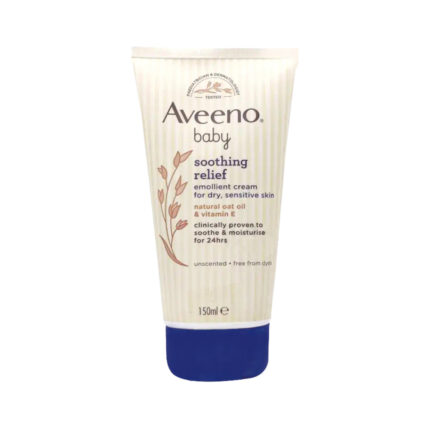 Sale
SaleOriginal price was: ৳ 2,300.00.৳ 1,490.00Current price is: ৳ 1,490.00.
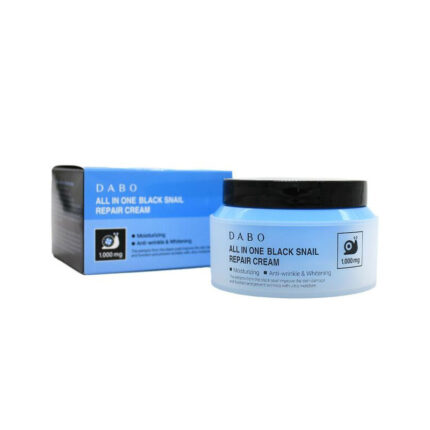
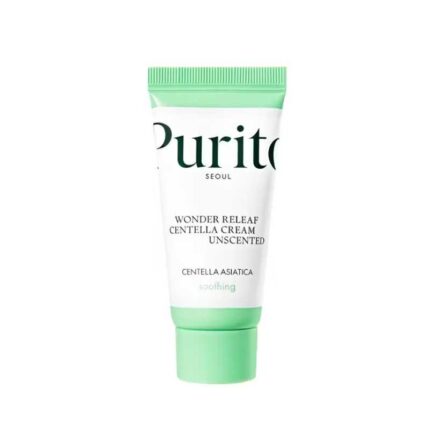 Sale
SaleOriginal price was: ৳ 500.00.৳ 350.00Current price is: ৳ 350.00.
 Sale
SaleOriginal price was: ৳ 3,200.00.৳ 2,240.00Current price is: ৳ 2,240.00.
Why Ceramides matter for your skin barrier
Ceramides act like mortar between bricks in your skin, keeping cells sealed. When the mortar weakens, moisture escapes and irritants enter. Dermatologists recommend restoring this mortar to prevent flares and dryness.
Since the skin barrier loses lipids after cleansing, Ceramides replace these key fats. Studies show that consistent use of ceramide-rich products reduces transepidermal water loss. As a result, skin looks plumper and feels less tight.
Ceramides as a skin barrier lipid ingredient
Many formulas list Ceramides as a skin barrier lipid ingredient to explain their role. For example, creams and serums use ceramides to rebuild the barrier after damage. People with eczema or very dry skin often see real improvement.
When combined with fatty acids and cholesterol, Ceramides form a balanced repair system. Research indicates that this three-part mix heals barrier function faster than any single component. This means smart formulations give better short-term and long-term results.
Benefits of Ceramides
Ceramides hydrate, soothe, and strengthen the skin barrier in clear ways. Clinical studies show improved moisture retention and reduced irritation after regular use. Many users report smoother texture and fewer red patches.
Because Ceramides work at the structural level, results tend to last while use continues. For that reason people with aging or sensitive skin often include ceramide products in their daily routine. Still, skipping other essentials like sunscreen reduces overall gains.
Different types of Ceramides and how they differ
There are multiple ceramide types found in skin and products, each labeled with a number or chemical name. Ceramide NP, Ceramide AP, and Ceramide EOP are common examples found in many formulations. Studies show that different types mimic natural skin lipids in slightly different ways.
Because brands may use plant-derived, synthetic, or animal-derived sources, product labels vary. For example, phytoceramides come from plants and match human lipids closely. That means they can work well for many skin types while matching ethical preferences.
Ceramides in product labels: what to look for
Look for specific ceramide names on the ingredient list to confirm their presence. For example, a label that reads “Ceramide NP” likely contains a commonly used form. Dermatologists recommend checking the order of ingredients to judge concentration.
Since ceramides work best alongside humectants and occlusives, seek products that combine them. For example, glycerin or hyaluronic acid draws water into skin while Ceramides lock it in. This means layered formulas usually outperform single-ingredient solutions.
How to use Ceramides in your skincare routine
Apply ceramide products to clean, slightly damp skin to maximize absorption. Many experts advise using ceramide creams in the evening and as needed during the day. For oily skin, lightweight lotions with Ceramides can provide balance without heaviness.
Because ceramides support repair, use them after treatments that strip oils, such as exfoliation or strong cleansers. If you apply active ingredients like retinoids, follow with a ceramide moisturizer. That helps reduce irritation while keeping the treatment effective.
Ceramides for different skin types
Dry and sensitive skin benefit strongly from ceramide-rich creams and oils. Research indicates that people with atopic skin often have lower ceramide levels. For that reason many clinicians include ceramides in treatment plans.
For oily or acne-prone skin, choose non-comedogenic ceramide lotions or gels. Because Ceramides support barrier health without clogging pores, they can help reduce overproduction of oil. Still, pair them with lightweight sunscreens and spot treatments as needed.
Combining Ceramides with other skincare ingredients
Pairing Ceramides with humectants like glycerin or hyaluronic acid boosts hydration. Studies show that combination approaches recover moisture faster than single agents. For example, a formula with hyaluronic acid and Ceramides can hydrate deeply and seal moisture in.
When antioxidants are present, Ceramides help protect against environmental stress. For example, niacinamide supports barrier repair and can increase ceramide production in skin. That means a multi-action product can improve tone, texture, and barrier strength together.
Moisture retaining compound: how Ceramides fit in
Many brands call ceramides a moisture retaining compound because of their sealing action. That phrase highlights how Ceramides prevent water loss from the skin’s surface. For users, the result shows as longer-lasting hydration and a less flaky appearance.
Since they reduce transepidermal water loss, Ceramides keep hydration layered in your skin. For example, applying a humectant first and a ceramide cream next traps more moisture. This simple method improves comfort and reduces the need for frequent reapplication.
How products deliver Ceramides effectively
Formulators use different delivery systems to keep Ceramides stable in creams and serums. Some brands use liposomes or encapsulation to protect the lipids until application. Research indicates that stable delivery means more active ceramides reach the outer layer where they work best.
Because water and oil separate, the right emulsion helps ceramides spread evenly on skin. For example, modern emulsifiers create smooth creams that feel light and sink in. This means you get repair benefits without a greasy feel.
Ceramides in clinical care and dermatology
Dermatologists often recommend ceramide-rich products for conditions like eczema and contact dermatitis. Clinical guidance shows that ceramide creams reduce flares and improve barrier recovery. This makes Ceramides a common recommendation in treatment plans.
When topical steroids are necessary, pairing them with ceramide moisturizers can reduce steroid exposure. Studies show that barrier repair can lower the frequency of flare-ups. That is why many treatment protocols include both approaches.
Choosing the right Ceramides product for you
Assess your skin type, concerns, and lifestyle before picking a product with Ceramides. For very dry skin, pick a cream with multiple ceramide types and occlusives. For daytime use, opt for a lightweight product that layers well under sunscreen.
Because price does not always reflect efficacy, read ingredient lists closely. For example, a simple ceramide cream with glycerin and cholesterol can outperform a complex, expensive formula. That means smart selection matters more than brand prestige.
Ceramides and aging skin
As skin ages, natural ceramide levels decline and barrier function changes. Research indicates that restoring ceramides helps reduce roughness and fine lines. For many users, consistent use adds a healthier, smoother appearance to mature skin.
Because ceramides strengthen the barrier, they also help aging skin retain topical treatments longer. For example, when retinoids are used with a ceramide moisturizer, irritation often decreases. This means you can keep anti-aging routines effective and more comfortable.
Use of Ceramides in body care
Ceramides work well beyond the face and can benefit the body’s dry areas. For example, hands, elbows, and knees respond well to regular ceramide creams. Studies show that full-body ceramide use improves overall skin moisture and reduces cracks.
Since body skin is thicker, choose richer formulations for daytime repair. For night use, a heavier occlusive with Ceramides locks in moisture for longer. That means consistent body care can solve chronic dryness issues.
Ceramides in hair and scalp products
Some hair care products add Ceramides to strengthen the scalp barrier and smooth hair cuticles. Research indicates that ceramide-containing shampoos and conditioners can improve moisture and reduce frizz. For people with dry scalp, these products can ease tightness and flaking.
When using a ceramide scalp treatment, apply to damp hair and gently massage. Because the lipids work on dry surfaces, leave-in conditioners with Ceramides can help maintain hydration. This means you can support scalp health while improving hair manageability.
Natural versus synthetic Ceramides
Manufacturers may use natural extracts or lab-made ceramides to achieve similar effects. For example, phytoceramides come from plants and mimic human ceramides. Studies show synthetic ceramides can be equally effective when formulated correctly.
Because sourcing affects cost and ethics, some users prefer plant-based ceramides. That choice does not reduce efficacy if the product contains well-formulated ceramide derivatives. Still, always check the form and accompanying ingredients for best results.
How long until you see results from Ceramides?
Most people notice improved hydration within days of starting a ceramide product. Clinical studies show measurable barrier improvements within weeks with consistent use. For longer-term texture and tone changes, allow several weeks to months with steady application.
Since skin cycles on its own schedule, patience matters when using Ceramides for deep repair. For example, a 28- to 60-day period often reveals clearer improvements. That means regular use matters more than occasional application.
Potential side effects and who should be cautious
Ceramides are well tolerated by most skin types and have a low risk of irritation. Reports of allergic reactions are rare but possible with additional ingredients like fragrances. Because of this, choose fragrance-free ceramide products if you have very reactive skin.
When combining active treatments, watch for signs of overuse like burning or persistent redness. If irritation occurs, stop the new product and consult a dermatologist. This step helps rule out sensitivity to other formula components rather than the ceramides themselves.
Cost and value: is it worth buying Ceramides?
Many affordable products deliver effective ceramide benefits when formulated well. Studies show that simple barrier repair formulas often match expensive counterparts clinically. For consumers, focusing on ingredient lists gives better value than brand names.
Because a little ceramide cream can go a long way, a modest investment often yields measurable results. For example, using a targeted ceramide moisturizer daily reduces the need for repeated expensive treatments. That means cost-effectiveness is strong for this ingredient.
Common myths about Ceramides
Myth: Ceramides only help dry skin. Truth: they help any skin that needs a stronger barrier. Research indicates benefits for oily, sensitive, and aging skin too.
Myth: Ceramides are the same across all products. Truth: different ceramide types and concentrations matter. For that reason read labels and choose products that combine ceramides with complementary ingredients.
How to layer Ceramides with other actives
Apply gentle actives like vitamin C or peptides before thicker ceramide creams. Because Ceramides act as sealers, they should come later in your routine. For example, use serums first, then lock them with a ceramide-rich moisturizer or cream.
When using strong actives such as retinoids, follow with a ceramide product to ease irritation. Studies show barrier repair reduces sensitivity and allows continued use of actives. That means ceramides help you keep effective treatments on schedule.
Testing and storing Ceramide products
Keep ceramide creams cool and out of direct sunlight to preserve stability. Because some formulations use encapsulation, extreme heat may reduce efficacy. Store products as directed and use within the recommended time after opening.
Patch testing a new ceramide product on a small area helps ensure tolerance. For example, apply to the inside of the wrist or behind the ear for a few days. This simple step reduces the risk of unexpected reactions on the face or body.
Ceramides in popular routine examples
Simple morning routine: cleanse, apply antioxidant serum, then a lightweight ceramide moisturizer, and finish with SPF. Studies show that barrier support before sunscreen can improve comfort and product performance. This means ceramides fit easily into daily care.
Evening routine: double-cleanse if needed, use treatment serums, then a richer ceramide cream to support overnight repair. Because skin repairs itself while you sleep, delivering ceramides at night can be highly effective. That is why many brands market heavier ceramide night creams.
Environmental factors that affect Ceramide needs
Cold, dry weather increases transepidermal water loss and raises ceramide needs. For example, winter climates often demand richer ceramide creams for comfort. Research indicates barrier repair during these periods reduces flakiness and tightness faster than hydrating alone.
Pollution and sun exposure also stress the barrier, making Ceramides useful year-round. Because environmental stress compounds daily damage, regular ceramide use protects against cumulative effects. That means proactive care helps long-term skin resilience.
Shopping tips: label language and claims
Look for clear ingredient listings that name ceramide types and supporting ingredients. If a product claims “contains ceramides” without listing which ones, be cautious. Studies show transparency in labeling often correlates with better formulation quality.
Since marketing claims vary, prioritize the ingredient panel over promotional text. For example, a short ingredients list that includes Ceramides, glycerin, and cholesterol often performs well. This means labels tell the real story behind product performance.
DIY approaches and caution
While some DIY recipes suggest mixing oils and butters, they rarely add true ceramides. Ceramides are specific lipids and require proper formulation to work in skin. For safety and effectiveness, choose tested ceramide products rather than homemade substitutes.
When trying natural oils, pair them with a ceramide product for barrier support while enjoying the oil’s benefits. For example, sunflower oil contains fatty acids that complement Ceramides. That means a combined approach can work, but pure DIY ceramide replacements are not reliable.
Ceramides for babies and children
Pediatricians often recommend gentle ceramide-containing emollients for dry infant skin. Studies indicate ceramide creams reduce chafing and cradle cap in sensitive areas. For newborns, choose formulations free of fragrances and harsh preservatives.
Because young skin has a developing barrier, mild ceramide products can support healthy growth. For example, using a ceramide moisturizer after baths can prevent dryness and redness. This means parents can include ceramides safely with pediatric guidance.
Scientific research and evolving evidence
Research indicates that topical ceramides restore barrier lipids and reduce water loss. Clinical trials typically show faster recovery when ceramides are used with cholesterol and fatty acids. Because scientists continue to study formulations, product science keeps improving.
While long-term large-scale trials are still evolving, many smaller studies support ceramide benefits across conditions. For example, trials with eczema patients often report fewer flares with ceramide therapies. That means the weight of evidence supports routine use for barrier repair.
Travel and Ceramide care
When traveling, bring travel-size ceramide products to prevent barrier disruption from climate changes. Because cabin air and dry climates strip moisture quickly, keeping a ceramide moisturizer handy avoids tight skin. For longer trips, pack both a lightweight lotion and a richer cream.
For quick relief, apply a ceramide product after cleansing and before sunscreen or makeup. This step reduces the need for repeated touch-ups throughout the day. That means travel plans no longer require constant product reapplication to maintain comfort.
Frequently Asked Questions
What exactly do Ceramides do for the skin?
Ceramides form part of the lipid matrix that seals skin cells together to prevent water loss. They help maintain hydration, reduce sensitivity, and support barrier repair. As a result, skin looks smoother and feels less tight with consistent use.
Can I use Ceramides with active ingredients like retinol?
Yes, Ceramides pair well with retinol and other actives because they reduce irritation risk. Apply actives first, then seal with a ceramide moisturizer to soothe the skin. This approach preserves the active’s benefits while minimizing dryness.
How long before Ceramides improve dry skin?
Many users notice improved hydration within days and measurable barrier changes within weeks. For deeper texture changes, allow several weeks of consistent use. Continued application keeps the barrier strong and maintains results.
Are Ceramides safe for sensitive skin?
Ceramides are generally safe and well tolerated by sensitive skin types. Choose fragrance-free products to lower the chance of reactions. If irritation appears, stop use and consult a dermatologist for guidance.
Final Thoughts
Ceramides provide practical, research-backed support that repairs and protects the skin barrier. For most people they act as a moisture retaining compound that brings faster relief and longer-lasting hydration. Try a simple ceramide moisturizer daily and adjust strength and formulation to your skin type for the best results.