
Catalase: Natural Enzyme for Oxidative Stress Support

Do you worry about cell damage from daily pollution and sun exposure? Catalase appears in many discussions about antioxidant support. This guide explains how Catalase works and what shoppers should know.
What is Catalase and why it matters
Catalase is a common enzyme found in nearly all living organisms that breathe oxygen. It breaks down hydrogen peroxide, a reactive molecule, into harmless water and oxygen. Research indicates that this action reduces cellular oxidative stress and supports normal cell function.
Because hydrogen peroxide can damage proteins and DNA, catalase helps preserve healthy tissues. That is why this enzyme appears in studies about aging and cellular health. For example, scientists often measure catalase activity as a marker of antioxidant defense.
Recommended Products
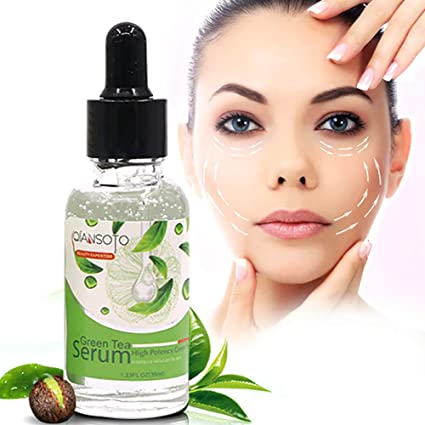
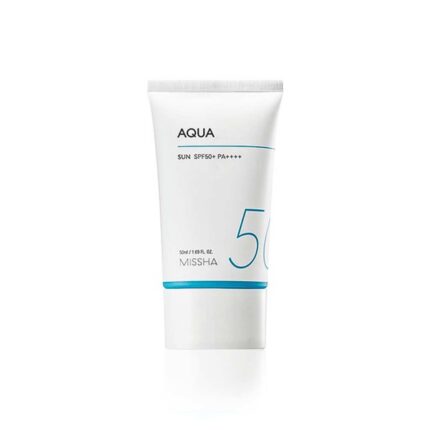 Sale
SaleOriginal price was: ৳ 1,350.00.৳ 890.00Current price is: ৳ 890.00.

৳ 4,465.00

How Catalase works in the body
At a chemical level, catalase speeds a specific reaction that would otherwise occur slowly. The enzyme binds hydrogen peroxide and converts it quickly to water and oxygen. This reduces reactive oxygen species and lowers oxidative stress inside cells.
When cells face stress from toxins or inflammation, catalase activity can increase to meet demand. Studies show that tissues with higher catalase activity often resist oxidative damage better. That is why catalase is often described as an oxidative stress protection compound in scientific summaries.
Where catalase acts
Catalase acts mainly inside peroxisomes, small cellular compartments. These organelles handle fatty acid breakdown and other oxidative reactions. By working there, catalase limits local buildup of harmful peroxide.
Why the enzyme is fast
Catalase has an active site designed to handle many hydrogen peroxide molecules quickly. This efficiency helps keep oxidative balance even during spikes of cellular stress. Because the enzyme recycles rapidly, a small amount can have a large effect.
Catalase in foods and natural sources
Many foods contain catalase, though activity varies with handling and cooking. Raw vegetables like cabbage and potatoes show measurable catalase activity in laboratory tests. Freshness and preparation influence how much active enzyme remains.
Still, cooking often reduces catalase activity because heat denatures proteins. That means diet alone may not supply significant active catalase. For people seeking direct enzyme support, supplements and topical products are common alternatives.
Uses of Catalase in supplements and cosmetics
Manufacturers add catalase to some supplements and skin care products for its antioxidant function. As an antioxidant enzyme ingredient, catalase is marketed to help neutralize peroxide-related damage. Consumers often see this claim on labels aimed at aging skin and general antioxidant support.
Because catalase can act where it is delivered, topical formulations try to stabilize the enzyme for skin absorption. However, product quality varies widely. That is why buyers should check ingredient lists and product stability claims carefully.
Topical formulations
Skin creams include catalase to reduce signs of oxidative stress from sunlight and pollution. Research indicates topical antioxidants can support skin barrier health. Yet, enzyme stability on the skin depends on the formulation and packaging.
Oral supplements
Some oral products deliver catalase or catalase precursors to support systemic antioxidant defenses. Studies of oral enzymes show mixed results, so consumers should look for well-designed trials or third-party testing. Still, anecdotal reports and some research suggest benefits in targeted groups.
Health benefits linked to Catalase
People often associate catalase with reduced aging signs because oxidative stress contributes to cellular wear over time. Research indicates higher endogenous catalase activity can correlate with lower oxidative markers. That said, results vary by tissue and individual health status.
When catalase functions well, it helps maintain redox balance in cells. As a result, tissues may tolerate metabolic stress better. Clinical studies often measure catalase alongside other antioxidant enzymes to gauge overall defense capacity.
Brain and cognitive health
Some research links catalase activity to brain health, since neurons produce reactive oxygen species during normal activity. Enzymes that reduce those species may protect neurons over time. While studies show promising trends, more human trials are needed for firm conclusions.
Skin and aging
Because the skin faces constant oxidative stress from UV light, catalase can play a protective role. Topical antioxidants including catalase may reduce oxidative markers in skin tissue. Dermatologists sometimes recommend antioxidant-rich skincare to complement sun protection.
Safety and side effects
Generally, catalase from food sources has a long safety history. Supplements and topical products follow regulatory safety guidelines in many regions. Still, individuals can react differently to enzyme-containing formulations.
For example, some people may experience mild irritation from topical enzyme products. That is why patch testing new products is a practical step. If severe reactions occur, seek medical advice promptly.
How to choose a catalase supplement
When picking a supplement, check for reputable manufacturing and third-party testing. That ensures potency and limits impurities. Also, look for storage guidance because enzymes can lose activity if exposed to heat or moisture.
Since formulations differ, choose a product designed for your goal. For skin support, select stable topical formulations. For systemic support, look for oral products with evidence of bioavailability. Reviews and certification can help make the choice clearer.
Labels and claims to read
Look for specific claims about enzyme units or stability rather than vague promises. Research indicates enzyme dose and delivery affect outcomes. Consumers should avoid products with unclear labeling or unsupported health claims.
Formulation tips
Some supplements combine catalase with cofactors like vitamins to support antioxidant networks. For example, vitamins C and E work in concert with enzymes to maintain redox balance. This combined approach may suit people seeking broad antioxidant support.
Comparing catalase to other antioxidants
Catalase differs from small-molecule antioxidants like vitamin C because it is an enzyme that catalyzes a reaction. That means catalase can neutralize many peroxide molecules without being consumed. Small antioxidants often donate electrons and become spent in the process.
Still, the body relies on both types for full protection. Studies commonly measure catalase alongside superoxide dismutase and glutathione peroxidase. Together, these systems create a layered defense against oxidative harm.
Research and scientific evidence
Researchers study catalase across many fields, from aging research to dermatology. Studies show that catalase activity often declines with age or under chronic stress. That trend supports the idea that maintaining enzyme function helps cellular resilience.
However, human clinical evidence for supplements remains mixed. Some trials report improvements in markers of oxidative stress, while others find no clear benefit. This variability reflects differences in dosing, delivery, and study design.
Animal and lab studies
Animal studies often show that boosting catalase activity reduces oxidative damage in specific tissues. These studies help map potential mechanisms. Yet, translation from animal models to human outcomes requires caution.
Human studies
Human trials that report benefits usually involve targeted groups or specific endpoints. For example, trials in skin care sometimes find reduced oxidative markers after using catalase-containing products. Still, larger trials with consistent methodologies would strengthen the evidence base.
Practical tips for everyday protection
To support your body’s antioxidant systems, include a variety of nutrient-rich foods in your diet. Vegetables, fruits, and whole grains supply cofactors that help enzymes work. That approach supports catalase along with other defenses.
Also, minimize avoidable oxidative stress by limiting smoking and excessive sun exposure. Simple lifestyle choices reduce the burden on antioxidant systems. That is why combining healthy habits with targeted products often makes sense.
Shopping guide: what to expect from products
Expect product labels to explain enzyme source and stability conditions. Some items list units of activity or storage temperature ranges. Products with transparent testing and storage recommendations usually offer better consistency.
Still, beware of exaggerated claims about dramatic reversal of aging. Research indicates catalase supports antioxidant defense, but it is not a cure-all. Realistic expectations help buyers choose wisely.
Cost and value considerations
Prices vary based on formulation, brand reputation, and included cofactors. Higher cost does not always mean better efficacy. Consumers should weigh product testing, ingredient transparency, and user reviews when assessing value.
Buying from trusted manufacturers that provide stability data can reduce the risk of losing activity. That is why third-party certification matters for enzyme supplements. It offers independent verification of quality.
Common myths about Catalase
One myth claims that catalase can fully stop aging. That is not accurate because aging involves many processes beyond oxidative stress. Catalase may help reduce one type of cellular damage, but it does not halt aging entirely.
Another myth suggests that any catalase product will behave the same in the body. Product formulation, enzyme source, and delivery affect outcomes. Consumers should look for evidence and clear labeling before deciding.
How catalase fits into a broader antioxidant plan
Think of catalase as one part of a team that defends cells from oxidative stress. Other players include small antioxidants and repair systems. Studies indicate that balanced antioxidant networks often produce the best protective effects.
So, pairing catalase-supporting products with a healthy diet gives the best chance for benefit. That includes foods rich in vitamins and minerals that support enzyme activity. This layered approach matches how the body naturally protects itself.
Environmental and storage factors
Catalase activity can decline if products are stored improperly. Heat, moisture, and light may reduce enzyme function. Manufacturers that recommend refrigeration or opaque containers aim to preserve potency.
If you buy a catalase supplement, follow the storage instructions closely. That simple step helps ensure you get the activity indicated on the label. It also reduces waste and improves the product’s value.
Questions shoppers commonly ask
People often ask whether catalase supplements will show immediate effects. Response times vary by product and endpoint. Some topical products may show short-term reductions in oxidative markers, while systemic benefits often require consistent use over weeks or months.
Another frequent question concerns interactions with medications. Enzyme supplements usually have low interaction potential, but consult a healthcare professional if you take medications or have medical conditions. Professional guidance reduces risk.
Frequently Asked Questions
What does Catalase do in the body?
Catalase breaks down hydrogen peroxide into water and oxygen, limiting oxidative damage. This enzymatic action protects proteins, lipids, and DNA from peroxide-induced harm. Cells rely on catalase alongside other antioxidant systems for balance.
Can I get Catalase from food?
Yes, many fresh fruits and vegetables contain catalase, but cooking reduces activity. That means raw sources provide the most active enzyme. However, diet alone may not supply significant enzyme activity compared to targeted products.
Are catalase supplements safe?
Most catalase supplements and topical products are safe for general use when used as directed. Some people may experience mild skin irritation from topical enzymes. If you have allergies or medical concerns, consult a healthcare professional first.
How quickly will catalase products work?
Timing varies by product and goal; topical effects may appear sooner than systemic changes. Consistent use over weeks often yields clearer results for systemic markers. Watch for product-specific guidance and realistic claims.
Final Thoughts
The single most important takeaway is that Catalase supports antioxidant defense by breaking down peroxide, helping cells resist oxidative stress. For practical use, combine a healthy diet, sun protection, and careful product selection. Choose well-tested catalase supplements or topical formulations and follow storage and usage guidance for the best results.