
Carnitine: Benefits, Uses, and Skin Care Guide

Carnitine appears in many supplements and skin products for good reasons. It supports energy metabolism and may affect skin oil balance. Many shoppers want clear answers about Carnitine and how it can help their skin and daily routine.
What is Carnitine?
Carnitine is a naturally occurring compound that helps move fatty acids into the cell’s energy center. Studies show the body uses Carnitine to convert fat into usable energy. That is why it is common in both supplements and topical products.
Because Carnitine exists in several forms, the term covers related molecules with similar function. For example, L-carnitine is the form used most in nutrition and skin care. This means product labels can list different Carnitine variants while describing similar actions.
Recommended Products
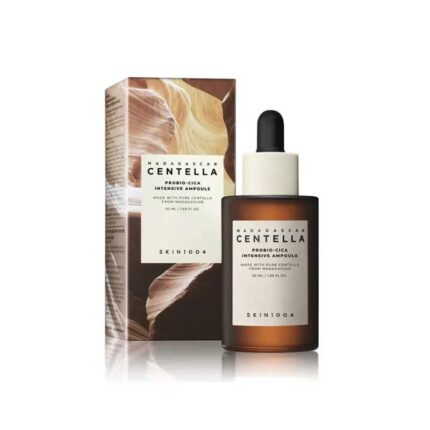 Sale
SaleOriginal price was: ৳ 3,360.00.৳ 2,352.00Current price is: ৳ 2,352.00.
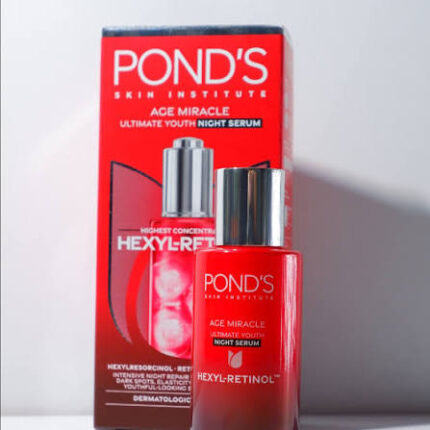 Sale
SaleOriginal price was: ৳ 2,000.00.৳ 1,950.00Current price is: ৳ 1,950.00.
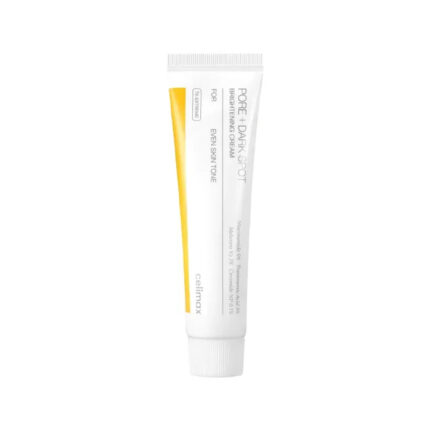 Sale
SaleOriginal price was: ৳ 1,790.00.৳ 1,590.00Current price is: ৳ 1,590.00.
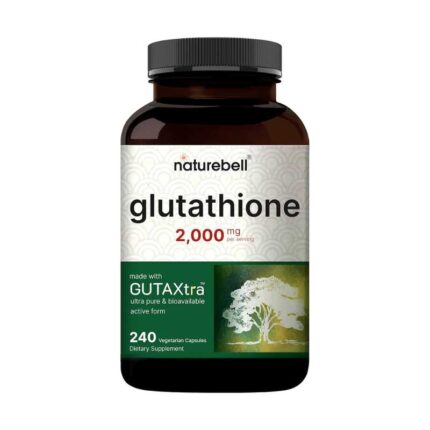 Sale
SaleOriginal price was: ৳ 7,390.00.৳ 5,500.00Current price is: ৳ 5,500.00.
How Carnitine Works in the Body
When cells need fuel, Carnitine shuttles long-chain fatty acids into mitochondria, the cell’s powerhouses. Research indicates this transport supports cellular energy production during exercise and fasting. As a result, users often notice improved endurance or faster recovery when supplements are used correctly.
While the mechanism is biochemical, the practical result affects energy and fat metabolism. That effect explains why athletes and older adults both use Carnitine supplements. Still, supplement quality and dosing vary, so experts recommend choosing tested products.
Forms of Carnitine and How They Differ
L-carnitine, acetyl-L-carnitine, and propionyl-L-carnitine are common forms found in products. Each form enters cells differently and may offer distinct benefits such as brain support or circulation. Dermatologists recommend checking form names on labels for the intended benefit.
For skin uses, L-carnitine and some derivatives are more common. For example, acetyl-L-carnitine may cross the blood-brain barrier more easily, which matters for cognitive claims. That is why product choice should match the desired result.
How Carnitine Functions as a Skincare Ingredient
When applied topically, Carnitine can influence skin oil production and cellular energy. Research indicates topical Carnitine may reduce sebum production and improve skin texture. For example, studies on L-carnitine skincare ingredient show reduced shine and visible pore size in some trials.
Because skin cells also require energy for repair, Carnitine’s role in fatty acid transport supports barrier function. Dermatologists recommend combining Carnitine with sensible cleansing and sun protection. Still, evidence varies by formulation and concentration.
Mechanism on Skin Oil and Sebum
Topical Carnitine seems to reduce sebum synthesis by influencing fatty acid processing in sebaceous glands. This oil control action means Carnitine can act as an oil control compound in targeted products. As a result, people with oily skin may see less shine with consistent use.
Although exact pathways are under study, labs report changes in sebum output after topical Carnitine application. That evidence supports using Carnitine in products aimed at oily or acne-prone skin.
Effects on Skin Texture and Pores
Carnitine’s support for cellular energy can improve cell turnover and skin renewal. This means texture and pore appearance may refine with time. For example, subjects in some cosmetic trials reported smoother skin after weeks of using Carnitine formulations.
Benefits of Carnitine for Skin
People use Carnitine in skin care for several reasons: oil control, clearer pores, and improved skin tone. Studies show topical Carnitine can reduce sebum and support fresher skin appearance. That evidence makes it a promising option for oily and combination skin types.
Because Carnitine also plays a role in cell health, some users report better resilience and less dryness when it is included in a routine. Dermatologists recommend testing a small area first to watch for irritation, especially with new formulations.
Targeting Acne and Breakouts
For acne-prone skin, reducing sebum helps limit bacterial growth and clogged pores. Research indicates that topical Carnitine may lower sebum without harsh stripping. As a result, it can be a gentler option than strong drying agents.
Still, Carnitine is rarely a standalone acne cure. Instead, it pairs well with proven anti-acne ingredients under medical guidance. That means using Carnitine alongside cleansing, benzoyl peroxide, or retinoids as advised by a clinician.
Helping with Oily or Combination Skin
Carnitine’s oil control benefits make it attractive for those with shiny foreheads or T-zones. Products that list Carnitine often aim to curb excess oil while preserving hydration. For example, serums and lightweight lotions marketed for oily skin may include Carnitine for this purpose.
Comparing Topical Use Versus Supplements
Taking Carnitine orally supports systemic needs, while topical use targets local skin effects. Studies show supplements can affect energy and recovery, but topical Carnitine focuses on sebum and skin texture. That difference helps consumers pick a form based on their primary goal.
Because oral supplements reach many tissues, they may help overall metabolism and muscle recovery. However, for visible skin oil control, topical application delivers the ingredient directly to sebaceous glands. That means product choice depends on whether internal or local benefits are desired.
How to Choose Skincare Products with Carnitine
Look for clear labeling of Carnitine form and concentration on the ingredient list. Dermatologists recommend products with tested formulations and stable packaging. For example, serums in pump bottles protect active ingredients better than open jars.
Since formulation matters, check whether a product lists L-carnitine or a derivative. Products designed for oily skin often combine Carnitine with humectants and mild exfoliants. That combination supports oil control without causing excess dryness.
What to Expect on Labels
Labels should show the active form, not just a brand claim. That detail helps shoppers compare products and concentrations. As a result, conscientious buyers can choose a product that matches their budget and skin goals.
Formulation Tips for Different Skin Types
For sensitive skin, pairing Carnitine with soothing ingredients like glycerin or niacinamide can reduce irritation risk. For oily skin, lightweight gels or water-based serums are often best. For dry skin, leave-on formulations with added emollients help retain moisture.
Common Combinations and Pairings
Carnitine often appears with niacinamide, salicylic acid, or antioxidants in skincare products. Research indicates synergistic effects when active ingredients target different skin functions. For example, niacinamide can calm redness while Carnitine manages oil production.
Because salicylic acid penetrates pores and removes debris, pairing it with Carnitine may yield clearer skin faster. Yet pairing should respect concentration limits to avoid irritation. That means following product directions and avoiding excessive layering.
Safety, Side Effects, and Who Should Avoid It
Topical Carnitine is generally well tolerated, with low rates of irritation reported. Studies show allergic reactions are uncommon but possible. Therefore, patch testing is a sensible first step for sensitive individuals.
When taken as a supplement, Carnitine can cause mild gastrointestinal effects in some people. As a result, those with kidney disease or on certain medications should consult a healthcare professional. That approach helps avoid interactions and dosage mistakes.
Choosing a Supplement: Dosage and Quality
Various doses of Carnitine are used in studies depending on the goal, from maintenance to performance support. Research indicates typical supplemental doses range broadly, and quality varies by manufacturer. For that reason, selecting third-party tested products adds safety and trust.
Because supplement labels can list different Carnitine forms, choose a form that matches the desired effect. For muscle or energy goals, L-carnitine or acetyl-L-carnitine are common picks. Still, always follow the label and talk to a clinician before starting regular use.
Consumer Tips: How to Use Carnitine-Based Products
Start with a short patch test to confirm tolerance before full-face application. When using topical Carnitine, apply to clean skin and follow with sunscreen during the day. That routine reduces the chance of irritation and protects skin while active ingredients work.
Because results may take weeks, be patient and consistent with application. Skincare changes rarely show dramatic effects overnight. That means setting realistic expectations helps with long-term adherence.
Evidence and Research Highlights
Research indicates topical Carnitine can reduce sebum and improve skin appearance in some trials. Studies show participants often report decreased shine and better texture after sustained use. That evidence supports Carnitine’s role in oil control and cosmetic improvement.
While research grows, experts caution that not all studies use the same product types or concentrations. As a result, effectiveness may vary between brands. Dermatologists recommend trying a proven formulation to judge real-world benefits.
How Carnitine Compares to Other Oil Control Options
Compared with strong drying agents, Carnitine may control oil more gently. For example, ingredients like salicylic acid exfoliate, while Carnitine reduces sebum production. That difference makes Carnitine suitable for people seeking less aggressive oil control.
Because results depend on combination and concentration, Carnitine often works best as part of a balanced regimen. That means pairing it with sunscreen and gentle cleansers provides more consistent improvements.
Cost and Availability
Carnitine appears in many mid-range and premium skin products, which affects price. Some budget formulas include Carnitine but at lower concentrations. For that reason, comparing ingredient lists helps identify value.
Because supplements and cosmetics are widely available, shoppers can find many options. That means reading labels and reviews offers guidance on real-world performance before committing to a purchase.
Real User Experiences and Practical Tips
Many users report less shine and smaller-looking pores after several weeks of consistent use. Those anecdotal reports align with clinical findings in some trials. Still, results vary and depend on lifestyle, hormones, and product routine.
When starting a new product, reduce other active layers to judge effects clearly. That approach helps identify which ingredient gives the most benefit. If irritation appears, stop use and consult a dermatologist.
Environmental and Ethical Considerations
Some brands source Carnitine with sustainability and testing transparency in mind. Research indicates consumers increasingly prefer ethically made products. Therefore, choosing manufacturers that test and publish results can help align purchases with personal values.
Because formulation stability matters for active ingredients, packaging choices like airless pumps help preserve efficacy. That means paying attention to packaging can influence long-term results.
Frequently Asked Questions
Is Carnitine safe for sensitive skin?
Most topical Carnitine formulations are well tolerated, but reactions can occur. Patch testing on the inner forearm for 48 hours helps check sensitivity before full use.
How long does it take to see results from Carnitine products?
Visible changes often appear after several weeks of consistent use. Studies and user reports suggest benefits typically show within four to twelve weeks depending on formulation.
Can I take Carnitine supplements and use topical Carnitine at the same time?
Using oral supplements alongside topical Carnitine is common and generally safe for healthy people. However, those with medical conditions or on prescription medications should consult a healthcare professional first.
Does Carnitine replace acne medications?
Carnitine can help reduce sebum but does not replace medical acne treatments for moderate or severe cases. For persistent acne, consult a dermatologist for a treatment plan that may include prescription options.
Final Thoughts
Carnitine offers a promising, gentle option for managing skin oil and supporting cellular energy. Studies and user reports indicate topical Carnitine can reduce sebum and improve texture when used consistently. For best results, choose tested products, perform a patch test, and combine Carnitine with a simple, balanced routine that includes sun protection.