
Caprylhydroxamic Acid: Uses, Safety, and Facts

Many shoppers wonder what keeps lotions and creams safe from microbes. Caprylhydroxamic Acid helps slow microbial growth in many personal care items. This guide explains how the ingredient works, how safe it is, and what to watch for when you shop.
What is Caprylhydroxamic Acid?
Caprylhydroxamic Acid is a small organic acid used in cosmetics and cleaners. For example, manufacturers add this ingredient to reduce the risk of microbial contamination. Studies show brands use related hydroxamic acids because they blend chelation and mild antimicrobial action.
Because it acts both as a chelator and as a mild antimicrobial, chemists value its dual role. This means it can bind metal ions and also slow microbial growth when combined with other agents. That combination gives it the label “chelating antimicrobial compound” in some technical descriptions.
Recommended Products

৳ 1,569.00

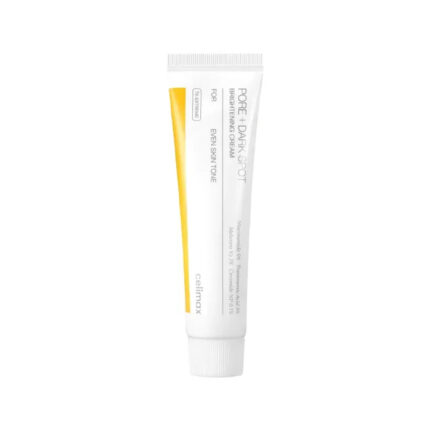 Sale
SaleOriginal price was: ৳ 1,790.00.৳ 1,590.00Current price is: ৳ 1,590.00.
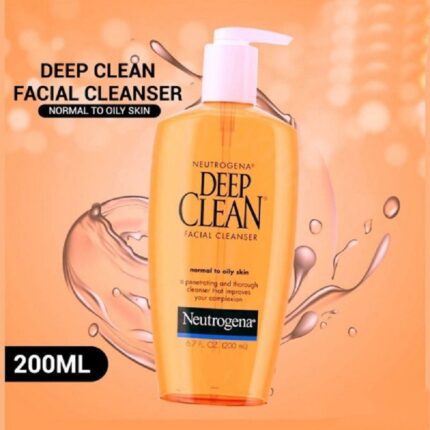 Sale
SaleOriginal price was: ৳ 2,550.00.৳ 1,860.00Current price is: ৳ 1,860.00.
How Caprylhydroxamic Acid Works in Formulas
Caprylhydroxamic Acid works by binding trace metals that microbes need to grow. When metals like iron are held, microbial metabolism slows. Research indicates controlling metal availability helps preservatives work better.
As a result, formulators often add Caprylhydroxamic Acid as a preservative booster ingredient. This means it makes other preservatives more effective at lower levels. That effect can allow brands to use gentler preservative blends overall.
Typical Uses and Product Types
Manufacturers commonly add Caprylhydroxamic Acid to moisturizers, serums, and water-based gels. These products need protection because they contain water and nutrients. Studies show water-rich products form the highest risk for bacteria and fungus.
Still, you may also find it in cleansers, masks, and some leave-on items. For example, brands that market clean formulas often use it to reduce stronger preservatives. That approach helps them balance safety and mildness in a single product.
Benefits for Consumers
One clear benefit is that Caprylhydroxamic Acid supports product safety without strong odor. Many shoppers dislike strong chemical scents, and this ingredient presents no discernible smell. That trait makes it useful in lightly fragranced or fragrance-free items.
Because it helps lower required levels of other preservatives, the ingredient can reduce skin irritation risk. Dermatologists recommend testing products on a small patch of skin when you have sensitive skin. This precaution helps spot reactions before broad use.
How It Compares to Other Preservatives
Caprylhydroxamic Acid differs from classic preservatives like parabens and formaldehyde releasers. Those older preservatives directly kill microbes at certain concentrations. Instead, Caprylhydroxamic Acid often acts in support of those agents.
That support role can mean brands use lower amounts of stronger preservatives. Research indicates preservative systems that combine mechanisms often perform best. For example, combining metal binding and antimicrobial action covers multiple microbial needs.
Safety Profile and Common Concerns
Regulatory agencies review cosmetic preservatives and their supporting ingredients. Studies show topical exposure to Caprylhydroxamic Acid at common cosmetic levels does not cause widespread harm. Still, any ingredient can cause rare irritation in sensitive individuals.
Because of that, many brands include clear labeling and recommend patch testing. If redness or burning occurs after use, stop the product and consult a healthcare professional. That guidance helps manage rare adverse reactions safely.
Science and Expert Guidance
Research indicates chelators can reduce microbial activity by restricting essential metals. This means Caprylhydroxamic Acid may lower microbial survival indirectly. Dermatologists recommend balanced preservative systems for products used near the eyes or on broken skin.
When formulating, chemists assess preservative efficacy using standard tests. These tests measure how well a product resists bacterial, yeast, and mold growth over time. Brands that pass these tests can claim validated protection.
Regulatory Status and Labeling
Regulatory rules vary by country, and manufacturers must follow local laws. For example, cosmetic regulators require safety data for new preservatives and boosters. That requirement ensures products entering the market meet basic safety standards.
Because of regulatory review, many reputable brands list Caprylhydroxamic Acid on ingredient labels. Reading labels helps you know what is in a product before buying. That transparency supports informed choices for shoppers.
Formulation Tips and Product Selection
When you shop, look for products that list full ingredients if you have concerns. Brands that name Caprylhydroxamic Acid on the label often provide more formulation detail. This means you can compare preservative strategies across similar products.
Also, consider product type and use. For example, rinse-off items pose different risks than leave-on creams. That difference affects the level and type of preservation required for safety.
Common Myths and Misconceptions
Some consumers assume any preservative booster is unsafe, but that is not true. Safety depends on dose, exposure, and the full formula context. Research indicates many support ingredients reduce the need for harsher preservatives.
Yet, fear often grows from unclear claims and social media posts. That is why reading credible sources and product labels matters. Evidence-based guidance helps you avoid unnecessary concern about routine ingredients.
Shopping Advice for Sensitive Skin
If you have sensitive skin, choose simple formulas with fewer additives. For example, a minimal ingredient list reduces variables that might irritate skin. Dermatologists often suggest avoiding multiple active fragrances and high alcohol content.
Because Caprylhydroxamic Acid may allow milder preservative blends, it can suit some sensitive skin products. Still, always try a patch test before regular use. That step helps confirm whether a product agrees with your skin.
Environmental Considerations
Manufacturers monitor the environmental fate of cosmetic ingredients. Studies show that most cosmetic actives enter wastewater in very low amounts. This means proper wastewater treatment plays a key role in limiting environmental exposure.
When brands design formulas, they may select ingredients with favorable biodegradability. That choice can reduce environmental load without compromising product safety. Consumers can look for eco-conscious labeling when that matters.
Caprylhydroxamic Acid in “Natural” and “Clean” Brands
Many clean-beauty brands aim to reduce controversial preservatives while keeping safety. Caprylhydroxamic Acid fits this niche because it supports milder preservative systems. Customers often see it in products marketed as low-irritant or gentle.
Still, “natural” or “clean” labels do not replace safety testing. Research indicates proper preservation matters regardless of marketing claims. Therefore, prioritize products that pass preservative efficacy tests.
Label Terms to Watch For
When you read ingredient lists, you may spot Caprylhydroxamic Acid under that exact name. Brands sometimes list INCI names, which follow standardized terms. That practice makes it easier to identify the ingredient across products.
Also, watch for label claims like “paraben-free” or “formaldehyde-free.” These claims often accompany the use of support ingredients. However, those claims do not guarantee that a formula has been fully validated without testing.
DIY Products and Home Formulations
Making cosmetics at home can be tempting, but preservation is a key challenge. Many DIY recipes omit effective preservatives, which increases contamination risk. Studies show homemade water-based items can spoil quickly without proper preservative systems.
Because Caprylhydroxamic Acid requires precise handling and testing, it is best left to professional formulators. That approach ensures correct dosing, stability, and safety testing. Consumers should be cautious with do-it-yourself water-based products.
How to Read Claims About Preservatives
Claims on packaging may highlight single ingredients or broad strategies. For example, a brand may call an ingredient a “preservative booster ingredient” to explain its role. That phrase tells you the ingredient helps other preservatives perform better.
When evaluating claims, look for evidence of preservative efficacy testing. Brands that share testing results or standards demonstrate higher transparency. That behavior helps you trust the product more when choosing between options.
Real-World Examples of Use
Many mid-range and premium skincare lines use Caprylhydroxamic Acid to balance preservation. For instance, they may combine it with mild antimicrobials to protect the formula. This strategy can lower irritation while maintaining safety.
That practice is common in products designed for daily use or for sensitive areas. Research indicates consistent protection matters most in products used around the eyes or on broken skin. Choosing validated products reduces the risk of contamination in daily routines.
Storage and Shelf Life Tips
Proper storage helps maintain product safety and performance. Keep products away from heat and direct sunlight, and close containers tightly after use. That care reduces opportunities for contamination and degradation.
Moreover, follow on-pack expiry dates and use-by guidance once opened. Manufacturers determine these dates based on stability and microbial testing. Paying attention to them helps you avoid expired or compromised products.
When to Avoid Certain Products
Avoid products that show visual changes, such as separation, cloudiness, or odd smells. These signs may indicate microbial growth or formula breakdown. If you notice such changes, discard the product even if the label claims preservation.
Also, avoid using products past the recommended open period. The open period tells you how long the product stays safe after breaking the initial seal. Using products beyond that time can increase contamination risk.
Cost and Availability
Caprylhydroxamic Acid is common in many modern formulas, and it does not usually affect price significantly. Brands that use it often balance cost against the need for milder preservatives. That balance keeps products affordable and still safe.
Because it supports lower levels of other preservatives, the ingredient can help brands avoid expensive alternatives. This approach lets makers offer gentler products without large price increases. Consumers can therefore find such formulas across price ranges.
Questions Formulators Ask
Formulators consider stability, compatibility, and test results when adding Caprylhydroxamic Acid. These technical checks ensure the ingredient performs as expected in a full formula. Quality control measures then confirm batch-to-batch consistency.
When testing, chemists run challenge tests and shelf-life studies. Those tests measure how well a product resists microbes and how it changes over time. Brands that publish testing standards often show higher commitment to safety.
Caprylhydroxamic Acid and Allergies
Allergic reactions to any cosmetic ingredient are possible but rare. Patch testing helps detect individual sensitivities before widespread use. If you have a known allergy to similar compounds, consult a dermatologist before trying new products.
Also, read ingredient lists if you have multiple known sensitivities. Avoid mixing products that together create a higher risk of irritation. That careful approach reduces the chance of reactions from combined ingredients.
How to Report a Problem
If a product causes a reaction, stop using it and wash the area gently. Seek medical advice if symptoms persist or worsen. Consumers can also report serious adverse events to local regulatory authorities to support public safety.
That reporting process helps regulators monitor product safety and track patterns. For example, multiple complaints may prompt an investigation or a recall. Public vigilance therefore contributes to overall consumer protection.
Industry Trends and Future Use
Formulators increasingly seek mild, multifunctional ingredients that support safety and comfort. Caprylhydroxamic Acid fits this trend because it combines chelation and mild antimicrobial action. Research indicates the industry will keep exploring similar compounds for greener preservation.
That movement aims to reduce reliance on high-dose single preservatives. As a result, consumers may see more balanced preservative systems in new product lines. Brands that test and document performance will lead in this shift.
Frequently Asked Questions
Is Caprylhydroxamic Acid safe for daily use?
Yes, most products formulated with typical levels are safe for daily use. Research indicates it supports preservation without adding strong irritation. Still, patch testing is wise for people with very sensitive skin.
Can Caprylhydroxamic Acid replace all preservatives?
No, it usually acts as a supporting ingredient rather than a sole preservative. That is why manufacturers call it a preservative booster ingredient on occasion. Combining mechanisms generally provides better protection than a single mode alone.
Will this ingredient cause acne or pore-clogging?
Caprylhydroxamic Acid itself is not known to clog pores. Acne issues often come from oils, heavy emollients, or hormonal factors. If you notice breakouts, check the full formula and consider your routine changes.
How can I check if a product contains Caprylhydroxamic Acid?
Look at the ingredient list on the product label under its INCI name. Brands that follow good labeling practices will list it clearly. If the label is unclear, contact the company for ingredient confirmation.
Final Thoughts
Caprylhydroxamic Acid offers a practical way to support product safety while keeping formulas gentle. For shoppers, the single most important takeaway is this: choose products with clear labeling and proven preservative testing. When possible, prefer brands that explain their preservative strategy and test results to make safer choices.