
Candida Bombicola/Glucose/Methyl Rapeseedate Ferment

Clean labels can feel confusing when one ingredient name takes up half the bottle. Candida Bombicola/Glucose/Methyl Rapeseedate Ferment sounds complex, yet it points to a simple idea: cleaner cleansing through fermentation. For shoppers, that can mean a better way to wash skin, hair, dishes, or surfaces.
Candida Bombicola/Glucose/Methyl Rapeseedate Ferment
Candida Bombicola/Glucose/Methyl Rapeseedate Ferment is a fermentation-derived cleansing ingredient. Yeast feeds on glucose, which means sugar, and methyl rapeseedate, which comes from rapeseed oil. As a result, the process creates surface-active molecules that help water mix with oil.
Those molecules belong to a group called sophorolipids. A sophorolipid has a sugar-loving part and an oil-loving part. Because of that split structure, it can loosen grease, soil, and residue during rinsing.
Research indicates that Candida bombicola, now often called Starmerella bombicola by scientists, can produce useful biosurfactants. A biosurfactant is a surfactant made by a living microbe. This means Candida Bombicola/Glucose/Methyl Rapeseedate Ferment can support cleansing without relying only on petrochemical sources.
How fermentation creates cleansing action
When yeast ferments sugar and oil-based inputs, it changes them into new compounds. The result can include sophorolipids, which lower surface tension. Lower surface tension helps water spread, wet a surface, and lift away grime.
Candida Bombicola/Glucose/Methyl Rapeseedate Ferment does not work like a harsh scrub. Instead, it helps loosen oily material so water can carry it away. That is why formulators may choose it for mild cleansers and rinse-off products.
Studies show that sophorolipids can show strong surface activity even at low levels. Surface activity describes how well a material works at the border between oil and water. For shoppers, this means a small amount may help a formula clean well.
Why shoppers see it on labels
Ingredient labels use formal naming rules, so the name can look technical. Candida Bombicola/Glucose/Methyl Rapeseedate Ferment tells you the organism and feedstocks behind the ferment. It also helps brands disclose the ingredient with more detail.
However, the long name does not mean the ingredient is unsafe or synthetic by default. It means the ingredient came from a controlled fermentation process. Dermatologists often remind shoppers to judge a full formula, not one unfamiliar name.
When a brand highlights Candida Bombicola/Glucose/Methyl Rapeseedate Ferment, it may want to show a plant-linked and fermentation-linked cleansing system. That does not make every product perfect. Still, it gives shoppers a useful clue about the formula’s design.
Recommended Products
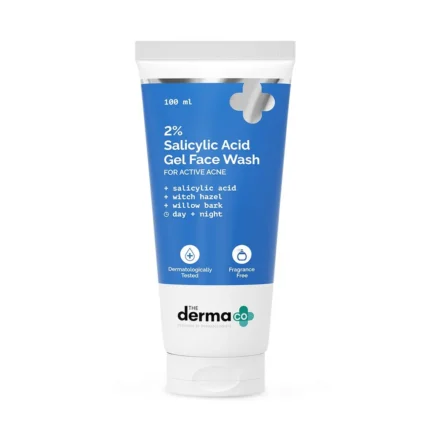 Sale
SaleOriginal price was: ৳ 1,100.00.৳ 790.00Current price is: ৳ 790.00.
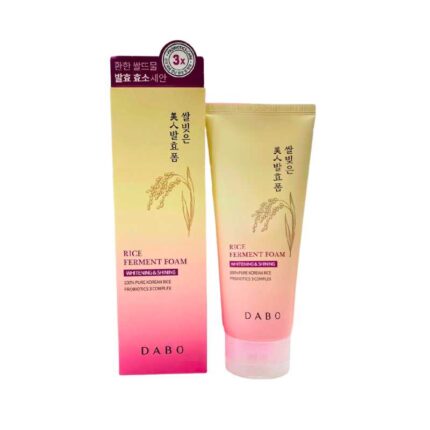 Sale
SaleOriginal price was: ৳ 1,500.00.৳ 950.00Current price is: ৳ 950.00.
 Sale
SaleOriginal price was: ৳ 1,640.00.৳ 1,090.00Current price is: ৳ 1,090.00.
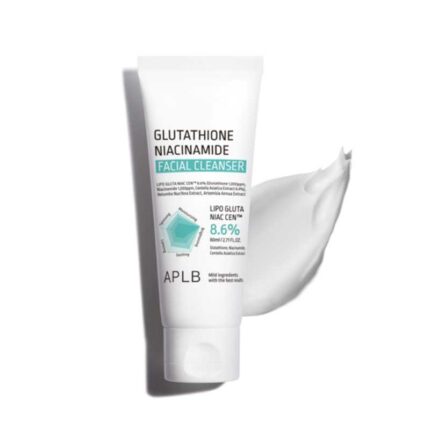 Sale
SaleOriginal price was: ৳ 1,300.00.৳ 910.00Current price is: ৳ 910.00.
Why a sophorolipid biosurfactant ingredient matters
A sophorolipid biosurfactant ingredient matters because it offers another path to cleansing. Many common surfactants clean well, yet some shoppers want plant-based or fermentation-based options. Candida Bombicola/Glucose/Methyl Rapeseedate Ferment fits that growing interest.
Research shows that biosurfactants can break down more readily than many older surfactant types. Biodegradation means microbes can break a substance into simpler parts. As a result, formulators study sophorolipids for personal care, home care, and industrial cleaning.
Because this ingredient comes from sugar, oil-derived material, and yeast activity, it connects to renewable feedstock goals. Renewable feedstocks can regrow, unlike fossil inputs. This does not remove every environmental impact, but it can improve the ingredient story.
It helps oil and water work together
Oil and water resist each other. A surfactant helps them mix long enough for cleansing to happen. Candida Bombicola/Glucose/Methyl Rapeseedate Ferment can help lift oily dirt because sophorolipids have two different sides.
For example, one side prefers water, while the other side prefers oil. This dual nature helps the molecule surround oily soil. Then rinsing can move that soil away from skin, hair, or a hard surface.
Studies on sophorolipids show that they can form structures called micelles. Micelles trap oils inside tiny clusters in water. This means a cleanser can rinse away residue with less rubbing.
It may support a milder feel
Many shoppers dislike cleansers that leave skin tight or squeaky. That tight feeling can happen when a formula removes too much oil. Candida Bombicola/Glucose/Methyl Rapeseedate Ferment may help brands create a milder wash system.
However, mildness depends on the whole product. The pH, fragrance, preservatives, and other surfactants also matter. Dermatologists recommend gentle, fragrance-free options for reactive skin when irritation remains a concern.
Research suggests sophorolipids can show good cleansing with a pleasant skin feel in some formulas. This does not guarantee comfort for every person. Still, it explains why brands test Candida Bombicola/Glucose/Methyl Rapeseedate Ferment in gentle products.
It fits low-waste product goals
Low-waste product design looks at much more than packaging. Ingredients, rinse behavior, concentration, and shipping weight all matter. Candida Bombicola/Glucose/Methyl Rapeseedate Ferment can support this work when brands design the whole product carefully.
Because biosurfactants can work well in water-based and concentrated formulas, they interest many formulators. Concentrated products can reduce water weight during shipping. As a result, some brands pair fermentation-based cleansers with refill systems.
Still, shoppers should look past a single claim. A product with Candida Bombicola/Glucose/Methyl Rapeseedate Ferment can still contain fragrance allergens or excess packaging. The best choice balances performance, skin comfort, and lower impact.
How it compares with common cleansers
Most cleansers depend on surfactants, whether the product feels natural, clinical, or basic. Common examples include sulfates, glucosides, betaines, and amino acid surfactants. Candida Bombicola/Glucose/Methyl Rapeseedate Ferment belongs to a newer group based on fermentation.
Because shoppers often compare ingredients by name alone, confusion happens fast. A sulfate can clean powerfully, while a glucoside may feel milder. A sophorolipid offers a different balance, with strong interest around biodegradability and mild cleansing.
Studies show that no single surfactant wins in every formula. Performance changes with water hardness, pH, concentration, and soil type. This means Candida Bombicola/Glucose/Methyl Rapeseedate Ferment works best when a skilled formulator pairs it wisely.
Compared with sulfates
Sulfates such as sodium lauryl sulfate create strong foam and cleaning power. Some people find them drying, especially with frequent washing. Candida Bombicola/Glucose/Methyl Rapeseedate Ferment may appeal to shoppers who want a softer cleanse.
However, foam does not always equal better cleaning. Many high-foam products clean well, yet lower-foam products can also remove soil. That is why shoppers should judge how skin or hair feels after rinsing.
Research has long used sulfates as strong reference cleansers in irritation testing. That does not mean every sulfate formula irritates everyone. Still, a product with Candida Bombicola/Glucose/Methyl Rapeseedate Ferment may feel more modern to gentle-care shoppers.
Compared with glucosides
Glucosides come from sugar and fatty alcohol sources. Brands often use them in plant-forward cleansers. Candida Bombicola/Glucose/Methyl Rapeseedate Ferment differs because yeast fermentation creates its key cleansing molecules.
Both types can fit mild formulas. Yet glucosides may feel squeaky in some products, depending on the blend. Sophorolipids can add a different rinse feel and help balance cleansing systems.
Studies show that mixed surfactant systems often perform better than one surfactant alone. This means a cleanser may combine glucosides with Candida Bombicola/Glucose/Methyl Rapeseedate Ferment. The blend can improve foam, soil removal, or skin feel.
Compared with soap
Traditional soap comes from fats and strong alkali. It cleans well, but it often has a high pH. Candida Bombicola/Glucose/Methyl Rapeseedate Ferment can fit formulas closer to skin-friendly pH ranges.
Because skin has an acidic outer layer, high-pH washing can bother some people. Dermatologists often suggest low-pH cleansers for dry or sensitive skin. This matters when shoppers choose face wash, body wash, or hand soap.
Soap also reacts with minerals in hard water and can leave scum. Modern surfactant blends can reduce that issue. As a result, a formula using Candida Bombicola/Glucose/Methyl Rapeseedate Ferment may rinse cleaner in some homes.
Where shoppers may find it
Candida Bombicola/Glucose/Methyl Rapeseedate Ferment can appear in several product types. Shoppers may see it in facial cleansers, body washes, shampoos, dish liquids, laundry products, or surface sprays. The role stays similar: help water remove oily or greasy soils.
Because the ingredient supports mild cleansing, beauty brands often test it in rinse-off care. Home care brands may also value its renewable and biodegradable profile. Research across biosurfactants supports their use in many cleaning fields.
Still, the final product category matters. A face cleanser needs different testing than a dish soap. So shoppers should match the product to the task, not just the ingredient name.
Facial cleansers and body washes
Face and body cleansers need to remove sweat, sunscreen, oil, and pollution. Candida Bombicola/Glucose/Methyl Rapeseedate Ferment can help with that task in a gentle wash. The formula may suit people who dislike a stripped feeling.
However, facial skin varies a lot. Oily skin may prefer more cleansing power, while dry skin may need creamier textures. Dermatologists recommend patch testing if you react often to new products.
Studies show that cleanser pH and surfactant choice can affect the skin barrier. The skin barrier helps keep water in and irritants out. This means the full formula around Candida Bombicola/Glucose/Methyl Rapeseedate Ferment deserves attention.
Shampoos and scalp products
Shampoo must remove sebum, styling products, sweat, and dirt. Candida Bombicola/Glucose/Methyl Rapeseedate Ferment can support that cleansing job without making foam the only goal. Some formulas use it to create a softer rinse feel.
When hair feels rough after washing, the surfactant blend may play a role. Conditioning agents, pH, and hard water also affect feel. As a result, shoppers should test how hair behaves after several washes.
Research shows that scalp comfort depends on both cleansing and barrier care. A product that cleans too little can leave buildup. Yet a product that cleans too strongly can leave the scalp tight or itchy.
Dish liquids and home cleaners
Dish liquids need strong grease removal. Candida Bombicola/Glucose/Methyl Rapeseedate Ferment may help lift oily food residue because sophorolipids interact with fats. Home products may also use it for surface cleaning.
Because dish and surface products contact skin during chores, mildness still matters. Many shoppers want products that clean well without harsh fumes. An eco friendly cleansing compound can appeal to those shoppers when performance remains strong.
Studies on biosurfactants show promise for oil removal and soil release. This explains their use beyond beauty products. Still, shoppers should follow label directions for food-contact surfaces and rinsing.
Safety, skin feel, and label reading
Safety starts with the finished formula, not one ingredient alone. Candida Bombicola/Glucose/Methyl Rapeseedate Ferment may fit gentle products, but the total blend decides the user experience. Fragrance, colorants, acids, and preservatives can change tolerance.
Because personal reactions differ, no cleanser can promise zero irritation. People with eczema, allergies, or damaged skin should choose simple formulas when possible. Dermatologists often recommend short ingredient lists for very reactive skin.
Research supports the idea that surfactant mildness depends on dose and exposure time. A rinse-off cleanser usually has less contact time than a leave-on product. This means shoppers should read directions and avoid over-washing.
Patch testing at home
Patch testing gives cautious shoppers a simple first check. Apply a small amount of the product to a small skin area, then rinse as directed. When redness, burning, or itching appears, stop using it.
Candida Bombicola/Glucose/Methyl Rapeseedate Ferment may not cause the reaction if irritation occurs. Another ingredient could trigger the issue. That is why saving the product label can help you compare patterns later.
However, home patch testing cannot replace medical allergy testing. A dermatologist can test specific allergens when reactions keep happening. This is especially useful for fragrance, preservative, or plant allergy concerns.
How to read the ingredient list
Ingredient lists usually order ingredients from highest to lowest amount at first. After low levels, the order rules can change by region. Candida Bombicola/Glucose/Methyl Rapeseedate Ferment may appear near other surfactants or skin-feel helpers.
When you see several cleansing agents together, the brand likely built a surfactant blend. This can improve foam, mildness, and grease removal. For example, a formula may pair sophorolipids with glucosides, betaines, or amino acid surfactants.
Studies show that blends can reduce irritation compared with harsher single systems in some cases. The effect depends on the blend. So shoppers should focus on results, claims, and skin feel together.
Claims to treat with care
Some labels make broad claims such as natural, clean, or toxin-free. These words do not always follow one clear standard. Candida Bombicola/Glucose/Methyl Rapeseedate Ferment gives more specific information than a vague front-label claim.
Because green marketing can sound stronger than the evidence, shoppers should look for details. Does the brand explain fermentation, biodegradability, or testing? Does it avoid fear-based claims about every other cleanser?
Research-backed brands usually speak in measured language. They discuss performance, safety testing, and product limits. That kind of tone often gives shoppers more trust than dramatic promises.
Eco friendly cleansing compound claims
The phrase eco friendly cleansing compound can help describe why shoppers notice biosurfactants. Candida Bombicola/Glucose/Methyl Rapeseedate Ferment connects to renewable inputs and fermentation, which many buyers prefer. Yet eco claims deserve careful reading.
Because the environment includes air, water, soil, energy, and waste, one ingredient cannot tell the full story. A greener cleanser also needs responsible sourcing, safe manufacturing, and sensible packaging. As a result, the best products support more than one sustainability goal.
Studies show that sophorolipids can biodegrade under suitable conditions. They also come from microbial production, not direct fossil surfactant routes. This makes Candida Bombicola/Glucose/Methyl Rapeseedate Ferment a strong candidate for lower-impact cleansing formulas.
Renewable feedstocks matter
Renewable feedstocks come from materials that can grow again. In this ingredient, glucose can come from plant starch or sugar sources. Methyl rapeseedate comes from rapeseed oil chemistry.
When yeast turns those inputs into sophorolipids, it creates useful cleansing molecules. Candida Bombicola/Glucose/Methyl Rapeseedate Ferment therefore links plant inputs with microbial production. This process interests brands that want to reduce fossil-based ingredient use.
However, crop farming still has impacts. Land use, fertilizer, transport, and processing all matter. Honest sustainability claims should recognize those factors instead of making a perfect-sounding claim.
Biodegradability and water systems
Biodegradability matters because rinse-off products enter wastewater. Treatment systems rely on microbes to break down many organic materials. Studies indicate that many biosurfactants can break down well under the right conditions.
Candida Bombicola/Glucose/Methyl Rapeseedate Ferment may support formulas that align with biodegradability goals. Still, the full product includes more than one ingredient. Preservatives, fragrance materials, solvents, and dyes also affect the total profile.
Because wastewater conditions vary, no shopper can judge real-world breakdown from one label line. Third-party testing can add confidence when brands share it. This means proof matters more than a green leaf graphic.
Packaging and product format
Packaging can outweigh ingredient gains when brands use heavy or wasteful formats. A good formula in a poor package may still create excess waste. Candida Bombicola/Glucose/Methyl Rapeseedate Ferment works best in products with thoughtful packaging choices.
For example, concentrated refills can reduce shipping weight. Recyclable bottles may help when local systems accept the material. Solid or low-water formats can also reduce water transport.
Yet each format has tradeoffs. Some refills use flexible pouches that recycling centers reject. So shoppers should choose a product that fits their local waste options.
How to choose products with it
Choosing a product with Candida Bombicola/Glucose/Methyl Rapeseedate Ferment starts with your main need. A dry face needs different support than greasy dishes. Clear use cases help shoppers avoid buying by trend alone.
Because this ingredient can appear in beauty and home products, the surrounding formula matters. Look at claims, directions, scent, texture, and intended surface. Research on cleanser design shows that performance depends on the whole system.
Shoppers should also think about frequency. A hand wash used many times daily needs special mildness. A weekly surface cleaner may need stronger degreasing instead.
Questions to ask before buying
Before buying, ask what the product must remove. Sunscreen, cooking oil, sweat, and soap scum need different cleansing strengths. Candida Bombicola/Glucose/Methyl Rapeseedate Ferment can help, but it cannot define the whole formula.
Then check whether the brand explains the ingredient in plain language. Helpful brands describe fermentation, mild cleansing, or biodegradability without scaring shoppers. That is why clear education often signals better product development.
Consider your skin and scent preferences too. Fragrance-free products suit many sensitive users, while scented products may make chores more pleasant. When in doubt, pick the simpler option first.
Signs of a well-made formula
A well-made formula gives clear directions and realistic claims. It tells you where to use the product and how much to apply. Candida Bombicola/Glucose/Methyl Rapeseedate Ferment should appear as part of a sensible formula story.
Look for pH-balanced claims on face and body products when the brand supports them with care. For home care, look for clear surface instructions. For example, stone, wood, and sealed surfaces may need different cleaners.
Studies show that user behavior affects cleaning results. Dilution, contact time, water temperature, and rinsing all change performance. This means a good product still needs proper use.
When to skip it
You may skip Candida Bombicola/Glucose/Methyl Rapeseedate Ferment if the product fails your basic needs. A gentle face wash will not replace a strong oven cleaner. A dish soap may not suit your face, even with a familiar ingredient.
Also skip a product if the scent bothers you or the formula causes irritation. The best ingredient story cannot fix a bad fit. Because comfort matters, repeat reactions deserve attention.
People with known yeast-related concerns may wonder about the name. The ingredient does not mean live yeast sits in the bottle. Still, ask a healthcare professional if you have a specific medical concern.
What the science says in plain English
Science around sophorolipids continues to grow. Researchers study them for cleaning, emulsifying, oil recovery, farming, and cosmetic uses. Candida Bombicola/Glucose/Methyl Rapeseedate Ferment sits within that wider research interest.
Because sophorolipids can lower surface tension, they help liquids spread and mix. They can also interact with oils, which supports soil removal. These basic traits explain their value in rinse-off products.
Studies show that microbial fermentation can produce different sophorolipid forms. Some forms act more like cleansers, while others may affect texture or foam. This means ingredient quality and processing can shape product performance.
Surface tension made simple
Surface tension makes water bead up on some surfaces. A surfactant reduces that beading. Candida Bombicola/Glucose/Methyl Rapeseedate Ferment can help water spread more evenly during cleaning.
When water spreads, it can contact more dirt and oil. This improves the chance of lifting residue during rinsing. As a result, the cleaning process can feel easier and more even.
Research labs measure surface tension to compare surfactants. Lower numbers often show stronger surface activity. Still, real products need more tests than one lab measure.
Foam is not the whole story
Many shoppers connect foam with cleaning power. Foam can make washing feel satisfying. However, foam alone does not prove that a product cleans better.
Candida Bombicola/Glucose/Methyl Rapeseedate Ferment may create different foam than familiar surfactants. Some formulas may foam softly, while others may focus on rinse feel. This means shoppers should judge results after drying, not during lather alone.
Studies on detergency show that soil removal depends on surfactant type, water, time, and motion. Scrubbing adds mechanical action. So a low-foam cleanser can still work well when the chemistry fits the task.
Microbes do the making
Fermentation uses microbes to make useful materials. People already know fermentation from bread, yogurt, vinegar, and beer. Industrial fermentation applies similar principles in controlled tanks.
For Candida Bombicola/Glucose/Methyl Rapeseedate Ferment, yeast changes sugar and oil-derived inputs into sophorolipid-rich material. Makers then process the material for product use. Quality controls help keep the final ingredient consistent.
Research indicates that fermentation can reduce dependence on certain fossil-derived ingredients. Still, energy use and sourcing remain part of the impact. Honest brands discuss progress without claiming perfection.
Benefits and limits for everyday shoppers
Candida Bombicola/Glucose/Methyl Rapeseedate Ferment offers several practical benefits. It supports cleansing, can fit mild formulas, and matches interest in renewable ingredients. These benefits make it useful for shoppers who read labels closely.
However, the ingredient also has limits. It cannot tell you whether a product will remove every stain, suit every skin type, or meet every eco goal. The finished formula and brand testing matter just as much.
Studies show that consumer products need stability, safety, and performance testing before sale. Ingredient promise alone does not replace those checks. This means smart shoppers should balance curiosity with real-world results.
Best-fit shoppers
This ingredient may interest shoppers who want gentler cleansing options. It also suits people who prefer fermentation-based and plant-linked ingredients. Candida Bombicola/Glucose/Methyl Rapeseedate Ferment can be a helpful label clue for those goals.
People with dry hands may like products that avoid a harsh feel. Shoppers who wash frequently may also value mild surfactant systems. Still, they should avoid formulas with known personal triggers.
Because sustainability matters to many buyers, this ingredient can support better choices. Yet a product should also perform well. A greener cleaner that fails may lead to overuse and waste.
Possible drawbacks
One drawback is availability. Candida Bombicola/Glucose/Methyl Rapeseedate Ferment does not appear in every cleanser. Some products with it may cost more due to sourcing and production needs.
Another issue is unclear marketing. Brands may highlight the ingredient without sharing enough formula details. That can make comparison harder for shoppers.
Finally, sensitive users can still react to the finished product. The reaction may come from fragrance, preservative, or another surfactant. So personal testing remains useful, even with promising ingredients.
How to judge value
Value depends on performance per use, not just bottle price. A concentrated cleanser may cost more upfront but last longer. Candida Bombicola/Glucose/Methyl Rapeseedate Ferment may add value when it improves mildness or sustainability.
Compare how much product you need each time. Notice whether it rinses clean and leaves skin or surfaces comfortable. Because overusing product wastes money, clear dosing helps.
Research on consumer cleaning shows that habits often drive product waste. People may use too much when directions feel vague. This means good instructions can save both money and product.
Frequently Asked Questions
What is Candida Bombicola/Glucose/Methyl Rapeseedate Ferment?
Candida Bombicola/Glucose/Methyl Rapeseedate Ferment is a fermentation-derived cleansing ingredient. Yeast acts on glucose and methyl rapeseedate to create sophorolipid-type surfactants that help lift oil and soil.
Is it safe for sensitive skin?
Many brands use Candida Bombicola/Glucose/Methyl Rapeseedate Ferment in gentle rinse-off formulas. However, sensitive skin can react to many ingredients, so patch test the finished product first.
Does it clean as well as regular surfactants?
It can support strong cleaning when formulators blend it well. Still, performance depends on the full formula, the soil type, water conditions, and how you use the product.
Is it better for the environment?
Candida Bombicola/Glucose/Methyl Rapeseedate Ferment can support greener formulas because it comes from fermentation and renewable-linked inputs. Yet packaging, sourcing, concentration, and biodegradability testing also shape the real impact.
Final Thoughts
Candida Bombicola/Glucose/Methyl Rapeseedate Ferment is best understood as a fermentation-based cleansing helper, not a magic label word. It can support mild, effective, and lower-impact formulas when brands design the whole product well. Choose it when the product matches your skin, surface, scent needs, and sustainability priorities.