
Camphor: Benefits, Uses, and Skin Safety

Are you dealing with stubborn itch, congestion, or minor aches and curious about natural options? Camphor appears in many over-the-counter balms and creams, and it can bring rapid cooling relief when used correctly. This guide explains what camphor is, how it works, and how to choose safe products for everyday skin care.
What is Camphor?
Camphor is an aromatic soothing compound that comes from the wood of the camphor laurel and other plants, and it can also be made synthetically. Historically, people used camphor in balms, religious rituals, and to mask odors. Studies show camphor has been used for centuries as a topical remedy for minor skin discomfort and breathing congestion.
Because camphor has a strong scent and a cooling effect, it often appears in products labeled for muscles and nasal relief. Research indicates topical camphor acts on sensory nerves to create a cooling sensation that distracts from pain and itch. That is why many modern formulations include camphor alongside menthol and eucalyptus.
Recommended Products
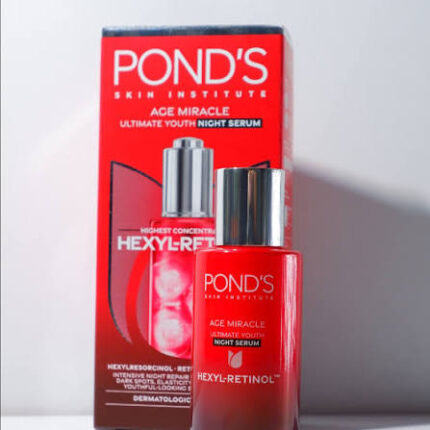 Sale
SaleOriginal price was: ৳ 2,000.00.৳ 1,950.00Current price is: ৳ 1,950.00.
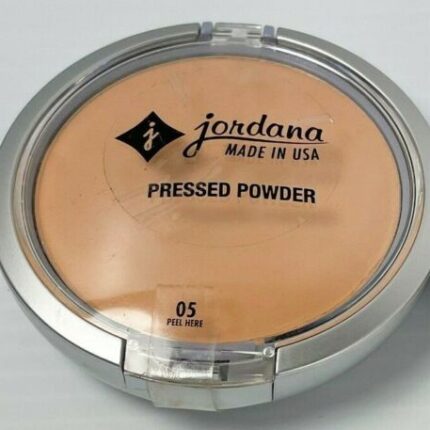 Sale
SaleOriginal price was: ৳ 720.00.৳ 650.00Current price is: ৳ 650.00.
How Camphor Works on Skin
Camphor affects the skin by activating cold-sensitive receptors called TRPM8. As a result, people feel a cooling sensation when camphor contacts skin, and that sensation can reduce awareness of pain and itch. Dermatologists recommend caution with dosing because high concentrations can irritate or damage delicate skin.
For example, when camphor stimulates TRPM8, local blood flow can change and nerves send fewer pain signals to the brain. This means inflammation symptoms may feel less intense after topical application. Studies show the compound also has mild antimicrobial properties, which may help minor skin irritations when combined with other care steps.
Benefits and Uses of Camphor
Camphor appears in many categories of products, from rubs for sore muscles to creams for insect bites. Consumers report quick relief from itching, surface pain, and nasal congestion after applying camphor-containing products. Research indicates topical camphor can ease mild muscle soreness and reduce discomfort from minor skin irritations.
As a cooling skincare ingredient, camphor gives instant relief that many people find soothing after sun exposure or insect bites. For example, combining camphor with a gentle moisturizer can calm hot, itchy patches. That said, always follow product instructions and test a small skin area before regular use.
Because people value its scent and effect, camphor also features in aromatherapy blends and vapor rubs. Still, products intended for inhalation or near the face must be used carefully, and caregivers should avoid applying camphor to infants or small children. Dermatologists recommend lower concentrations for sensitive skin to prevent irritation.
Safety, Side Effects, and Who Should Avoid Camphor
Camphor is safe in proper, regulated amounts, but it can be toxic when swallowed or used excessively on skin. Poison control centers report accidental ingestion and misuse as common causes of adverse events, which is why clear labeling matters. That is why you should store camphor products out of reach of children.
People with sensitive skin or eczema may experience redness, burning, or flaking if they apply camphor at high strength. If irritation occurs, stop use and wash the area with mild soap and water. Research indicates that allergic reactions to camphor are uncommon but possible, and patch testing can reveal sensitivity before full use.
Pregnant or breastfeeding people should consult a healthcare provider before using camphor products. Also, do not apply camphor near the eyes, mucous membranes, or open wounds. Because absorption varies by formulation, follow product labeling and avoid mixing high doses from multiple sources.
How to Use Camphor Products
Start with a low concentration and increase only if instructions allow. Many over-the-counter balms contain 1% to 11% camphor; products for children use much lower levels. Studies show lower doses often provide symptom relief while minimizing risk of irritation.
When testing a new product, apply a pea-sized amount to a small area on the forearm and wait 24 hours for a reaction. If redness, itching, or burning appears, do not continue use. For safe application, always wash your hands after handling camphor products to prevent accidental eye contact.
Recommended Concentrations
For adults, many topical formulations use 3% to 11% camphor and deliver noticeable cooling effects. For children above two years old, products usually recommend much lower concentrations, and caregivers should follow label directions precisely. Dermatologists recommend avoiding camphor creams on infants under two years due to increased risk of toxicity.
Application Tips
Clean and dry the skin before applying a thin layer of camphor product to the affected area. Rub gently until the product absorbs, and avoid covering the area with tight bandages unless the product directions allow it. That is why breathable coverings are usually preferred if needed.
Do not exceed the frequency on the product label, and do not apply on damaged skin unless the formulation explicitly permits it. If you use multiple products that contain camphor, sum the total daily exposure to avoid exceeding safe limits. As a result, combining several strong products can raise the risk of irritation.
Mixing Camphor with Other Ingredients
Camphor often pairs with menthol, eucalyptus, and mild oils to enhance the cooling effect and scent. For example, menthol can boost the perceived cooling while eucalyptus adds aromatherapy benefits. Research indicates combining agents can increase symptom relief, but also increases the chance of skin reaction.
When mixing at home, use plain, commercially prepared camphor products rather than raw crystals, which can be hazardous. Instead, choose a tested formulation and avoid creating homemade blends with high camphor concentration. That is why guided product selection matters for safety.
Choosing Camphor Products and Shopping Tips
Read labels carefully to check active ingredient percentage and age recommendations. Look for clear dosing instructions and dermatologist-tested notices when available. Studies show products with clear labeling reduce misuse and accidental exposure.
Consider product format: balms and ointments provide longer local contact, while sprays and lotions may be easier for large areas. If you have dry or sensitive skin, choose a cream with added moisturizer to reduce chances of flaking. That means you can get relief without stripping skin oil.
Buy from trusted brands that provide ingredient lists and usage warnings. For people seeking a gentle option, look for formulas that combine low camphor with calming agents such as aloe or colloidal oatmeal. Because product quality varies, testing a small amount first can prevent unpleasant surprises.
Camphor in Common Products
Camphor appears in many familiar items including vapor rubs, muscle balms, foot creams, and insect bite lotions. People often reach for these products for quick relief from congestion, aches, and itch. Research indicates consumer preference often favors fast-acting ingredients like camphor and menthol for perceived relief.
In vapor rubs, camphor supports nasal comfort by providing a cooling sensation when used on the chest or throat. While it does not clear nasal passages chemically, the cooling effect can help reduce perceived congestion. That said, inhaled camphor should not be used near infants, and caregivers should follow pediatric guidance closely.
For muscle and joint discomfort, camphor helps distract from pain through its sensory effect. Users often combine it with gentle massage to increase local circulation and promote comfort. Studies show topical pain-relief agents that produce cooling sensations can reduce short-term pain perception.
Comparing Camphor to Similar Ingredients
Camphor, menthol, and eucalyptus all offer cooling sensations but act slightly differently on sensory receptors. Menthol targets similar cold receptors and produces a minty sensation, while eucalyptus often adds a fresh, sharp aroma. That is why formulations often blend these ingredients to enhance effect and scent profile.
Unlike steroid creams that control inflammation chemically, camphor works mainly by sensory modulation and mild local effects. For chronic inflammatory skin conditions, medical treatments may be more appropriate. Dermatologists recommend camphor as a complementary measure for symptom comfort rather than primary treatment for severe conditions.
Natural vs. Synthetic Camphor
Natural camphor comes from the camphor tree, while synthetic camphor is manufactured to the same chemical structure. Both forms can produce similar topical effects when formulated correctly. Research indicates synthetic production often allows better control of purity and concentration for consumer safety.
For people seeking “natural” labels, remember natural does not always equal safer. Synthetic camphor in regulated products can offer predictable dosing and lower contamination risk. As a result, choose products with clear manufacturing and testing information.
Camphor and Skin Conditions
People with mild contact dermatitis may find short-term relief from camphor, but those with severe eczema should consult a dermatologist first. Camphor can irritate already compromised skin and make inflammation worse. Studies show professional guidance helps match treatment to condition severity and avoids harm.
If you use camphor for insect bites, apply at the first sign of irritation to limit scratching. Rapid cooling can reduce the urge to scratch, which in turn reduces infection risk from breaks in the skin. That means camphor can be a useful first-line comfort measure for minor bites.
Environmental and Storage Considerations
Store camphor products in a cool, dry place away from direct heat and sunlight. Keep lids tightly closed to preserve volatile components and scent. Poison control centers recommend locked storage where children and pets cannot access products that contain camphor.
Dispose of expired or unused camphor products responsibly following local waste guidelines. Do not flush products down drains or pour them on the ground. Instead, check household hazardous waste guidance when in doubt.
Myths and Misconceptions
One common myth claims camphor cures infections or systemic illnesses when applied topically. That claim is unsupported by evidence; camphor may provide symptomatic relief but it does not cure infections systemically. Research indicates camphor has mild antimicrobial properties in laboratory settings, but topical use should not replace medical care for infections.
Another misconception suggests camphor is safe for all ages. This is false; infants and young children are at higher risk for adverse effects, and caregivers should avoid camphor on infants. That is why pediatric guidance is essential before offering camphor-containing rubs to young children.
Regulatory and Labeling Notes
Regulatory agencies require over-the-counter products to include active ingredient percentages and safety warnings on labels. Read these sections to confirm appropriate concentration for your needs. Studies show that clear labeling correlates with safer consumer behavior and fewer accidental exposures.
If a product lacks clear dosing instructions or age recommendations, consider choosing another brand. Manufacturers that test formulations and provide transparent ingredient lists help buyers make informed choices. That means you can avoid risky or poorly labeled options.
Camphor and Fragrance Sensitivity
Because camphor has a strong smell, people with fragrance sensitivity may find it unpleasant or irritating. Patch testing helps determine tolerance before full use. If breathing difficulty or severe headache occurs after exposure, stop using the product and seek fresh air.
For sensitive users, choose products with lower camphor content or look for fragrance-free alternatives that still provide comfort. That approach reduces the chance of respiratory or skin irritation while preserving benefits.
Practical Tips for Everyday Use
Keep a small jar of camphor balm in your first-aid kit for quick relief from minor aches and bites. Apply sparingly and follow the product’s recommended frequency. For travel, select compact, labeled products and store them safely to prevent misuse.
When sharing products at home, avoid direct contact between the container and open wounds or mucous membranes. Use a clean spatula or tissue to withdraw product to maintain hygiene. As a result, you reduce cross-contamination and keep product integrity.
Camphor and Other Home Remedies
People often combine camphor with heat, cold packs, or gentle massage for increased comfort. For muscle aches, a short cycle of warm compress followed by camphor application can ease tension. Research indicates combining methods that target circulation and sensory nerves can increase perceived relief.
However, avoid using camphor with topical prescription medications unless a healthcare provider approves. Some active drugs can interact or increase irritation when layered. That means professional advice is wise when you already use medicated creams regularly.
Signs You Should See a Professional
Seek medical attention if camphor use causes severe redness, rash, swelling, or breathing difficulty. These symptoms may indicate an allergic reaction or excessive exposure. Doctors can recommend alternatives and, when needed, prescribe targeted treatment for underlying issues.
If symptoms persist despite camphor application, consult a healthcare provider to rule out infection or a more serious condition. That step ensures you get appropriate care rather than masking symptoms that need treatment.
Frequently Asked Questions
Is camphor safe for daily skin use?
Camphor can be safe daily when used in low concentrations and according to label directions. Dermatologists recommend patch testing and avoiding use on broken skin or near mucous membranes. Stop use if irritation develops and consult a healthcare provider for persistent issues.
Can camphor be used for children?
Caregivers should avoid camphor on infants and use products labeled for children for older kids. Many pediatric recommendations advise against camphor for infants under two years due to swallowing and inhalation risks. Always follow age-specific label instructions and consult a pediatrician with concerns.
Will camphor cure insect bites or rashes?
Camphor eases itch and discomfort from insect bites but does not cure underlying infections or allergic reactions. For signs of infection or spreading redness, see a healthcare professional. Use camphor for symptom relief while monitoring the area for worsening symptoms.
How long does the cooling effect last?
The cooling sensation from camphor usually lasts for several hours depending on formulation and amount applied. Ointments and balms generally provide longer-lasting contact than sprays or lotions. Reapply only as the product label recommends to avoid irritation.
Final Thoughts
Camphor is a time-tested topical agent that provides fast cooling relief and helps reduce itch and mild pain when used correctly. Use camphor products with care: follow label directions, test a small area first, and choose appropriate concentrations for age and skin type. For everyday relief, pick a reputable product and consult a healthcare provider if symptoms persist or worsen.