
Camellia Seed Oil: Benefits, Uses & Buying Tips

Dryness, irritation, and heavy oils can ruin a simple skin routine. Camellia Seed Oil offers a light, effective option that soothes and hydrates. Many shoppers notice smoother skin and shinier hair within weeks when they use this oil regularly.
What is Camellia Seed Oil?
Camellia Seed Oil comes from the seeds of camellia plants. The oil has a thin texture and a mild scent. People use it in skin and hair care worldwide.
Studies show camellia seed oils have been used for centuries in East Asia for grooming and skin care. Research indicates the oil contains fatty acids and natural antioxidants that support skin health.
Recommended Products
 Sale
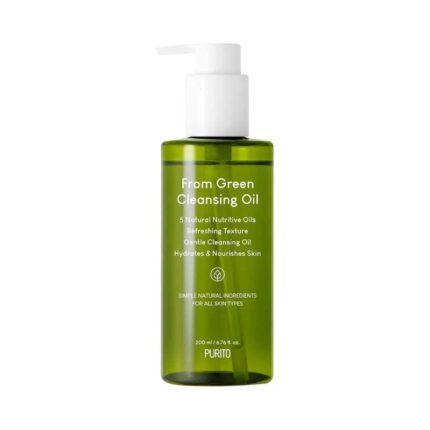
SaleOriginal price was: ৳ 3,140.00.৳ 2,198.00Current price is: ৳ 2,198.00.
 Sale
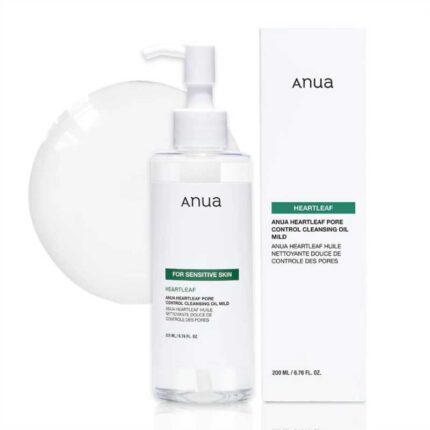
SaleOriginal price was: ৳ 3,020.00.৳ 2,114.00Current price is: ৳ 2,114.00.
 Sale
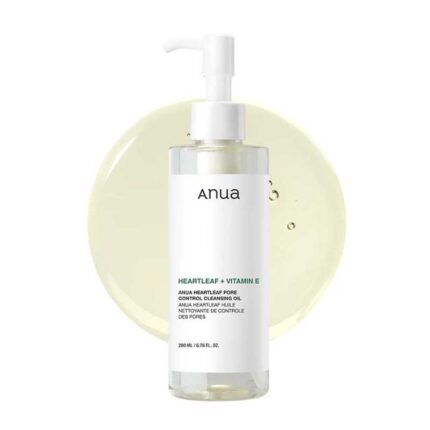
SaleOriginal price was: ৳ 2,820.00.৳ 1,974.00Current price is: ৳ 1,974.00.
 Sale
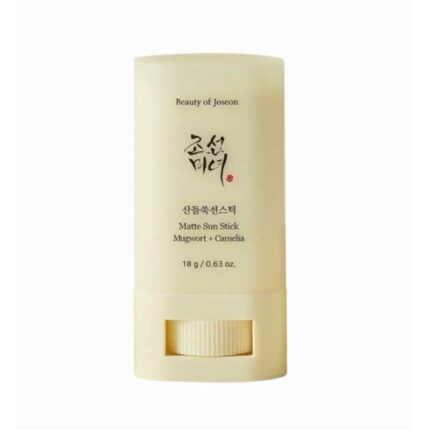
SaleOriginal price was: ৳ 2,180.00.৳ 1,526.00Current price is: ৳ 1,526.00.
Key nutrients and why they matter
The oil contains oleic acid, linoleic acid, and tocopherols. These nutrients help support the skin barrier and keep moisture in. That is why many products list the oil on ingredient panels.
Because this oil has a high oleic content, it can soothe dry or chapped skin without leaving heavy residue. Dermatologists recommend lightweight oils for layering under moisturizers when skin needs extra care.
Top skin benefits of Camellia Seed Oil
Hydration improves quickly for many users. The oil spreads easily and absorbs well into the skin. As a result, people often use it as a daily moisturizing step.
Deep hydration without greasiness
Camellia Seed Oil locks in moisture while feeling light. For example, it can replace heavy creams on warm days. That makes it ideal for mixed or normal skin types.
Antioxidant support
Research indicates camellia extracts include antioxidants that help protect skin. Because antioxidants reduce oxidative stress, skin looks fresher over time. This oil acts as a lightweight antioxidant ingredient in many formulas.
Barrier repair and gentle care
The oil helps restore the lipid layer that prevents moisture loss. It works well after treatments that irritate the skin. Still, people with very oily or acne-prone skin should test a small patch first.
Soothing inflammation
Some users find redness calms after consistent use. Studies show plant oils with similar profiles reduce irritation. That is why some people add camellia oil to evening routines.
How to use Camellia Seed Oil on your face
Start with a clean, damp face. Apply a few drops and press the oil into skin. Use it morning or night depending on your routine and climate.
When you have oily skin, use the oil sparingly or mix it with water-based serums. That means you can still enjoy benefits without overloading pores. Try patch testing on the jawline first.
Layering order tips
Apply lighter water-based products first. Then add serums, and finally a thin oil layer. For extra moisture, lock the oil under a cream or balm.
Mixing with other products
Mix a drop with your moisturizer for an added slip. Because the oil blends well, it enhances spreadability. Many people blend it with facial masks or body lotions too.
Using Camellia Seed Oil for hair and scalp
The oil supports shine and softness for dry hair. Massage a small amount into ends to reduce frizz. That practice helps tame flyaways without a heavy finish.
When you have a dry scalp, use the oil as a pre-shampoo treatment. Leave it on for 15 to 30 minutes before washing. This method can ease flaking and help retain natural oils.
Styling and finishing
A tiny drop smoothed over dry hair adds shine and reduces static. For fine hair, apply only to ends. That way you avoid limp roots and still get polished results.
Camellia japonica seed oil: source and differences
Camellia japonica seed oil comes from the camellia japonica species. This oil is prized for its texture and skin-friendly profile. Many traditional beauty rituals in Japan use this specific oil.
Research indicates camellia japonica seed oil often has higher oleic acid than some other camellia species. As a result, it tends to feel silkier and absorb more readily. That trait explains its popularity in lightweight formulas.
Who should use this oil and who should not
Most skin types can use camellia oil, including dry, normal, and sensitive skin. Because it absorbs quickly, it rarely feels greasy. However, acne-prone individuals should test the oil cautiously.
When breakouts appear after use, stop applying and reassess your routine. For example, switch to spot testing or dilute the oil with a non-comedogenic moisturizer. Consulting a dermatologist is wise when persistent irritation occurs.
Safety, allergy tips, and patch testing
Always perform a patch test before full-face use. Apply a drop behind the ear or on the inner forearm and wait 24 hours. If irritation develops, discontinue use immediately.
Because the oil is botanical, rare allergic reactions can occur. That is why testing matters even for products labeled as pure or cold-pressed. Keep a record of your reactions to help track what works.
How to choose a quality Camellia Seed Oil product
Look for cold-pressed or expeller-pressed labels. Cold-pressed oils avoid heat that can degrade nutrients. That means more of the oil’s natural benefits remain intact.
When possible, pick oils packaged in dark glass to reduce light exposure. This step preserves sensitive compounds like vitamins. Also, check for short ingredient lists to avoid unwanted additives.
Storage and shelf life
Store the oil in a cool, dark place away from heat and sunlight. Heat speeds up oxidation and reduces shelf life. Using within a year of opening often yields the best results.
Some people refrigerate the oil to extend freshness for longer. However, if the oil thickens or solidifies, let it return to room temperature before use. That practice keeps the texture consistent.
DIY recipes and simple blends
You can blend a few drops with your lotion for richer hydration. For example, adding 2 to 3 drops to daily moisturizer boosts spreadability. That method suits drier skin in colder months.
As a gentle night serum, mix the oil with a hyaluronic acid serum for added plumpness. Because hyaluronic acid attracts water and camellia oil seals it, the two work well together. Always use clean tools to avoid contamination.
Overnight hair mask
Apply a small amount to hair ends and sleep with a silk cap for extra softness. Wash hair in the morning with your usual shampoo. People report smoother texture after a few uses.
Scalp massage treatment
Warm a small amount between your palms and massage into the scalp for five minutes. Leave on for at least 15 minutes before shampooing. That routine can help reduce dryness and improve comfort.
Comparing Camellia Seed Oil with other oils
Compared with coconut oil, camellia oil feels lighter and absorbs faster. Coconut oil can leave a heavier film on skin for some users. That makes camellia oil a better choice for daily face use.
Compared with jojoba, camellia oil has a silkier feel and higher oleic acid. Jojoba mirrors skin sebum, which can help oily skin types. Choosing between them depends on skin needs and personal feel preference.
Because many oils offer antioxidant benefits, check labels for specific claims. For example, some products add vitamin E or botanical extracts for extra protection. Research indicates combining supportive ingredients can improve overall results.
Common product forms and what they mean
Camellia Seed Oil appears as a single-ingredient oil, blends, and formulated serums. Single-ingredient oils give you full control over concentration. Blends often pair the oil with complementary actives for targeted concerns.
When you pick a serum, look for a stable base and preservatives if water is present. This prevents microbial growth in products containing water. That is why pure oils rarely need added preservatives.
Environmental and ethical considerations
Some brands source camellia oil from sustainable farms. Check labels or brand statements for sourcing practices. That helps you support ethical and eco-conscious production.
When possible, choose products with minimal packaging and recyclable materials. That reduces waste and often signals a brand’s broader environmental focus. As consumers, we can prefer suppliers that value sustainable farming.
Signs a product is working
After a few weeks you may see smoother texture and better hydration. Because antioxidants protect against daily stressors, skin often looks more even over time. Many users report less flaking and a softer feel.
If your skin becomes oilier or breaks out, reassess usage. That could mean you applied too much, layered with heavy creams, or have an unrelated sensitivity. Adjusting the dose usually resolves the issue.
Shopping tips for online buyers
Read ingredient lists and product descriptions carefully. Look for third-party tests or brand transparency pages when available. Reviews from verified buyers can also reveal how the oil performs on different skin types.
When the product label lacks details, contact the brand for harvest, pressing, and shelf-life info. That step helps you choose a product that fits your needs. Customers who ask questions often find brands that provide clear answers.
Common myths and facts
Myth: All plant oils clog pores. Fact: Many oils, including camellia, absorb quickly and do not clog pores for most people. That is why comedogenic ratings can be misleading without real-world testing.
Myth: Natural means hypoallergenic. Fact: Natural ingredients can cause allergies. For example, someone may react to a botanical extract even if the base oil reacts well on others. Always test before widespread use.
Evidence and expert opinions
Dermatologists recommend gentle oils to support barrier repair for dry or sensitive skin. Studies show plant oils with oleic acid can soothe and soften skin when used correctly. Research indicates the combination of fatty acids and antioxidants helps maintain skin health.
Because long-term clinical trials on every botanical oil are limited, many experts advise pragmatic testing. That means trying a product in small amounts and tracking results over weeks. Patient, consistent use yields clearer feedback than quick judgments.
Price range and value
Pure camellia seed oils range from budget-friendly to premium based on source and processing. Cold-pressed specialty oils can cost more. That price often reflects higher-quality extraction and packaging standards.
When comparing prices, look at bottle size, purity, and whether the product is blended. A concentrated pure oil often gives more uses per bottle than blended serums. That can make pure oils a better value for regular users.
How to read product labels
Look for the botanical name on the label for clarity. Labels that include camellia japonica seed oil identify the plant source clearly. That helps you avoid generic terms that hide the exact species.
Also check for processing terms like cold-pressed. Avoid vague claims such as “natural blend” without further details. This approach helps you pick an oil that suits your expectations and routine.
Real user expectations and timelines
Most people notice texture and hydration improvements within days to weeks. Because skin cycles take time, changes in tone or elasticity may appear later. Track results over four to eight weeks for a fair assessment.
When you add the oil to hair care, shine often improves after the first use. However, structural hair repair may require repeated use with supportive products. That means patience yields better, longer-lasting outcomes.
Common pairings and complementary ingredients
Camellia oil pairs well with hyaluronic acid and gentle retinoids. Hyaluronic acid adds water while camellia oil helps seal it. That combination supports plumper, more hydrated skin when used correctly.
When pairing with actives like vitamin C, protect the skin with sunscreen during the day. That is because some actives can increase sun sensitivity. Combining the oil with broad-spectrum sunscreen maintains protection and supports skin health.
Signs of low-quality products
A rancid smell indicates oxidation and poor storage or old stock. Avoid products that smell sour or overly nutty. Fresh camellia oil has a mild, neutral scent without unpleasant notes.
When the oil feels overly greasy and never absorbs, it may contain heavy additives. Check the ingredient list for mineral oils or heavy silicones. Pure oils should feel light and sink into the skin.
How often to use Camellia Seed Oil
Use daily or a few times per week based on your skin needs. For dry skin, morning and night can work well. For oily or combination skin, try evening use or fewer applications to test tolerance.
Because skin adapts, adjust the frequency as seasons change. For example, apply more in winter and less in humid months. That approach keeps the skin balanced across climates.
Travel and portability tips
Carry a small dropper bottle when traveling for convenience. Keep it in a cool, dark pocket of your bag. That prevents heat and light from degrading the oil.
When flying, pack oils in a sealed bag and avoid storing them in direct sunlight while sightseeing. Simple care helps maintain oil quality and ensures a consistent routine on the road.
Common formulation types and textures
Pure oils feel slick but absorb when massaged in. Blends with silicones or esters may feel silkier initially. Serums often combine water and oils using emulsifiers for a lighter finish.
When you prefer a matte finish, look for formulas labeled as non-greasy or fast-absorbing. Those products often include light esters or specific carrier oils to reduce shine. Personal trials reveal which texture you prefer most.
What to expect when switching from other oils
Your skin may take a week or two to adjust when switching oils. During this time, oil balance and texture may change. If irritation appears, revert to the prior product and test the new oil more slowly.
When switching from a heavier oil, you may find camellia oil feels much lighter. That change often reduces pore congestion for many users. Keep an eye on skin response to find the right frequency and dose.
Frequently Asked Questions
Is Camellia Seed Oil good for acne-prone skin?
Many people with acne-prone skin tolerate camellia oil because it absorbs quickly. However, some individuals may still experience breakouts. Always patch test and use the oil sparingly if you have active acne.
Can I use Camellia Seed Oil with retinol?
Yes, the oil can pair well with retinol to reduce dryness. Apply retinol first, then add the oil to seal in moisture. Monitor skin sensitivity and adjust frequency as needed.
Does camellia japonica seed oil differ from other camellia oils?
Camellia japonica seed oil often has a silkier texture and higher oleic acid than some other species. That makes it popular in traditional beauty routines. Check labels to confirm the botanical source when specific traits matter.
How long does a bottle last?
Duration depends on frequency and drop amount per use. A 30 ml bottle used daily in small doses can last several months. Store the bottle properly to maximize shelf life and effectiveness.
Final Thoughts
The single most important takeaway is that Camellia Seed Oil offers lightweight hydration and antioxidant support for skin and hair. Try a patch test, then introduce a small daily dose to see real benefits. For most shoppers, a cold-pressed camellia japonica seed oil provides a gentle, versatile boost to their routine and is worth trying as a staple product.