
Calamine Guide: Soothing Relief for Itch

When your skin itches or a rash appears, finding a safe option feels urgent. Calamine often sits on the bathroom shelf for this exact reason. Many people reach for calamine because it soothes and cools irritated skin quickly.
What is Calamine?
Calamine is a pink topical powder or lotion made from zinc oxide and a small amount of ferric oxide. As a soothing zinc ingredient, it combines mild astringent action with light drying effects to calm oozing or irritated skin.
Research indicates calamine works by forming a thin protective layer on the skin. This barrier helps reduce irritation while zinc supports mild antiseptic action.
History and common uses
Calamine dates back centuries as a home remedy for skin problems. For example, it gained broader use during past outbreaks of common childhood rashes.
Today, calamine appears in lotions and creams made for insect bites, poison ivy, heat rash, and mild sunburn. Dermatologists recommend it for short-term relief of itchy, inflamed skin.
How calamine works on skin
When you apply calamine, the lotion cools as it evaporates and helps reduce the urge to scratch. That is why calamine often appears in first-aid kits for quick relief.
Because zinc oxide acts mildly antiseptic, calamine can also reduce the risk of minor infection in scratched areas. Studies show that this combination helps calm small, irritated patches without strong medication.
Recommended Products
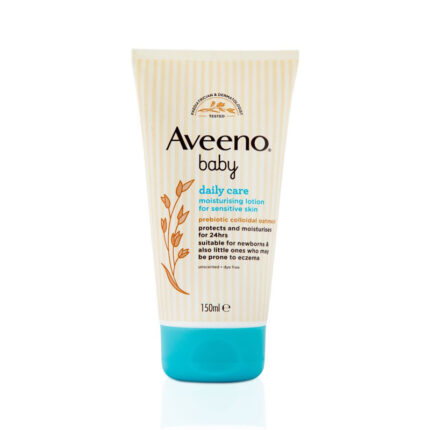 Sale
SaleOriginal price was: ৳ 1,400.00.৳ 890.00Current price is: ৳ 890.00.
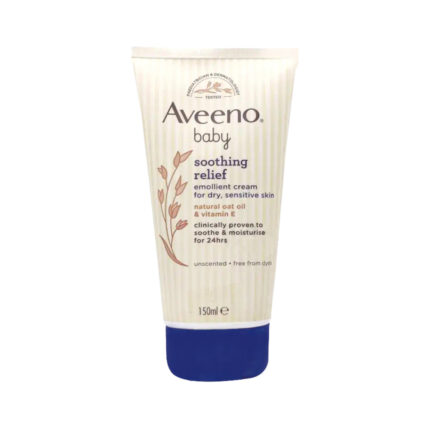 Sale
SaleOriginal price was: ৳ 2,300.00.৳ 1,490.00Current price is: ৳ 1,490.00.
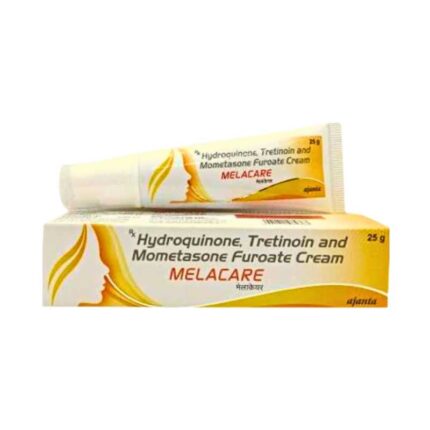
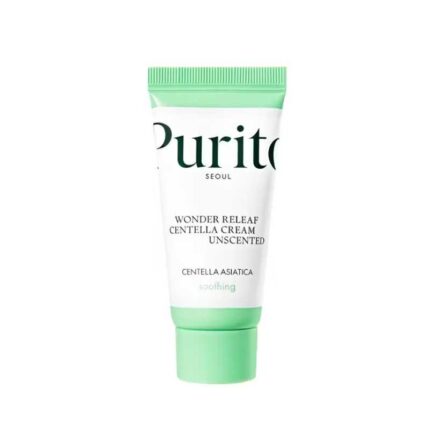 Sale
SaleOriginal price was: ৳ 500.00.৳ 350.00Current price is: ৳ 350.00.
Benefits of Calamine for itching and rashes
Calamine offers several benefits that make it a staple for minor skin issues. It relieves itching, soothes inflamed skin, and dries weeping lesions gently.
For many people, it acts as an anti itch skincare compound that limits the need for stronger medications. Still, it works best for mild conditions and short-term use.
Research indicates that calamine helps reduce skin irritation when used correctly. As a result, it can prevent further damage from scratching and speed visible improvement.
Common conditions treated with Calamine
Calamine treats insect bites, mild allergic rashes, poison ivy, heat rash, and light sunburn. It also helps soothe chickenpox spots until they crust over.
Because it dries and protects, calamine performs well on oozing or weeping skin. For non-infected wounds, it can ease symptoms while the skin heals naturally.
How to use Calamine safely
Start by cleaning the affected area gently and pat it dry before applying calamine. A thin layer of lotion or powder works well for most rashes and bites.
When using calamine, avoid broken skin that is deep or heavily infected. If pus, spreading redness, or fever appears, stop and seek medical care promptly.
When treating children, apply small amounts and watch for irritation. Pediatricians often recommend using fragrance-free calamine products for young skin.
Step-by-step application tips
First, wash hands and the rash area with mild soap and water. Next, pat the skin dry and apply a light layer of calamine lotion with a clean cotton pad.
Then allow the lotion to air dry. That keeps the protective layer in place and reduces moisture that could prolong weeping.
Comparing Calamine to other anti-itch options
Calamine differs from steroid creams and antihistamines in strength and action. Steroids reduce inflammation strongly but carry side effects with long-term use.
Antihistamines can reduce systemic itch when taken orally, but they may cause drowsiness. As a topical anti itch skincare compound, calamine offers a milder alternative that often suffices for surface irritation.
Studies show calamine compares favorably to non-prescription options for mild rashes. Yet more aggressive conditions often require prescription care.
Calamine in product formulations
Calamine appears as a lotion, paste, powder, or cream. Lotions are popular because they spread easily and dry to a thin, cooling film.
Some formulas combine calamine with zinc oxide to boost protective action. That extra zinc supports the soothing zinc ingredient profile of the product.
Choosing between lotion and paste
Lotion suits wider, superficial rashes and is easy to apply to children. Paste can offer thicker coverage for localized lesions that need barrier protection.
For oozing lesions, look for a light lotion that dries quickly. For dry, scaly spots, a cream with mild emollients may be more comfortable.
What to look for on labels
Look for calamine as the active ingredient and choose fragrance-free options when possible. Fragrances can irritate already-sensitive skin.
Since many products pair calamine with other ingredients, check for known irritants. If the product contains salicylic acid or benzocaine, consider alternatives for sensitive areas.
Dermatologists recommend patch testing a new product on a small skin area. That step reduces the chance of an unexpected reaction.
Safety, side effects, and who should avoid Calamine
Side effects from calamine are rare but can include mild dryness, burning, or allergic contact dermatitis. Stop use if you notice increasing redness or swelling.
Pregnant and breastfeeding people should consult their healthcare provider before regular use. For most occasional skin irritations, calamine remains safe and well tolerated.
If a rash worsens or spreads rapidly, seek medical advice. That rule applies when signs of infection accompany the rash, such as warmth, increasing pain, or pus.
Using Calamine on children
Calamine often provides safe, short-term relief for children with insect bites, sun rash, or chickenpox spots. Still, use a gentle, fragrance-free product and avoid the face near the eyes.
Pediatric dermatologists recommend using minimal amounts and monitoring for sensitivity. For infants under two months, check with a pediatrician before use.
When calamine is not enough
For severe allergic reactions, large hives, or intense swelling, calamine will not be adequate. Seek immediate care for breathing difficulty or throat tightness, as these may signal a serious allergic response.
When skin conditions persist despite topical care, a clinician can test for eczema, contact dermatitis, or infection. Prescription options then may offer stronger relief.
DIY and home remedies involving Calamine
Some people mix calamine with cool water to make a paste for thicker coverage. That home approach can work for small, itchy spots at low risk of infection.
However, do not add household items like vinegar or baking soda without medical advice. Those mixes can change pH and irritate sensitive skin.
Research indicates gentle cleansing and simple calamine application usually outperform more complex home remedies. That means simpler care often gives safer results.
Calamine and skin types
Most skin types tolerate calamine well, including oily and combination skin. Because it dries weeping lesions, oily skin types may appreciate its mattifying effect.
Dry skin may feel tight after calamine use. In such cases, apply a light, non-comedogenic moisturizer to nearby unaffected areas to reduce overall dryness.
Travel and seasonal tips
Pack a small bottle of calamine lotion for travel to areas with biting insects or unfamiliar plants. That way, you have a simple option for immediate relief.
During warm months, heat rash cases increase and calamine can calm inflamed sweat-related bumps. While traveling, keep calamine in the first-aid kit for quick use.
Product recommendations and selection criteria
Choose a product with clear labeling and few added fragrances or dyes. For sensitive skin, pick a formula marked fragrance-free and hypoallergenic.
Also consider packaging that prevents contamination, such as pump bottles. That type keeps the lotion clean and reduces bacterial transfer.
Dermatologists recommend reading active ingredient lists and picking the simplest effective formula. That approach limits exposure to unnecessary additives.
Environmental and storage considerations
Store calamine lotion in a cool, dry place away from direct sunlight. Heat can alter texture and reduce effectiveness over time.
Discard products past their expiration date to avoid decreased performance or contamination. That rule applies to any topical product used on broken skin.
Myths and facts about Calamine
Myth: calamine heals deep wounds. Fact: calamine helps mild, superficial irritation but does not replace wound care for deep cuts. For such wounds, seek medical care.
Myth: you must use calamine for all insect bites. Fact: many bites resolve without treatment, and calamine serves mainly to relieve itch and prevent scratching.
Studies show that simple, appropriate treatments often avoid the need for stronger medicines. That means calamine can prevent escalation for minor problems.
Real-world scenarios and case guidance
If a camper returns with itchy bites after a trip, apply calamine and monitor for spreading redness. Seek care if systemic symptoms develop.
When a gardener breaks out in itchy rashes after touching a plant, calamine can calm flare-ups while a clinician tests for plant sensitivity. That step confirms the cause and guides future avoidance.
Frequently Asked Questions
Is calamine safe for children?
Yes, calamine is generally safe for children for short-term use on insect bites or mild rashes. Use a fragrance-free formula and avoid the face near the eyes.
Can I use calamine every day?
Daily use is typically unnecessary and may dry the skin over time. Use calamine for short-term flare-ups and consider consulting a clinician for chronic conditions.
Does calamine help poison ivy?
Calamine helps relieve itching and dries weeping poison ivy lesions. For severe poison ivy, prescription treatments may be required for full control.
Can calamine be combined with other creams?
Often yes, but check product labels and avoid mixing with strong steroid creams without guidance. When in doubt, ask a dermatologist or pharmacist for advice.
Final Thoughts
Calamine remains a reliable, gentle option for mild itching and irritated skin. For simple rashes and bites, calamine calms symptoms and reduces the urge to scratch.
When symptoms are severe or do not improve, consult a healthcare professional for tailored treatment. Start with a fragrance-free calamine lotion and use it as directed for safe, effective relief.