
Borage Seed Oil: Skin Benefits & How to Use

Many people wake up to dry, red, or irritated skin and wonder what will help. Borage Seed Oil appears on labels as a potent option for soothing and restoring skin. Borage Seed Oil offers rich fatty acids that target moisture and barrier health.
What Borage Seed Oil Is
Borage Seed Oil comes from the seeds of the borage plant. It contains a high level of gamma-linolenic acid, often called GLA. Studies show oils high in GLA can support skin lipid balance.
Because the oil is plant-derived, many brands market it as a natural skincare ingredient. This means people seeking botanical alternatives often choose it. Research indicates that topical GLA can help calm inflammation and support barrier function.
Recommended Products
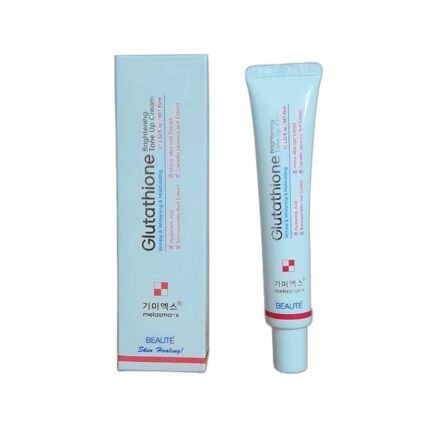 Sale
SaleOriginal price was: ৳ 1,250.00.৳ 950.00Current price is: ৳ 950.00.
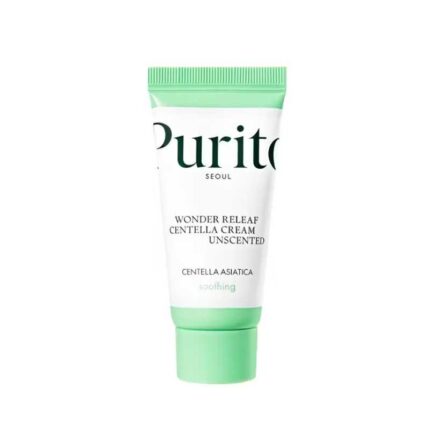 Sale
SaleOriginal price was: ৳ 500.00.৳ 350.00Current price is: ৳ 350.00.
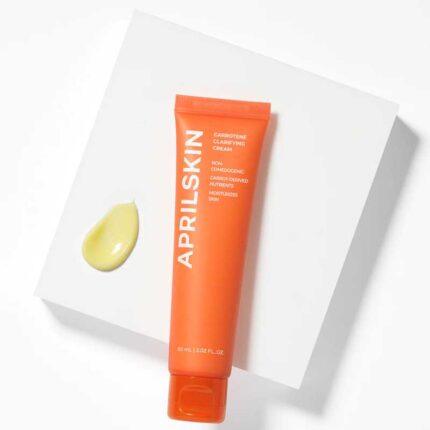 Sale
SaleOriginal price was: ৳ 1,960.00.৳ 1,370.00Current price is: ৳ 1,370.00.
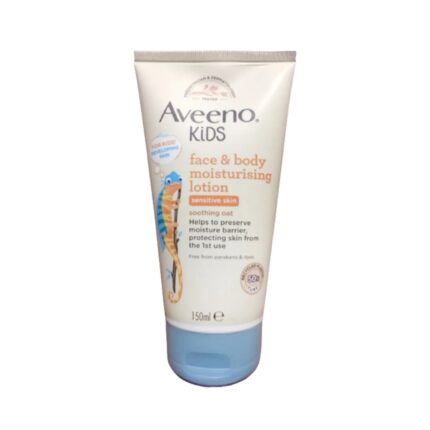 Sale
SaleOriginal price was: ৳ 1,750.00.৳ 1,349.00Current price is: ৳ 1,349.00.
How Borage Seed Oil Works on Skin
The skin barrier needs certain lipids to lock in moisture and keep irritants out. Borage Seed Oil supplies GLA, an omega-6 fatty acid that helps build those lipids. That is why it often acts as a barrier repair compound in formulations.
When applied, the oil helps replenish ceramides and other skin lipids over time. As a result, the skin retains water more efficiently and looks less flaky. Dermatologists recommend lipids and fatty acids as part of a barrier-focused routine.
For example, research indicates topical fatty acids can reduce signs of dryness and improve texture. Still, individual responses vary, and a patch test helps avoid surprise reactions.
Key Benefits for Skin
Borage Seed Oil can reduce visible dryness and calm redness when used regularly. Studies show anti-inflammatory properties in GLA-rich oils, which help soothe reactive skin. People with eczema or chronically dry skin often report improved comfort.
Because the oil supports barrier repair, skin feels softer and less tight after consistent use. That means reduced need for heavy creams in some cases. Research indicates combining borage oil with basic moisturizers can boost outcomes.
Another benefit includes improved skin texture and tone over weeks. While results take time, many users see steady improvement with two to four weeks of use. That is why patience matters when trying new skincare oils.
Who Can Benefit Most
Dry and sensitive skin types often gain the most from Borage Seed Oil. People with eczema, atopic tendencies, or chronic dryness may notice clear gains. Studies show that oils rich in GLA are commonly used in trials for these conditions.
Yet oily skin types can also benefit when the oil is used sparingly and in lightweight formulations. Because the oil can help regulate barrier function, it may reduce compensatory oil production. For acne-prone skin, low-comedogenic product forms lower the risk of breakouts.
Using Borage Seed Oil Safely
Begin with a patch test on the inner forearm. If irritation or redness appears within 24 hours, stop using the oil. This simple step helps catch sensitivities early and avoids facial flares.
When you introduce Borage Seed Oil, start with small amounts. Apply one to three drops to clean, damp skin at night. That approach helps the skin absorb the oil and reduces greasiness.
Because the oil can interact with certain topical medications, check with a healthcare professional if you use prescription treatments. For example, combine cautiously with active exfoliants to limit irritation.
How to Choose a Quality Product
Look for cold-pressed or expeller-pressed labels on Borage Seed Oil. Cold-pressing preserves delicate fatty acids and reduces the need for heat during extraction. Studies show cold-pressed oils retain more nutrients than heat-processed ones.
Check for a harvest or best-by date. Fresh oil keeps benefits and avoids rancidity. That means you should store the bottle away from heat and light to extend shelf life.
Also, prefer oils in dark glass bottles to limit light exposure. If a product smells strongly bitter or stale, that could indicate oxidation. Fresh borage oil should smell mild and slightly nutty.
Formulations and Concentrations
Borage Seed Oil appears as a single-ingredient oil and as part of blends. In blends, it mixes with other carrier oils like jojoba or squalane. That lets formulators tune texture and absorption speed.
When the label emphasizes a GLA rich skincare oil ingredient, the brand points to the oil’s fatty acid content. Higher GLA levels suggest stronger lipid-repair support. Still, watch total oil concentration in the full formulation to match your skin needs.
DIY and Mixing Tips
If you make your own blends, use a clean bottle and base oils with stable profiles. Since borage oil contains delicate fatty acids, combine it with more stable oils like jojoba for balance. This reduces the risk of early oxidation.
For a simple routine, mix a drop or two with your usual moisturizer. That adds GLA without changing your regimen drastically. When layering, apply oils after water-based serums so the oil seals in moisture.
Comparing Borage Seed Oil to Other Oils
Evening primrose oil also contains GLA but often at lower levels than borage oil. Rosehip oil emphasizes vitamin A and linoleic acid. That means each oil serves unique roles in a routine.
Jojoba mimics skin sebum and helps balance oil production. By contrast, Borage Seed Oil focuses on lipid repair via GLA. When choosing between oils, match benefits to your primary skin concern.
Evidence and Expert Opinions
Studies show topical GLA can improve symptoms of dry, inflamed skin. Dermatologists often recommend fatty-acid-rich oils as adjuncts, not replacements for medical care. Clinical evidence supports benefits, yet responses vary across individuals.
Because research can use different formulations and outcome measures, compare study contexts before drawing conclusions. That means reading product labels and understanding concentration and adjunct ingredients matters.
Practical Tips for Buying
Choose reputable brands with clear sourcing information. Many consumers prefer companies that name seed origin and extraction methods. This helps you assess product quality and sustainability practices.
Also, look for minimal ingredient lists in serums that highlight Borage Seed Oil. Short, transparent lists reduce the chance of unwanted additives. If fragrance appears high on the list, the product may irritate sensitive skin.
Storage and Shelf Life
Store Borage Seed Oil in a cool, dark place. That preserves the fatty acids and slows oxidation. Refrigeration can extend shelf life for opened bottles.
If your oil turns cloudy or smells off, discard it. Using rancid oil can irritate the skin and reduce benefits. That is why paying attention to scent and color matters when you store oils.
Common Myths and Misconceptions
Myth: All natural oils are safe for every skin type. Reality: Natural does not always equal safe for every user. Some people react to plant compounds, so testing is essential.
Myth: More oil equals faster results. Reality: Overuse can clog pores or irritate skin. Instead, use measured amounts and monitor results over weeks.
How to Layer with Other Products
Apply Borage Seed Oil after water-based serums and before heavier creams. This sequencing helps the oil lock in hydrating actives. For daytime, pair with sunscreen as the final step.
When using active ingredients like retinoids, take extra care. Because retinoids can thin the skin barrier, add oils only if your skin tolerates them. That is why alternating nights may reduce irritation.
Use During Pregnancy and Breastfeeding
Topical Borage Seed Oil is generally considered safe in pregnancy when used in skincare amounts. However, some supplements and high oral doses require caution. Talk with your healthcare provider for personalized guidance.
Because data vary, many providers prefer topical use over oral supplements during pregnancy. For breastfeeding, mild topical application is usually fine, but confirm with a clinician if concerns arise.
Environmental and Ethical Considerations
Look for brands that source seeds responsibly and support sustainable farming. Ethical sourcing reduces environmental impact and helps small growers. Labels that mention fair trade practices add transparency.
Also, check for third-party testing or certification to confirm purity and absence of contaminants. Testing reports provide more confidence in product integrity. That is why many informed shoppers review certificates before buying.
Price and Value Guide
Pure Borage Seed Oil tends to command a moderate price because of extraction needs and GLA concentration. Blended products may cost less per bottle but have lower borage content. Compare price per milliliter and ingredient percentages to assess value.
Because a little oil goes a long way, a small bottle can last months for most users. Still, cheaper options that lack cold-pressing or clear sourcing may offer lower potency. For that reason, evaluate both price and transparency when choosing.
Signs the Oil Is Working
After two to four weeks, expect softer, less flaky skin and reduced tightness. If inflammation contributes to redness, you may see calmer skin within similar timeframes. Results depend on consistency and product quality.
When signs do not improve after six to eight weeks, reevaluate your routine and ingredients. That is why tracking changes and adjusting products helps optimize outcomes.
When to See a Dermatologist
If eczema, rosacea, or severe acne persists, consult a dermatologist. Borage Seed Oil can support skin care, but it is not a substitute for medical therapy. Dermatologists can recommend prescription treatments or tests when needed.
Also see a professional if you experience swelling, intense redness, or spreading rash after use. Those signs may indicate allergic or other reactions that require medical attention.
GLA rich skincare oil ingredient: What That Means
When a product boasts that phrase, it signals a higher gamma-linolenic acid content. GLA supports lipid synthesis in the skin and reduces inflammatory signals. That makes such oils valuable for barrier-focused care.
For example, products containing Borage Seed Oil often emphasize GLA percentages. This helps shoppers compare formulation strength. Still, total formulation context matters for absorption and tolerability.
Comparing Topical vs Oral Use
Topical use targets the skin directly and avoids systemic exposure. Many users prefer topical Borage Seed Oil for localized skin concerns. Research indicates topical application can be effective for barrier repair without the risks of oral dosing.
Oral supplements containing borage oil exist, but they require medical oversight for long-term use. For this reason, people often choose topical options when their goal is skin improvement alone.
Product Examples to Consider
Look for serums where Borage Seed Oil appears near the top of the ingredient list. That positioning shows meaningful concentration. Also consider products that pair the oil with humectants like glycerin or hyaluronic acid for extra hydration.
Some formulations mix borage oil with ceramide-containing creams for targeted barrier repair. These combinations aim to rebuild lipid layers while supplying fatty acids. For many people, paired formulas deliver faster-improving comfort.
FAQs
Is Borage Seed Oil good for dry skin?
Yes. Borage Seed Oil supplies GLA and fatty acids that help restore lipids and reduce dryness. Regular use often improves skin softness and reduces tightness.
Can I use Borage Seed Oil on acne-prone skin?
It can work if you choose low-comedogenic formulations and use small amounts. Start with a patch test and monitor for clogged pores or breakouts.
How often should I apply Borage Seed Oil?
Apply one to two drops once or twice daily on clean skin, depending on your routine and skin response. Adjust frequency if you notice greasiness or irritation.
Does Borage Seed Oil replace prescription treatments?
No. Borage Seed Oil can support skin health but should not replace prescribed therapies for severe conditions. Consult a dermatologist for persistent or serious concerns.
Final Thoughts
Borage Seed Oil stands out as a GLA-rich option that supports barrier repair and skin hydration. Research and clinical guidance suggest it helps reduce dryness and calm inflammation when used consistently. For practical use, choose a cold-pressed product, patch test first, and start with small doses to see how your skin reacts.
For many shoppers, adding Borage Seed Oil to a simple routine offers measurable comfort and improved texture. Try it in a serum or mixed with your moisturizer and evaluate results over several weeks.
Remember that quality matters, and pairing Borage Seed Oil with basic hydration and sun protection delivers the best outcomes. If concerns persist, seek professional advice to tailor a safe, effective plan.