
Black Tea Ferment: Skin Benefits Explained

Many shoppers see fermented extracts on labels and ask what works for their skin. Black Tea Ferment can sound exotic yet it often helps common issues like dullness and uneven tone. This guide explains what Black Tea Ferment does and how to use it safely.
What is Black Tea Ferment?
Black Tea Ferment refers to tea that has been fermented with live cultures or enzymes to change its chemistry. Studies show fermentation increases certain beneficial compounds and can make active molecules easier for skin to absorb. This process yields acids, amino acids, and antioxidants that differ from plain brewed tea.
Because fermentation breaks down complex molecules, products can use smaller fragments that act on the skin. Research indicates fermented tea may contain organic acids and mild bioactive compounds that support barrier function. That makes Black Tea Ferment a sought ingredient for hydration and gentle exfoliation.
Recommended Products
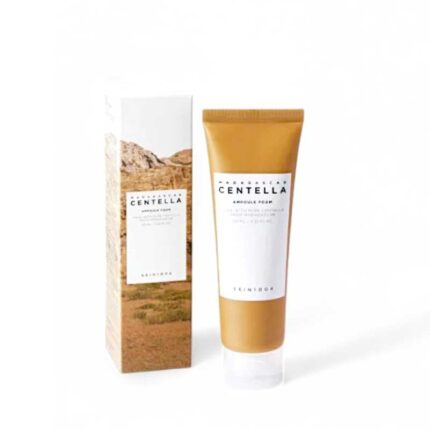 Sale
SaleOriginal price was: ৳ 460.00.৳ 320.00Current price is: ৳ 320.00.
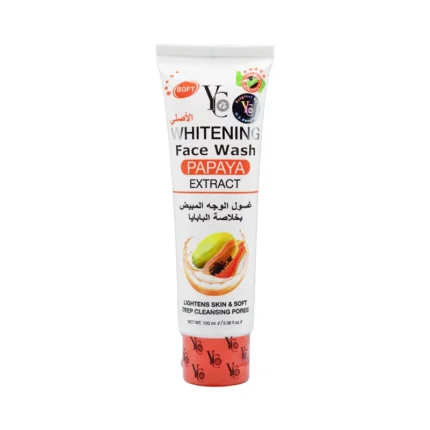
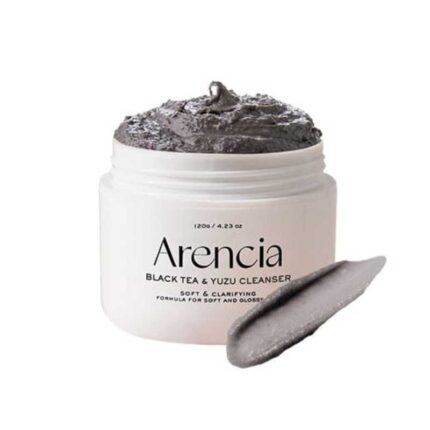 Sale
SaleOriginal price was: ৳ 2,460.00.৳ 1,720.00Current price is: ৳ 1,720.00.
 Sale
SaleOriginal price was: ৳ 1,640.00.৳ 1,090.00Current price is: ৳ 1,090.00.
How Black Tea Ferment Is Made
Black Tea Ferment usually starts with steeped black tea that is mixed with a starter culture. When microbes ferment the tea, they produce acids, enzymes, and secondary metabolites that change the liquid’s properties. Producers control time, temperature, and culture type to guide the process.
Starter Cultures and Microbes
Typically a mix of bacteria and yeast is used, similar to cultures in kombucha production. For this reason, some products are labeled with kombucha-related terms and can act as a kombucha skincare ingredient in formulas. The microbes help produce organic acids and amino acids useful for skin.
Fermentation Time and Temperature
Shorter fermentation yields milder compounds while longer times produce stronger acids and more breakdown products. Manufacturers test stability and pH to balance efficacy and safety. That is why formulas list fermentation length as part of their development notes.
Purification and Formulation
After fermentation, makers remove microbes and concentrate beneficial components for use in skincare. The final extract contains a blend of molecules and often shows antioxidant activity. Dermatologists recommend that finished products meet safety and purity standards.
Key Skin Benefits Explained
Black Tea Ferment offers multiple benefits that shoppers often seek. For example, antioxidant ferment compound activity can help neutralize free radicals on the skin surface. That means the extract can support protection against environmental stressors and visible signs of aging.
Because the ferment contains organic acids and small peptides, it can gently promote cell turnover and smoother texture. Research indicates such compounds can improve hydration and make skin appear brighter over time. Users also report that some ferments calm redness and strengthen the skin barrier.
For many skin types, Black Tea Ferment serves as a multifunctional ingredient that combines mild exfoliation with antioxidant support. Clinical trials on related ferments show improvements in luminosity and barrier metrics. Still, individual results vary based on formulation and skin condition.
How It Works: Science in Simple Terms
At the molecular level, fermentation breaks large plant molecules into smaller, more active fragments. As a result, the skin can absorb them more easily. These fragments include polyphenol derivatives and short-chain organic acids that interact with skin cells.
Studies show that fermented tea extracts can carry antioxidant activity and anti-inflammatory effects. Because antioxidants neutralize reactive molecules, they help reduce oxidative stress that accelerates aging. That is why formulators add Black Tea Ferment to serums and essences aimed at brightening and defense.
Common Uses in Skincare
Brands use Black Tea Ferment in toners, serums, moisturizers, and masks. Many products position it as a soothing, brightening, or hydrating booster. Consumers often spot the ingredient in lightweight layers meant for daily use.
When applied regularly, a product with Black Tea Ferment can support improved tone and texture. Dermatologists often pair such products with sunscreen for daytime protection. For nighttime, pairing with a gentle retinoid can enhance renewal while keeping irritation low.
Concentration and Formulation Tips
Product labels rarely show exact percentages, so shoppers should look for ingredient placement and product claims. For example, if Black Tea Ferment appears near the top of the list, the concentration is likely higher. That often indicates a stronger effect but may increase sensitivity risk for some users.
Because formulators blend ferments with humectants and emollients, the experience varies by product. That means a serum can feel watery while a cream absorbs slower. Check for pH balance and complementary actives like niacinamide or hyaluronic acid to guide your choice.
How to Use Black Tea Ferment Safely
Start with a patch test to check for sensitivity, especially if you have reactive skin. Apply a small amount to an inner forearm and wait 24 to 48 hours for any reaction. If irritation occurs, stop using the product and consult a dermatologist.
When adding Black Tea Ferment to your routine, introduce it slowly to monitor tolerance. For instance, use it every other day at first and then increase to daily use if your skin responds well. That approach limits irritation and helps you see real benefits.
Because Black Tea Ferment has mild acid content, avoid combining it with high-strength acids or exfoliants on the same day. Instead, layer it with hydrating ingredients to support barrier recovery. That strategy reduces chances of over-exfoliation.
Black Tea Ferment and Sensitive Skin
Sensitive skin can sometimes react to fermented extracts, so watch for redness or stinging. Dermatologists recommend low-concentration formulas and spread-out application for sensitive types. That helps the skin adapt and lowers irritation risk.
For those with rosacea, a calming base and minimal actives are better than heavy treatment blends. If swelling or consistent burning occurs, discontinue use. A skin specialist can advise on safe alternatives and patch test methods.
Antioxidant Ferment Compound: What That Means
The term antioxidant ferment compound describes molecules formed during fermentation that combat oxidative stress. These molecules often arise when polyphenols break down into smaller, more active forms. Because skin damage from free radicals drives signs of aging, such compounds play a protective role.
Research indicates fermented extracts can show higher antioxidant capacity than raw tea in some tests. However, antioxidant performance depends on the exact culture, time, and processing. That variability is why two products with the same ingredient can produce different results.
Black Tea Ferment vs. Plain Tea Extract
Plain black tea extract contains polyphenols and caffeine that benefit skin. Yet fermentation alters these molecules and creates new bioactive fragments. As a result, Black Tea Ferment can offer better absorption and different activity than an unfermented extract.
For example, fermented extracts may show improved barrier support and more gentle exfoliation. Consumers often prefer fermented versions in leave-on products because they combine mild renewal with antioxidant protection. Still, both forms have their place depending on the product goal.
Kombucha Skincare Ingredient: Connection and Differences
Kombucha refers to a fermented tea beverage, and related extracts sometimes enter skincare formulas. When a product lists kombucha or kombucha water, it may act as a kombucha skincare ingredient similar to Black Tea Ferment. Both come from fermented tea but they can vary by culture and processing.
Because kombucha uses a specific symbiotic culture, its chemical profile can differ from other ferments. Some brands use the term to highlight natural fermentation, while others focus on specific metabolite profiles. Consumers should read product descriptions and check for testing or clinical data.
Choosing Products with Black Tea Ferment
When shopping, look for brand transparency about fermentation methods and testing. Products that show lab stability testing or third-party safety checks offer more trust. That is especially relevant for sensitive skin and active formulations.
Also consider the product type and your goals. If you want hydration and glow, a serum or toner with Black Tea Ferment can help. For deeper renewal, a mask used weekly may deliver more concentrated exposure with appropriate buffering ingredients.
Reading Labels: What to Watch For
Ingredient lists can help you estimate concentration and compatibility. If Black Tea Ferment appears early, expect higher levels and stronger action. That can produce faster results but also raises the chance of sensitivity for reactive skin types.
Look for supportive ingredients such as hyaluronic acid, ceramides, or mild humectants that boost hydration. Also avoid heavy fragrances and high concentrations of strong acids when combining products. Those precautions help maintain a healthy skin barrier.
DIY: Can You Make Black Tea Ferment at Home?
Home fermentation of tea is common for beverages but is more complex for skincare. Without lab controls, bacterial contamination and unpredictable byproducts can occur. For that reason, most experts advise against using homemade ferments directly on the face.
Instead, if you enjoy DIY, use fermented tea as a gentle rinse for hair or body after proper dilution and testing. When you want reliable skin results, choose commercially produced Black Tea Ferment that meets safety standards. That reduces infection and irritation risks.
DIY Safety Tips If You Try
If you still experiment at home, maintain strict hygiene and use tested starter cultures from reputable sources. Boil water and sterilize containers to limit harmful microbes. Label and store batches properly and discard any with off odors or visible mold.
However, remember home tests are not substitutes for lab testing. A product made without professional quality control can contain harmful microbes or toxins. That risk outweighs the novelty when it comes to facial skin care.
Layering and Routine Examples
To build a routine, use a gentle cleanser, then a toner or serum with Black Tea Ferment, followed by moisturizer. For daytime, finish with sunscreen to protect against UV-driven oxidation. That sequence helps the ferment act effectively while guarding the skin.
If you use actives like retinoids, apply the ferment on alternate nights or layer it under the retinoid depending on tolerance. This approach reduces irritation while allowing both ingredients to deliver benefits. Trial and adjustment help you find the best schedule.
Combining with Other Actives
Black Tea Ferment often pairs well with hydrating agents, niacinamide, and gentle antioxidants. These combinations support barrier health and tone. Use caution when combining with high-strength AHAs or BHAs on the same day to avoid sensitivity.
Because antioxidant ferment compound activity complements sunscreens, pairing with SPF provides multi-layered defense. That strategy reduces oxidative stress and improves long-term skin outcomes. Dermatologists recommend consistent sunscreen as a base for all active routines.
Who Benefits Most from Black Tea Ferment?
People with dull or uneven skin tone often see noticeable improvement from regular use. The ingredient suits those seeking gentle renewal without harsh exfoliation. It can also help people with normal to dry skin who want hydration plus antioxidant support.
For oily or acne-prone skin, choose formulations that balance sebum control and hydration. Lightweight gels and essences with Black Tea Ferment may work well. If you have chronic inflammatory conditions, consult a specialist before adding new ferments.
Real-World Results and Timelines
Users typically notice subtle improvements in luminosity and texture within a few weeks. Longer-term benefits like reduced oxidation and improved barrier strength may appear with months of consistent use. That timeline depends on concentration and other actives used concurrently.
Studies show that consistent, moderate use of antioxidant-rich ingredients supports cumulative benefits. Because skin renewal takes time, patience and routine adherence matter most. Track progress with photos and notes to measure changes objectively.
Potential Side Effects and How to Handle Them
Mild stinging or redness may occur when introducing a new ferment. If symptoms persist, stop use and consult a dermatologist. That step helps rule out allergies and ensures proper treatment if needed.
Allergic reactions are uncommon but possible, particularly with fragranced products. For safety, choose fragrance-free formulas and patch test each new product. Early detection reduces the chance of widespread reaction.
Storage and Shelf Life
Fermented extracts can be sensitive to heat and light, so check storage recommendations. Many brands recommend keeping sealed bottles in a cool, dark place. Refrigeration can extend perceived freshness for certain products.
Always discard a product that smells off or changes color, as those signs indicate breakdown. Manufacturers often include shelf life estimates on packaging. Follow those dates to ensure safe use.
Testing and Quality Signals
Look for brands that list stability testing, microbial limits, or third-party lab results. Those signals show better quality control. They also give you more confidence that the Black Tea Ferment is safe and consistent.
Certification seals and dermatologist endorsements can provide added assurance, though they are not substitutes for reading ingredient panels. When in doubt, contact the brand for more information about their fermentation process.
How Black Tea Ferment Fits into Clean Beauty
Many clean-beauty brands promote fermented extracts as natural and mild. While fermentation can reduce some irritants, safety still depends on processing and testing. That means clean labeling does not equal guaranteed safety or efficacy.
Because consumers often value transparent sourcing, brands that share fermentation details and lab data tend to earn trust. Consider those disclosures when choosing a product. They often reflect better manufacturing practices.
Price and Value Considerations
Products with robust testing and stable formulations can cost more than simple extracts. Higher prices may reflect quality control and reliable results. That does not guarantee a fit, so weigh cost against reviews and ingredient transparency.
A mid-range serum that lists Black Tea Ferment near the top and shows testing information can deliver good value. For budget shoppers, try smaller sizes first to test tolerance and effectiveness. That reduces waste and expense if a product does not suit you.
Environmental and Ethical Notes
Fermentation can lower the need for synthetic additives when done responsibly. Some brands use sustainable sourcing and limit waste in processing. If ethical sourcing matters, seek companies that disclose their ingredient origins and manufacturing footprint.
Certifications for organic farming or fair trade can add confidence, though they apply to raw materials rather than the fermentation step. Ask brands about their supply chain if environmental impact is a decision factor.
Clinical Use and Professional Products
Some estheticians and dermatologists use professional-grade ferments in-office for targeted treatments. These products often have higher concentrations and require trained application. That can deliver faster results under professional supervision.
If you prefer clinical treatments, discuss options with a licensed practitioner. They can recommend in-office products or protocols that combine Black Tea Ferment with other modalities for enhanced outcomes. Professional oversight minimizes risk and optimizes results.
Common Myths and Misunderstandings
One myth claims fermented tea always irritates sensitive skin. In reality, many sensitive skin users tolerate low-concentration ferments well. The difference lies in formulation and individual skin chemistry.
Another misconception is that all kombucha-labeled ingredients are identical. Product chemistry varies by culture and processing, so two kombucha extracts can act differently. Read labels and test products rather than relying on a single claim.
Shopping Checklist for Black Tea Ferment Products
Choose a product that lists Black Tea Ferment clearly on its ingredient label. Prefer formulations with supporting humectants and minimal fragrance. Also look for brand transparency about their fermentation method and testing.
Check for consumer reviews focusing on tolerance and visible results. If possible, try sample sizes or travel kits before committing to full-size products. That helps confirm the product fits your skin and routine.
Combining with Professional Treatments
If you receive chemical peels or laser treatments, discuss timing before using ferments. Professionals often recommend pausing active ferments for a short period post-procedure to avoid irritation. That precaution supports safe healing.
After recovery, you can gradually reintroduce Black Tea Ferment under professional guidance. The specialist will advise on frequency and pairing with other topicals. This approach helps maintain benefits while protecting delicate post-treatment skin.
Regulatory and Safety Oversight
Cosmetic regulation varies by region, but finished skincare products must meet safety standards in most markets. Brands usually conduct microbial and stability testing as part of compliance. That testing helps prevent contaminated or unstable ferments from reaching consumers.
Because no single global standard covers fermentation specifics, demand for transparency and lab data is growing. Manufacturers that publish test results demonstrate stronger quality control. Regulatory oversight reduces the risk of unsafe products.
Black Tea Ferment for Different Age Groups
Young adults often use fermented extracts to manage oil and boost brightness. Middle-aged skin benefits from antioxidant ferment compound activity that supports texture and tone. Older skin can gain hydration and improved barrier resilience from consistent use.
Adjust concentration and complementary actives by age and sensitivity. Gentler blends suit younger or reactive skin, while higher concentrations may be reserved for experienced users. Consultation with a skincare professional can customize choices safely.
How to Introduce It into a Minimal Routine
Start with a simple cleanser, then use a lightweight serum containing Black Tea Ferment, and finish with moisturizer and sunscreen. That minimal approach highlights the ferment without overwhelming the skin with multiple actives. Keep routines simple to assess effectiveness clearly.
For night use, swap sunscreen for a richer moisturizer or a barrier-supportive cream. Slow increases in frequency allow the skin to adapt. That method reduces adverse reactions and reveals true benefits over time.
Comparing Brands and Marketing Claims
Marketing can exaggerate benefits, so focus on ingredient lists and testing data. Claims like “pure” or “natural” may not indicate superior performance. Instead, seek products with transparent fermentation details and independent testing.
Customer reviews and professional endorsements can help, but personal patch testing remains essential. Combine reviews with product facts to make a well-informed choice. That balanced approach reduces disappointment and wasted expense.
Potential Future Research Directions
Ongoing studies aim to map specific metabolites formed during tea fermentation and their skin effects. Research indicates fermentation can create unique small molecules with targeted activity. Future findings may guide precise formulation choices for specific skin concerns.
As science advances, expect clearer comparisons between fermentation methods and active profiles. That progress may lead to more standardized products and predictable outcomes. Until then, consumer caution and brand transparency matter most.
Frequently Asked Questions
Is Black Tea Ferment the same as kombucha?
They are related but not always identical. Kombucha is a specific fermented tea beverage, while Black Tea Ferment describes any fermented black tea extract used in formulas. Processing and cultures differ, so the final extracts can vary in chemistry and effects.
Can I make Black Tea Ferment at home for my skin?
Making fermented tea at home carries contamination risks and unpredictable byproducts. Professionals advise against using homemade ferments on facial skin. Choose commercially produced extracts that meet safety testing instead.
How long until I see results from products with Black Tea Ferment?
Many users notice subtle brightness and texture improvement within a few weeks of regular use. More substantial changes in barrier strength and fine lines may take several months. Results depend on concentration, formulation, and consistent application.
Is Black Tea Ferment safe for sensitive skin?
Sensitivity varies by person and formulation, so patch testing is key. Low-concentration, fragrance-free products often suit sensitive types better. If irritation occurs, stop use and consult a dermatologist for tailored advice.
Final Thoughts
Black Tea Ferment can offer gentle antioxidant support, hydration, and mild renewal for many skin types. Look for transparent brands, start with a patch test, and introduce the ingredient slowly to see benefits safely. Try a well-formulated product that lists Black Tea Ferment near the top and pairs it with basic sunscreens and hydrators for the best results.