
Benzoic Acid: The Preservative Protecting Your Everyday Products

Do you often wonder what keeps your favorite foods fresh for longer? Are you curious about how cosmetic items remain safe to use over time? The answer often lies with an unsung hero known as benzoic acid. This powerful compound plays a vital role across many industries. It acts as a key preservative acid ingredient in countless everyday items. Understanding this ingredient helps you make informed choices about your purchases.
Understanding Benzoic Acid and Its Origins
Benzoic acid is a naturally occurring organic compound. It consists of a carboxyl group attached to a benzene ring. This simple structure gives it unique properties. It is a white, crystalline solid at room temperature. Its chemical formula is C6H5COOH. This acid is widespread in nature.
Many plants and fruits contain benzoic acid. For example, cranberries, plums, prunes, and cinnamon all have it. Berries, especially cranberries, are rich sources. They naturally produce this compound. Other foods like milk products also contain it. They develop it through bacterial fermentation. Therefore, benzoic acid has been part of human diets for centuries.
Natural Presence and Industrial Production
Scientists first isolated benzoic acid in the 16th century. They extracted it from benzoin resin. This resin comes from certain trees. Early uses included medicinal purposes. Today, large-scale production is common. Most industrial benzoic acid comes from synthetic processes. However, its natural occurrence highlights its long history of safe use.
Industrial methods typically involve the partial oxidation of toluene. This chemical reaction is very efficient. It produces high-purity benzoic acid. This ensures a consistent and reliable supply. This supply meets the demands of various industries. These include food, pharmaceutical, and cosmetic sectors. Understanding its dual origin provides a complete picture.
Recommended Products
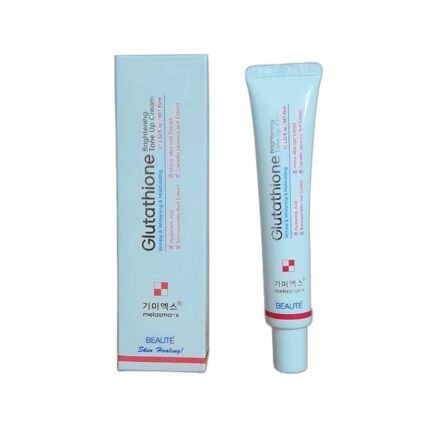 Sale
SaleOriginal price was: ৳ 1,250.00.৳ 950.00Current price is: ৳ 950.00.
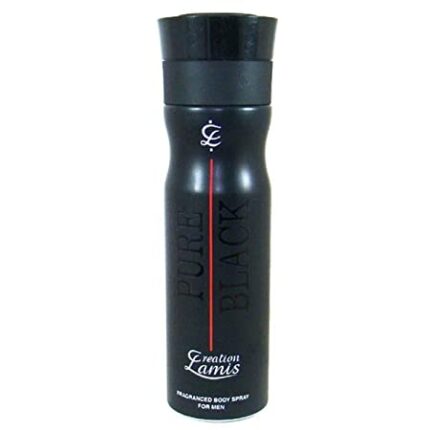 Sale
SaleOriginal price was: ৳ 800.00.৳ 690.00Current price is: ৳ 690.00.

The Critical Role of Benzoic Acid as a Preservative
The primary function of benzoic acid is preservation. It effectively inhibits the growth of microorganisms. These include bacteria, yeasts, and molds. These tiny organisms cause spoilage. They can make food unsafe. They can also degrade cosmetic products. Benzoic acid helps prevent this deterioration.
It works best in acidic environments. It needs a pH level between 2.5 and 4.5. In these conditions, undissociated benzoic acid enters microbial cells. Once inside, it disrupts cellular functions. It interferes with metabolic pathways. This prevents the microorganisms from growing and reproducing. As a result, products stay fresh for longer periods.
Mechanism of Antimicrobial Action
When the acid enters a microbe, it lowers the cell’s internal pH. Microbes thrive within a narrow pH range. A significant drop in pH stresses them. This stress affects critical enzymes. It also disrupts transport systems. The microbe must then expend energy to restore its pH balance. This depletes its resources. Ultimately, this leads to cell death or inhibited growth.
Because of this specific action, benzoic acid is a powerful preservative acid ingredient. It protects against common spoilage agents. It extends shelf life effectively. This benefit is crucial for both consumers and manufacturers. It reduces waste and improves product safety. Many products rely on this protective mechanism.
Benzoic Acid in the Food and Beverage Industry
Benzoic acid and its salts are widely used in foods. Sodium benzoate is a common derivative. Potassium benzoate and calcium benzoate also see use. These compounds are effective in many food types. They preserve carbonated drinks, fruit juices, and pickles. They are also found in jams and jellies.
Its application ensures food safety. It prevents harmful bacteria from multiplying. This is particularly important for acidic foods. For example, soft drinks are often acidic. Benzoic acid works well in this environment. It keeps them safe and tasty. Research indicates that it is one of the most common food preservatives globally. Experts agree on its efficacy.
Approved Uses and Safety Standards
Regulatory bodies worldwide approve benzoic acid use. The Food and Drug Administration (FDA) in the United States sets limits. The European Food Safety Authority (EFSA) does the same. These limits ensure consumer safety. They consider potential intake from various sources. Strict guidelines are in place for maximum concentrations.
For example, soft drinks often contain up to 150-200 mg/L. Fruit preserves have similar levels. Studies show that these amounts are safe for consumption. These regulatory standards protect public health. They allow manufacturers to maintain product quality. This helps ensure that your food remains safe to eat.
Benzoic Acid in Cosmetics and Skincare Products
Beyond food, benzoic acid serves an essential role in cosmetics. It acts as an antimicrobial skincare compound. This compound prevents spoilage from microbes. These microbes can contaminate creams, lotions, and makeup. It keeps these personal care items safe to use. This extends their shelf life significantly.
Products like shampoos, conditioners, and sunscreens often contain it. Face washes and moisturizers also benefit from it. The acid protects these formulas from bacterial and fungal growth. Without preservatives, many cosmetic products would spoil quickly. They could even become harmful to the skin. Benzoic acid ensures product integrity.
Benefits for Skin Health and Product Stability
The antimicrobial properties of benzoic acid are vital. They protect sensitive skin from contaminated products. Contaminated cosmetics can cause infections or irritations. Using this compound helps prevent such issues. It provides a clean and safe user experience. This contributes to overall skin health.
As an antimicrobial skincare compound, it also maintains product stability. Preservatives stop ingredients from degrading. They keep textures and scents consistent. This means your expensive skincare products last longer. You can use them effectively for their intended duration. Dermatologists often emphasize the importance of effective preservation.
Safety Profile and Regulatory Guidelines
The safety of benzoic acid has been extensively studied. It is generally recognized as safe (GRAS). This status applies when used within approved limits. Most people tolerate it well. However, some individuals might experience sensitivity. This is rare but possible. People with allergies should always check ingredient lists carefully.
The body metabolizes benzoic acid quickly. It converts it into hippuric acid. This substance is then excreted through urine. This efficient metabolism reduces accumulation. It minimizes potential toxic effects. Research consistently supports its low toxicity profile. This makes it a preferred preservative choice.
Acceptable Daily Intake and Potential Sensitivities
Regulatory bodies establish an Acceptable Daily Intake (ADI). This is the amount a person can consume daily over a lifetime. It causes no appreciable health risk. For benzoic acid, the ADI is 5 mg per kilogram of body weight. This level is far higher than typical dietary exposure. Therefore, daily intake is generally well within safe limits.
Although rare, some people might be sensitive. They may experience mild reactions. These reactions include hives or asthma symptoms. This usually occurs with high exposure. It is more common in individuals with existing sensitivities. Such cases are closely monitored by health organizations. The vast majority of consumers do not experience these issues.
How Benzoic Acid Is Produced and Processed
Benzoic acid is obtained through several methods. Its natural extraction is from plants like cranberries. However, industrial demand requires larger quantities. Therefore, synthetic production is crucial. Chemical synthesis allows for consistent quality. It also offers a cost-effective solution for mass production.
One common industrial method is the oxidation of toluene. Toluene reacts with oxygen in the presence of a catalyst. This reaction yields benzoic acid efficiently. Another process involves the hydrolysis of benzonitrile. Both methods produce high-purity benzoic acid. These processes meet strict industry standards.
From Raw Materials to Final Product
The journey from raw material to final benzoic acid is precise. It starts with sourcing petroleum-derived toluene. Then, the oxidation reaction takes place under controlled conditions. This ensures maximum yield and purity. After the reaction, purification steps are necessary. These steps remove impurities. They ensure the final product meets specifications.
The purified benzoic acid is then processed. It might be converted into its salt forms. Sodium benzoate is one such example. This conversion improves solubility. It also enhances its preservative capabilities. Manufacturers then package the finished product. They distribute it to various industries. This process ensures a reliable supply for many applications.
Frequently Asked Questions
What is benzoic acid primarily used for?
Benzoic acid is primarily used as a preservative. It prevents the growth of bacteria, yeasts, and molds. This protects foods, beverages, and cosmetic products from spoilage. Its main function is extending product shelf life.
Is benzoic acid safe for consumption?
Yes, benzoic acid is generally considered safe for consumption. Regulatory bodies approve its use within specific limits. The human body metabolizes and excretes it efficiently. Most people tolerate it well.
Where can I find benzoic acid naturally?
Benzoic acid occurs naturally in many fruits and plants. Cranberries, plums, prunes, and cinnamon are good sources. It also develops in some fermented milk products. Nature provides many examples of this compound.
Does benzoic acid cause allergic reactions?
While rare, some individuals may experience sensitivity to benzoic acid. Reactions could include hives or mild asthma symptoms. This typically occurs in sensitive individuals with high exposure. Most people do not experience such issues.
Final Thoughts
Benzoic acid is an unsung hero in modern daily life. It tirelessly protects the freshness and safety of countless products. From soft drinks to skincare, its role as a preservative is invaluable. Understanding its functions and safety helps us appreciate its widespread use. Always check labels and stay informed about the ingredients in your chosen products.