
Avena Sativa Kernel Flour: Uses, Benefits & Safety

Have you ever wondered why some lotions calm redness while others irritate? Avena Sativa Kernel Flour appears often on labels as a mild, plant-based ingredient that helps soothe skin. Many shoppers recognize its name on product lists and want clear guidance.
What is Avena Sativa Kernel Flour?
Avena Sativa Kernel Flour is finely milled oat kernel. It comes from the whole oat grain and retains many of oat’s natural compounds. Consumers will see it listed on cosmetic ingredient lists and in DIY recipes.
Because it contains oat proteins, lipids, and starches, this flour has properties that support skin comfort. Studies show oats offer anti-irritant benefits that dermatologists often cite when recommending gentle care for sensitive skin.
Recommended Products
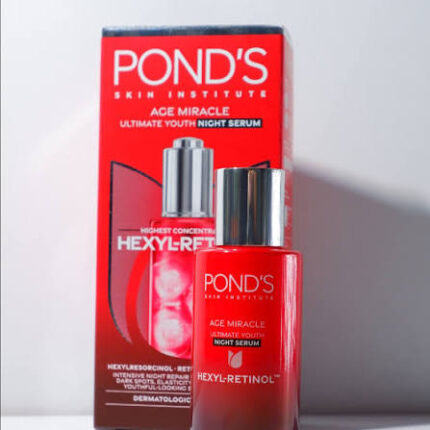 Sale
SaleOriginal price was: ৳ 2,000.00.৳ 1,950.00Current price is: ৳ 1,950.00.
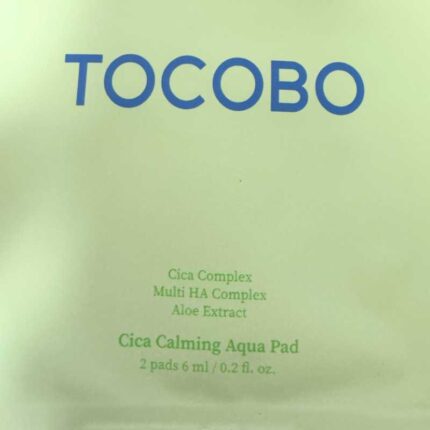 Sale
SaleOriginal price was: ৳ 120.00.৳ 80.00Current price is: ৳ 80.00.
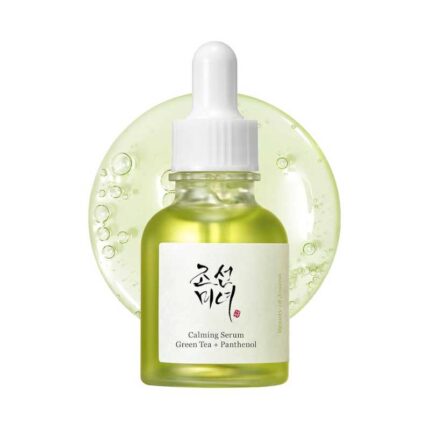 Sale
SaleOriginal price was: ৳ 2,060.00.৳ 1,442.00Current price is: ৳ 1,442.00.
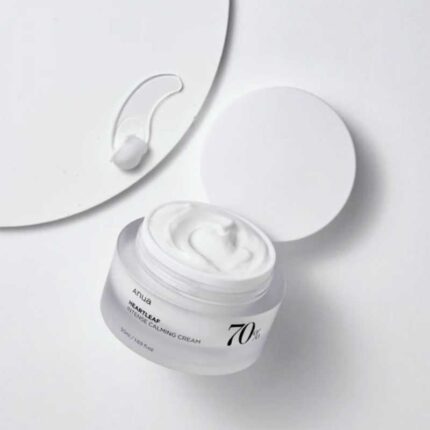 Sale
SaleOriginal price was: ৳ 2,950.00.৳ 2,674.00Current price is: ৳ 2,674.00.
How Avena Sativa Kernel Flour Works on Skin
This oat-derived flour forms a soft film on the skin that helps trap moisture. As a result, skin feels less tight after application and dry patches appear smoother. The flour also contains beta-glucans, which help support skin barrier recovery.
When applied, the fine particles provide mild exfoliation without harsh abrasion. That means surface dead skin lifts away while the barrier stays intact. Dermatologists recommend gentle exfoliation for many skin types instead of aggressive scrubs.
Key active components
One main compound is avenanthramides, an oat polyphenol linked to reduced itch and redness. Research indicates avenanthramides function as an anti-irritant and antioxidant. These effects explain why users report calmer skin after regular use.
Another important constituent is beta-glucan, a polysaccharide that helps draw and hold water. This means the flour supports hydration and may speed visible barrier repair. For example, beta-glucans are studied for their wound-healing support in topical formulas.
Benefits for Different Skin Types
Sensitive skin often reacts to fragrances and strong acids. Avena Sativa Kernel Flour gives a mild alternative because it soothes rather than inflames. Consumers with eczema or rosacea may find it reduces flare triggers when used in low-irritant formulations.
Dry skin can benefit from the flour’s water-binding action and soft film. Because it helps retain skin moisture, fine flakes often decrease with consistent use. Oily skin types also gain from the flour’s gentle exfoliation and calming effects without stripping oils.
Normal skin users enjoy improved comfort and texture with minimal fuss. That is why many daily moisturizers include oat-derived ingredients for balanced results. Overall, studies show oat ingredients support diverse skin needs when formulated properly.
Comparing Avena Sativa Kernel Flour to Other Oat Ingredients
Avena Sativa Kernel Flour differs from oat extract and colloidal oatmeal in texture and use. Colloidal oatmeal is typically ground to a fine powder designed for baths and creams, while kernel flour may remain slightly coarser. Formulators choose one based on desired texture and suspension in the product.
While oat oil delivers lipids, the flour delivers starches and proteins that act physically on the skin. As a result, products with kernel flour can feel thicker and provide a mild smoothing effect. For example, some masks use the flour for body and face applications that need a creamier base.
Forms and Formulations Where You’ll Find It
Manufacturers include Avena Sativa Kernel Flour in creams, masks, cleansers, and bath products. Because it blends well with water, the flour can thicken lotions and add slip to cleansers. Consumers may also find it in powdered mixes marketed for at-home treatments.
When shopping, review ingredient placement on the label. That often hints at concentration and expected performance. Dermatologists recommend looking for the flour near the top of the list for formulas intended to provide visible calming benefits.
How to Use Avena Sativa Kernel Flour at Home
For a simple calming mask, mix a teaspoon of the flour with water until smooth. Apply to clean skin for ten to fifteen minutes, then rinse gently with lukewarm water. This routine helps soothe irritation without adding complex actives.
Because the flour can thicken, start with small amounts in DIY recipes. That way you avoid an overly dense paste that is hard to rinse. If you prefer, you can blend it with a carrier like yogurt or aloe gel for added hydration.
DIY mask recipe
Mix one tablespoon of Avena Sativa Kernel Flour with two tablespoons of plain yogurt. Add a few drops of honey if you want extra softness. Apply for ten minutes and rinse; use once a week to maintain comfort and texture.
Safety, Allergies, and Patch Testing
Although oats are gentle for many people, allergies can occur. If you have a known grain allergy, perform a patch test on the inner forearm first. Wait twenty-four to forty-eight hours to watch for redness, itching, or swelling.
Because products vary, avoid using a new formula over large inflamed areas before testing. Dermatologists recommend patch testing when adding any new topical ingredient to a routine. If irritation arises, stop use and consult a healthcare professional.
Scientific Evidence and Expert Recommendations
Studies show oats contain compounds that reduce skin irritation and inflammation. Research indicates avenanthramides act as antioxidants and anti-irritants in topical applications. That is why clinical trials often include oat-based controls when testing anti-itch treatments.
Dermatologists recommend oat ingredients for sensitive and dry skin based on long track records of tolerance. For example, clinical use of colloidal oats is common in barrier repair creams. Overall, professional guidance supports oat use when products avoid harsh additives.
How to Read Labels and Choose Products
Check the ingredient list to confirm Avena Sativa Kernel Flour appears under that exact name. If the label lists colloidal oatmeal or oat extract instead, the ingredients differ slightly. This means you should pick the form that matches your skin needs and product type.
Look for formulas free of common irritants like strong fragrances and high alcohol levels. That reduces the chance of counteracting the flour’s soothing benefits. When in doubt, choose products that state they are for sensitive skin and list simple, recognizable ingredients.
Concentration and Effectiveness
Manufacturers do not always disclose exact concentrations of plant-derived ingredients. Therefore, ingredient order on the label can suggest relative amounts. If Avena Sativa Kernel Flour appears near the top, it likely contributes meaningfully to the product’s feel and effect.
When used at low levels, the flour still offers mild smoothing and sensory benefits. Yet, higher concentrations often produce clearer calming and moisturizing effects. That is why some therapeutic creams emphasize oat content for targeted relief of dryness and itch.
Combined Ingredients That Work Well
Pairing Avena Sativa Kernel Flour with humectants like glycerin supports hydration. As a result, formulas deliver both immediate soothing and longer-lasting moisture retention. Ceramides and mild emollients also pair well to restore the skin barrier.
Because some active ingredients irritate sensitive skin, avoid combining the flour with strong acids or high-strength retinoids without professional advice. Instead, choose gentle complementary actives for steady improvement. This means mild vitamin B derivatives or niacinamide often make sensible partners.
Common Myths and Misconceptions
Myth: Oat ingredients will clog pores and cause acne. Reality: Many studies report minimal comedogenic effect from oat components when formulated correctly. Still, individual responses vary, and oily skin users should test new products first.
Myth: All oat products are the same. Reality: Different oat derivatives offer different benefits. Colloidal oatmeal, oat oil, and kernel flour have unique textures and ingredient profiles that suit different uses and skin concerns.
Environmental and Sourcing Considerations
Oats are a widely grown grain requiring moderate resources to cultivate. When possible, choose products that source oats responsibly or state sustainable farming practices. Brands that provide sourcing details often follow stricter quality and safety controls.
Because supply chains vary, certifications can help confirm organic or sustainable claims. When a product lists fair sourcing or organic oats, that offers added assurance on agricultural practices. This can matter for consumers seeking more sustainable skincare choices.
Price and Value: What to Expect
Products that include Avena Sativa Kernel Flour range from budget-friendly to premium. Basic creams with oat flour often cost less because the ingredient is economical. Yet, formulas with clinical backing and added skin-repair actives can be pricier.
When deciding on value, weigh ingredient lists, brand reputation, and formulation quality. That is why reading labels and checking for expert endorsements helps. A moderately priced product with a simple formula may offer better daily benefits than a costly, heavily scented option.
Where the Ingredient Appears in Product Types
Cleansers with the flour aim to calm while removing dirt, often reducing post-wash tightness. Masks and rinses use the flour for targeted soothing treatments. Body lotions include it to help larger dry areas and to provide a barrier-supporting film.
Bath products use finely ground oat derivatives to disperse in water and provide full-body comfort. Because bath formulas dilute, they work well for widespread irritation. For localized flare-ups, a cream with higher oat content may provide more focused relief.
Interactions with Other Skincare Routines
If you use exfoliating acids, apply oat-containing products on alternate days to reduce overlap. That helps prevent irritation from multiple active regimes. Users with rosacea should combine routines under dermatologist guidance for measured progress.
For daily moisturization, a light oat-based lotion can follow a simple serum. The flour provides a calming finish without heavy occlusion. This means it fits well into morning and evening routines for many skin types.
Consumer Tips for Best Results
Test new products on a small skin patch before full use, especially if you have complex sensitivities. Monitor for any delayed reactions over two days. If the product soothes as expected, you may integrate it into weekly or daily care.
Store powdered products in a cool, dry place to preserve freshness and avoid clumping. When mixing DIY treatments, use clean tools and fresh ingredients to reduce contamination risk. This helps maintain efficacy and safety over time.
Regulatory and Labeling Notes
Cosmetic regulations vary by country, but ingredients like Avena Sativa Kernel Flour are generally classified as safe for topical use. Manufacturers must follow labeling and safety testing rules where they sell products. That includes patch testing and stability testing for finished goods.
Claims like “clinically proven” require supporting data according to many regulatory frameworks. Therefore, products that make therapeutic claims often provide study summaries or clinical notes. Consumers can look for clear claim substantiation when comparing options.
Real-World Examples and Consumer Feedback
Many users report reduced redness and less itching after switching to oat-based moisturizers. This anecdotal feedback aligns with clinical reports that show soothing effects. Still, individual experiences vary with formulation and skin condition.
Reviews often highlight comfort and gentle texture as main benefits. Consumers appreciate that the flour adds slip to cleansers and thickness to masks without greasiness. That practical feedback helps shoppers choose products for specific needs.
When to See a Professional
If redness, swelling, or intense itching occurs after use, stop the product and seek medical advice. Persistent or severe symptoms suggest a dermatologic assessment. Professionals can test for allergies and recommend tailored treatments.
When managing chronic conditions like eczema, talk to a dermatologist before altering your routine. That helps prevent flare triggers and ensures complementary therapies match your care plan. Clinician guidance is valuable for long-term skin health.
Frequently Asked Questions
Is Avena Sativa Kernel Flour safe for sensitive skin?
Yes, many people with sensitive skin tolerate it well because it soothes and reduces irritation. However, perform a patch test before full use if you have known grain allergies. Stop use and consult a clinician if you notice adverse reactions.
Can I use Avena Sativa Kernel Flour every day?
Daily use is fine in many moisturizers and cleansers that include the flour at gentle levels. For DIY masks, limit use to once or twice weekly to avoid over-application. Adjust frequency based on how your skin responds.
Does it help with eczema or dermatitis?
Research indicates oat compounds reduce itch and calm inflamed skin, making them useful as part of eczema care. Still, severe cases require medical supervision and prescription treatments. Use oat-based products as a supportive, not sole, therapy for serious conditions.
How is Avena Sativa Kernel Flour different from colloidal oatmeal?
Colloidal oatmeal is ground to a fine, dispersible powder designed for baths and creams, while kernel flour may be slightly coarser and offer mild physical texture. Both contain similar calming compounds, but their feel and ideal uses differ slightly.
Final Thoughts
Avena Sativa Kernel Flour offers a gentle, plant-based way to soothe and hydrate skin, making it a strong choice for sensitive and dry skin care. For best results, choose products with transparent ingredient lists and avoid formulas with strong fragrances. Try a patch test, then use a trusted oat-based cream daily for steady comfort and improved texture.