
Artemisia Vulgaris Extract: Skin Benefits Guide

Skin that feels tight, red, or easily upset can make product shopping feel risky. Artemisia Vulgaris Extract has become popular because many shoppers want plant-based comfort without a heavy feel. This guide explains what it does, who may like it, and how to choose it wisely.
What Is Artemisia Vulgaris Extract?
Artemisia Vulgaris Extract comes from Artemisia vulgaris, a plant often called mugwort. Botanists place mugwort in the Asteraceae family, which also includes chamomile and calendula. Because this plant has a long history in herbal care, beauty brands now study it for modern skin use.
However, skincare extract does not mean the same thing as a raw herb. Brands make Artemisia Vulgaris Extract by taking useful plant compounds from leaves, stems, or flowers. This process can use water, glycerin, alcohol, or other safe cosmetic solvents.
Research indicates that mugwort contains flavonoids, phenolic acids, and other antioxidant compounds. Antioxidants help defend skin from stress caused by pollution and daily exposure. As a result, many formulas use Artemisia Vulgaris Extract to support calmer-looking skin.
Recommended Products
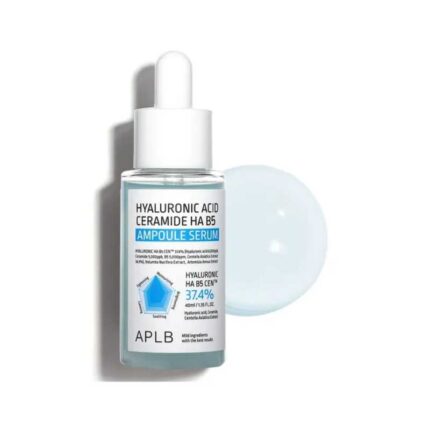 Sale
SaleOriginal price was: ৳ 1,300.00.৳ 910.00Current price is: ৳ 910.00.
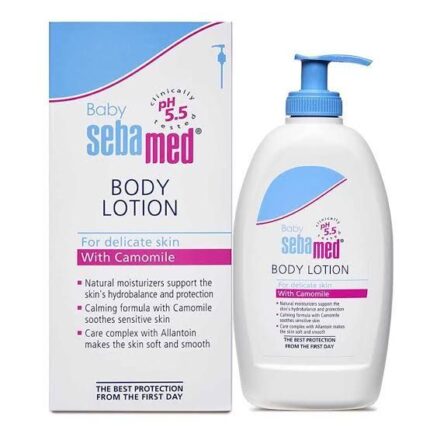 Sale
SaleOriginal price was: ৳ 3,500.00.৳ 2,499.00Current price is: ৳ 2,499.00.
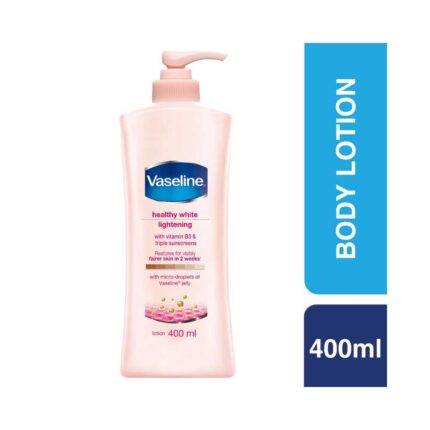 Sale
SaleOriginal price was: ৳ 570.00.৳ 520.00Current price is: ৳ 520.00.

Why This Mugwort Botanical Ingredient Matters
The phrase mugwort botanical ingredient often appears on product pages and ingredient guides. It matters because shoppers now read labels more closely than ever. When a formula includes Artemisia Vulgaris Extract, it usually aims to calm, refresh, or balance the skin.
However, not every plant extract works the same way. The part of the plant, extraction method, and formula base can all change the skin feel. That is why Artemisia Vulgaris Extract can feel light in one toner and richer in another cream.
Cosmetic science groups often group mugwort with soothing botanicals. Studies show that many plant extracts can help reduce the look of irritation when formulators use them well. Still, the full product formula matters more than one ingredient alone.
Mugwort in Beauty History
Mugwort has appeared in traditional care practices across Asia and Europe for many years. While history does not prove a skincare claim, it can explain why brands keep studying the plant. Today, Artemisia Vulgaris Extract appears in toners, serums, masks, gels, and creams.
Because shoppers often connect mugwort with gentle care, brands market it toward stressed or sensitive skin. That message can help, yet it can also create hype. A smart shopper should look beyond the front label and read the full ingredient list.
Modern Skincare Use
Modern formulas use Artemisia Vulgaris Extract at different levels. Some products feature it as a main ingredient, while others add it for support. For example, a toner may pair mugwort with panthenol, glycerin, and beta-glucan.
This means the ingredient can play several roles. It may support comfort, add antioxidant care, or improve the overall feel of a calming formula. When paired with simple hydrators, Artemisia Vulgaris Extract often suits daily routines better.
Key Benefits of Artemisia Vulgaris Extract
Artemisia Vulgaris Extract has gained attention because it fits several common skin goals. Many shoppers want less visible redness, better comfort, and a smoother routine. Dermatologists often suggest gentle, barrier-supporting formulas for skin that reacts often.
Still, this ingredient does not replace medical care for eczema, rosacea, acne, or allergic reactions. Instead, Artemisia Vulgaris Extract works best as part of a steady routine. The best results usually come from consistent use and fewer harsh products.
Calms the Look of Redness
Redness can appear after cleansing, exfoliating, weather changes, or stress. Artemisia Vulgaris Extract may help the skin look calmer because it contains soothing plant compounds. Studies on mugwort and related plant compounds show activity linked with comfort and balance.
However, visible redness has many causes. Broken barriers, allergies, heat, and skin conditions can all trigger it. So a calming product works best when you also avoid known triggers.
For example, a simple mugwort toner may help after a strong cleanser causes tightness. A cream with Artemisia Vulgaris Extract may also help reduce that flushed look after a long day. Results often look gradual, not instant.
Supports the Skin Barrier
The skin barrier is the outer layer that helps hold water in. It also helps keep irritants out. When that barrier weakens, skin may sting, flake, or turn red more easily.
Artemisia Vulgaris Extract can support a barrier-focused routine when brands pair it with humectants and emollients. Humectants pull water into the skin, while emollients soften rough areas. Research shows that barrier care often improves comfort in sensitive skin routines.
As a result, shoppers should not judge mugwort alone. A serum with glycerin, panthenol, and Artemisia Vulgaris Extract may feel more helpful than a plain extract mist. The supporting ingredients can make the difference.
Helps Skin Feel Balanced
Many people with oily skin avoid soothing products because they fear heaviness. Yet Artemisia Vulgaris Extract often appears in light textures. Gel creams, watery essences, and toners can deliver comfort without a greasy finish.
Because oily skin can still feel dehydrated, light hydration matters. Harsh oil control products may cause more tightness and rebound shine. A balanced formula can calm the skin while keeping the surface comfortable.
Dermatologists often remind patients that acne-prone skin still needs barrier support. Artemisia Vulgaris Extract may fit this need when the formula avoids pore-clogging oils. Still, acne treatment should come from proven active ingredients when breakouts persist.
How It Works as a Soothing Skincare Compound
Artemisia Vulgaris Extract works through several plant compounds rather than one magic molecule. This makes it different from single actives like niacinamide or salicylic acid. Because it contains a blend of natural compounds, its effect depends on extract quality.
Scientists have found antioxidant and comfort-supporting activity in mugwort extracts. Antioxidant activity means the extract can help fight free radicals. Free radicals are unstable molecules that can stress skin and speed visible dullness.
As a soothing skincare compound, mugwort fits best in formulas made for daily comfort. It can work with hydrators, barrier helpers, and mild texture agents. However, a poorly balanced formula can still irritate skin, even with mugwort inside.
Antioxidant Support
Antioxidants matter because skin faces stress from sunlight, pollution, and normal life. They do not replace sunscreen, but they can support a healthy routine. Artemisia Vulgaris Extract contains plant antioxidants that may help protect the look of skin.
When shoppers see antioxidant claims, they should keep expectations realistic. A mugwort serum will not erase deep lines overnight. Instead, it may help skin look fresher when used with sunscreen and moisturizer.
Research on botanical antioxidants shows that formula stability affects performance. Air, light, and heat can weaken some plant compounds. That is why opaque bottles and well-made packaging can matter for Artemisia Vulgaris Extract products.
Comfort and Irritation Balance
Skin irritation often starts when the barrier faces too much stress. Over-cleansing, strong acids, retinoids, and dry weather can all play a role. Artemisia Vulgaris Extract may help reduce the look and feel of that stress.
However, soothing does not mean treatment for every rash. If skin burns, swells, or cracks, you should stop new products and seek medical advice. A calming cosmetic works best for mild, daily discomfort.
For example, a mugwort cream can help buffer dryness from a winter routine. A toner with Artemisia Vulgaris Extract can also feel refreshing after sun exposure. Still, sunscreen and shade remain the main tools for UV protection.
Barrier-Friendly Pairings
Artemisia Vulgaris Extract often works well with gentle barrier ingredients. Panthenol, glycerin, squalane, ceramides, and beta-glucan can support hydration and comfort. Studies show that barrier lipids, such as ceramides, help maintain skin moisture.
Because plant extracts vary, supporting ingredients provide a safety net. They help the formula feel smoother and reduce the chance of dryness. This means a balanced ingredient list often matters more than a high mugwort claim.
When choosing products, avoid formulas that mix too many strong actives at once. Mugwort can sit beside mild acids or retinoids, but sensitive skin may not like that mix. Instead, start with a simple soothing product first.
Who Should Consider Artemisia Vulgaris Extract?
Artemisia Vulgaris Extract may suit shoppers who want comfort without a heavy skincare step. It often appears in products for sensitive, oily, combination, and redness-prone skin. Still, personal allergy history matters because mugwort belongs to a plant family that can trigger reactions.
Dermatologists recommend patch testing new skincare, especially for reactive skin. Patch testing means applying a small amount to one area before full-face use. This simple step can help you avoid a larger reaction.
Sensitive or Reactive Skin
Sensitive skin often stings after fragrance, strong acids, or rough scrubs. Artemisia Vulgaris Extract may help because brands often place it in gentle formulas. However, fragrance-free and alcohol-free options usually suit reactive skin better.
When your skin reacts often, choose shorter ingredient lists. A simple product makes it easier to spot problems. Since mugwort can still bother some people, test it near the jaw or behind the ear first.
Studies on sensitive skin show that barrier weakness often increases stinging and dryness. That is why a mugwort product should also hydrate well. Look for ingredients like glycerin, panthenol, and ceramides beside Artemisia Vulgaris Extract.
Oily and Acne-Prone Skin
Oily skin can feel inflamed, shiny, and dehydrated at the same time. Artemisia Vulgaris Extract may help calm the look of stress without adding heavy oils. Light toners and gels often work well for this skin type.
However, acne has many causes, including clogged pores, hormones, and bacteria. Mugwort does not replace proven acne care like benzoyl peroxide or salicylic acid. It may support comfort while those stronger ingredients do their job.
For example, use a mugwort essence after cleansing and before an acne treatment. This order can add hydration before stronger steps. Still, stop if the mix causes burning or new irritation.
Dry or Combination Skin
Dry skin needs water and oil support. Artemisia Vulgaris Extract can add a soothing angle, yet it does not seal moisture by itself. A cream or lotion can help lock in the comfort better than a watery mist.
Combination skin may prefer targeted use. Apply a light mugwort toner across the face, then use richer cream only on dry zones. This means you can avoid shine while still helping flaky areas.
Research on moisturizers shows that layered hydration can improve roughness and comfort. A balanced routine may include cleanser, mugwort serum, moisturizer, and sunscreen. Artemisia Vulgaris Extract fits into that plan as a support step.
How to Choose the Best Product
Shopping for Artemisia Vulgaris Extract can feel confusing because labels use different names. You may see Artemisia vulgaris extract, mugwort extract, or common mugwort extract. These names often point to the same plant, though formulas can still differ.
Because general online shoppers cannot test every product, label reading helps. Look at the full ingredient list, claims, texture, and packaging. Product reviews can help, yet your own skin type should guide the final choice.
Cosmetic regulations require brands to list ingredients in a standard order in many markets. Higher amounts usually appear earlier, while tiny amounts appear near the end. This rule gives shoppers a rough clue about product focus.
Read the Ingredient List
Check where Artemisia Vulgaris Extract appears on the label. If it sits near the top, the product may use a more notable amount. If it sits near the bottom, it may play a smaller support role.
However, position alone does not prove strength or quality. Some extracts work at low levels, while some high-extract formulas still irritate. The full formula decides the final skin experience.
For example, a calming serum may include mugwort, panthenol, madecassoside, and glycerin. This mix suggests soothing and hydration. A formula with fragrance, strong alcohol, and many essential oils may not suit sensitive shoppers.
Match Texture to Skin Type
Texture affects whether you will use a product daily. Oily skin may prefer watery toners, gels, or light essences. Dry skin may prefer creams with Artemisia Vulgaris Extract and barrier-supporting lipids.
When a texture feels wrong, people often stop using the product. A great ingredient cannot help if it sits unused in a drawer. So choose a format that matches your climate, routine, and comfort level.
Dermatologists often recommend simple routines because they reduce irritation risk. A cleanser, treatment, moisturizer, and sunscreen can cover many needs. Artemisia Vulgaris Extract can fit into one of those steps without adding clutter.
Check Packaging and Claims
Packaging can affect the freshness of plant-rich products. Pumps, tubes, and opaque bottles limit air and light exposure better than open jars. This may help preserve antioxidant compounds in Artemisia Vulgaris Extract formulas.
However, packaging does not fix a weak formula. Avoid claims that promise instant cures, medical healing, or dramatic overnight changes. Cosmetics can improve appearance and feel, but they cannot treat disease like medicine.
When claims sound too big, compare them with the ingredient list. A calm, clear product description often signals better brand care. Still, always judge the product by how your skin responds.
How to Use Artemisia Vulgaris Extract
Artemisia Vulgaris Extract can fit into both morning and evening routines. Most products work after cleansing and before heavier creams. When the texture feels watery, apply it early in the routine.
However, each product type may need a different order. A toner comes before serum, while a cream comes near the end. Sunscreen should always finish the morning routine after moisturizer.
Dermatologists recommend introducing one new product at a time. This helps you track benefits and reactions. If you add several items at once, you may not know what caused a problem.
Start With a Patch Test
Patch testing matters because plant extracts can trigger allergies in some people. Apply a small amount behind the ear or along the jaw. Wait at least a day before using it on your whole face.
Although this step feels slow, it can prevent a bigger issue. Redness, itching, bumps, or burning may signal that the product does not suit you. If that happens, wash the area and stop use.
People with ragweed, chrysanthemum, or daisy allergies should be more careful. Mugwort belongs to the same broad plant family. Ask a clinician if you have a history of strong plant allergies.
Layer It in a Simple Routine
A basic morning routine can include cleanser, Artemisia Vulgaris Extract toner, moisturizer, and sunscreen. This keeps the routine clear and easy to follow. The sunscreen protects skin from UV damage, which calming products cannot block.
At night, use the mugwort step after cleansing. Then add treatment products and moisturizer based on your needs. If you use retinoids, mugwort may help support comfort, but start slowly.
For example, use a retinoid two or three nights a week at first. Use Artemisia Vulgaris Extract on the same nights only if your skin feels calm. Instead, separate the steps if you notice stinging.
Pair It With the Right Ingredients
Artemisia Vulgaris Extract often pairs well with humectants. Glycerin, hyaluronic acid, and aloe can help draw water into the skin. Panthenol and beta-glucan can also support a soft, calm feel.
However, be careful with strong acids and scrubs. Too much exfoliation can damage the barrier and undo soothing benefits. When skin feels tender, pause acids and focus on moisture.
Niacinamide can also pair well with mugwort in many routines. Studies show niacinamide can support barrier function and uneven tone. Still, sensitive skin may prefer lower-strength formulas.
Safety, Allergies, and Side Effects
Most shoppers use Artemisia Vulgaris Extract without trouble in cosmetic products. Still, any skincare ingredient can cause irritation or allergy. Plant extracts deserve extra care because they contain many natural compounds.
Because mugwort belongs to the Asteraceae family, allergy-prone users should move slowly. This family includes ragweed, daisies, marigolds, and chamomile. Cross-reactions can happen in some people, especially those with known pollen allergies.
Dermatologists advise stopping a product if burning, swelling, or intense itching appears. Mild tingling may happen with some formulas, but pain is not normal. When symptoms persist, seek medical advice.
Possible Signs of Irritation
Irritation can look like redness, itching, warmth, bumps, or flaking. It may appear quickly or after several days of use. Artemisia Vulgaris Extract may not cause the reaction alone, since formulas contain many ingredients.
When irritation starts, stop the newest product first. Use a bland moisturizer and gentle cleanser for a few days. If your skin improves, the new product may not suit your routine.
However, severe symptoms need faster care. Swelling around the eyes, hives, or trouble breathing can signal an allergic reaction. Get medical help right away if those signs appear.
Pregnancy and Medical Conditions
Cosmetic use on skin differs from taking mugwort by mouth. Still, pregnant or nursing shoppers often prefer extra caution with botanical ingredients. A healthcare professional can give advice based on personal history.
People with eczema, rosacea, psoriasis, or active dermatitis should also be careful. These conditions can make skin more reactive than usual. Artemisia Vulgaris Extract may feel soothing, yet it should not replace prescribed care.
When a doctor gives you a treatment plan, follow it first. You can ask whether a mugwort product fits around that plan. This approach helps avoid conflicts and irritation.
Fragrance and Essential Oils
Some products pair Artemisia Vulgaris Extract with fragrance or essential oils. That choice may smell pleasant, but it can raise irritation risk. Sensitive skin often does better with fragrance-free formulas.
However, fragrance-free does not mean risk-free. You still need to check the full list and patch test. Even simple products can bother skin that already feels damaged.
As a result, shoppers should focus on formula quality rather than plant claims alone. A gentle mugwort product should support comfort, not add more triggers. Choose calm formulas with clear labels and fewer extras.
Common Myths About Artemisia Vulgaris Extract
Artemisia Vulgaris Extract has gained attention on social media, which can create confusion. Some posts make it sound like a cure for every skin concern. Others dismiss it because it comes from a plant.
The truth sits between those views. Research supports several useful properties in mugwort, but skincare results depend on formula and routine. This means shoppers should expect support, not miracles.
Myth: Natural Always Means Gentle
Natural ingredients can feel gentle, yet they can also trigger reactions. Poison ivy is natural, but no one wants it in skincare. Mugwort may suit many people, but allergies can still happen.
Because of that, Artemisia Vulgaris Extract needs the same careful testing as any active product. Patch testing gives your skin a safer trial. It also helps you learn what your skin likes.
Dermatologists often warn that natural fragrance compounds can irritate sensitive skin. So a natural label does not guarantee comfort. A well-made, fragrance-free formula usually matters more.
Myth: More Extract Means Better Results
High extract claims can sound impressive on a bottle. However, more does not always mean better for sensitive skin. A very high plant content may feel too strong for some users.
Artemisia Vulgaris Extract works best when the product feels balanced. Hydrators, emollients, and barrier helpers can make the formula more useful. This is especially true for dry or reactive skin.
When comparing products, look for smart support ingredients. A lower mugwort level in a gentle base may outperform a harsh high-extract toner. Your skin response gives the final answer.
Myth: It Replaces Sunscreen
Antioxidants can support skin against daily stress. However, they do not block UV rays like sunscreen. Artemisia Vulgaris Extract should never replace broad-spectrum sun protection.
Studies show that UV exposure contributes to dark spots, fine lines, and skin cancer risk. Sunscreen remains the main daily defense against that damage. Mugwort can support the routine, but it cannot take that role.
Use sunscreen every morning, even when your skincare contains antioxidants. Reapply when needed during sun exposure. This habit protects the progress you get from calming products.
How It Compares With Other Botanicals
Artemisia Vulgaris Extract often appears beside other calming plant ingredients. Shoppers may compare it with centella, green tea, aloe, chamomile, or calendula. Each botanical has different strengths, textures, and allergy concerns.
Because skin needs vary, no single plant extract wins for everyone. Centella often supports barrier repair, while green tea offers strong antioxidant appeal. Aloe can feel cooling, and chamomile may soothe but can bother some allergy-prone users.
Research on botanicals shows that plant families and extraction methods affect skin results. This means two calming products can behave very differently. Always compare the full formula, not just the hero ingredient.
Mugwort vs. Centella
Centella asiatica is another popular calming ingredient. It contains compounds often linked with barrier support and comfort. Artemisia Vulgaris Extract may feel more refreshing in watery products, depending on the formula.
However, many products combine both ingredients. This pairing can make sense for shoppers who want a calm, hydrated feel. If your skin reacts easily, choose the simpler formula first.
Centella has more common use in products marketed for post-blemish care. Mugwort often appears in products focused on redness and balance. Both can fit sensitive routines when brands formulate them well.
Mugwort vs. Green Tea
Green tea extract has strong antioxidant appeal. It often suits oily and combination skin because it can feel light. Artemisia Vulgaris Extract also suits light textures, yet brands often market it more for comfort.
When choosing between them, think about your main concern. Green tea may appeal if dullness and oil are your top issues. Mugwort may appeal if your skin feels hot, tight, or easily flushed.
Still, you do not need to pick only one. Many calm formulas include several botanicals at modest levels. The key is avoiding formulas that add fragrance and harsh alcohol beside them.
Mugwort vs. Aloe
Aloe vera is famous for a cooling feel. Many shoppers use aloe gels after heat or sun exposure. Artemisia Vulgaris Extract may feel less slippery and more toner-friendly in some products.
However, aloe products often include alcohol or fragrance, especially in cheap gels. That can make them less helpful for sensitive skin. Mugwort products can have the same issue, so check labels.
Both ingredients can support comfort when formulas stay gentle. If your skin feels dry, choose a product with moisturizers too. A cooling gel alone may not seal in enough water.
What Results Should You Expect?
Artemisia Vulgaris Extract usually works in a quiet, supportive way. Most shoppers should expect improved comfort, less tightness, and a calmer look over time. It does not act like a peel, retinoid, or acne medicine.
Because skin turnover takes time, visible changes may appear slowly. Some people notice comfort within days, while tone changes may take longer. Consistency matters more than applying extra product.
Studies on skincare routines show that regular use improves outcomes more than random use. A simple plan also reduces the chance of irritation. That is why a steady routine can help Artemisia Vulgaris Extract perform better.
First Week of Use
During the first week, focus on how your skin feels. Less tightness, reduced stinging, or better hydration can signal a good match. Do not expect major tone changes right away.
However, watch for delayed irritation. Some reactions appear after repeated use. If your skin starts itching or flaking, pause the product and simplify your routine.
Use the product once daily at first if your skin reacts easily. Normal or oily skin may tolerate twice daily use. Still, more use does not always mean faster benefits.
After One Month
After several weeks, you may see a calmer overall look. Redness may appear less intense, especially when dryness caused the issue. Artemisia Vulgaris Extract can help support that change in a gentle routine.
Yet results depend on your triggers. If your cleanser strips the skin, mugwort may not fully offset the damage. Replace harsh steps before judging the soothing product.
Take simple notes if you test several products. Track redness, dryness, breakouts, and comfort. This helps you decide whether the product deserves a long-term spot.
When to Adjust Your Routine
Adjust your routine if your skin still feels tight or hot. You may need a richer moisturizer, less exfoliation, or a gentler cleanser. Artemisia Vulgaris Extract cannot fix every routine problem alone.
When breakouts increase, check for heavy oils or pore-clogging textures. The mugwort ingredient may not be the cause. Still, the full formula may not match your skin.
If redness stays strong or painful, ask a dermatologist for guidance. Rosacea, dermatitis, and allergies need proper care. A cosmetic product can support comfort, but it should not delay help.
Buying Tips for Online Shoppers
Online shopping makes ingredient research easier, but it also adds risk. Photos, reviews, and claims may not tell the full story. Artemisia Vulgaris Extract products can vary widely in texture, scent, and strength.
Because you cannot feel the product before buying, check return policies and size options. A mini size can reduce waste if your skin dislikes it. Reviews from people with your skin type can also help.
Consumer studies show that shoppers often rely on reviews, but reviews can reflect personal bias. Treat them as clues, not proof. Your skin and routine remain the best test.
Look for Clear Product Claims
A helpful product page explains what the formula does in plain words. It should name the skin types, texture, and key support ingredients. Artemisia Vulgaris Extract should not appear only as a vague trend word.
However, avoid products that promise to cure acne, rosacea, or eczema. Those claims cross into medical territory. A trustworthy cosmetic brand describes comfort, hydration, and visible calming instead.
Read the directions before buying. If the product requires unusual steps, you may not use it often. Simple products fit real routines better.
Choose Based on Your Routine Gap
Think about what your routine lacks before buying. If your skin feels dry, choose a cream or serum with humectants. If your skin feels oily, choose a light toner or gel.
When your routine already has many active products, add mugwort carefully. Too many steps can overwhelm sensitive skin. Artemisia Vulgaris Extract works best when it solves a clear need.
For example, a shopper using retinol may want a calming moisturizer. A shopper with shiny skin may want a balancing essence. Matching the product to the gap prevents clutter.
Avoid Common Buying Mistakes
Do not buy only because a product has a high mugwort percentage. Percent claims can sound helpful, yet they do not reveal formula comfort. The base, preservatives, and added actives also matter.
Do not assume expensive always means better. Some affordable products use gentle bases and smart ingredients. Still, very cheap products may cut corners on texture or packaging.
Instead, compare ingredient lists, texture, reviews, and brand transparency. Choose one product, test it slowly, and track your skin. This approach saves money and reduces irritation risk.
Frequently Asked Questions
Is Artemisia Vulgaris Extract good for sensitive skin?
Artemisia Vulgaris Extract may suit sensitive skin when the formula stays gentle and fragrance-free. However, mugwort can trigger allergies in some people, especially those with Asteraceae plant allergies. Patch test before full-face use.
Can Artemisia Vulgaris Extract help acne?
Artemisia Vulgaris Extract may help acne-prone skin feel calmer, but it does not replace proven acne treatments. It can support comfort while you use salicylic acid, benzoyl peroxide, or prescription care. Stop use if breakouts or irritation increase.
How often should I use Artemisia Vulgaris Extract?
Most people can start with once daily use. If your skin handles it well, you may use Artemisia Vulgaris Extract morning and night. Sensitive skin should increase slowly and watch for stinging.
Can I use mugwort with retinol or acids?
You can often use mugwort with retinol or acids, but start carefully. Artemisia Vulgaris Extract may support comfort, yet strong actives can still irritate. Use fewer active nights if your skin feels tight or hot.
Final Thoughts
Artemisia Vulgaris Extract is best viewed as a gentle support ingredient for calmer, more comfortable skin. It can help a routine feel easier when brands pair it with hydrators and barrier-friendly ingredients. Choose a simple fragrance-free product, patch test first, and give your skin time to respond.