
Arginine: Benefits, Uses, and How to Choose

Arginine often appears on labels and in ingredient lists because it supports circulation and tissue repair. Many shoppers ask how Arginine can help with skin hydration and fitness recovery. This guide explains uses, evidence, and buying tips for everyday shoppers.
What is Arginine and why it matters
Arginine is an amino acid that the body uses to build proteins and support other functions. For example, research indicates it helps produce nitric oxide, which relaxes blood vessels and supports circulation. Studies show health professionals often mention Arginine when discussing circulation and wound healing.
Although the body makes some Arginine, dietary intake can affect levels that support recovery and skin health. As a result, some people add supplements or topical products that include Arginine as an ingredient. That is why understanding its roles helps you choose products wisely.
Recommended Products
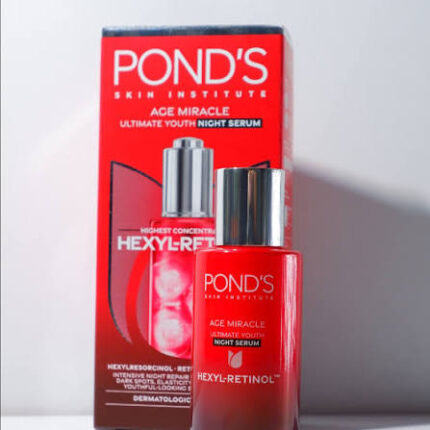 Sale
SaleOriginal price was: ৳ 2,000.00.৳ 1,950.00Current price is: ৳ 1,950.00.
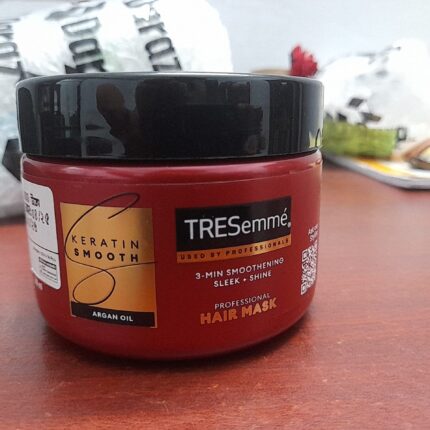 Sale
SaleOriginal price was: ৳ 1,200.00.৳ 950.00Current price is: ৳ 950.00.
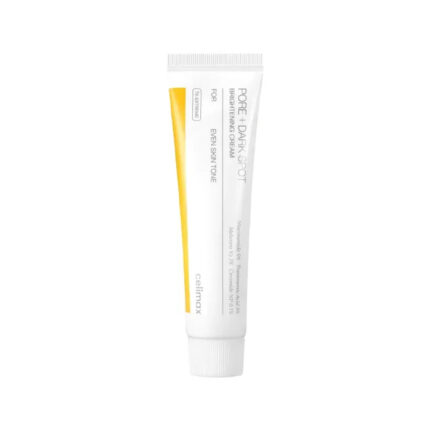 Sale
SaleOriginal price was: ৳ 1,790.00.৳ 1,590.00Current price is: ৳ 1,590.00.
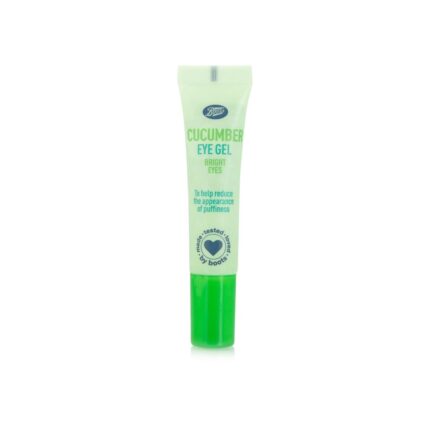 Sale
SaleOriginal price was: ৳ 700.00.৳ 550.00Current price is: ৳ 550.00.
Arginine: How it works in the body
Arginine serves multiple roles, including serving as a precursor to nitric oxide, which affects blood flow and nutrient delivery. Because improved circulation helps tissue repair, many athletes and patients use Arginine for recovery support. Research indicates that oral Arginine can influence vascular function in people with certain health needs.
When Arginine enters cells, it can also support collagen production and cell signaling, which matter for skin and wound care. Dermatologists recommend ingredients that support collagen alongside hydration for visible skin benefits. Still, effects vary by dose and product form.
Key benefits of Arginine for skin and hair
Arginine can help moisturize skin by supporting natural repair and protein synthesis for the outer layer. Studies show topical Arginine may improve barrier function when combined with humectants and emollients. For shoppers, this means products that pair Arginine with hydrators can offer better results.
Because Arginine influences circulation, it can support scalp health and hair growth indirectly through better nutrient delivery. Clinical reports suggest amino acids matter for hair structure and follicle support. When you choose hair treatments, look for Arginine in formulas meant to strengthen strands rather than just mask damage.
As a topical ingredient, Arginine also functions as a mild pH buffer in some formulations, helping stabilize acidity for sensitive skin. That is important because pH affects microbial balance and enzyme activity on the skin. Dermatologists may choose formulas that keep pH in a healthy range to reduce irritation.
Supports moisture retention
Arginine helps skin maintain moisture by aiding natural protein synthesis in the epidermis. For example, products with Arginine plus ceramides often target barrier repair and retain water. Consumers report smoother skin when they use such combinations consistently.
Promotes circulation and nutrient delivery
Because Arginine increases nitric oxide production, it supports better blood flow to tissues. This means the skin and hair receive nutrients more efficiently for repair and growth. Studies show improved microcirculation can speed healing in certain settings.
Helps collagen and repair processes
Arginine contributes to collagen formation through roles in protein building and cell signaling. That process helps maintain firmness and texture over time with consistent use. Research indicates combined amino acid therapies can support wound healing.
Arginine as an amino acid ingredient in products
Arginine appears both in supplements and in topical products as an amino acid ingredient to support structure and function. For example, many serums and creams list Arginine to boost barrier repair or act as a mild conditioning agent. That is why ingredient labels often pair it with peptides, humectants, and preservatives designed for stability.
When shopping, look for Arginine in formulas that match your goal, such as hydration, repair, or hair strength. Since studies show benefits vary by formulation, a product designed for skin may not perform like an oral supplement. Still, the presence of Arginine usually signals a formula focused on protein support.
Dietary sources and supplements
Natural food sources of Arginine include meat, dairy, nuts, seeds, and legumes, which provide building blocks for the body. Research indicates that a balanced diet supplies Arginine for most healthy people without the need for supplements. However, targeted supplementation may help specific goals such as exercise recovery or wound support.
When choosing a supplement, consider form and dose, and consult a healthcare professional about interactions with medications. For example, people taking certain blood pressure medicines should discuss Arginine use because of its effects on circulation. Studies show supplementation outcomes depend on dosage and individual health status.
How to choose Arginine products: practical shopping tips
First, define your goal: skin hydration, hair strengthening, or exercise support will guide whether you need topical or oral Arginine. Then compare ingredient lists and concentrations, focusing on evidence-backed combinations like Arginine plus peptides for repair. That approach helps you match product claims to real benefits.
Second, check for credible manufacturing practices and clear labeling to ensure quality and potency. Because supplements are regulated differently than medicines, look for third-party testing or reputable brands that explain sourcing. This means that certified testing can increase confidence in product safety and ingredient accuracy.
Third, read user experiences and consult professionals if you have medical conditions or take medications. For example, people with certain cardiovascular disorders or on nitrates must get medical advice first. Still, many shoppers safely use Arginine after a professional review.
Formulations: topical products versus oral supplements
Topical Arginine acts mainly at the skin level to support barrier repair and hydration, while oral Arginine affects systemic circulation and metabolism. Studies show topical and oral uses produce different outcomes, so choose the route that fits your goal. For example, a serum can target surface texture while a supplement supports blood flow.
When looking at formulation details, check pH and stability since Arginine can interact with acids and preservatives. Dermatologists often favor products that balance pH for sensitive skin. Because pH influences softness and comfort, some manufacturers design Arginine formulas as a pH balancing hydration compound for compatibility with skin.
Common combinations and synergistic ingredients
Arginine often pairs with peptides, ceramides, hyaluronic acid, and antioxidants to amplify benefits for skin health. Research indicates these combinations support barrier repair and hydration more than single ingredients alone. For hair, Arginine joins vitamins and minerals that support follicle function.
When assessing labels, note whether Arginine appears near the top of the ingredient list, which suggests higher concentration. That placement matters because active delivery and concentration influence real-world effects. Yet, even lower concentrations can contribute within a full formula.
Dosage guidance and safety considerations
Typical oral supplement doses vary by goal, and clinicians adjust amounts based on individual needs and health status. Studies show beneficial effects at a range of dosages, but professional guidance helps avoid interactions and side effects. People should start with lower doses to assess tolerance.
Side effects are usually mild, such as gastrointestinal upset, but may be more serious for people with certain health conditions. For that reason, physicians often screen for interactions with blood pressure or erectile dysfunction medications. That means you should disclose all supplements to your healthcare provider before starting Arginine.
Who should avoid or use Arginine with caution
People with active herpes infections may find Arginine can influence viral activity, and so clinicians advise caution. Pregnant or breastfeeding people should consult their care provider before taking any supplement. In all cases, medical oversight reduces risk and ensures safe choices.
Moreover, those on blood-thinning or blood-pressure medications should seek guidance because Arginine affects circulation and clotting pathways. For example, mixing Arginine with nitrates or other vasodilators can alter blood pressure. Thus, informed medical advice protects health.
How to read labels and recognize quality
Look for concentration, form, and certifying tests when evaluating Arginine products to ensure value and safety. Third-party testing and transparent sourcing add trust for both topical and oral products. Studies show products with clear labeling correlate with fewer adverse reports in consumer reviews.
Also, check for additives, fragrances, or alcohols that can counter hydration goals in topical items. If the label lists alcohol early, the product may dry sensitive skin despite Arginine content. That is why simple, supportive formulas often work best for hydration.
Arginine for athletes and fitness recovery
Athletes use Arginine to support circulation and nutrient delivery to muscles during recovery and training. Research indicates nitric oxide precursors can influence performance markers in some contexts. Still, results vary and depend on training status and supplement regimen.
When athletes choose Arginine, they often pair it with other amino acids and carbohydrates to support recovery efficiently. Sports dietitians recommend personalized plans rather than one-size-fits-all dosing. For shoppers, certified third-party tested supplements reduce the risk of banned substances in competitive sport.
Formulation stability and storage tips
Arginine stability depends on formulation pH and the presence of reactive ingredients, so storage conditions matter for product longevity. Manufacturers usually include storage guidance on packaging to protect potency. For example, keeping products away from heat and direct sunlight helps maintain ingredient effectiveness.
When you receive a product, check the expiration or best-by date and follow storage instructions to preserve benefits. If a topical product changes color or smell, stop using it and consult the brand or a pharmacist. That simple step can prevent irritation and wasted purchases.
How to layer Arginine in a skincare routine
Use Arginine-containing serums after cleansing and before heavier creams to target barrier repair and hydration efficiently. Dermatologists recommend applying lighter, active treatments first to maximize absorption. This order helps the skin receive small molecules before occlusives seal moisture.
If you pair Arginine with acid exfoliants, allow time between products to reduce irritation and maintain pH balance. For example, applying acids and then Arginine-based serums can work, but spacing them limits sensitivity. That approach supports steady improvement without compromising the barrier.
Real-world results: what consumers report
Many users report improved skin texture and reduced dryness when using Arginine-containing skincare over weeks of consistent use. Consumer feedback often mentions smoother feel and better overall hydration. Clinical studies and consumer experience both suggest that patience and regular use matter for visible results.
For hair, some users notice stronger strands and less breakage after months of using Arginine formulas designed for follicle support. These anecdotal reports align with studies that link amino acids to structural hair benefits. Still, individual results vary with genetics and overall care routines.
Cost versus value: how to evaluate price
Price often reflects concentration, brand reputation, and manufacturing standards rather than ingredient novelty alone. When a product costs more, it may include higher purity or third-party testing, which can justify the expense. Research indicates that certified products reduce variability and increase expected outcomes.
For budget shopping, choose simple formulas and pair them with reliable hydration basics like sunscreens and moisturizers. That combination often yields similar day-to-day benefits to expensive multi-ingredient serums. So smart layering can increase value without heavy cost.
Common myths and facts about Arginine
Myth: Arginine will produce instant dramatic results. Fact: Benefits generally appear gradually with consistent use and appropriate formulation. Studies show that repeated application or steady oral dosing is needed for measurable changes.
Myth: More Arginine always equals better outcomes. Fact: Excess may increase side effects and does not guarantee better repair. For that reason, balanced dosing and professional guidance often produce safer outcomes.
Pairing Arginine with lifestyle for best results
Diet, sleep, and hydration all influence how effectively Arginine supports repair and circulation in the body. For example, adequate protein and sleep help tissue repair and support amino acid functions. As a result, combining supplements with healthy habits tends to yield stronger outcomes.
Exercise increases blood flow naturally and can synergize with Arginine supplementation for recovery purposes. Athletes and active people often time Arginine intake around workouts to maximize nutrient delivery. Still, individualized planning with a coach or dietitian adds safety and efficiency.
Environmental and ethical considerations
Some brands source Arginine from plant or synthetic methods, and transparency about sourcing helps consumers choose ethically. For example, plant-based sourcing may appeal to those who prefer vegetarian options. Studies and brand audits sometimes show that transparent sourcing correlates with better supply chain standards.
Recycling packaging and choosing cruelty-free certifications further reduce environmental impact when you shop for Arginine products. That means small choices about packaging and certification can align purchases with personal values. Consumers should check labels and brand statements for clarity.
How to test a new Arginine product safely
Perform a patch test for topical products to check for irritation before full-face use, especially if you have sensitive skin. Apply a small amount behind the ear or on the inner forearm and wait 24 to 48 hours for reactions. If irritation appears, stop use and consider a gentler formula.
For oral supplements, start with a low dose and monitor for gastrointestinal changes or other symptoms, then increase only if tolerated. Keeping a short journal of effects helps communicate results to a healthcare provider. That practice supports safe experimentation.
Cost-effective ways to get Arginine from food
Eating a balanced mix of nuts, seeds, legumes, dairy, and lean meats provides Arginine naturally and supports overall nutrition. For example, combining plant proteins across meals improves amino acid availability. Research indicates dietary patterns rich in varied proteins support general health without supplement reliance.
Cooking techniques that preserve protein integrity, such as gentle heat and minimal processing, help maintain amino acid content in foods. Simple meal planning can meet most needs for healthy adults. That means many people benefit from dietary changes before adding supplements.
Special populations and clinical uses
Clinicians sometimes use Arginine in hospital settings to support wound healing and recovery in specific patients. Studies indicate benefits in targeted clinical contexts when managed by professionals. Yet, clinical use differs from over-the-counter supplementation in dose, monitoring, and objectives.
Older adults may consider Arginine for circulation or repair under medical supervision because age-related changes affect metabolism and drug interactions. For that reason, geriatric care teams often assess risks and benefits before recommending supplementation. This controlled approach helps protect vulnerable patients.
Regulation, claims, and marketing language to watch
Manufacturers can make general wellness claims about Arginine but cannot claim to treat diseases without regulatory approval. Therefore, marketing language may emphasize support rather than cure. Consumers should look for clear evidence and clinical references when products make strong claims.
When a brand cites research, check whether studies were independent and relevant to the product’s format and population. That step helps you evaluate whether claims link to real-world outcomes. As a result, informed buyers can separate useful products from hype.
Comparing Arginine with related amino acids
Arginine differs from other amino acids like citrulline, which also supports nitric oxide production but uses a different metabolic pathway. Studies show citrulline sometimes raises plasma Arginine more effectively when taken orally. For some goals, combining related amino acids may yield better results than single-ingredient products.
For example, citrulline may convert to Arginine in the body, supporting sustained nitric oxide production. Athletes and clinicians sometimes use both in tailored protocols. That combined approach can help fill metabolic gaps for specific needs.
Frequently Asked Questions
What is the best form of Arginine to buy?
Choose the form based on your goal: oral L-Arginine for circulation and recovery, topical Arginine for skin and hair. Look for third-party testing and clear labeling. Start with lower doses or patch tests to assess tolerance.
How long does Arginine take to show benefits?
Benefits usually appear over weeks of consistent use, not instantly. Topical improvements may be seen within a few weeks, while systemic effects take longer. Patience and regular use yield the most reliable results.
Can Arginine interact with medications?
Yes, Arginine can interact with blood pressure medications and certain vasodilators, so consult your healthcare provider first. People with cardiovascular conditions must get professional guidance. Disclose all supplements to a clinician to avoid risks.
Is Arginine safe during pregnancy?
Pregnant and breastfeeding people should avoid self-prescribing Arginine supplements and seek medical advice first. Healthcare providers can assess risks and benefits for individual situations. Many clinicians prefer dietary approaches over supplements during pregnancy.
Final Thoughts
The single most important takeaway is that Arginine can support circulation, hydration, and repair when chosen in the right form for your goal. For skin or hair, select topical formulas that pair Arginine with proven hydrators; for circulation or recovery, consider oral options under medical guidance. Use Arginine thoughtfully and consult a professional to match the product and dose to your needs.