
Aluminum Starch Octenylsuccinate: Uses & Benefits

Oily skin and makeup meltdowns are frustrating for many shoppers. Aluminum Starch Octenylsuccinate appears in many products to control shine and improve wear. The ingredient shows up in powders, primers, and foundations sold for a mattified finish.
What is Aluminum Starch Octenylsuccinate?
Aluminum Starch Octenylsuccinate is a modified starch particle used in cosmetics. It combines starch with a small chemical change to increase oil affinity. This makes the powder act like an oil absorbing powder ingredient in formulas.
For example, the modification gives the particle a slightly greasy surface attraction. That change helps it bind sebum and reduce surface shine on skin. Research indicates these powders can improve product performance on oily skin.
Recommended Products
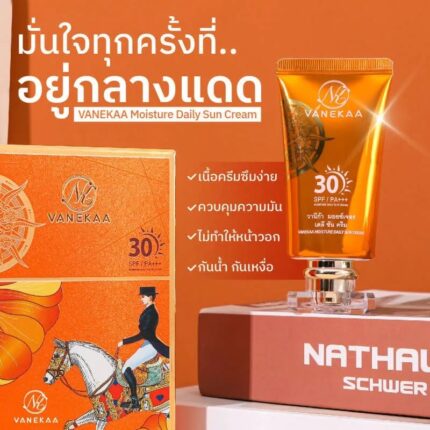 Sale
SaleOriginal price was: ৳ 650.00.৳ 480.00Current price is: ৳ 480.00.
 Sale
SaleOriginal price was: ৳ 440.00.৳ 308.00Current price is: ৳ 308.00.
 Sale
SaleOriginal price was: ৳ 440.00.৳ 320.00Current price is: ৳ 320.00.
 Sale
SaleOriginal price was: ৳ 2,080.00.৳ 1,456.00Current price is: ৳ 1,456.00.
How it works as an oil control agent
The powder works by physically absorbing oils on the skin surface. When applied, Aluminum Starch Octenylsuccinate captures excess sebum. That action reduces shine and helps makeup stay in place for longer.
Because the particles are small, they blend without leaving a powdery look. This means you get oil control with a natural finish. Dermatologists recommend lightweight mattifying compounds in oily skin routines.
Benefits for makeup and skin care
Many shoppers choose products with Aluminum Starch Octenylsuccinate for visible mattifying results. The ingredient helps powders set makeup and reduce slip in foundations. It also helps primers feel smooth and velvety on skin.
Additionally, the powder can improve product texture and spreadability. Studies show modified starches often enhance sensory feel in cosmetics. As a result, brands can deliver a soft, non-greasy finish.
Common product types that contain it
Aluminum Starch Octenylsuccinate appears in loose powders, pressed powders, and compact foundations. It also shows up in primers and some tinted moisturizers. Many oil-control powders list it high on ingredient panels.
When you shop, look for the name on labels of mattifying products. This ingredient often pairs with silica and kaolin clay for added oil control. Yet it tends to feel silkier than clay alone.
How it compares to other absorbents
Compared with silica, Aluminum Starch Octenylsuccinate is gentler on some skin types. Silica can feel drier, while starch-based powders feel softer. This means sensitive users may prefer starch-based options.
Still, clays like kaolin can offer stronger oil draw. That is why formulators blend ingredients for balanced performance. For example, a mix can give both quick absorption and a smooth finish.
Formulation notes for product performance
Formulators choose Aluminum Starch Octenylsuccinate for its texture and oil affinity. It disperses well in dry blends and creams. This makes it versatile across product categories.
Because the particles are modified, they resist clumping in humid conditions. That property keeps pressed powders and compacts workable. Research indicates modified starches improve shelf stability in many formulas.
Safety and regulatory overview
Authorities review cosmetic ingredients for safety before they reach shelves. Aluminum Starch Octenylsuccinate is widely used and generally regarded as safe. Dermatologists often recommend patch testing new products for sensitive skin.
Although rare, some people may react to new cosmetic ingredients. If irritation occurs, stop use and consult a healthcare professional. Manufacturers follow guidelines and label products to help consumers choose safely.
How to read ingredient labels
Ingredient lists use INCI names, which can look technical at first. Aluminum Starch Octenylsuccinate is the INCI term you will see on labels. That listing helps you identify products with this mattifying compound.
When shopping, place value on short ingredient lists. Fewer additives often mean fewer irritants for sensitive skin. However, a good product balances performance and skin comfort rather than omitting all functional ingredients.
Choosing products for oily and combination skin
Look for lightweight, non-comedogenic formulas if you have oily skin. Aluminum Starch Octenylsuccinate can appear in such formulas to control shine. That makes it a popular choice in primers and setting powders.
For combination skin, prefer products that target the T-zone only. Many setting powders with this ingredient offer sheer application. This allows targeted oil control without overly drying drier areas.
Using it at home: application tips
Apply setting powder sparingly with a soft brush for best results. Tap off excess product to avoid cakey buildup. Then press and sweep lightly across oily areas for even oil control.
If you carry blotting papers, use them first and then apply a light dusting of powder. That method prolongs the mattified look and reduces product waste. As a result, makeup maintains a fresh appearance for longer.
Mixing with other ingredients and preservatives
Formula blends commonly include emollients, pigments, and preservatives. Aluminum Starch Octenylsuccinate works well with common cosmetic stabilizers. This compatibility makes it a favorite in many brands.
Because it is a dry powder, it mixes smoothly into powder and cream bases. That property reduces formulation headaches for manufacturers. Research indicates it can improve spread and feel in multiple bases.
For natural and mineral makeup fans
Some natural and mineral brands use starch-based absorbents instead of heavy talc. Aluminum Starch Octenylsuccinate can act as a gentler alternative for those users. It blends with mineral pigments to give a smooth look.
If you prefer minimal synthetic additives, review the ingredient panel carefully. Some products label the starch origin and processing details. This helps shoppers align choices with personal preferences.
Environmental and sustainability considerations
Starch-based ingredients often derive from plant sources like corn or potatoes. That origin can make them a renewable option. Yet sourcing practices vary between manufacturers.
When sustainability matters to you, check brand transparency and sourcing claims. Many brands publish details about raw material sourcing and manufacturing steps. This means you can choose products that match your values.
Myths and facts about aluminum in the name
The name contains “aluminum,” but the ingredient is not the same as metallic aluminum used in cookware. Aluminum Starch Octenylsuccinate refers to a chemical group attached to starch particles. This attachment helps the powder bind oil more effectively.
Still, some shoppers worry about safety. Studies show cosmetic-grade forms differ from metals in food or industrial uses. Dermatologists note that topical cosmetic ingredients behave differently than ingested metals.
Common combinations and formulations
Brands often pair Aluminum Starch Octenylsuccinate with silica, zinc oxide, or mica. These pairings improve oil control and finish. They also help with pigment dispersion in colored products.
For example, a compact foundation may use the starch for softness and silica for oil absorption. That mix delivers wear, smoothness, and a natural look. Many well-rated powders use such balanced formulas.
Buying tips and what to expect
Expect products with this ingredient to feel smooth and slightly silky to touch. They rarely leave a chalky residue when applied correctly. Many shoppers report better midday appearance after use.
Price does not always equal performance, so test small sizes when possible. If a brand offers a sample, try it in your typical environment. That practice helps reveal how it handles heat and humidity.
Allergy and irritation considerations
Allergic reactions to Aluminum Starch Octenylsuccinate are uncommon. Still, skin reactions can happen with any new cosmetic. Patch testing on the inner wrist helps catch sensitivity before full use.
If irritation appears, discontinue use and seek advice from a dermatologist. They can help determine the cause and suggest alternatives. Meanwhile, lightweight mineral powders may work for reactive skin.
How long does the effect last on skin?
Wear time varies with skin type and activity level. Oily skin may see control for several hours under normal conditions. Sweating or high humidity can shorten the effect and require touch-ups.
As a result, many people keep a compact or blotting papers for midday refresh. That small step restores a mattified look quickly and preserves makeup finish. Consistent use can reduce midday shine across seasons.
Why brands choose this ingredient
Formulators choose Aluminum Starch Octenylsuccinate for balanced performance and feel. The starch base gives a softer touch than some mineral powders. That texture improves consumer satisfaction with many products.
Additionally, the ingredient helps formulas feel less greasy and more refined. Research indicates user preference for smoother sensory experience. This preference often drives brands to include starch-based powders.
DIY and at-home mixing cautions
Some shoppers try to mix powders at home to adjust finish. While low-risk, mixing requires care to avoid contamination. Use clean tools and small batches for short-term use only.
Because the ingredient is a cosmetic-grade powder, store it dry and away from humidity. That keeps texture consistent and prevents clumps. If you are unsure, buy a ready-made product tested for stability.
Label terms to recognize
Look for the exact term Aluminum Starch Octenylsuccinate on ingredient lists. Other related terms may include modified starch or starch octenylsuccinate. That language helps you identify similar starch-based products.
When a product lists “mattifying compound” in marketing materials, check the INCI names. That helps confirm presence of the ingredient or its alternatives. Accurate label reading avoids surprises when you use a product.
Pairing with skin care steps
Use a lightweight moisturizer before applying mattifying products. Well-hydrated skin prevents over-drying while keeping powder smooth. Then apply primer or foundation with Aluminum Starch Octenylsuccinate if you need oil control.
For example, apply moisturizer, wait a minute, then use a primer with oil control. That sequence improves makeup adherence and reduces patchiness. Small routine changes can make a noticeable difference.
When to avoid it
People with very dry skin may find heavy use of mattifying powders uncomfortable. In that case, use the product sparingly and only on oily zones. You can also mix a bit of moisturizer into foundation to balance dryness.
If you have known starch allergies, avoid products with modified starches. Carefully read labels or consult a dermatologist for personalized advice. They can suggest alternatives that meet your needs.
Frequently Asked Questions
Is Aluminum Starch Octenylsuccinate safe for daily use?
Yes, cosmetic-grade Aluminum Starch Octenylsuccinate is considered safe for daily topical use by many manufacturers. Most people tolerate it well, and reactions are uncommon. Still, test a small area if you have sensitive skin.
Will it clog pores or cause breakouts?
The ingredient itself is not inherently comedogenic for most people. However, product formulation and skin type affect pore blockage risk. Look for non-comedogenic labeling and oil-free formulas if you worry about breakouts.
Can it replace blotting papers or oily skin powders?
While it helps control oil, it may not fully replace blotting papers in all situations. Blotting papers remove surface oil without disturbing makeup. Use a light dusting of product after blotting for longer-lasting mattiness.
Does it work for all skin tones and types?
Yes, Aluminum Starch Octenylsuccinate is colorless and suits all skin tones when used properly. It is most helpful for oily and combination skin types. Drier skin types should use it sparingly on targeted areas.
Final Thoughts
Aluminum Starch Octenylsuccinate offers a practical way to control oil and achieve a matte finish without heavy feel. As a widely used oil absorbing powder ingredient and mattifying compound, it balances performance and comfort. Try a sample or travel size before committing to a full product to see how it works with your skin type.