
Aloe Barbadensis Leaf Extract: Benefits Guide

Dry, tight, or easily upset skin can make product shopping feel harder than it should. Aloe Barbadensis Leaf Extract appears on many labels because shoppers want gentle hydration and comfort. This plant-based ingredient can help you pick skin care with more confidence.
What Is Aloe Barbadensis Leaf Extract?
Aloe Barbadensis Leaf Extract comes from the leaves of the aloe vera plant. The plant stores a clear gel inside thick leaves. That gel contains mostly water, along with sugars, minerals, amino acids, and plant compounds. Research indicates these compounds can help support moisture and skin comfort.
Because aloe has such high water content, it works well in light gels, creams, lotions, cleansers, and after-sun products. Cosmetic chemists often choose Aloe Barbadensis Leaf Extract when they want a soft, fresh skin feel. This means shoppers often see it in products made for dry, sensitive, or post-shave skin.
Why the botanical name matters
The name Aloe Barbadensis Leaf Extract tells you the brand uses a plant-derived aloe ingredient. The term “Aloe barbadensis” refers to the aloe vera species used most often in cosmetics. When you see this name, you can compare labels more easily. However, the final product still matters more than one ingredient.
Some products list aloe juice, aloe leaf water, or aloe extract. These names can refer to similar aloe-based materials. Still, Aloe Barbadensis Leaf Extract often signals a prepared extract, not a raw plant leaf. Because formulas differ, two aloe products may feel very different on skin.
How it differs from raw aloe gel
Raw aloe gel comes straight from the leaf. Aloe Barbadensis Leaf Extract in cosmetics usually goes through cleaning, filtering, and quality checks. This helps remove unwanted plant matter and improves formula stability. Dermatologists often prefer finished products over home-cut leaves for routine skin care.
When you cut a fresh aloe leaf, yellow latex can sit near the rind. That latex may irritate skin for some people. Cosmetic suppliers process aloe materials to reduce that risk. As a result, a well-made product can feel more predictable than a kitchen remedy.
Recommended Products
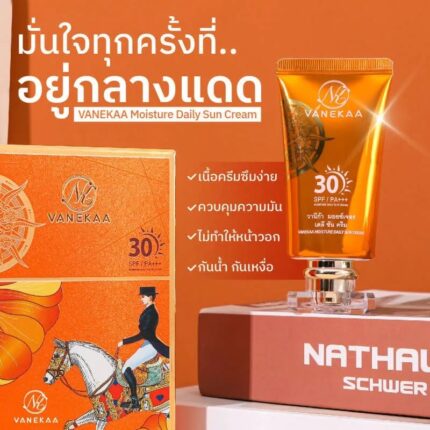 Sale
SaleOriginal price was: ৳ 650.00.৳ 480.00Current price is: ৳ 480.00.
 Sale
SaleOriginal price was: ৳ 600.00.৳ 450.00Current price is: ৳ 450.00.
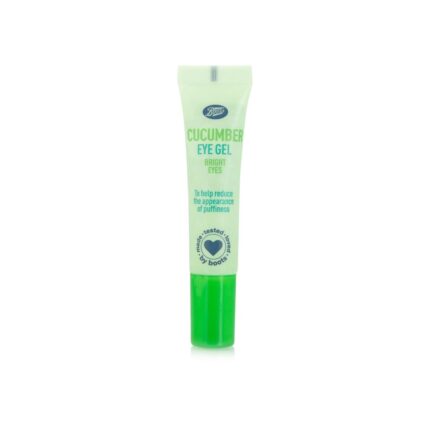 Sale
SaleOriginal price was: ৳ 700.00.৳ 550.00Current price is: ৳ 550.00.
 Sale
SaleOriginal price was: ৳ 435.00.৳ 350.00Current price is: ৳ 350.00.
View DetailsAloe Barbadensis Leaf Extract Skin Benefits
Aloe Barbadensis Leaf Extract is best known for hydration and soothing support. Studies show aloe gel contains polysaccharides, which are plant sugars that help bind water. These sugars can give skin a plumper and calmer look. Because of this, aloe appears in many daily moisturizers and calming gels.
The ingredient does not work like a heavy oil or thick butter. Instead, Aloe Barbadensis Leaf Extract often gives a cool and light feel. This makes it useful for oily, combination, and warm-weather skin care. Still, dry skin usually needs oils or barrier creams with it.
Hydration support
Hydrated skin looks smoother and feels less tight. Aloe Barbadensis Leaf Extract adds water-based comfort to a formula. When paired with humectants like glycerin or hyaluronic acid, it can improve the fresh feel of a product. Research supports the role of aloe sugars in water-binding skin care.
However, water alone can leave the skin quickly. A moisturizer should also include ingredients that slow water loss. For example, squalane, dimethicone, shea butter, or fatty alcohols can help seal hydration. That is why aloe works best as part of a balanced formula.
Soothing support
Many people use aloe after sun, shaving, waxing, or a drying cleanser. Aloe Barbadensis Leaf Extract can help skin feel cooler and less tight. Studies suggest aloe compounds may support the skin’s natural calming response. This does not make it a cure for burns or rashes.
When skin feels stressed, choose simple formulas with fewer fragrance ingredients. Aloe may help comfort the surface, yet harsh alcohols can undo that benefit. So, the full ingredient list still deserves attention. Sensitive skin often responds better to bland, low-fragrance products.
Barrier-friendly comfort
Your skin barrier is the outer layer that helps keep water in. It also helps keep irritants out. Aloe Barbadensis Leaf Extract can support a comfortable barrier feel by adding light hydration. Dermatologists often link better hydration with better barrier function.
Although aloe feels gentle for many users, it cannot repair every barrier problem alone. A damaged barrier often needs ceramides, cholesterol, and fatty acids. These lipids occur naturally in the skin barrier. Pairing aloe with them can make a product more useful for dry skin.
How Aloe Works in Skin Care Formulas
Aloe Barbadensis Leaf Extract does not act as one single chemical. It brings a mix of water, plant sugars, amino acids, and trace minerals. Cosmetic scientists value this mix for texture and skin feel. Because aloe is water-rich, it usually fits into the water phase of a formula.
Formulators can use Aloe Barbadensis Leaf Extract in gels, mists, serums, lotions, and creams. The final feel depends on thickeners, oils, emulsifiers, and preservatives. This means an aloe serum may feel weightless, while an aloe cream may feel rich. The label name alone cannot tell the full story.
Humectant-like action
A humectant attracts and holds water. Aloe Barbadensis Leaf Extract can act in a humectant-like way because of its plant sugars. These sugars help add a soft, moist feel to skin. When the air feels dry, a sealing cream may improve results.
For example, a gel with aloe and glycerin may suit humid weather. In winter, that same gel may not feel enough. You may need a cream on top. This approach helps trap the hydration that aloe and other humectants provide.
Cooling texture
Aloe products often feel cool because they contain a lot of water. As that water spreads across skin, it gives quick relief from heat or tightness. Aloe Barbadensis Leaf Extract can support that sensory effect. This is one reason after-sun gels often feature aloe.
Still, cooling does not always mean healing. Menthol, peppermint, and high alcohol can also feel cool. Yet those ingredients may irritate some skin types. Choose aloe products that cool without a sting or sharp scent.
Formula stability
Finished aloe products need preservatives because water-rich formulas can grow microbes. Reputable brands test products for safety and stability. Aloe Barbadensis Leaf Extract must work well with these systems. Without proper preservation, even a natural product can become unsafe.
Because of this, shoppers should avoid old, separated, or strange-smelling aloe products. Packaging also matters. Pumps and tubes expose the formula to less air and finger contact. Jars can still work, but clean hands matter more.
Reading the Aloe Vera Extract Ingredient Label
The aloe vera extract ingredient can appear in several places on a label. Ingredients usually appear in order from highest to lowest amount, until very low levels. If Aloe Barbadensis Leaf Extract sits near the top, the product may contain more aloe. If it appears near the end, the amount may be small.
However, placement does not always show performance. A small amount of a strong active can still matter. Aloe is usually a support ingredient, not a high-strength active. So, judge the whole formula and the product’s purpose.
Common label names
You may see Aloe Barbadensis Leaf Extract, Aloe Barbadensis Leaf Juice, or Aloe Barbadensis Leaf Water. These names are related, but they can describe different raw materials. Juice often means a more direct leaf-derived liquid. Extract may mean aloe material prepared with a solvent or carrier.
Because brands do not always explain the source, label reading has limits. Still, the botanical name helps confirm you are seeing aloe vera. If a product only says “aloe” in marketing, check the ingredient list. The exact label name gives you a clearer clue.
Where aloe should sit
Aloe Barbadensis Leaf Extract near the first few ingredients may support a stronger aloe story. This can matter in gels, masks, and after-sun products. Yet a product can still work if aloe sits lower. Other humectants or barrier ingredients may carry the formula.
When you want a strong aloe feel, look for water-based textures. Gels, gel creams, and lightweight lotions often show aloe’s fresh character. Rich balms may hide that feel under oils and waxes. This is not bad, but it changes the experience.
Ingredients that pair well
Aloe Barbadensis Leaf Extract pairs well with glycerin, panthenol, allantoin, and hyaluronic acid. These ingredients help add water, comfort, or softness. Dermatologists often recommend these kinds of simple hydrators for sensitive skin. Together, they can make a product feel calm and cushiony.
For dry skin, aloe also pairs well with ceramides and petrolatum. Ceramides help support the skin barrier. Petrolatum helps reduce water loss from the skin surface. As a result, aloe hydration lasts longer and feels more useful.
Best Uses for Aloe Barbadensis Leaf Extract
Aloe Barbadensis Leaf Extract works best when you match it to a clear need. It can suit daily hydration, post-sun comfort, shaving care, and light soothing routines. Because it feels fresh, many shoppers reach for aloe during hot weather. It also fits simple routines for people who dislike heavy creams.
Product type matters more than marketing claims. A rinse-off cleanser with aloe may feel gentle, but it has little contact time. A leave-on gel or cream gives Aloe Barbadensis Leaf Extract more time on the skin. That may improve the feeling of comfort.
Daily facial moisturizer
Aloe Barbadensis Leaf Extract can help a face moisturizer feel light and fresh. It suits people who want hydration without a greasy finish. When paired with niacinamide or panthenol, it may support a calm-looking skin tone. Studies show hydrated skin often looks smoother and more even.
For oily skin, choose a gel cream with aloe and oil-free hydrators. For dry skin, choose a cream with aloe plus lipids. This means the product can hydrate and seal at the same time. A simple match often works better than a long claim list.
After-sun care
Aloe has a long history in after-sun products. Aloe Barbadensis Leaf Extract can cool the skin surface and reduce the feeling of tightness. However, severe sunburn needs medical care. Blistering, fever, or strong pain should not rely on a cosmetic gel.
When choosing after-sun care, avoid strong fragrance and high alcohol. These can sting warm or stressed skin. A gentle aloe gel with glycerin may feel better. Store it in a cool place if you enjoy a chilled sensation.
Post-shave and body care
Shaving can leave skin dry, itchy, or rough. Aloe Barbadensis Leaf Extract can help a post-shave lotion feel soothing and light. Research on aloe supports its use in comfort-focused skin products. Still, razor bumps or infections need the right care.
For body care, aloe works well in lotions for arms, legs, and hands. It spreads easily and absorbs without a heavy film. When skin feels very dry, use a thicker cream over it. This helps keep water from leaving too fast.
Who Should Consider Aloe Products?
Aloe Barbadensis Leaf Extract can fit many skin types. It often appeals to shoppers with dry, normal, combination, or mildly sensitive skin. Because it feels light, it can also suit people who dislike oily textures. Still, every skin type can react to any ingredient.
Dermatologists recommend patch testing new products, especially for reactive skin. This simple step helps you spot problems before applying a product to your face. Apply a small amount to a discreet area for a few days. If redness or itching appears, stop using it.
Dry skin
Dry skin needs water and oil balance. Aloe Barbadensis Leaf Extract can help with the water side. However, dry skin often needs richer ingredients to slow moisture loss. Look for aloe creams with ceramides, shea butter, dimethicone, or petrolatum.
Because dry skin can crack or flake, avoid relying on aloe gel alone. A gel may feel good at first, then tight later. Seal it with a cream if needed. This layered routine can improve comfort through the day.
Oily and combination skin
Oily skin still needs hydration. Aloe Barbadensis Leaf Extract can add a fresh feel without heavy residue. This makes it useful in gel moisturizers and lightweight serums. Studies show oily skin can still become dehydrated when cleansed too often.
When shopping, look for non-comedogenic claims if clogged pores concern you. This term means the product aims not to block pores. It does not promise perfect results for every person. Still, it can guide shoppers toward lighter formulas.
Sensitive skin
Sensitive skin often reacts to fragrance, harsh acids, and strong scrubs. Aloe Barbadensis Leaf Extract may support comfort in gentle products. However, aloe itself can trigger allergy in a small number of people. That is why patch testing matters.
Choose formulas with short ingredient lists when your skin feels reactive. Avoid essential oils if they often bother you. Although natural scents sound gentle, they can still irritate. A fragrance-free aloe cream may suit sensitive skin better.
What Aloe Can and Cannot Do
Aloe Barbadensis Leaf Extract has useful skin care roles, but it has limits. It can hydrate, soften, and help skin feel calmer. It cannot replace sunscreen, prescription medicine, or treatment for serious skin disease. Clear expectations help you avoid wasted money.
Research indicates aloe may support wound comfort in certain settings. Yet cosmetic products cannot claim to treat wounds or medical conditions. A store-bought moisturizer serves a different purpose. It supports the look and feel of healthy skin.
What it can do well
Aloe Barbadensis Leaf Extract can improve the sensory feel of a product. It can make a gel feel fresher and a lotion feel more soothing. It also supports water-based hydration. This makes it useful in many daily skin care routines.
For example, aloe can help soften skin after cleansing. It can also comfort skin after sun exposure or shaving. When combined with barrier helpers, it can feel even better. That is why many balanced formulas include aloe with other proven hydrators.
What it cannot replace
Aloe Barbadensis Leaf Extract does not replace sunscreen. Sun protection needs tested UV filters and correct use. Aloe may help skin feel better after sun, but it cannot block UV rays. Daily sunscreen remains the best cosmetic step for sun aging prevention.
It also does not replace acne, eczema, or rosacea treatment. These conditions can need medical guidance. Aloe may support comfort, yet it cannot fix the root cause. See a qualified clinician if symptoms persist or worsen.
Why claims need context
Marketing may make aloe sound like a cure for every concern. Aloe Barbadensis Leaf Extract deserves praise, but context matters. The amount used, the formula base, and your skin type all shape results. No single ingredient solves every skin issue.
Because shoppers often compare products quickly, front-label claims can feel convincing. The ingredient list tells a better story. Look for aloe alongside ingredients that match your goal. This helps you choose a product that fits real needs.
How to Choose a Good Aloe Product
A good aloe product should match your skin type, climate, and routine. Aloe Barbadensis Leaf Extract can appear in budget products and premium formulas. Price alone does not prove quality. Instead, judge texture, supporting ingredients, packaging, and irritation risk.
Dermatologists often recommend simple, consistent routines over crowded shelves. A gentle cleanser, moisturizer, and sunscreen meet most basic needs. Aloe can support that routine when your skin needs comfort. The best product should feel good enough for steady use.
Check the texture
Texture affects how often you will use a product. Aloe Barbadensis Leaf Extract in a gel may feel cool and quick. In a lotion, it may feel softer and more balanced. In a cream, it may support comfort without a watery finish.
When testing in a store, apply a small amount to your hand. Notice whether it feels sticky, tight, greasy, or smooth. A little tackiness can come from humectants. However, heavy stickiness may bother you on the face.
Look for support ingredients
Aloe works best with a team. Aloe Barbadensis Leaf Extract plus glycerin can boost a hydrated feel. Aloe plus panthenol can feel soothing. Aloe plus ceramides can better suit dry or barrier-stressed skin.
For example, a hydrating soothing compound blend may include aloe, glycerin, and allantoin. This type of mix can help reduce the feeling of dryness. It can also make a product feel mild. Still, avoid ingredients that have bothered your skin before.
Watch fragrance and alcohol
Fragrance can make a product smell pleasant, yet it can irritate some users. Aloe Barbadensis Leaf Extract often appears in products marketed as soothing. A strong scent may not match that goal. Sensitive shoppers should consider fragrance-free options first.
Alcohol denat can make gels dry fast and feel weightless. However, it may sting or dry some skin types. If your skin feels tight after use, the formula may not suit you. Choose a gentler base instead.
Consider packaging
Packaging affects freshness and ease of use. Aloe Barbadensis Leaf Extract sits in water-based formulas that need clean handling. Pumps and tubes can reduce repeated finger contact. This can help keep the product pleasant during normal use.
Clear jars may look nice, but light and air can affect some ingredients. Aloe itself is not the only concern. Other soothing or antioxidant ingredients may need better protection. When possible, choose packaging that fits daily hygiene.
How to Use Aloe in Your Routine
Aloe Barbadensis Leaf Extract fits well into morning and night routines. Apply leave-on aloe products after cleansing and before heavier creams. This order helps water-based hydration reach the skin first. Then a cream can help seal it in.
Because routines can become confusing, start with one aloe product at a time. This helps you see how your skin responds. If you add several products at once, you may not know what helped. Slow changes make results easier to track.
Morning use
In the morning, Aloe Barbadensis Leaf Extract can add light hydration before sunscreen. Use a gel, serum, or lotion after cleansing. Let it settle for a minute if it feels tacky. Then apply sunscreen as the final daytime step.
When your sunscreen already feels moisturizing, you may not need a separate aloe product. Oily skin may prefer fewer layers. Dry skin may need both aloe hydration and a cream. Adjust based on how your skin feels by midday.
Night use
At night, Aloe Barbadensis Leaf Extract can help calm the feel of skin after cleansing. Apply it before a richer moisturizer if your skin feels dry. This can make the routine feel more comfortable. Night use also works well after shaving or mild dryness.
If you use retinoids or exfoliating acids, choose aloe products with care. Fragrance-free and simple formulas often pair better with strong actives. However, aloe cannot erase irritation from overuse. Reduce active frequency if your skin keeps burning or peeling.
Layering with other products
Layer thin products before thick products. Aloe Barbadensis Leaf Extract often appears in thin gels or serums. Apply those before oils, balms, or occlusive creams. This order helps avoid trapping a watery product on top.
Still, skin care does not need many steps. If a moisturizer already contains aloe, you may not need an aloe serum. A simple routine can work very well. Choose extra steps only when they solve a clear problem.
Safety, Sensitivity, and Patch Testing
Aloe Barbadensis Leaf Extract suits many people, but no ingredient suits everyone. Some users may feel itching, redness, burning, or bumps. These reactions can come from aloe or from other formula ingredients. Because of this, patch testing gives useful protection.
Cosmetic safety groups review common ingredients for safe use levels. Aloe materials have a long history in skin care. Still, safety depends on purity, processing, preservation, and formula design. Buy from brands that follow quality controls and give clear labels.
How to patch test
Apply a small amount of the product to the inner arm or behind the ear. Use it once daily for several days. Watch for itching, swelling, redness, or burning. If your skin reacts, wash the area and stop use.
When testing face products, do not start on your whole face. Facial skin can react more strongly than arm skin. A small jawline test can help after the first patch test. This step matters more if you have sensitive skin.
When to avoid aloe
Avoid Aloe Barbadensis Leaf Extract if you know you react to aloe. Also avoid applying cosmetics to open wounds unless a clinician says otherwise. Store-bought skin care products serve cosmetic needs. They do not replace sterile wound care.
If a product stings each time, do not push through it. Stinging can signal barrier stress or irritation. Although some actives tingle by design, soothing aloe products should feel comfortable. Choose a gentler product if discomfort continues.
Special groups
Pregnant shoppers often choose gentle skin care, but needs can vary. Aloe Barbadensis Leaf Extract in normal cosmetics usually serves a topical hydration role. However, ask a clinician about any concern during pregnancy or nursing. This is especially true for medicated products.
Children can have more reactive skin than adults. Use simple, fragrance-free products for them when possible. Avoid using adult after-sun gels on infants without guidance. Pediatric skin care should stay mild and age-appropriate.
Common Myths About Aloe
Aloe Barbadensis Leaf Extract has a positive reputation, yet myths can lead to poor choices. Many shoppers think “natural” always means gentle. Others expect aloe to solve every dry or red patch. Real skin care works better when claims stay realistic.
Studies support aloe’s role in hydration and comfort, but formulas still vary. A great aloe product can help your routine. A poor formula can feel sticky, drying, or irritating. The brand’s overall design matters as much as the featured plant.
Myth: More aloe is always better
More Aloe Barbadensis Leaf Extract does not always mean better results. A high-aloe gel may still lack ingredients that seal moisture. It may also feel sticky if the base does not suit you. Balance often beats high amounts.
For dry skin, a lower amount of aloe in a rich cream may help more. That cream may hold water better over time. For oily skin, a lighter aloe gel may feel ideal. Your skin type should guide the choice.
Myth: Natural means non-irritating
Natural ingredients can still irritate skin. Aloe Barbadensis Leaf Extract usually feels gentle, but allergies can happen. Essential oils, citrus extracts, and fragrance compounds may also appear in natural products. These extras can cause problems for reactive skin.
Because of this, read the full label. Do not rely only on the word “natural.” A plain formula often suits sensitive skin better than a heavily scented botanical blend. Simple choices can reduce risk.
Myth: Aloe replaces moisturizer
Aloe Barbadensis Leaf Extract can hydrate, but it may not moisturize enough alone. Moisturizing often needs both water and ingredients that slow water loss. Aloe gels usually provide the water-rich part. Creams and balms often provide the sealing part.
If your skin feels tight after an aloe gel dries, add a moisturizer. This does not mean the aloe failed. It means your skin needs more barrier support. Layering can turn a light gel into a more useful step.
Shopping Tips for General Buyers
Aloe Barbadensis Leaf Extract appears in many product categories, so shopping can feel crowded. Focus first on your skin concern. Then match the product type to that concern. A clear goal helps you avoid buying every aloe product you see.
Reviews can help, but they cannot predict your exact result. Skin type, climate, age, and routine change how products perform. Use reviews to spot patterns, like stickiness or scent strength. Then compare those patterns with your own preferences.
For facial products
Choose facial aloe products based on skin type. Aloe Barbadensis Leaf Extract in a gel cream may suit oily or combination skin. A cream with aloe and ceramides may suit dry skin better. Sensitive skin should start with fragrance-free options.
When shopping online, read the full ingredient list before buying. Look beyond front-label phrases. Check return policies if your skin reacts often. This helps reduce waste and buyer regret.
For body products
Body lotions with Aloe Barbadensis Leaf Extract can feel light and easy to spread. They work well after showers, when skin still feels slightly damp. This timing helps trap water on the skin surface. Dermatologists often suggest moisturizing soon after bathing.
For very dry elbows, knees, or feet, choose thicker creams. Aloe can still play a comfort role in those products. However, rough areas often need stronger sealing ingredients. Petrolatum, urea, and lactic acid may help depending on tolerance.
For after-sun products
After-sun shoppers often want fast relief. Aloe Barbadensis Leaf Extract can help a product feel cooling and soothing. Look for simple gels or lotions without strong fragrance. Avoid numbing ingredients if they tend to irritate your skin.
However, after-sun care is not sun protection. Use sunscreen, shade, hats, and protective clothing before exposure. If sunburn becomes severe, seek medical advice. Cosmetics should not cover up serious damage.
Frequently Asked Questions
Is Aloe Barbadensis Leaf Extract good for skin?
Yes, Aloe Barbadensis Leaf Extract can support hydration and a soothing skin feel. It works best in a balanced formula with humectants, barrier helpers, or gentle moisturizers. Patch test first if your skin reacts easily.
Can Aloe Barbadensis Leaf Extract clog pores?
Aloe Barbadensis Leaf Extract itself feels light and water-based in many formulas. However, the full product can still clog pores if it contains heavier oils or waxes. Choose non-comedogenic products if breakouts concern you.
Is aloe extract better than aloe juice?
Neither is always better. Aloe extract, juice, and leaf water can all work well when the formula suits your skin. The product’s full ingredient list matters more than the aloe form alone.
Can I use Aloe Barbadensis Leaf Extract every day?
Most people can use Aloe Barbadensis Leaf Extract daily in a well-made cosmetic product. Stop if you notice burning, itching, swelling, or repeated redness. Daily use works best when the product matches your skin type.
Final Thoughts
Aloe Barbadensis Leaf Extract is a useful skin care ingredient for hydration, comfort, and a fresh feel. It works best when the whole formula supports your skin type and avoids your known triggers. Choose a simple, well-labeled product, patch test it, and pair it with moisturizer or sunscreen as needed.