
Adapalene: Complete Guide to Acne Treatment

Acne can feel frustrating and stubborn, especially when over-the-counter creams do not help. Adapalene is a topical retinoid acne treatment ingredient that many people find effective for mild to moderate acne. This guide explains how it works, how to use it safely, and what to expect.
What is Adapalene?
Adapalene is a synthetic retinoid used on the skin to treat acne. Dermatologists recommend it for comedonal acne and some inflammatory acne types. Studies show topical retinoids help normalize skin cell turnover and reduce clogged pores.
Because adapalene is stable in sunlight compared with older retinoids, patients can use it with more flexibility. Research indicates it causes less irritation than some earlier retinoids while keeping strong acne-fighting activity. For many, this means clearer skin with steady use over weeks.
Recommended Products
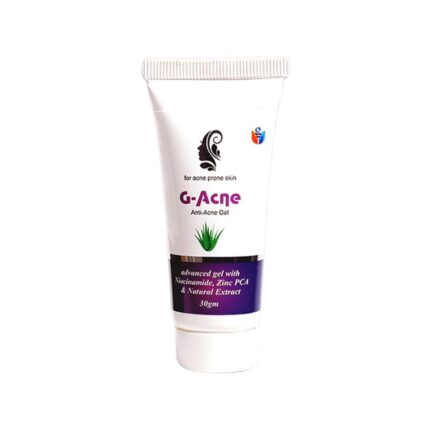 Sale
SaleOriginal price was: ৳ 1,350.00.৳ 1,250.00Current price is: ৳ 1,250.00.
How Adapalene Works on the Skin
Adapalene binds to specific receptors in skin cells to change how they mature. As a result, the skin sheds cells more evenly and plugs form less often. Studies show this mode of action reduces both new comedones and inflammatory lesions over time.
When the skin renews itself at a healthier pace, oil and bacteria have less chance to trap dead cells and form bumps. For example, users often see fewer blackheads and whiteheads after several weeks. That is why experts advise consistent nightly use for the best results.
Biological effects in simple terms
Adapalene reduces inflammation that drives many pimples and swelling. It also helps keep pores clear by promoting steady cell shedding. This combined effect fights both the blocked pores and the redness that follows.
Research and clinical observations
Research indicates patients start to see improvement in four to twelve weeks depending on severity. Dermatologists report visible reduction in lesion count with continued use. However, early irritation can occur, which often lessens after the skin adapts.
Who Can Use Adapalene?
Many teens and adults with mild to moderate acne can use adapalene. Doctors recommend a medical evaluation for severe cystic acne before starting any topical retinoid. Studies show adapalene is often effective alone or with other topical agents for many patients.
Because it is a prescription vitamin A compound in many formulations, some strengths require a clinician’s approval. Over-the-counter lower-strength options also exist in some regions. That means choices vary by local regulations and product lines.
Available Formulations and Strengths
Adapalene comes in creams, gels, and lotions at several concentrations. Typical strengths include lower-dose versions sold without prescription in some countries. Prescription strengths allow clinicians to match treatment to acne severity and skin sensitivity.
When choosing a product, consider your skin type and tolerance to retinoids. For example, sensitive or dry skin may do better with cream formulations that feel gentler. That is why patch testing or gradual introduction is often recommended by clinicians.
How to Use Adapalene Safely
Start with a small amount applied at night to clean, dry skin. Apply a pea-sized amount for the face and spread it thinly over the affected areas. Dermatologists recommend once-daily use at night for most people.
When starting, use the product every other night if your skin reacts with redness or flaking. Then increase frequency as your skin tolerates it. Because sun exposure can increase irritation, use a broad-spectrum sunscreen daily while using adapalene.
Step-by-step application tips
Wash your face with a mild cleanser and pat it dry before applying. Next, place a pea-sized dot on the forehead, cheeks, chin, and nose. Spread gently and avoid the eyelids, lips, and mucous membranes.
If your skin becomes very dry, use a non-comedogenic moisturizer over the treated areas. This approach reduces flaking while maintaining the treatment effect. That means you can continue therapy with less discomfort.
When to see a clinician
See your clinician if irritation persists or acne worsens after eight to twelve weeks. A provider can adjust dose, change formulation, or add supportive treatments. This ensures safe long-term care and better outcomes.
Common Side Effects and How to Manage Them
Mild redness, dryness, peeling, and burning are common in the first weeks. These effects often peak early and then decrease as the skin adapts. Research indicates most people tolerate the medication with the right supportive care.
For example, regular use of a gentle moisturizer can reduce flaking and tightness. When irritation is severe, reduce application frequency or switch to a lower strength. Dermatologists sometimes recommend brief pauses in use while the skin heals.
Practical tips for irritation
Start with a short contact period by applying the product after other evening routines. Use a moisturizer before the treatment if your skin is reactive. That method can act as a buffer and lower irritation risk.
Avoid other active acne treatments when beginning adapalene to reduce overlapping irritation. If you must use benzoyl peroxide or acids, space them apart in your routine or ask your clinician. This strategy helps the skin adjust without excess stress.
Combining Adapalene with Other Acne Treatments
Adapalene mixes well with some acne drugs but needs care with others. For instance, combining it with benzoyl peroxide is common and effective for many patients. Clinical studies show the combination reduces lesions more than either agent alone in several cases.
However, pairing adapalene with harsh exfoliants, strong acids, or high-concentration benzoyl peroxide may increase irritation. That means you should add one new product at a time. Ask a clinician about combining topical antibiotics, oral medications, or hormonal therapy if needed.
Using adapalene with benzoyl peroxide
Many regimens use adapalene plus benzoyl peroxide to target multiple acne causes. The retinoid clears pore blockages while benzoyl peroxide reduces bacteria and inflammation. Studies show this dual approach can speed improvement compared with single agents.
Oral medications and adapalene
In moderate to severe acne, clinicians may add oral antibiotics or hormonal treatments to topical adapalene. For severe cystic acne, isotretinoin is considered but requires specialist oversight. That is why a clinician should guide combined therapies.
How Long Until You See Results?
Most users see some improvement after four to twelve weeks of steady use. Full effects often appear after three to six months for many users. Research indicates consistent nightly use yields better long-term control than sporadic use.
Because the skin cycle takes time, patience matters with adapalene. If your acne is stubborn, clinicians may adjust therapy or add complementary treatments. Always follow guidance to avoid stopping too early and losing progress.
Adapalene vs Other Retinoids
Adapalene tends to cause less irritation than some older retinoids while offering similar benefits. Tretinoin and tazarotene remain effective but can irritate sensitive skin more often. Dermatologists choose agents based on skin type, severity, and patient tolerance.
For example, tazarotene can show quicker improvement in some cases but increases dryness risk. Adapalene can be a preferred choice for patients starting retinoid therapy. That is why clinicians often recommend it as an entry retinoid.
Key differences in plain terms
Adapalene is chemically stable and less likely to break down with light exposure. Tretinoin can degrade with light and often requires night-only use. This practical difference affects daily routines and storage needs.
When another retinoid may be preferred
Some patients benefit from a stronger retinoid when acne resists milder treatments. In such cases, clinicians may try other options under supervision. That approach balances effectiveness against the risk of irritation.
Safety in Pregnancy and Breastfeeding
Topical retinoids, including adapalene, are generally not recommended during pregnancy. Many clinicians advise avoiding prescription vitamin a compound topical treatments when pregnant. Because systemic absorption is low, the risk differs from oral vitamin A derivatives, but caution remains standard.
If you are pregnant or planning pregnancy, speak with your clinician about safer alternatives. For breastfeeding, consult a provider for personalized advice. That way, you make a decision that protects both you and your baby.
Children and Teen Use
Adapalene is commonly prescribed for teenagers with acne and can be safe when used as directed. Studies show improved outcomes in adolescent acne with topical retinoids. However, pediatric use should follow a clinician’s guidance to ensure proper dosing and monitoring.
For younger children, a clinician will weigh benefits and risks carefully. That includes considering skin sensitivity and daily routines. Parents should follow instructions and report any severe reactions promptly.
Shopping Tips: What to Look For
Look for clear labeling on concentration, formulation, and usage instructions. Choose non-comedogenic moisturizers and sunscreens to support therapy. Many pharmacies and clinics offer both prescription and over-the-counter options depending on local rules.
When cost is a concern, ask about generic versions which can be less expensive. Generic adapalene products contain the same active ingredient and can be equally effective. That is why comparing prices and asking your clinician about generics helps manage costs.
Over-the-Counter vs Prescription Options
Over-the-counter adapalene is available in lower strengths in some regions, offering easy access. Prescription strengths may provide faster or stronger results and require a clinician for direction. Research indicates both paths can work when used consistently and correctly.
Because product strength and formulation affect tolerance, a clinician can help pick the best option. If side effects appear, a prescription can be adjusted more precisely. That ensures care matches your skin’s needs.
Storage and Handling
Store topical adapalene at room temperature away from direct heat. Keep the tube capped to avoid contamination and drying. For gels, avoid extreme cold to keep the formulation stable and easy to apply.
Dispose of expired products and follow local guidelines for medication disposal. When traveling, keep the product in a secure container and protect it from high temperatures. That helps maintain effectiveness.
Cost and Insurance Considerations
Costs vary by brand, strength, and region, with generics often costing less. Insurance coverage may apply to prescription formulations but often not to over-the-counter options. Ask your clinician or pharmacist about cost-saving programs and generic equivalents.
Some clinics provide samples or coupons to help patients start therapy affordably. Research shows that cost barriers can prevent consistent use, so discussing affordability is important. That way, patients can maintain therapy and see results.
Common Myths and Misconceptions
Myth: Retinoids will make acne worse forever. Reality: Some people see initial flares, but long-term clearing is common. Dermatologists explain that initial purging often precedes improvement.
Myth: You should avoid all sun exposure on adapalene. Reality: While photosensitivity increases, sunscreen allows safe daytime activities. For example, daily sunscreen use reduces risk of irritation while continuing treatment.
When Adapalene May Not Work
Adapalene may be less effective for severe nodulocystic acne on its own. In such cases, clinicians may prescribe oral medications or other therapies. That is why a treatment plan tailored to severity gives the best chance of control.
Nonadherence is another common reason for poor results. Patients who skip doses or stop early often see limited improvement. Therefore, setting realistic expectations and following guidance increases success.
Real User Experiences and Expectations
Many users report gradual clearing and fewer new breakouts after consistent use. Some people experience irritation early, which fades over weeks. Research indicates steady application improves outcomes compared with irregular use.
For example, users who combine adapalene with gentle skincare and sunscreen often keep clearer skin longer. Listening to your clinician and adapting routines helps manage side effects. That means patience and care lead to better results.
Environmental and Lifestyle Tips While Using Adapalene
Avoid harsh scrubs and chemical peels while starting therapy to limit irritation. Choose gentle cleansers and hydrating, non-comedogenic moisturizers. Because stress and diet can influence acne, balanced habits support skin health alongside topical treatment.
For example, maintain regular sleep, limit heavy oil-based cosmetics, and remove makeup before bed. These small habits support the medication and help it perform better. That means skincare is a team effort rather than a single solution.
Adapalene and Skin Types
Dry or sensitive skin may require cream formulations and slower introduction to reduce irritation. Oily or acne-prone skin often tolerates gels that penetrate well. Dermatologists assess skin type to recommend the best formulation and frequency.
Combination skin may need spot treatment plus moisturization on dry areas. For redness-prone skin, start at lower frequency and add moisturizer. This tailored approach helps most people maintain comfort while treating acne.
Adapalene for Body Acne
Body acne on the chest and back can respond to topical retinoids like adapalene when applied correctly. Use slightly larger amounts while still following dose guidance to cover affected areas. Studies and clinical experience show reductions in body lesions with consistent use.
For extensive body acne, a clinician may combine topical therapy with oral options. Also, wear breathable clothing and shower after heavy sweating to lower irritation risk. These steps boost treatment effectiveness and comfort.
How Clinicians Monitor Progress
Clinicians track lesion counts, severity, and side effects during follow-up visits. They may take photos to compare progress objectively over time. This monitoring helps adjust the plan early when needed.
For persistent issues, clinicians add or change therapies to meet goals. That may include antibiotics, hormonal agents, or different retinoids. The goal remains clear skin with minimal side effects.
Frequently Asked Questions
How long should I use adapalene before seeing results?
Expect initial improvement in four to twelve weeks with nightly use. Full benefits often appear after three to six months. If no change occurs by twelve weeks, speak to your clinician about alternatives.
Can I use adapalene with other acne products?
You can combine it with some products, like benzoyl peroxide, but do so carefully. Space actives or consult your clinician to reduce irritation risk. Use a gentle routine to support skin tolerance.
Is adapalene safe for long-term use?
Long-term topical use is generally safe under clinician guidance for many patients. Studies and clinical practice show continued benefit and tolerability for maintenance. Regular follow-up ensures safety and effectiveness.
Can I buy adapalene without a prescription?
Availability varies by country and product strength; lower strengths are over-the-counter in some places. Prescription versions may be needed for higher strengths or clinical supervision. Check with a clinician or pharmacist for local rules.
Final Thoughts
Adapalene offers a proven, well-tolerated option for many people with acne when used correctly. For the best outcome, follow application guidance, protect skin with sunscreen, and stay consistent with treatment. Talk with a clinician about choosing the right adapalene product and follow-up plan to reach clearer skin effectively.