
Watermelon Seed Oil: Lightweight Skin Oil Guide

Dryness, clogged pores, or heavy creams can frustrate any skin routine. Watermelon Seed Oil can offer lightweight moisture while leaving skin balanced and soft. Many readers find this oil an easy swap for heavy lotions.
What is Watermelon Seed Oil?
Watermelon Seed Oil comes from the seeds of watermelon and functions as a plant-derived facial and body oil. Often called citrullus lanatus seed oil in ingredient lists, it serves as a gentle emollient. Studies show seed oils rich in linoleic acid can support skin barrier function.
Because of its mild scent and thin texture, makers use this oil in serums and creams. Consumers often choose it for a non-greasy feel that still delivers hydration.
Recommended Products
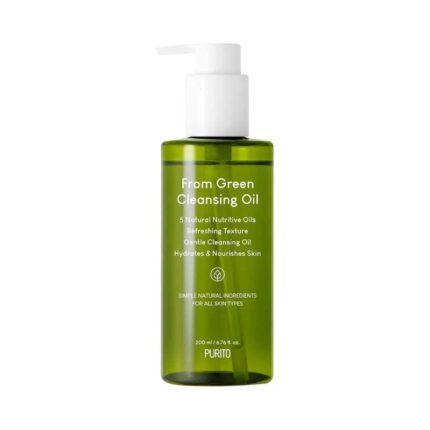 Sale
SaleOriginal price was: ৳ 3,140.00.৳ 2,198.00Current price is: ৳ 2,198.00.
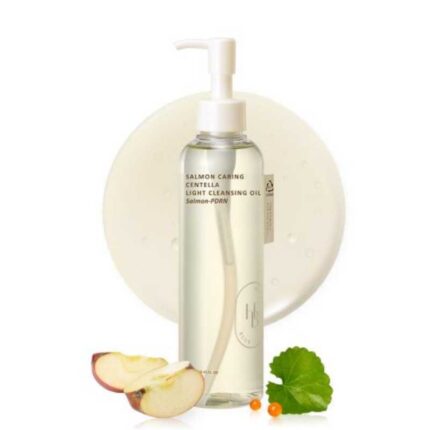 Sale
SaleOriginal price was: ৳ 3,200.00.৳ 2,240.00Current price is: ৳ 2,240.00.
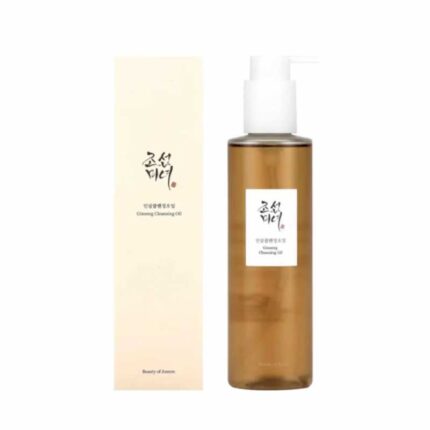 Sale
SaleOriginal price was: ৳ 3,080.00.৳ 2,156.00Current price is: ৳ 2,156.00.
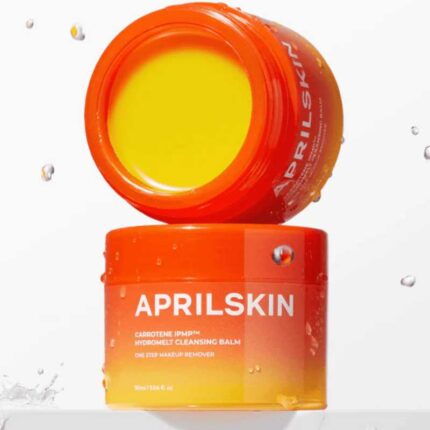 Sale
SaleOriginal price was: ৳ 3,160.00.৳ 2,210.00Current price is: ৳ 2,210.00.
Nutritional profile and key fatty acids
Watermelon Seed Oil contains several key fatty acids that explain its effects on skin. For example, linoleic acid, oleic acid, and small amounts of palmitic acid appear in many seed oils. Research indicates linoleic acid supports the skin barrier and can help balance natural oils.
That is why some dermatologists recommend oils with higher linoleic acid for acne-prone skin. This oil also supplies vitamin E, which works as an antioxidant and can help protect skin from environmental stress.
Linoleic acid
Linoleic acid makes this oil light and fast-absorbing. Since acne-prone skin often lacks linoleic acid, topical use can help rebalance oils. As a result, pores may appear less clogged when you use the oil consistently.
Oleic acid and saturation
Oleic acid lends soothing properties and helps carry other ingredients into skin. While oleic acid is more occlusive, the balance of fatty acids in watermelon seed oil keeps it from feeling heavy. Instead, skin absorbs it more readily than many thicker oils.
Antioxidants and vitamins
Vitamin E appears naturally in the seed oil and acts as a skin-friendly antioxidant. That means the oil can help reduce oxidative stress from daily exposure. Still, antioxidant content varies by extraction and storage.
Skin benefits of Watermelon Seed Oil
Users report smoother texture and improved hydration after adding watermelon seed oil to routines. Research shows oils with its fatty acid profile support barrier repair and reduce transepidermal water loss. Dermatologists note that lighter oils often suit oily and combination skin better than heavy butters.
Because the oil leaves minimal residue, it functions as both a moisturizer and a balancing treatment for many skin types. For example, people with oily skin have found it hydrates without increasing shine.
Hydration without heaviness
Watermelon seed oil acts as a lightweight moisturizing ingredient that adds water-retaining lipids to skin. As a result, it helps skin feel soft without a slick finish. That quality makes it a useful choice for hot or humid climates.
Balancing oily and acne-prone skin
Because the oil contains high linoleic acid, it can help normalize sebum composition. Some studies indicate healthier skin lipids reduce pore congestion and breakouts. When used consistently, the oil may lower the need for harsh drying treatments.
Calming and anti-inflammatory effects
Minor irritation and redness can ease with regular use of soothing seed oils. For example, users with sensitive skin report fewer flare-ups when they replace alcohol-based products with gentle oils. Still, individuals prone to allergic reactions should patch test before broad use.
How to use Watermelon Seed Oil in your routine
Start with a small amount and build up to the level your skin needs. For many people, two to three drops cover the face after lightweight serums. When you mix the oil with water-based products, apply water-based layers first and seal them with the oil.
While some prefer it alone, you can blend watermelon seed oil into creams and masks. That approach helps deliver the oil’s fatty acids across more of the skin while keeping texture steady.
As a daily facial oil
After cleansing and toning, place two to three drops in your palm. Gently press the oil into damp skin to trap moisture. For night routines, you can increase to three to four drops if you have dry skin.
In serums and moisturizers
Formulators add the oil to serums or creams to thin texture and boost absorption. If you make a DIY serum, combine the seed oil with a vitamin C or hyaluronic acid serum. That pairing supports hydration and provides antioxidant benefits.
For hair and scalp
Massage the oil into dry ends or the scalp to add shine and reduce frizz. Leave it on as a pre-shampoo mask for ten to twenty minutes. Many people notice smoother strands after a few uses.
Body care and massage
Use watermelon seed oil on dry patches such as elbows and knees for non-greasy softness. Because it spreads easily, you need less product than with heavier oils. That makes it a cost-effective option for full-body care.
Choosing quality products and what to look for
Look for cold-pressed watermelon seed oil to retain nutrients and antioxidant activity. Cold pressing avoids heat that can degrade delicate fatty acids. Brands that list the botanical name citrullus lanatus seed oil show transparency and quality sourcing.
Because storage affects oil stability, pick products in dark glass bottles or opaque packaging. That choice helps limit light exposure and slows oxidation. Also check for an approximate shelf life or “best by” date.
Extraction methods explained
Cold-pressed oils come from mechanical pressing without heat or solvents. This process preserves vitamins and keeps fragrance mild. By contrast, solvent extraction can yield larger volumes but may lower nutrient levels.
Purity and blended formulas
Pure watermelon seed oil lists only one ingredient on the label. Blends may add jojoba, squalane, or essential oils for targeted effects. If you have sensitive skin, choose formulas without fragrance or with very low essential oil percentages.
Comparing Watermelon Seed Oil to other facial oils
Watermelon seed oil often feels lighter than olive or avocado oil. That difference comes from its unique balance of linoleic and oleic acids. For people who dislike greasy finishes, it offers a familiar oil experience without heavy residue.
Still, each oil carries distinct benefits and fatty acid ratios. For example, rosehip oil is prized for vitamin A derivatives while squalane mimics skin lipids closely. Choose oils based on your skin goals rather than marketing claims.
Safety, allergies, and shelf life
Patch testing prevents unexpected reactions, especially for sensitive skin. Apply a drop to the inner forearm and watch for 24 to 48 hours. If irritation appears, stop using the product and consult a dermatologist when necessary.
Because natural oils can oxidize, store bottles in cool, dark places. Refrigeration can extend shelf life for many cold-pressed oils. Typical shelf life ranges from six months to two years, depending on processing and storage.
DIY recipes and simple blends
DIY blends let you tailor the oil to your skin’s needs while keeping ingredients minimal. For a basic hydrating serum, mix three parts watermelon seed oil with one part rosehip oil. That mix blends lightweight hydration with targeted repair benefits.
For calming masks, add a teaspoon of seed oil to a clay mask to reduce dryness. Apply for ten to fifteen minutes and rinse gently. These simple recipes make it easy to test how your skin responds.
Sustainable sourcing and environmental notes
Watermelon seeds often come from fruit that would otherwise go to waste, so seed oil can align with low-waste practices. Some brands emphasize upcycling and small-batch pressing. If sustainability matters, look for companies that disclose sourcing and production details.
That is why many conscious brands highlight traceability and operate with fair-trade principles. Consumers can favor transparent companies to support ethical production.
Common product types featuring Watermelon Seed Oil
Manufacturers include this oil in facial serums, lightweight moisturizers, hair masks, and body lotions. Because it blends well, it serves in both single-ingredient bottles and complex formulas. Shoppers can find it in vegan and cruelty-free options.
For daytime use, seek formulas with additional sun protection or SPF. At night, richer blends help restore the barrier and support repair processes while you sleep.
Real user experiences and expectations
Many users notice a change in skin texture within two to four weeks. That timeframe allows skin to adjust and for barrier improvements to appear. Realistic expectations help you decide whether to continue the product or try alternatives.
If acne or irritation worsens, stop using the oil and consult a professional. While many find benefits, individual responses vary due to genetics and existing skin care routines.
How to spot misleading claims
Marketing sometimes claims dramatic overnight results, which rarely reflect typical outcomes. Look for brands that state realistic benefits and provide ingredient transparency. That approach helps you make informed choices rather than respond to hype.
Because small, steady changes matter more than instant fixes, prioritize consistent use and measured evaluation. This means tracking skin changes over weeks instead of expecting immediate transformations.
Who should consider using this oil
People with oily, combination, and normal skin often benefit from this lightweight option. Dry skin types can also use it when layered over humectants for added moisture. However, anyone with a history of seed oil allergies should proceed cautiously and test first.
That is why patch testing matters for all skin types. Clinicians recommend testing one new ingredient at a time to identify reactions clearly.
Frequently Asked Questions
Is Watermelon Seed Oil good for acne-prone skin?
Yes, many people with acne-prone skin tolerate watermelon seed oil well because it contains higher linoleic acid. Research indicates linoleic acid can help balance sebum and reduce pore congestion. Still, individual responses vary, so test on a small area first.
How often should I apply this oil to my face?
Start with once daily, preferably at night, and increase if your skin needs more moisture. Two to three drops are usually sufficient for most faces. If layering, apply it after water-based serums and before heavier creams.
Can I mix Watermelon Seed Oil with other oils?
Yes, it blends well with oils like rosehip, jojoba, and squalane to enhance benefits. For example, mixing it with rosehip supports repair while keeping texture light. Avoid heavy blends if you want a non-greasy finish.
Is citrullus lanatus seed oil the same as Watermelon Seed Oil?
Yes, citrullus lanatus seed oil is the botanical name for watermelon seed oil and appears on ingredient labels. Knowing this term helps you identify the oil in products. Look for pure listings if you want single-ingredient oil only.
Final Thoughts
Watermelon Seed Oil offers a lightweight, skin-friendly option that hydrates without heavy residue. For most skin types it provides balanced moisture, nutrient support, and a pleasant feel. Try a small bottle, patch test first, and add it to your routine if you want gentle, effective hydration.