
Ellagic Acid: Natural Skin Brightening Guide

Dark spots, uneven tone, and dull skin can make daily routines feel frustrating. Ellagic Acid appears in many natural extracts and offers a clear option for people seeking brighter skin. This guide explains what Ellagic Acid does, how to use it, and what evidence supports its benefits.
What is Ellagic Acid?
Ellagic Acid is a naturally occurring polyphenol found in fruits like pomegranates, strawberries, and raspberries. For shoppers, this compound often shows up on labels as an extract from pomegranate or berry sources. Because of its origin, many brands describe it as a berry antioxidant ingredient in their marketing.
Studies show that Ellagic Acid acts as an antioxidant and appears in many botanical extracts used in skin care. Research indicates that antioxidants help neutralize free radicals that damage skin over time. This makes Ellagic Acid attractive for formulas that aim to protect and brighten skin.
For example, extracts high in Ellagic Acid often carry claims about supporting even tone and protecting against environmental stressors. These claims reflect the compound’s antioxidant behavior rather than promises of instant change. That means product choice and consistent use really matter.
Recommended Products
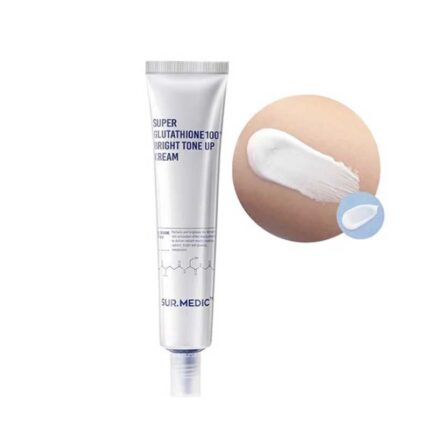 Sale
SaleOriginal price was: ৳ 1,900.00.৳ 1,480.00Current price is: ৳ 1,480.00.
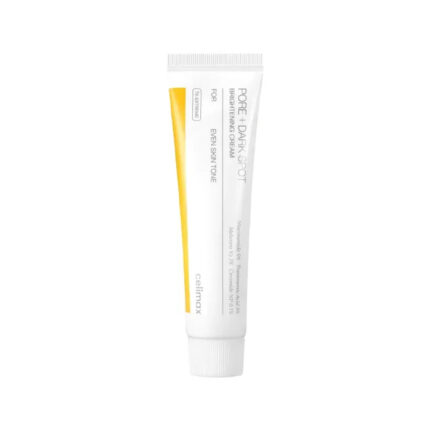 Sale
SaleOriginal price was: ৳ 1,790.00.৳ 1,590.00Current price is: ৳ 1,590.00.
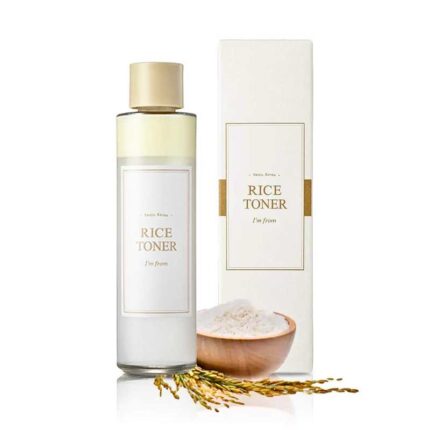
 Sale
SaleOriginal price was: ৳ 3,380.00.৳ 2,366.00Current price is: ৳ 2,366.00.
How Ellagic Acid Works on Skin
Ellagic Acid works in several ways that matter for skin tone and texture. As an antioxidant, it helps reduce oxidative stress that can darken skin and speed aging. As a result, readers see both protective and corrective benefits when products include the ingredient.
Antioxidant action
When free radicals form in skin, they can trigger inflammation and damage cellular components. Studies show that Ellagic Acid scavenges free radicals and reduces oxidative stress in skin cells. This effect supports overall skin health and can protect against visible aging.
Reduces melanin formation
Research indicates that Ellagic Acid can inhibit key enzymes involved in melanin production, which means it may act as a pigmentation reducing compound. While it does not erase pigment instantly, regular use can help reduce the appearance of dark spots over weeks. Dermatologists often pair pigment-targeting ingredients to get better results.
Supports collagen and firmness
Because oxidative stress breaks down collagen, lowering that stress helps preserve structural proteins in skin. Studies show that antioxidants like Ellagic Acid slow collagen breakdown and help maintain firmness. This means users may see smoother texture along with improved tone.
Benefits for Skin
People use Ellagic Acid for several visible benefits, including fewer dark spots, more even tone, and a brighter complexion. For many shoppers, these outcomes form the main reason to try products that list Ellagic Acid or pomegranate extract. Still, results depend on concentration and product formulation.
Studies show topical Ellagic Acid supports lighter pigmentation and reduces spot size when used consistently. That evidence comes from controlled trials and lab research that measured enzyme activity and pigment markers. However, individual responses vary by skin type and sun exposure habits.
Because it pairs well with sunscreen and other stabilizing ingredients, Ellagic Acid often appears in serums and creams aimed at brightening. When combined correctly, the ingredient can complement retinoids, vitamin C, and physical sunscreens. This means a layered routine often gives the best visible improvement.
Scientific Evidence and Studies
Research on Ellagic Acid spans cell studies, animal models, and early human trials. Studies show that the compound reduces markers of oxidative stress and interferes with enzymes that make melanin. These findings provide a biological basis for using Ellagic Acid in skin care.
Research indicates topical formulations deliver the compound directly to the epidermis where it can act on pigment-producing cells. Human studies report measurable lightening of dark spots with consistent application over weeks. Yet, many trials use varied formulations and concentrations, so comparing results across studies takes care.
Topical research
Clinical reports show improvements in pigment and tone with regular topical use of botanicals rich in Ellagic Acid. That said, formulation matters; stable serums and creams show better penetration than basic extracts. For shoppers, this means checking product type, delivery system, and concentration can guide expectations.
Oral sources and supplements
Some people take pomegranate or berry extracts as supplements to support skin from the inside. While research shows systemic antioxidants can help overall skin health, evidence for oral Ellagic Acid specifically on spot reduction is less clear. Therefore, supplements may help general skin resilience but should not replace topical treatments for targeted brightening.
Using Ellagic Acid Safely
Choose products with clear labeling and reasonable concentrations when trying Ellagic Acid. For topical serums, look for reputable brands that list extract types and standardized amounts. Start with a patch test to check for sensitivity before applying broadly.
Because some botanical extracts can cause irritation in sensitive skin, apply a small amount on the inner forearm and observe for 24 to 48 hours. That step reduces the chance of unexpected reactions when you add the product to your face routine. If redness or persistent irritation appears, stop use and consult a professional.
When combining active ingredients, take a measured approach. For example, use Ellagic Acid with sunscreen daily to protect treated areas. Also, avoid layering too many strong actives at once to lower the risk of irritation and barrier compromise.
Choosing Products with Ellagic Acid
Look for serums and creams that list pomegranate, strawberry, or raspberry extract in the ingredient list. Brands sometimes list Ellagic Acid specifically; that makes it easier to compare formulations. Because extraction methods differ, choose products that explain extract standardization.
For shoppers focused on pigment, select products that pair Ellagic Acid with proven brightening ingredients like niacinamide or stabilized vitamin C. Studies show combination approaches often yield better tone improvement than single-ingredient formulas. That means a thoughtfully layered routine may offer faster, more consistent results.
Still, budget and skin type matter. Some formulations carry high price tags for minimal concentrations, while others offer sensible pricing and clear ingredient levels. Read labels and prefer products that present concentration or extract percentages when possible.
Formulations and Delivery Methods
Topical ellagic acid appears in various forms such as pure extract, stabilized complexes, and botanical blends. Different vehicles influence how well skin absorbs the ingredient. For example, lightweight serums absorb faster, while creams offer more hydration alongside the active.
Research indicates microencapsulation and liposomal delivery can enhance stability and penetration of sensitive plant compounds. That technology helps preserve Ellagic Acid activity and deliver it deeper into the skin. For shoppers, product claims about enhanced delivery are worth considering but should be supported by brand transparency.
Because formulation affects results, test a product for a few weeks and track changes before switching. Consistency matters, and many users see gradual improvement over 6 to 12 weeks when a routine includes effective actives and daily sun protection.
How Ellagic Acid Compares to Other Brighteners
Ellagic Acid often sits alongside established tone-correcting actives like hydroquinone, vitamin C, and retinoids. Each option has unique strengths and potential drawbacks. For many people, combining milder plant-based actives with strong clinical ingredients offers balance between efficacy and tolerability.
Studies show that vitamin C works as a direct antioxidant and may inhibit melanin formation, while retinoids speed cell turnover to fade spots. Ellagic Acid complements these actions by protecting skin and modestly inhibiting pigment enzymes. That means it often serves as a supportive agent rather than a sole solution for severe hyperpigmentation.
As a pigmentation reducing compound, Ellagic Acid offers a gentler route for people who prefer botanical options or who cannot tolerate stronger prescription treatments. Still, severe or persistent discoloration may require professional treatments and medical-grade products recommended by a dermatologist.
Combining Ellagic Acid with Sunscreen
Daily sunscreen remains the most important step when targeting dark spots. Ellagic Acid helps reduce pigment formation, but sun exposure can undo many gains quickly. Therefore, combine any brightening routine with broad-spectrum SPF every morning.
Research indicates that antioxidants and sunscreens work better together than either alone for preventing pigment recurrence. That synergy helps maintain improvements from topical actives. Use sunscreen of at least SPF 30 and reapply based on exposure to protect results.
Also, during daytime, pick sunscreen formulas that layer well with serums containing Ellagic Acid. Lightweight chemical or mineral sunscreens often work well over serums without pilling. That makes consistent protection more practical in daily routines.
Natural Sources and DIY Considerations
Many people wonder if fresh pomegranate juice or mashed berries can offer the same benefits as commercial products. While these foods contain Ellagic Acid, topical application of raw fruit is unpredictable. Stability, concentration, and potential for irritation vary widely with DIY approaches.
Studies show concentrated extracts deliver more consistent doses than raw fruit preparations. That consistency matters for measurable skin benefits. For this reason, most dermatologists recommend formulated products over kitchen remedies for targeted pigment treatment.
Still, eating a diet rich in berries, pomegranate, and nuts supports overall antioxidant intake. For systemic skin health, dietary choices can complement topical care. Yet, expect modest effects from diet alone compared with direct topical application for localized spots.
Cautions and Side Effects
Most topical formulas with Ellagic Acid are well tolerated, but any botanical extract can cause allergic reactions. Patch testing and gradual introduction help reveal sensitivity before wider use. That approach reduces the chance of disrupting the skin barrier.
Because Ellagic Acid can interact with other actives in unpredictable ways, introduce one new product at a time. That rule helps identify causes if irritation develops. If redness, stinging, or persistent dryness occurs, stop use and seek professional advice.
Pregnant or breastfeeding people should consult their healthcare provider before using new active ingredients. While topical botanical extracts often carry low systemic risk, medical guidance ensures safety for both parent and child.
Real-World Tips for Shoppers
Read ingredient lists and prefer products that show extract type or standardized content. Brands that provide transparency make it easier to compare options. For budgets, shorter ingredient lists with clear concentrations can be a smart choice.
When trying a new product, track changes with photos taken in the same lighting over several weeks. Studies show measurable changes often appear after consistent use for 6 to 12 weeks. That timeline helps set expectations and decide whether to continue a product.
Also, consider consulting a dermatologist if dark spots are sudden, worsening, or accompanied by other symptoms. Professional guidance helps rule out medical causes and guides the choice of clinical-strength options when needed.
Frequently Asked Questions
What is Ellagic Acid best used for?
Ellagic Acid is best used for reducing the appearance of dark spots and supporting more even skin tone. It works as an antioxidant and complements other brightening agents for gradual improvement.
Can Ellagic Acid replace sunscreen?
No. Ellagic Acid helps reduce pigment formation, but sunscreen must be used daily to prevent new dark spots. Combine the active with broad-spectrum SPF for effective results.
How long does it take to see results?
Most users notice changes in tone and spot fade after consistent use for 6 to 12 weeks. Individual response varies with skin type, product strength, and sun exposure habits.
Is Ellagic Acid safe for sensitive skin?
Many people with sensitive skin tolerate Ellagic Acid, but patch testing is recommended. If irritation occurs, stop use and consult a professional for advice on gentler options.
Final Thoughts
Ellagic Acid offers a natural, evidence-backed option for people seeking brighter, more even skin. Studies support its antioxidant role and its modest ability as a pigmentation reducing compound, which makes it a useful part of many routines. Try a tested topical formula, pair it with daily sunscreen, and give the ingredient time to work for the best results.