
Sodium Lactate: Gentle Hydration for Skin

Sodium Lactate is a common ingredient in many moisturizers and lotions that helps skin hold water. Many people notice less dryness and softer texture when products contain this ingredient. It works in several mild, predictable ways for most skin types.
What is Sodium Lactate?
Sodium Lactate is a salt derived from lactic acid and a small sugar fermentation product. As a result, it appears in products as a clear, water-soluble humectant. The term links directly to natural moisturizing factor ingredient science that explains how skin keeps itself hydrated.
Researchers and formulators call it a humectant, which means it draws water to the skin surface and holds it there. Studies show humectants often improve measured skin hydration within days of regular use. That is why many formulas include sodium lactate with emollients and occlusives.
Recommended Products
 Sale
SaleOriginal price was: ৳ 2,200.00.৳ 1,540.00Current price is: ৳ 1,540.00.
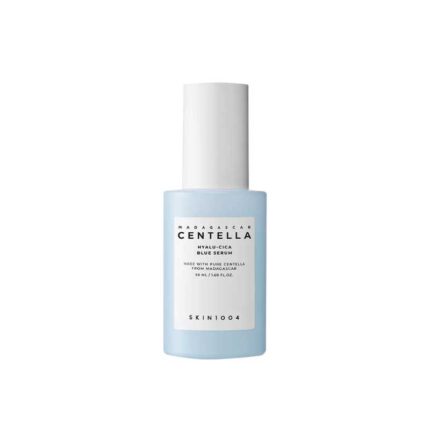 Sale
SaleOriginal price was: ৳ 2,580.00.৳ 1,806.00Current price is: ৳ 1,806.00.
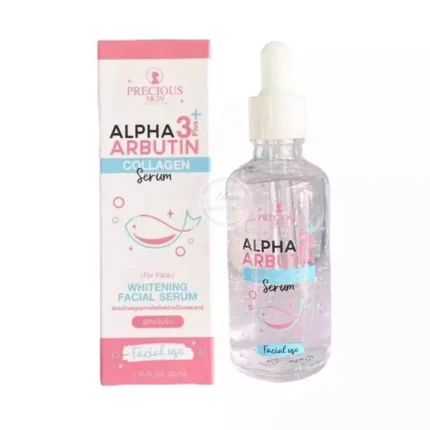 Sale
SaleOriginal price was: ৳ 795.00.৳ 599.00Current price is: ৳ 599.00.
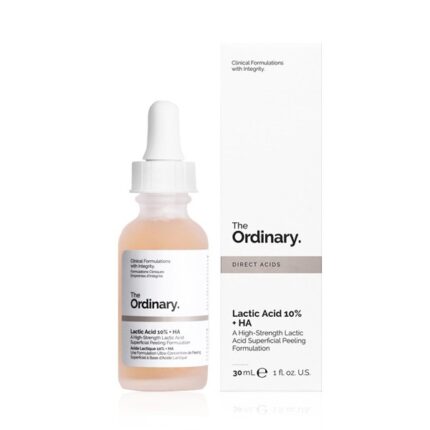 Sale
SaleOriginal price was: ৳ 2,000.00.৳ 1,490.00Current price is: ৳ 1,490.00.
How Sodium Lactate Works on Skin
When applied, sodium lactate attracts moisture from the air and deeper skin layers toward the outer layer. This action helps reduce visible flaking and tightness. Because of this, many people find skin feels plumper after use.
While it acts like other humectants, sodium lactate also helps support the skin’s acid mantle by mildly influencing pH. This means it can help the barrier work more efficiently. Research indicates barrier support helps reduce water loss over time.
Still, sodium lactate does not replace oils or occlusives that lock moisture in. Instead, it partners with them to create lasting hydration. Many effective products layer a humectant, an emollient, and an occlusive for best results.
Humectant Action Explained
Sodium lactate draws water molecules to the skin surface and holds them there. For example, it works alongside glycerin and hyaluronic acid to retain moisture. That combined effect lowers the feel of tightness after cleansing.
pH and Barrier Support
Sodium lactate has mild buffering properties that can help maintain skin’s slightly acidic pH. Maintaining this pH helps the barrier enzymes do their job. Dermatologists recommend maintaining a balanced pH for healthy skin function.
Antimicrobial and Preservative Effects
Some formulations use sodium lactate to help control microbial growth at low levels. This helps protect the product from spoilage when combined with proper preservation. Research indicates it can contribute to product stability in certain formulas.
Benefits for Different Skin Types
Dry skin benefits most clearly from sodium lactate because it increases surface moisture. Users often report reduced flakiness and less visible redness from dryness. That means makeup can apply more smoothly after regular use.
Oily or combination skin can still use sodium lactate without adding greasiness. Because it hydrates without oil, it helps balance skin that produces excess sebum. Many people find pores look less stressed when hydration improves.
Sensitive and mature skin types often tolerate sodium lactate well at mild concentrations. However, patch testing helps avoid irritation for those with reactive skin. Dermatologists recommend testing new actives on a small skin area first.
How to Use Sodium Lactate in Skincare
Start by choosing a product that clearly lists sodium lactate on the ingredient label. That shows formulators included it for hydration and barrier support. Many moisturizers, serums, and cleansers include it for this purpose.
When combining ingredients, use sodium lactate with occlusives like shea butter or dimethicone to lock in moisture. This combination gives immediate feel and long-term benefit. For example, apply a humectant serum, then a cream or balm to seal it.
Because skin needs time to adjust, use a new product daily for several weeks before judging results. If irritation occurs, reduce frequency or stop. That is why a gradual approach works well for sensitive skin.
Concentration and Formulations
Formurers use sodium lactate at varying levels depending on the product type. Face serums may use lower amounts than body lotions because facial skin is thinner. Consumers should look for products marketed for their intended body area.
How to Combine with Other Ingredients
Pair sodium lactate with hyaluronic acid or glycerin for layered humectant effects. Then add emollients like squalane to smooth the surface. This simple order helps water remain available and skin stay soft.
Patch Testing and Frequency
Perform a patch test on the inner forearm for a few days to check tolerance. If redness or stinging appears, stop and consult a professional. Otherwise, most people can use sodium lactate products daily without trouble.
Safety and Side Effects
Most people tolerate sodium lactate well at common cosmetic levels, with few reports of irritation. Studies and dermatologist guidance support its safety in standard formulations. Still, sensitive skin may react to any new ingredient, including this one.
Because sodium lactate is a salt, high concentrations could cause mild stinging on broken skin. Avoid using it on open wounds or raw areas. That precaution helps prevent discomfort and supports healing.
If you have a history of dermatitis or allergy, consult a skincare professional before trying new actives. They can provide advice tailored to your condition. Early review helps reduce the risk of flare-ups.
Sodium Lactate vs Other Humectants
Sodium lactate performs similarly to glycerin and hyaluronic acid by holding water at the skin surface. Each humectant has strengths, and formulas often mix them for balance. Research shows that combined humectants can offer complementary benefits.
Hyaluronic acid attracts a large amount of water per molecule, while glycerin provides steady hydration. Sodium lactate adds buffering benefits and sometimes improves preservation. That makes it a useful component in balanced products.
When choosing between products, consider texture, lasting feel, and ingredients you tolerate. A product with multiple humectants and sealing agents tends to perform best. Try small sizes before committing to a full container.
Shopping Guide: What to Look For
Read labels to confirm sodium lactate appears on the ingredient list, preferably near the top. That signals a higher concentration for noticeable effects. Many manufacturers list humectants clearly for marketing and clarity.
Look for products that combine sodium lactate with emollients and occlusives, which makes hydration last longer. For example, creams with both humectants and light oils often suit daily use. This approach helps reduce repeated dryness throughout the day.
Since buyers often prefer clean or natural formulas, search labels that match your preference while keeping function in mind. Some natural lines include sodium lactate as a mild, fermentation-derived salt. Check for fragrance if you have sensitive skin.
Hydrating Salt Compound: Why That Term Fits
Sodium lactate can be called a hydrating salt compound because it forms a salt from lactic acid. That structure helps it dissolve easily in water-based formulas and attract moisture. For many formulators this balance favors both performance and mildness.
Because the compound mixes well with other water-soluble ingredients, it serves in serums and creams alike. It also blends cleanly with gels and foaming cleansers. This versatility drives its widespread use in skincare.
Still, the label term “salt” may confuse buyers who associate salts with drying agents. In this case, the salt chemistry gives moisture-binding benefits rather than drying effects. That is why reading ingredient context matters.
Natural Moisturizing Factor Ingredient and Skin Health
Natural moisturizing factor ingredient refers to components the skin naturally uses to stay hydrated. Sodium lactate mimics part of that complex by helping attract and hold water at the surface. This mimicry helps skin feel and look healthier when used properly.
Research indicates that supporting the skin’s natural moisturizing factors helps maintain elasticity and reduce scaling. For this reason, many dermal products target NMF replenishment. Sodium lactate often appears among those supportive ingredients.
Because the skin already uses similar molecules naturally, adding mild replacements can reduce stress on the barrier. That approach often benefits dry, aged, or environmentally stressed skin. Regular use tends to show visible smoothing over weeks.
DIY and Home Formulation Tips
At-home DIYers sometimes add small amounts of powdered humectants to basic lotions to boost hydration. If you plan this, follow safe formulation practices and preserve the product correctly. Otherwise, contamination or instability can occur.
When making simple hydrating serums, combine a humectant base with water and a gentle preservative for short-term use. Store batches in the refrigerator and use quickly. That reduces the chance of spoilage and keeps the mix stable.
Because precise concentrations matter, avoid guessing amounts when working with active compounds. Measuring tools and clear recipes produce reliable results. That care helps prevent irritation and poor performance.
How Sodium Lactate Fits into a Routine
Use sodium lactate products after cleansing and before occlusive creams to lock in hydration. This order makes a difference in how long the moisture lasts. For daytime, pair with sunscreen; for night, add a richer cream if needed.
For very dry skin, apply humectant serums to damp skin to help draw more moisture in. Then follow with a cream that seals the surface. That simple habit improves outcomes for many users.
For oily skin, choose lighter formulations with water-like textures to avoid heaviness. Gel lotions with sodium lactate give hydration without shine. That balance keeps skin comfortable through the day.
Product Types That Use Sodium Lactate
Common products include face moisturizers, body lotions, hand creams, and some cleansers. You will also find it in serums and masks designed to boost moisture quickly. Its water solubility suits these varied formats.
Because it also helps with preservation, formulators use it where mild control of microbes benefits shelf life. That dual function reduces the need for heavier preservatives in some blends. Research indicates this can improve overall product tolerance.
Read product claims carefully and test a small amount before full use. Claims like “hydrating” and “barrier support” often point to humectants like sodium lactate. Trying samples helps you find the right texture and strength.
Cost and Availability
Sodium lactate appears in budget and premium products, so cost varies with brand, concentration, and packaging. Many drugstore moisturizers list it alongside other hydrators. Higher-end brands may combine it with patented complexes and branded extracts.
Because the ingredient itself is affordable, price often reflects brand and formulation rather than raw material cost. Consumers can find effective formulas at multiple price points. Compare ingredient lists rather than price alone for best value.
Evidence and Expert Opinion
Dermatologists recommend humectants as a first-line approach to dry skin care. Research shows that combining humectants with occlusives leads to better hydration than using either alone. These recommendations appear consistently in clinical guidance.
Clinical trials of individual formulations vary, but broader studies show that restoring hydration improves barrier function and comfort. For this reason, many skin experts advise using stable, well-formulated products. That advice supports everyday product choices.
Common Myths and Misconceptions
Myth: all salts dry the skin. Fact: sodium lactate acts as a humectant and helps hold moisture. That makes it different from salts like sodium chloride in high amounts, which can dry skin. Reading ingredient function matters more than label fear.
Myth: humectants alone fix very dry skin. Fact: humectants help, but emollients and occlusives complete the routine. Combining types of ingredients improves long-term hydration. This combination produces the best results for most people.
When to See a Professional
If redness, scaling, or itching persists despite good home care, consult a dermatologist. They can test for underlying conditions like eczema or psoriasis. Early professional guidance can speed relief and refine product choice.
When prescription-level care seems necessary, a clinician can recommend targeted therapies along with supportive moisturizers. That approach uses both active medications and routine hydration. For many, this combined strategy restores skin comfort.
Environmental and Lifestyle Factors
Dry indoor air, cold weather, and frequent handwashing increase the need for humectants like sodium lactate. That is why seasonal routine changes often help maintain good skin condition. Simple adjustments can reduce stress on the barrier.
Because diet and hydration also affect skin, maintain healthy fluid intake and a balanced diet. These habits support overall barrier function and complement topical care. Lifestyle changes often enhance the visible benefits of good products.
Label Language and What It Means
Look for sodium lactate listed by its INCI name to ensure you get the expected ingredient. Labels sometimes list lactic acid esters or other humectant names; read carefully. Knowing a few common INCI names helps you compare products easily.
Terms like “humectant,” “emollient,” and “occlusive” describe the role a molecule plays in a formula. For example, sodium lactate will be under humectant categories. Recognizing these roles helps you build a balanced routine.
Using Sodium Lactate with Actives
Pair sodium lactate with retinoids and acids cautiously, since active therapies can increase sensitivity. Start slowly and monitor skin response to avoid irritation. This cautious approach preserves comfort while allowing active treatment benefits.
When combining with vitamin C or exfoliating acids, use separate product times or buffer with a moisturizer if needed. That reduces the chance of stinging and improves tolerance. Many users find this scheduling approach reduces issues.
Storage and Shelf Life
Store products containing sodium lactate at room temperature away from direct heat or sunlight. Proper packaging and a functioning preservative system maintain safety. That helps prevent microbial growth in water-based products.
Pay attention to any “use by” dates or open jar symbols on packaging. That information indicates when efficacy and safety may change. Following these indicators helps you avoid expired or degraded products.
Environmental Impact and Sourcing
Sodium lactate often comes from fermented sugars, which can be renewable and low-impact. Many manufacturers source it from plant-based feedstocks. For buyers concerned about sustainability, look for brands that disclose sourcing practices.
Because production methods vary, some brands emphasize green chemistry and lower waste. That transparency helps consumers choose products aligned with their values. Check labels and brand statements for more information.
Travel and On-the-Go Use
Travel-sized sodium lactate products work well for keeping skin comfortable in flights and dry climates. Carry a small serum or cream to maintain hydration. This habit reduces tightness and protects the barrier during travel.
For hand care, keep a tube of cream with sodium lactate to combat frequent washing and sanitizer use. That helps prevent cracks and dryness. Frequent application after washing provides noticeable relief for many users.
Combining with Makeup and Cosmetics
Apply humectant-based serums before makeup to create a smooth base. That often improves foundation application and reduces cakiness. Let the product absorb briefly to avoid slipping makeup layers.
For a dewy finish, pair sodium lactate products with light-reflecting primers or creams. The added hydration enhances skin glow naturally. Avoid heavy oils under makeup if you prefer a matte result.
Consumer Tips for Testing Products
Request samples or buy travel sizes to test texture and tolerance before committing. This reduces waste and expense if a product does not suit you. Many brands offer small formats for this reason.
Keep a simple skin diary to log reactions when trying new products with sodium lactate. Note frequency, texture, and any irritation. This record helps you and any clinician understand patterns and reactions.
How Often to Expect Results
Many users notice immediate softening and reduced tightness within days of regular use. However, visible improvement in texture and barrier strength may take weeks. Consistent application provides the best outcomes for long-term change.
Gradual improvements often continue with ongoing use, especially when combined with protective habits. For example, sunscreen and gentle cleansing help maintain gains. That steady routine supports lasting skin health.
Frequently Asked Questions
Is Sodium Lactate safe for sensitive skin?
Most people with sensitive skin tolerate sodium lactate at common cosmetic levels. Perform a patch test before full use to confirm tolerance. Stop use and consult a professional if irritation appears.
Can sodium lactate replace hyaluronic acid?
Sodium lactate can complement hyaluronic acid, but it does not fully replace it. Each humectant has different properties and water-binding capacity. Many products combine both for balanced hydration.
Will sodium lactate cause breakouts?
Sodium lactate does not typically clog pores and is not a common acne trigger. Lightweight formulations suit oily and acne-prone skin better. Monitor your skin and choose non-comedogenic products if you break out easily.
How soon will I see results from products with sodium lactate?
Immediate hydration often appears within days, while texture and barrier gains may take weeks. Consistent use and pairing with occlusives speed and extend benefits. Adjust routine if irritation occurs.
Final Thoughts
Sodium Lactate offers reliable, gentle hydration that supports the skin barrier and helps many people feel less dry. For lasting results, pair it with emollients and occlusives and test products gradually. Try a small sample of a sodium lactate product to see if it suits your routine and skin type.