
Blog
Xanthan Gum: A Natural Thickener for Skin Health

In the evolving world of skincare, understanding ingredient lists can feel like deciphering a complex code. Yet, one powerful player often works behind the scenes to perfect your favorite lotions, serums, and creams: Xanthan Gum. This remarkable ingredient is more than just a name on a label; it’s a crucial component that directly impacts the texture, stability, and overall performance of many beauty products. Delve into the science and benefits of this versatile ingredient, uncovering why it’s a staple for formulators and a boon for your skin.
Understanding Xanthan Gum: A Natural Thickener Ingredient
Xanthan gum is a polysaccharide derived from the fermentation of simple sugars by the bacterium Xanthomonas campestris. This natural process yields a complex carbohydrate polymer with unique properties. Primarily, it acts as an effective natural thickener ingredient in various formulations, from food products to advanced skincare. Its ability to create viscosity even at low concentrations makes it highly efficient. For instance, research indicates that adding just 1% xanthan gum can significantly increase the thickness of a liquid. This means a little goes a long way in achieving desired product textures without heavy use.
How Xanthan Gum is Produced for Skincare
The production of xanthan gum begins with a fermentation broth containing glucose or other simple sugars. The Xanthomonas campestris bacteria consume these sugars, producing xanthan gum as a byproduct. After fermentation, the gum is precipitated, usually with alcohol, then dried and milled into a fine powder. This powder is then ready for use across industries, including cosmetics. The rigorous purification processes ensure a high-quality, safe ingredient for topical applications. Its natural origin makes it an appealing choice for brands focusing on clean beauty formulations.
Recommended Products
Dr. Rashel Vitamin E Dark Spots Corrector Serum 30ml
Original price was: ৳ 750.00.৳ 620.00Current price is: ৳ 620.00.
View Details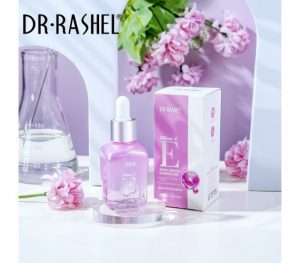
Dr Rashel Vitamin E Dark Spots Corrector Serum 30ml
Original price was: ৳ 800.00.৳ 650.00Current price is: ৳ 650.00.
View Details
SheGlam: Insta-Ready Face & Under Eye Setting Powder Duo
Original price was: ৳ 1,350.00.৳ 1,090.00Current price is: ৳ 1,090.00.
View Details
Vaseline Healthy Bright Body Lotion 400ml
Original price was: ৳ 570.00.৳ 520.00Current price is: ৳ 520.00.
View DetailsThe Science of a Stabilizing Polysaccharide
Beyond its thickening capabilities, xanthan gum excels as a stabilizing polysaccharide. Skincare products often contain a mix of oil and water-based ingredients, which naturally tend to separate over time. Xanthan gum helps to prevent this separation by stabilizing emulsions. While not an emulsifier itself, it significantly enhances the stability of oil-in-water emulsions. It creates a gel-like matrix that holds droplets in suspension, reducing the chance of phase separation. This ensures products maintain a uniform consistency from the first pump to the last drop, preserving their efficacy and user experience.
Ensuring Product Integrity with Xanthan Gum
Product stability is paramount in skincare for both safety and effectiveness. An unstable product might separate, leading to uneven distribution of active ingredients. This could compromise the product’s intended benefits. By preventing ingredient separation, xanthan gum extends the shelf life of formulations. It also maintains the integrity of delicate active compounds within the product. According to cosmetic science principles, stable formulations deliver consistent results over their entire usage period. This makes xanthan gum a vital component in preserving product quality and user satisfaction.
Benefits of Xanthan Gum in Skincare Formulations
The inclusion of xanthan gum brings a multitude of benefits to skincare products and, by extension, to your skin. Its primary function as a thickening agent improves product feel and application. This leads to a more luxurious and spreadable texture. Beyond texture, it aids in delivering a smoother, more uniform application. This helps active ingredients penetrate the skin more effectively. Consumers often appreciate products that feel pleasant and perform consistently, both of which xanthan gum supports.
Enhancing Product Texture and Feel
One of the most immediate benefits you’ll notice is the improved texture. Xanthan gum gives creams and serums a silky, non-sticky feel. It helps create a satisfying glide without leaving a greasy residue. This contributes significantly to the overall sensory experience of a product. A well-formulated product with optimal texture encourages regular use. This, in turn, helps users achieve their desired skincare results more consistently. Many brands use it to transform thin liquids into rich, elegant gels and lotions.
Improving Skin Hydration and Film Formation
Xanthan gum is also known for its film-forming properties. When applied to the skin, it can create a thin, breathable layer. This layer helps to reduce transepidermal water loss (TEWL). By locking in moisture, it supports the skin’s natural barrier function. This can lead to increased hydration and a plumper, more supple appearance. While not a primary hydrating agent like hyaluronic acid, its ability to retain moisture indirectly contributes to healthier, more resilient skin. This makes it a valuable addition to moisturizing creams and hydrating serums.
Safety Profile and Regulatory Status
Xanthan gum boasts an excellent safety record, having been widely used in food and cosmetic industries for decades. Regulatory bodies worldwide, including the FDA in the United States and the European Food Safety Authority, have approved it. It is recognized as a safe ingredient for both consumption and topical application. Its non-irritating and non-sensitizing properties make it suitable for a broad range of skin types, including sensitive skin. This high level of safety assurance contributes to its widespread acceptance in cosmetic formulations.
Xanthan Gum and Skin Sensitivity
For individuals with sensitive or reactive skin, ingredient selection is crucial. Xanthan gum is generally well-tolerated and rarely causes skin irritation or allergic reactions. Its molecular structure is large, meaning it does not readily penetrate the skin barrier. Instead, it works on the surface to enhance product texture and stability. This characteristic reduces the likelihood of internal reactions. Patch tests, though always recommended for new products, typically show no adverse responses to xanthan gum. Its inert nature makes it a safe bet for many formulations.
Xanthan Gum in Diverse Skincare Applications
The versatility of xanthan gum allows its incorporation into a vast array of skincare products. From lightweight serums to rich body butters, its functional properties are highly adaptable. It provides consistent performance across different pH levels and temperatures, making it a robust choice for formulators. This adaptability ensures that products maintain their intended texture and stability, regardless of environmental factors. Its broad application spectrum highlights its value as a core ingredient in modern cosmetics.
Serums and Gels
In serums and gels, xanthan gum creates a desirable viscosity. This allows for controlled dispensing and smooth application. It helps suspend active ingredients evenly throughout the formula. This ensures each drop delivers a consistent dose of beneficial compounds. This uniform distribution is critical for products targeting specific skin concerns. It prevents settling of ingredients, which could lead to uneven product performance. The clear, non-tacky gels it forms are particularly popular for facial treatments.
Creams and Lotions
Xanthan gum plays a vital role in the texture and stability of creams and lotions. It contributes to the luxurious, spreadable consistency that consumers expect. As a stabilizing polysaccharide, it helps maintain the emulsion. This prevents the separation of oil and water phases over time. This stability is essential for preserving the product’s texture and preventing microbial growth. A well-stabilized cream feels more appealing and remains effective throughout its shelf life. It ensures a consistent user experience with every application.
Masks and Cleansers
In facial masks, xanthan gum helps create a uniform, easy-to-apply paste or gel. This ensures even coverage of active ingredients across the skin. For cleansers, it can thicken the formula, improving its ability to adhere to the skin. This allows for better contact with impurities and makeup. It also helps to prevent the active cleansing agents from separating within the product. This leads to a more effective and pleasant cleansing experience. Its role here is to optimize both performance and user convenience.
Comparing Xanthan Gum to Other Thickeners
While many thickening agents exist in skincare, xanthan gum stands out due to its unique properties. Other thickeners include carbomers, cellulose gums, and various natural gums. Each has specific characteristics. Xanthan gum is highly efficient at low concentrations, meaning less is needed to achieve significant thickening. It also offers excellent stability over a wide pH range. This makes it suitable for diverse product types. Its natural origin further differentiates it from synthetic alternatives, appealing to a growing consumer base.
Xanthan Gum vs. Carbomers
Carbomers are synthetic polymers commonly used for thickening and gelling. They create clear gels and are highly effective. However, carbomers often require neutralization with a base to achieve their full thickening potential. Xanthan gum, by contrast, thickens effectively without needing a pH adjustment. This simplifies formulation processes for manufacturers. Furthermore, xanthan gum is biodegradable and naturally derived, aligning with green chemistry principles. This provides a distinct advantage for eco-conscious brands.
Natural Alternatives and Xanthan Gum’s Place
Other natural thickeners include guar gum, locust bean gum, and various starches. While these offer similar functions, xanthan gum typically provides superior shear-thinning properties. This means it thins under pressure (like when rubbed into skin) and then thickens again at rest. This desirable rheology creates a pleasant application experience. It makes products feel less heavy during application. This unique characteristic is a major reason for its preference in high-quality skincare formulations. It enhances user comfort and product spreadability.
The Future of Xanthan Gum in Cosmetic Innovation
As consumer demand for effective, safe, and naturally derived ingredients grows, xanthan gum’s role in cosmetic innovation will likely expand. Its ability to create stable, appealing textures without compromising ingredient integrity positions it as a cornerstone. Researchers are continually exploring new applications for this versatile polysaccharide. This includes potential uses in advanced delivery systems for active ingredients. Its biodegradability also supports the shift towards more sustainable product development. Xanthan gum promises continued relevance in future skincare breakthroughs.
Sustainable Sourcing and Production
The sustainable aspect of xanthan gum production is gaining increasing attention. Derived from a fermentation process, it utilizes renewable resources. This contrasts with petroleum-derived ingredients. As the industry moves towards more environmentally friendly practices, ingredients like xanthan gum become even more valuable. Brands are increasingly prioritizing sustainable sourcing to meet consumer expectations. This aligns with a global movement towards greater ecological responsibility in manufacturing. Its production methods are generally considered to have a lower environmental impact.
Frequently Asked Questions
What is xanthan gum made from?
Xanthan gum is a polysaccharide produced through the fermentation of simple sugars. This process involves the bacterium Xanthomonas campestris, which converts sugars into the gum. It is then precipitated, dried, and ground into a fine powder for commercial use.
Is xanthan gum safe for sensitive skin?
Yes, xanthan gum is generally considered very safe for sensitive skin. Its large molecular size means it does not penetrate the skin. This reduces the likelihood of irritation or allergic reactions, making it a well-tolerated ingredient in most skincare formulations.
How does xanthan gum help skin hydration?
Xanthan gum helps skin hydration by forming a thin, breathable film on the skin’s surface. This film reduces transepidermal water loss (TEWL). By doing so, it helps to lock in moisture and support the skin’s natural barrier, leading to improved hydration and suppleness.
Why is xanthan gum used in so many skincare products?
Xanthan gum is widely used because it effectively thickens, stabilizes, and enhances the texture of skincare products. It prevents ingredient separation, creates a pleasant feel, and improves product spreadability. Its natural origin and excellent safety profile also contribute to its popularity.
Final Thoughts
Xanthan gum stands as a testament to the power of naturally derived ingredients in modern skincare. Its multifaceted role as a natural thickener ingredient and a reliable stabilizing polysaccharide is indispensable. From ensuring product integrity to enhancing the sensory experience, xanthan gum silently elevates the quality of your daily beauty routine. Understanding its benefits reinforces the value of well-formulated products. Embrace the science behind your skincare, appreciating how this humble yet mighty ingredient contributes to healthy, radiant skin.