
Citrus Bergamia Fruit Oil: Skin Benefits and Safety

Many shoppers love fresh, spa-like skincare scents, yet they worry about irritation and sun sensitivity. Citrus Bergamia Fruit Oil often appears in cleansers, creams, oils, and perfumes because it offers a bright citrus aroma. Still, smart use starts with knowing what this ingredient does and when it may not suit your skin.
What Is Citrus Bergamia Fruit Oil?
Citrus Bergamia Fruit Oil comes from the peel of the bergamot orange, a small citrus fruit grown mainly in southern Italy. The fruit looks like a cross between an orange and a lime. However, its scent feels more floral, soft, and tea-like than common lemon or orange oils.
Brands often list Citrus Bergamia Fruit Oil on labels as a fragrance ingredient. It may also appear in body oils, hair products, soaps, and facial skincare. Research indicates citrus peel oils contain aromatic compounds that give them their distinct smell.
Because shoppers often connect natural scents with gentle care, this ingredient can feel appealing. Yet natural does not always mean risk-free. Dermatologists remind consumers that fragrant oils can bother sensitive skin.
Where it comes from
Bergamot trees belong to the citrus family, which also includes lemon, orange, and grapefruit. Growers harvest the fruit when the peel holds strong aromatic oils. Then makers press or distill the peel to collect the fragrant liquid.
Cold pressing remains a common method for citrus oils. This process squeezes the peel to release oil without high heat. As a result, the oil keeps many of its natural scent compounds.
Citrus Bergamia Fruit Oil differs from juice or fruit extract. Juice contains water, acids, and sugars from the fruit. The oil mainly contains scent molecules from the peel.
How it appears on labels
Product labels may use several names for this ingredient. Citrus Bergamia Fruit Oil is the formal cosmetic label name many shoppers see. Some brands also call it bergamot oil or bergamot peel oil.
When a product lists fragrance or parfum, it may still contain bergamot oil. However, the label may not name every scent component. This means shoppers with allergies should check with the brand when needed.
The phrase bergamot essential oil ingredient often points to the same fragrant material. Essential oil means a concentrated plant aroma oil. Since it carries many active scent compounds, small amounts can smell strong.
Why brands add it
Brands add Citrus Bergamia Fruit Oil because it gives products a clean and uplifting scent. Many shoppers connect bergamot with luxury perfume and fresh tea. Earl Grey tea gets its famous aroma from bergamot flavoring.
For example, a basic body lotion can feel more special with a soft citrus note. A cleanser may smell fresher after a brand adds a trace amount. This scent appeal can shape how people judge a product.
Studies show scent can influence how consumers feel about personal care products. A pleasant scent may make a routine feel more enjoyable. Still, skin comfort should matter more than aroma.
Recommended Products
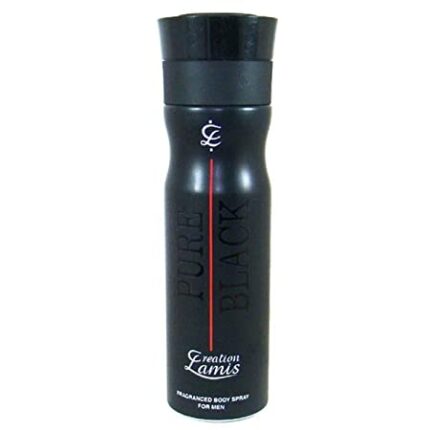 Sale
SaleOriginal price was: ৳ 800.00.৳ 690.00Current price is: ৳ 690.00.
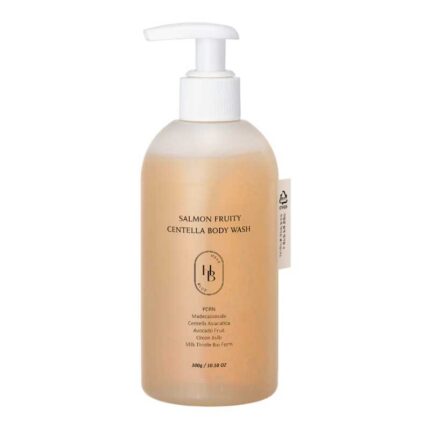 Sale
SaleOriginal price was: ৳ 2,850.00.৳ 2,420.00Current price is: ৳ 2,420.00.
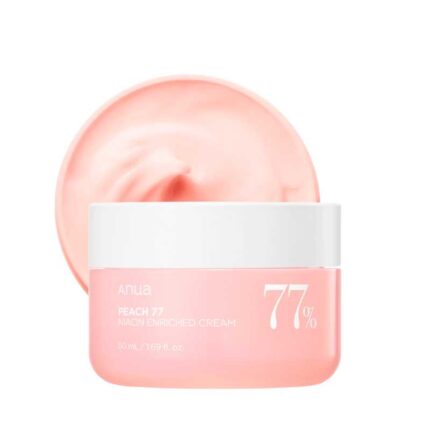 Sale
SaleOriginal price was: ৳ 2,950.00.৳ 2,688.00Current price is: ৳ 2,688.00.
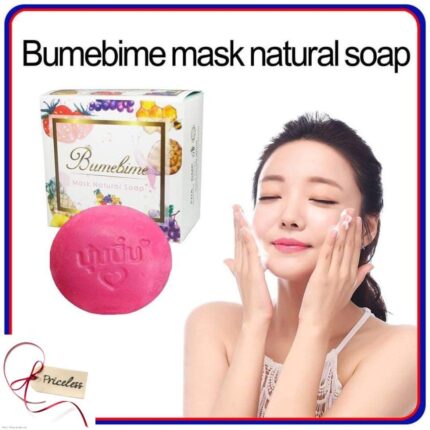 Sale
SaleOriginal price was: ৳ 700.00.৳ 520.00Current price is: ৳ 520.00.
Citrus Bergamia Fruit Oil Benefits in Skincare
Citrus Bergamia Fruit Oil offers its main value through scent and sensory appeal. It can make a cream, balm, or wash feel bright and fresh. However, benefits depend on the full formula, not one oil alone.
Research indicates bergamot oil contains compounds such as limonene, linalool, and linalyl acetate. These compounds help create its citrus-floral profile. Some also show antioxidant activity in lab studies, which means they can help fight unstable molecules.
That said, lab results do not always equal visible skin changes. Your skin responds to dose, formula type, and barrier health. Because of this, shoppers should view Citrus Bergamia Fruit Oil as a supporting ingredient.
A bright, calming scent experience
The biggest benefit of Citrus Bergamia Fruit Oil comes from its aroma. Many people describe the scent as fresh, clean, and slightly floral. When a product smells pleasant, people often use it more often.
Consistency matters in skincare because results depend on steady habits. For example, a lotion only helps dry skin when you apply it enough. A scent you enjoy may support that habit.
Still, scent preference varies widely. Some shoppers find bergamot soothing, while others find it too sharp. A sample or travel size can help you test the experience first.
Antioxidant support in formulas
Antioxidants help protect oils and skin from oxidative stress. Oxidative stress happens when unstable molecules can damage fats and proteins. Studies show some citrus oil compounds have antioxidant actions in controlled lab settings.
Citrus Bergamia Fruit Oil may support a formula that already contains proven antioxidants. Vitamin E, niacinamide, and green tea often play stronger roles. Because of that, bergamot should not replace core skin care actives.
In a facial oil, the ingredient may add scent while the carrier oils do the main skin work. Jojoba, sunflower, and squalane often support softness better. This means the full ingredient list matters more than a single name.
Fresh feel in rinse-off products
Cleansers, soaps, and body washes often include Citrus Bergamia Fruit Oil for a crisp finish. Rinse-off products spend less time on skin than leave-on creams. As a result, some people tolerate fragrance better in these formats.
However, rinse-off does not mean no risk. Sensitive skin can still react during short contact. Dermatologists often tell fragrance-sensitive patients to choose unscented cleansers.
For general shoppers, a bergamot-scented shower gel may feel refreshing. Yet people with eczema, rosacea, or frequent redness should stay cautious. A bland cleanser may protect the barrier better.
How This Fragrant Skincare Compound Works
Citrus Bergamia Fruit Oil works mainly through volatile scent molecules. Volatile means the molecules evaporate easily into the air. When they reach your nose, you smell bergamot’s sweet citrus note.
In formulas, this fragrant skincare compound blends with creams, oils, gels, and perfumes. It can round out sharper scents and add a soft top note. Perfumers often use bergamot because it brightens heavier notes.
Studies in fragrance science show citrus top notes fade faster than many base notes. That is why bergamot often smells strongest when you first apply a product. Later, warmer notes may become more noticeable.
Main aromatic compounds
Citrus Bergamia Fruit Oil contains many natural compounds. Limonene gives a fresh citrus smell. Linalyl acetate adds a smooth, floral character.
Another compound, linalool, can smell light and sweet. These molecules also appear in other plant oils. However, their balance gives bergamot its special scent.
Because these compounds can oxidize, old oil may irritate more easily. Oxidize means the oil changes after air exposure. Fresh, well-packed products usually reduce that problem.
Why oxidation matters
Oxidation can change fragrance ingredients over time. Heat, air, and light speed that process. As a result, an old scented product may smell off or feel harsher.
Research indicates oxidized fragrance compounds can trigger allergic reactions in some people. This does not mean every scented product becomes unsafe. Still, storage and freshness matter.
Keep products with Citrus Bergamia Fruit Oil tightly closed. Store them away from sunlit windows and hot bathrooms. When the smell changes sharply, replace the product.
How texture changes the experience
A rich cream may hold the scent longer than a light gel. Oils can also keep bergamot aroma close to the skin. However, a watery toner may release scent quickly.
Texture also affects how much contact the ingredient has with skin. Leave-on products stay in place for hours. This means they can cause more trouble for sensitive users.
For example, a bergamot hand cream may bother cracked hands. A shower wash may feel fine because you rinse it away. Match the format to your skin’s tolerance.
Safety, Sun Sensitivity, and Skin Types
Citrus Bergamia Fruit Oil needs careful handling because some forms can increase sun sensitivity. The concern comes from compounds called furocoumarins. These natural compounds can react with sunlight and cause irritation.
Phototoxicity means sunlight can trigger a skin reaction after contact with certain substances. Bergamot oil has a long history in this safety discussion. Dermatology sources often cite it as a classic phototoxic citrus oil.
However, many modern cosmetic suppliers offer bergapten-free bergamot oil. Bergapten is one furocoumarin linked with sun reactions. This safer form reduces concern, yet it does not remove every irritation risk.
Who should be more careful
People with sensitive skin should approach Citrus Bergamia Fruit Oil slowly. Redness, burning, itching, or bumps may signal a reaction. When these signs appear, stop using the product.
Those with eczema or rosacea often react more to fragrance. Their skin barrier may not block irritants well. Because of this, dermatologists often recommend fragrance-free routines for these groups.
Pregnant shoppers, children, and allergy-prone users should also read labels closely. Essential oils can be strong, even at low levels. A healthcare professional can guide special cases.
Patch testing at home
Patch testing helps you check tolerance before full use. Apply a small amount behind your ear or on your inner arm. Then wait one to two days and watch for changes.
If skin stays calm, try the product on a small face area. However, avoid testing near your eyes. Eye skin reacts quickly and can swell from fragrance.
Citrus Bergamia Fruit Oil may not bother you today, yet a reaction can develop later. Allergic contact dermatitis can appear after repeated exposure. That is why new itching deserves attention.
Sun care and daytime use
Daytime leave-on products with bergamot deserve extra thought. Sunscreen helps protect skin from ultraviolet light. Still, sunscreen does not excuse risky use of phototoxic ingredients.
Look for labels that say bergapten-free or furocoumarin-free when you plan daytime use. These terms suggest the supplier removed key sun-reactive compounds. Since labels vary, contact the brand when details matter.
For simple safety, use stronger scented oils at night or in rinse-off products. Avoid applying pure bergamot oil before outdoor time. This advice matters most for exposed areas like neck, chest, and hands.
How to Choose Products With Bergamot Oil
Choosing products with Citrus Bergamia Fruit Oil starts with your skin type. Normal or oily skin may tolerate light fragrance better. Dry, reactive, or allergy-prone skin often needs a simpler formula.
Dermatologists recommend reading the whole ingredient list, not just the front label. Marketing words can sound gentle without proving low irritation risk. The ingredient list gives a clearer view of fragrance exposure.
Because online shoppers cannot smell or test first, product details matter more. Look for clear scent notes, usage directions, and safety claims. Strong return policies can also reduce buying risk.
Check the product type
A leave-on face serum creates more exposure than a wash-off cleanser. This matters because contact time affects irritation risk. For sensitive skin, choose rinse-off bergamot products first.
Citrus Bergamia Fruit Oil in a body wash may suit many shoppers. The same ingredient in a facial oil may feel too strong. Your skin history should guide the choice.
When you want a facial product, start with a low-fragrance cream. Avoid layering several scented items in one routine. As a result, your total fragrance load stays lower.
Look for clear safety language
Brands that mention bergapten-free bergamot offer useful information. They show awareness of phototoxicity concerns. Still, this claim does not guarantee the product suits every skin type.
Search product pages for words like furocoumarin-free, non-phototoxic, or safe for daytime use. These terms can help you compare options. However, you should still patch test before broad use.
Some brands share fragrance allergen information. Common allergens linked with citrus oils include limonene and linalool. In many regions, cosmetic rules require brands to disclose certain allergens above set levels.
Balance scent with skin goals
A product should solve your main skin need first. If you want moisture, look for glycerin, ceramides, or hyaluronic acid. Bergamot scent should come second.
If you want glow, proven actives matter more than aroma. Niacinamide, vitamin C, and gentle acids have stronger support. Citrus Bergamia Fruit Oil may improve the feel, not the core result.
For example, a scented body oil can make evening care feel special. Yet a fragrance-free cream may work better for an irritated face. Choose based on both pleasure and skin response.
How to Use Citrus Bergamia Fruit Oil Safely
Citrus Bergamia Fruit Oil works best when it stays within a balanced formula. Most shoppers should not apply pure essential oil directly to skin. Pure oils can cause burning, redness, or lasting sensitivity.
Cosmetic chemists dilute fragrance materials carefully during product design. They also consider product type, skin area, and likely use level. This makes a finished product safer than a homemade mix.
However, even a well-made product can irritate some users. Skin varies by season, age, medication, and barrier health. When your skin feels damaged, pause scented products.
Start with one product
Use only one new bergamot-scented product at first. This helps you spot the cause if a reaction happens. Wait several days before adding another new item.
Citrus Bergamia Fruit Oil may appear in many routine steps. A cleanser, mist, serum, and moisturizer can all contain fragrance. Because of this, total exposure can rise quickly.
When you test one product at a time, you make better choices. Your skin feedback becomes easier to read. This simple habit prevents many confusing reactions.
Do not mix with harsh steps
Strong exfoliants can make skin more reactive. Retinoids, peels, and scrubs may weaken the barrier for a short time. So a scented product may sting after these steps.
If you use acids or retinol, keep fragrance low on those nights. Apply a plain moisturizer when skin feels warm or tight. This gives your barrier time to recover.
Citrus Bergamia Fruit Oil may smell pleasant in a night cream. Still, comfort should decide whether you keep using it. Burning or lasting redness means the product does not suit you.
Store products the right way
Good storage helps scented products stay fresher. Close caps tightly after each use. Keep jars and bottles away from heat, steam, and bright light.
Because oxidation can raise irritation risk, do not hoard opened scented items. Use them within the period the brand suggests. If texture, color, or smell changes, discard the product.
Citrus Bergamia Fruit Oil has a fresh scent when stable. A sour, sharp, or stale odor can signal change. Trust your nose and your skin.
Common Myths About Bergamot in Beauty
Citrus Bergamia Fruit Oil attracts strong opinions online. Some shoppers see it as a natural skin helper. Others avoid it because they fear fragrance irritation.
The truth sits between those views. The ingredient can make products more enjoyable, yet it does not suit everyone. Research and label reading help you decide without fear.
Because beauty marketing often simplifies plant ingredients, myths spread fast. A calm review of facts gives better results. Let your skin response guide the final choice.
Myth: Natural always means gentle
Natural oils can irritate skin, just like synthetic fragrance materials. Poison ivy is natural, yet it causes strong reactions. This simple example shows why source alone cannot prove safety.
Citrus Bergamia Fruit Oil contains many active aroma molecules. These molecules create the scent people love. However, they can also trigger reactions in some users.
Dermatologists often judge ingredients by tolerance, dose, and exposure. A natural label does not replace patch testing. Sensitive shoppers should stay careful with any fragrant oil.
Myth: Bergamot oil clears acne
Some online claims link bergamot oil with clearer skin. Lab studies suggest certain essential oils can affect microbes. However, acne involves oil glands, clogged pores, hormones, and inflammation.
Citrus Bergamia Fruit Oil does not replace proven acne care. Benzoyl peroxide, salicylic acid, and adapalene have stronger evidence. A dermatologist can help when acne hurts or scars.
For acne-prone shoppers, fragrance can sometimes add irritation. Irritation may make breakouts look redder. Choose non-comedogenic products and keep routines simple.
Myth: More scent means better quality
A strong scent does not prove a product works better. It only shows that the formula has noticeable fragrance. Some high-quality skincare has no scent at all.
When Citrus Bergamia Fruit Oil sits high on an ingredient list, the scent may feel stronger. Ingredient lists usually move from higher to lower amounts. Yet fragrance materials often work at low levels.
Quality depends on formula stability, safety testing, and useful skin ingredients. Packaging also matters because light and air can change products. Do not judge performance by scent alone.
How It Compares With Other Citrus Oils
Citrus Bergamia Fruit Oil shares traits with lemon, orange, grapefruit, and lime oils. All come from citrus plants and often smell fresh. Yet each oil has a different scent profile and safety story.
Research on citrus oils shows phototoxic risk varies by plant and processing method. Some expressed citrus oils raise more concern than distilled versions. This means the exact oil type matters.
For shoppers, the safest path involves reading product claims and watching skin response. A familiar citrus name does not always mean equal risk. Bergamot deserves special attention because of its phototoxic history.
Bergamot versus orange oil
Sweet orange oil smells round, juicy, and cheerful. Bergamot smells more floral, refined, and slightly bitter. Perfume makers often choose bergamot when they want a more elegant citrus note.
Citrus Bergamia Fruit Oil may feel less candy-like than orange oil. This makes it popular in gender-neutral scents. However, both oils can contain limonene, which may irritate some skin.
Orange oil also oxidizes over time. As with bergamot, storage matters. Freshness helps reduce avoidable irritation from old products.
Bergamot versus lemon oil
Lemon oil smells sharp, clean, and bright. Bergamot feels softer and more floral. Many shoppers find bergamot easier to wear in body care.
Some lemon oils also carry phototoxic concerns, especially expressed oils. Distilled versions may differ. Because processing changes safety, broad claims can mislead shoppers.
Citrus Bergamia Fruit Oil should not get a free pass because it smells gentle. Check whether the product mentions non-phototoxic bergamot. If not, use caution with daytime leave-on formulas.
Bergamot versus grapefruit oil
Grapefruit oil smells tart, bitter, and sparkling. Bergamot feels smoother and more tea-like. Both can make a shower product feel fresh.
Grapefruit oil can also raise sun sensitivity concerns in some forms. The risk depends on furocoumarin content and use level. This means product design matters more than the fruit name.
When choosing between citrus oils, focus on your routine. Rinse-off products usually carry lower exposure. Leave-on face products deserve the most care.
Reading Labels Like a Smarter Shopper
Citrus Bergamia Fruit Oil may look simple on a label, but context changes everything. Placement, product type, and other fragrance ingredients all affect risk. A smart label review takes less than a minute.
Studies on consumer behavior show shoppers often rely on front claims. However, ingredient lists reveal more useful details. This habit helps you avoid products that do not match your skin needs.
Online shoppers should also read reviews with care. Reviews can show patterns, but they do not replace your own skin test. Someone else may tolerate a formula that bothers you.
Ingredient list position
Ingredients near the top usually appear in larger amounts. Ingredients near the end usually appear in smaller amounts. Fragrance ingredients often sit near the end because they smell strong.
If Citrus Bergamia Fruit Oil appears near the end, the formula may use a low level. That can reduce risk for many users. Still, low levels can affect allergy-prone skin.
When several essential oils appear together, total fragrance may feel stronger. Lavender, lemon, eucalyptus, and bergamot can build a strong scent blend. Sensitive users should watch for long fragrance lists.
Claims that deserve a second look
Words like clean, pure, and plant-based can sound reassuring. Yet they do not prove the product will suit sensitive skin. Look for direct safety claims instead.
For example, non-phototoxic bergamot gives more useful detail than natural fragrance. Fragrance-free also has a clearer meaning for reactive skin. Unscented can still contain masking fragrance, so read the label.
Citrus Bergamia Fruit Oil may fit a clean beauty formula. However, clean beauty standards vary by brand. Your skin does not care about trends as much as tolerance.
Reviews and red flags
Customer reviews can help when many people report the same issue. Repeated mentions of stinging, rash, or sun reactions deserve attention. However, one bad review does not prove a product fails.
Look for reviewers with skin like yours. If you have rosacea, reviews from oily, resilient skin may not help. Because skin types differ, match the context.
Citrus Bergamia Fruit Oil can smell lovely to one shopper and overwhelming to another. Scent strength feels personal. If you dislike strong aromas, avoid heavily perfumed product lines.
Frequently Asked Questions
Is Citrus Bergamia Fruit Oil good for skin?
Citrus Bergamia Fruit Oil can make skincare smell fresh and pleasant. However, it mainly acts as a fragrance ingredient, not a core treatment active. Sensitive or allergy-prone skin may react to it.
Can Citrus Bergamia Fruit Oil cause sun sensitivity?
Yes, some forms can raise sun sensitivity because they contain furocoumarins. Bergapten-free or furocoumarin-free forms reduce that concern. Still, use caution with daytime leave-on products.
Should I avoid bergamot oil if I have sensitive skin?
You may want to avoid it, especially in leave-on face products. Dermatologists often recommend fragrance-free care for sensitive skin. If you try it, patch test first and stop if irritation appears.
Can I apply pure bergamot essential oil to my face?
No, pure bergamot essential oil can be too strong for facial skin. It may cause burning, redness, or sun-related reactions. Choose a finished cosmetic product from a trusted brand instead.
Final Thoughts
Citrus Bergamia Fruit Oil can add a beautiful, fresh scent to skincare, but it needs informed use. Its main value comes from aroma, while its main concerns involve irritation and sun sensitivity. Choose bergapten-free options when possible, patch test first, and favor fragrance-free products when your skin feels reactive.