
Citrus Limon Peel Oil: Skin Benefits Guide

A bright citrus scent can make a skin care product feel clean, fresh, and uplifting. Yet Citrus Limon Peel Oil can raise questions for shoppers who want glow without irritation. Knowing how it works helps you choose products with more confidence.
What Is Citrus Limon Peel Oil?
Citrus Limon Peel Oil comes from the outer peel of the lemon fruit. Brands use it in skin care, body care, hair care, and fragrance products. Because it has a crisp scent, many formulas use it to create a fresh sensory feel.
Research indicates that lemon peel contains natural aromatic compounds, including limonene and citral. These compounds give the oil its sharp, sunny smell. However, they can also affect sensitive skin, especially when a formula uses a high amount.
How Makers Extract the Oil
Most makers press lemon peels to release the fragrant oil. This method keeps many light scent compounds intact. Since the oil comes from the peel, it differs from lemon juice or lemon fruit extract.
Cold pressing often appears in product claims because it uses pressure instead of high heat. As a result, the finished oil can keep a stronger citrus aroma. Cosmetic chemists often choose Citrus Limon Peel Oil when they want a natural-smelling top note.
What the Ingredient Does in Products
Citrus Limon Peel Oil usually serves as a fragrance ingredient. It may also support a fresh feel in cleansers, scrubs, creams, and oils. However, shoppers should not view it as the same thing as a proven acne treatment.
Studies show that many essential oils contain compounds with antioxidant activity in lab settings. This means they can react with free radicals during testing. Still, lab activity does not always equal a clear skin result on the face.
Why the Name Matters on Labels
Ingredient labels often use the Latin name Citrus Limon Peel Oil. The label may also mention lemon peel essential oil ingredient in brand copy. When you see either name, you are looking at oil from the lemon peel.
Because names can sound similar, shoppers may confuse lemon peel oil with lemon extract. Lemon extract can come from different parts of the fruit. Citrus Limon Peel Oil points more clearly to the peel and its aromatic oil.
Recommended Products
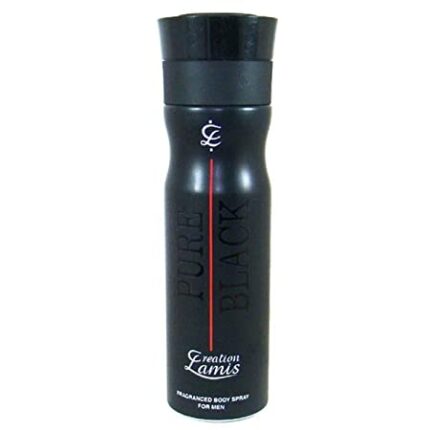 Sale
SaleOriginal price was: ৳ 800.00.৳ 690.00Current price is: ৳ 690.00.
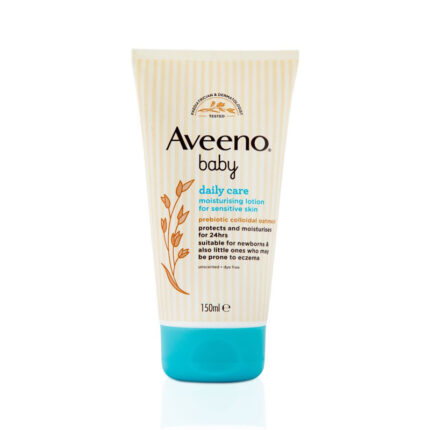 Sale
SaleOriginal price was: ৳ 1,400.00.৳ 890.00Current price is: ৳ 890.00.
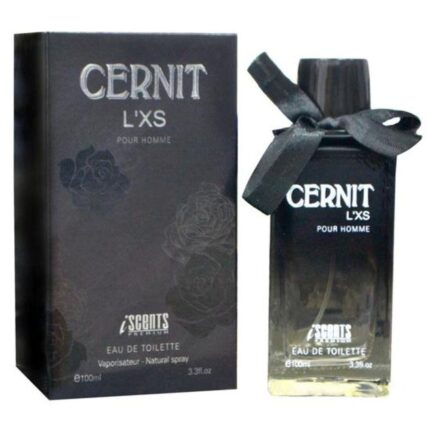
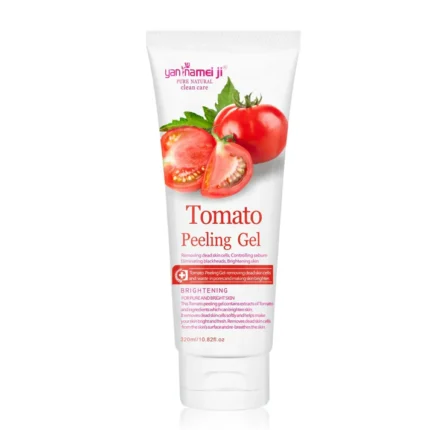 Sale
SaleOriginal price was: ৳ 1,299.00.৳ 999.00Current price is: ৳ 999.00.
Why Citrus Limon Peel Oil Appears in Skin Care
Brands add Citrus Limon Peel Oil because scent shapes the product experience. A cleanser that smells fresh can feel more pleasing during use. That is why citrus notes appear often in morning face washes and body gels.
Dermatologists often remind patients that fragrance can affect sensitive skin. However, not every person reacts to fragrant ingredients. The final result depends on skin type, product design, amount used, and rinse-off time.
Freshness, Tone, and Clarity Claims
Many shoppers connect lemon with a clean, bright look. As a result, brands often pair Citrus Limon Peel Oil with words like fresh, clear, and radiant. These claims usually describe product feel, not a medical effect.
Research indicates that plant oils can contain complex blends of natural compounds. Some may support the overall feel of a formula. Still, a single oil rarely does all the work in a well-made skin product.
Fragrance and Mood Appeal
Scent can change how a product feels during a routine. For example, citrus aromas often feel energizing in the morning. This does not mean the oil changes mood in a medical sense.
Studies in sensory science show that scent affects product preference. Shoppers often use products more often when they enjoy the smell. Because consistency matters in skin care, a pleasant scent can support regular use.
Support for a Brighter-Looking Formula
Citrus Limon Peel Oil may appear beside vitamin C, niacinamide, or fruit extracts. In that setting, it can support the theme of a brightening botanical compound. However, the proven brightening work usually comes from the full formula.
When brands build a radiance product, they often combine several ingredients. Humectants hydrate, emollients soften, and antioxidants support the formula. Citrus Limon Peel Oil may add scent and a fresh identity.
Benefits and Limits for General Shoppers
Citrus Limon Peel Oil can offer a pleasant scent and a fresh product feel. It may also support a botanical story that many shoppers enjoy. Yet it has clear limits, especially for people with sensitive or reactive skin.
Cosmetic safety experts review fragrant ingredients based on use level and exposure. This means the same ingredient may work better in one product than another. For example, rinse-off cleansers often create less exposure than leave-on creams.
Potential Advantages
The main appeal of Citrus Limon Peel Oil comes from smell and product experience. Because scent influences daily habits, it can help some people enjoy their routine. A product that feels enjoyable often gets used more consistently.
- Fresh scent: It gives formulas a bright lemon aroma that many shoppers find clean and cheerful.
- Botanical identity: It helps brands create a plant-based story without using synthetic lemon fragrance alone.
- Light sensory feel: It can make cleansers, gels, and oils feel more crisp during use.
- Formula support: It may work with other aromatic oils to shape the final scent profile.
Where Expectations Should Stay Realistic
Citrus Limon Peel Oil does not replace sunscreen, retinoids, or tested brightening agents. It also does not erase dark spots by itself. When a product claims radiance, check the full ingredient list.
Studies show that dark spots often involve melanin, sun exposure, and inflammation. Because those causes differ, one fragrant oil cannot address every case. A formula with sunscreen guidance and proven actives offers stronger support.
Who May Enjoy It Most
Normal, oily, and combination skin types may enjoy citrus-scented rinse-off products. For example, a body wash with Citrus Limon Peel Oil may feel refreshing after exercise. Still, even resilient skin can react if the formula irritates.
When you shop, match the product to your skin history. If you rarely react to fragrance, a well-formulated product may suit you. However, if your skin stings easily, choose fragrance-free options first.
Safety, Sensitivity, and Sun Exposure
Safety matters because Citrus Limon Peel Oil contains active aromatic compounds. These compounds can irritate some skin types, especially when they oxidize. Oxidation happens when air, light, or heat changes the oil over time.
Research indicates that oxidized limonene can trigger more reactions than fresh limonene. That is why packaging and storage matter. A product in a sealed, opaque container often protects fragrant oils better.
Phototoxicity in Plain Language
Phototoxicity means an ingredient can make skin react more strongly to sunlight. Some citrus oils contain compounds that raise this concern. However, the risk depends on the oil type, processing, amount, and product use.
Citrus Limon Peel Oil can contain photosensitizing compounds in some forms. Because of this, many formulators follow safety limits for leave-on products. Shoppers should take extra care with face oils, balms, and daytime creams.
Patch Testing Before Full Use
Dermatologists recommend patch testing when you try a new fragrant product. This simple step can reveal redness, itching, or stinging before facial use. It helps most when your skin has reacted before.
- Apply a small amount of the product to the inner arm or behind the ear.
- Wait a full day, then check for redness, bumps, itching, or burning.
- Repeat once more if your skin often reacts to fragrance.
- Stop use if the test area feels painful, hot, or swollen.
Areas That Need Extra Care
Avoid using Citrus Limon Peel Oil near the eyes unless the product says it suits that area. Eye skin feels thinner and reacts faster. The oil can also sting if it moves into the eye.
Broken, freshly shaved, or sunburned skin also needs caution. When the skin barrier has damage, fragrance compounds can enter more easily. Instead, use bland, fragrance-free care until the area calms.
Sun Protection Still Comes First
Sunscreen remains the key product for preventing uneven tone and early signs of aging. Citrus Limon Peel Oil cannot protect skin from UV rays. So, daytime routines still need broad sun care habits.
Dermatologists consistently recommend daily sunscreen for exposed skin. This advice matters even when your products contain plant oils or antioxidants. A bright scent does not reduce UV damage.
How to Read Labels and Choose Products
Ingredient labels help you understand how Citrus Limon Peel Oil fits into a formula. Brands list ingredients in order by amount until very low levels. However, fragrance ingredients can still matter even at small amounts.
Because shoppers often scan quickly, the Latin name may be easy to miss. Look for Citrus Limon Peel Oil near other fragrance materials. You may also see limonene, citral, geraniol, or linalool listed nearby.
Leave-On Versus Rinse-Off Products
Rinse-off products spend less time on the skin. For example, a cleanser with Citrus Limon Peel Oil usually washes away within minutes. This can lower the chance of irritation for many users.
Leave-on products stay on the skin for hours. As a result, face creams, oils, masks, and balms need more care. Sensitive shoppers should start with lower-risk formats, such as body wash or hand soap.
Packaging Clues
Packaging can tell you how well a formula protects delicate oils. Airless pumps and opaque tubes help reduce air and light exposure. Clear jars expose formulas more often during daily use.
Studies show that oxygen and light can change fragrance compounds over time. Because of this, old citrus-scented products may smell dull, sour, or harsh. A changed smell can signal that you should replace the item.
Formula Clues That Build Trust
Good brands explain where Citrus Limon Peel Oil fits in the formula. They also share usage advice and safety warnings when needed. This gives shoppers a clearer path than vague natural claims.
- Clear ingredient names: The label should show the Latin name or a clear common name.
- Usage directions: The product should explain how often to apply it and where to use it.
- Sun guidance: Daytime leave-on products should remind users to protect skin from sun exposure.
- Sensitive skin notes: Brands should warn fragrance-sensitive shoppers when a product contains aromatic oils.
Claims That Need a Closer Look
Be careful with claims that make Citrus Limon Peel Oil sound like a cure. Skin care products should not promise to treat disease. They also should not claim to remove deep pigmentation overnight.
When a product promises glow, read the full formula. Niacinamide, vitamin C derivatives, exfoliating acids, and sunscreen can support tone more directly. Citrus Limon Peel Oil may play a smaller sensory role.
How to Use Citrus Limon Peel Oil in a Routine
You can use products with Citrus Limon Peel Oil more safely when you start slowly. This approach helps your skin adjust and gives you time to spot irritation. It also helps you avoid blaming the wrong product.
Skin experts often suggest changing one product at a time. Because reactions can take time, this habit makes troubleshooting easier. It also protects your routine from sudden overload.
Morning Use
A citrus-scented cleanser can feel appealing in the morning. Since you rinse it away, it may suit more shoppers than a leave-on oil. Follow with moisturizer and sunscreen if your skin needs both.
If your morning product contains Citrus Limon Peel Oil and stays on skin, apply sunscreen after it. This matters most for the face, neck, chest, and hands. These areas receive frequent sun exposure during daily life.
Night Use
Night use may suit leave-on products better for some shoppers. However, nighttime does not remove the risk of irritation. Sensitive skin can still react while you sleep.
When you try a night cream with Citrus Limon Peel Oil, start a few nights each week. Watch for tightness, itching, or small bumps. If your skin stays calm, you can decide whether to continue.
Mixing With Strong Actives
Strong actives can make skin more reactive. These include retinoids, exfoliating acids, and benzoyl peroxide. When you combine them with fragrance, the chance of stinging may rise.
Because of this, avoid starting several strong products at once. Use Citrus Limon Peel Oil products on alternate nights if your routine already feels active. This simple spacing can reduce stress on the skin barrier.
Storage and Shelf Life
Store citrus-scented products away from heat and direct sun. A cool cabinet works better than a hot car or steamy shower shelf. Heat can speed changes in scent compounds.
Research indicates that essential oils can degrade when storage conditions are poor. So, close caps tightly after every use. Replace products that smell rancid, sharp in a bad way, or different than before.
Citrus Limon Peel Oil vs Similar Ingredients
Citrus Limon Peel Oil often appears near other fruit-based ingredients. This can make labels confusing for shoppers. Yet each ingredient can serve a different purpose in the formula.
Cosmetic chemists choose ingredients based on function, scent, stability, and skin feel. Because of that, two lemon-related ingredients may not behave alike. Reading names carefully helps you avoid false assumptions.
Lemon Peel Oil Versus Lemon Extract
Lemon extract may come from fruit, peel, or other lemon parts. It may use water, glycerin, alcohol, or oil as a base. Citrus Limon Peel Oil, however, refers to the aromatic oil from the peel.
This difference matters because extracts and oils can feel different on skin. An extract may support a botanical story without a strong fragrance load. Citrus Limon Peel Oil usually brings a clearer scent impact.
Lemon Oil Versus Orange or Grapefruit Oil
Orange, grapefruit, and lemon oils all come from citrus fruits. They share some aroma compounds, including limonene. However, each oil has its own scent profile and safety details.
For example, grapefruit oil can raise phototoxicity concerns in certain forms. Bitter orange oil may also need special care. Since citrus oils differ, do not assume one safety rule covers every product.
Lemon Peel Oil Versus Vitamin C
Vitamin C ingredients often target dullness and uneven tone more directly. They can support brighter-looking skin when formulas remain stable. Citrus Limon Peel Oil does not act like vitamin C in the same way.
Still, brands may place both in one radiance product. The vitamin C ingredient may do the tone-focused work. The Citrus Limon Peel Oil may add scent and a fresh product identity.
Natural Fragrance Versus Synthetic Fragrance
Natural does not always mean gentler. A natural oil can still contain allergens or irritants. Synthetic fragrance can also irritate, depending on the blend and dose.
Dermatologists often advise fragrance-sensitive people to focus on skin response, not marketing language. If your skin reacts to Citrus Limon Peel Oil, choose fragrance-free products. Your skin history matters more than the source of the scent.
Sustainability, Sourcing, and Shopping Ethics
Sustainability matters because lemon peel oil depends on agriculture, processing, and transport. Some producers use peels left from juice or food production. This can help reduce waste when supply chains handle it well.
Research on circular production shows that fruit byproducts can become useful cosmetic materials. However, good sourcing still requires careful farming and processing. A waste-based story does not always prove ethical quality.
How Sourcing Affects Quality
Growing region, harvest timing, and peel freshness can affect the oil. These factors can change scent, color, and chemical profile. As a result, Citrus Limon Peel Oil may vary between suppliers.
Quality testing helps brands manage this natural variation. Reputable suppliers often check identity, purity, and unwanted residues. Shoppers rarely see those reports, but brands can still explain their sourcing standards.
Questions to Ask Before Buying
Smart questions can help you judge a brand without needing chemistry training. Because many products use similar claims, details matter. Clear answers often show more care than broad natural marketing.
- Source details: Ask whether the oil comes from peel byproducts or direct peel processing.
- Testing standards: Look for brands that mention purity checks or supplier quality controls.
- Safety guidance: Choose products that explain patch testing and sun care when needed.
- Packaging choices: Prefer containers that limit heat, air, and light exposure.
Price and Value
A higher price does not always mean better Citrus Limon Peel Oil. Sometimes packaging, branding, or scent complexity drives the cost. The best value comes from a formula that fits your skin.
When comparing products, look beyond the lemon story. Check the base formula, texture, directions, and return policy. A gentle product you can use often beats an expensive product that irritates.
Common Product Types With Citrus Limon Peel Oil
Citrus Limon Peel Oil appears in many personal care items. Each product type creates a different level of skin contact. This helps explain why one product works while another causes trouble.
Cosmetic safety reviews consider exposure time, body area, and product category. Because of this, a body wash and face oil need different safety thinking. Shoppers should judge the format before judging the ingredient.
Cleansers and Body Washes
Cleansers often use Citrus Limon Peel Oil for a bright, clean scent. Since these products rinse away, many shoppers tolerate them well. Still, a harsh cleanser can dry skin even without fragrance.
Choose gentle surfactants if your skin feels tight after washing. Surfactants are cleansing agents that lift oil and dirt. A mild base can make a citrus-scented cleanser more comfortable.
Face Oils and Balms
Face oils and balms stay on the skin longer. This gives Citrus Limon Peel Oil more time to interact with the skin barrier. Sensitive shoppers should approach these products slowly.
When using a balm, avoid applying it before direct sun unless the brand gives clear guidance. A night routine may feel safer for cautious users. Even then, patch testing remains a smart step.
Scrubs and Exfoliating Products
Scrubs can already challenge the skin because they remove surface buildup. If they also contain fragrance, irritation may become more likely. This concern grows when the scrub feels rough or gritty.
Dermatologists often recommend gentle exfoliation over harsh scrubbing. So, avoid using a citrus-scented scrub on inflamed or broken skin. Stop if your skin burns or turns red quickly.
Hair and Scalp Products
Shampoos may include Citrus Limon Peel Oil for a fresh rinse experience. The scalp has skin, so it can react to fragrance too. Itching, flakes, or redness may signal sensitivity.
Because shampoo rinses away, reactions may happen less often than with leave-on scalp oils. Still, people with eczema or scalp irritation should choose carefully. A fragrance-free shampoo may suit flare-prone scalps better.
How to Decide If It Fits Your Skin
The best choice depends on your skin type, goals, and past reactions. Citrus Limon Peel Oil can work well for some shoppers. For others, it may bring more risk than reward.
Because skin care feels personal, avoid copying routines blindly. Your friend may love a citrus face oil that makes your skin sting. Your own results give the most useful feedback.
If Your Skin Is Oily
Oily skin may enjoy fresh gel cleansers and light lotions. Citrus Limon Peel Oil can make these products feel crisp. However, fragrance does not control oil production by itself.
Look for proven oil-supporting ingredients if shine bothers you. Niacinamide, salicylic acid, and clay can help in the right formulas. The lemon scent should remain a bonus, not the main treatment.
If Your Skin Is Dry
Dry skin needs barrier support first. Ceramides, glycerin, petrolatum, and plant oils can help reduce water loss. Citrus Limon Peel Oil does not replace these comfort-focused ingredients.
When dry skin cracks or flakes, fragrance may sting. So, choose richer fragrance-free products during dry spells. You can return to scented products once your skin feels steady.
If Your Skin Is Sensitive
Sensitive skin needs the most caution with Citrus Limon Peel Oil. Fragrance often appears on dermatologist lists of common triggers. This does not mean every scented product will fail.
Still, fragrance-free products usually create a simpler starting point. If you want a citrus product, try a rinse-off format first. Patch test and keep the rest of your routine calm.
If Your Goal Is Brighter-Looking Skin
Bright-looking skin usually comes from steady care, sun protection, and the right actives. Citrus Limon Peel Oil can support a fresh product theme. It should not carry the whole brightening plan.
For example, daily sunscreen helps prevent new dark spots from deepening. Vitamin C or niacinamide may support a more even look. A gentle cleanser can help your routine stay balanced.
Frequently Asked Questions
Is Citrus Limon Peel Oil good for the face?
Citrus Limon Peel Oil can suit some facial products, especially rinse-off cleansers. However, sensitive or fragrance-reactive skin may sting, itch, or turn red. Patch test first and avoid using it on broken skin.
Can Citrus Limon Peel Oil brighten skin?
Citrus Limon Peel Oil can support a fresh, bright product story through scent. It does not work like sunscreen, vitamin C, or niacinamide. For uneven tone, choose formulas with proven brightening ingredients.
Does Citrus Limon Peel Oil cause sun sensitivity?
Some forms of citrus peel oil can raise sun sensitivity concerns. The risk depends on processing, amount, and product type. Use sunscreen daily, and take extra care with leave-on daytime products.
How can I tell if I am sensitive to it?
Redness, itching, burning, bumps, or tightness can signal sensitivity. Patch test a new product before using it on your face. Stop using the product if symptoms appear or worsen.
Final Thoughts
Citrus Limon Peel Oil can make products smell fresh and feel more enjoyable. However, its value depends on formula quality, skin type, and safe use. Choose rinse-off products first if you feel unsure, and patch test before using leave-on formulas.