
Lactobacillus/Pear Juice Ferment Filtrate Guide

Skin can look dull, tight, or tired even when you use a good moisturizer. Lactobacillus/Pear Juice Ferment Filtrate has become popular because it blends fruit-based care with gentle fermentation. Many shoppers now want to know what it does before adding it to a routine.
What Is Lactobacillus/Pear Juice Ferment Filtrate?
Lactobacillus/Pear Juice Ferment Filtrate is a cosmetic ingredient made through the fermentation of pear juice with Lactobacillus bacteria. After fermentation, brands filter the mixture and keep the useful liquid part. Cosmetic chemists call that final liquid a filtrate.
Because it starts with pear juice, this ingredient belongs to a growing group of plant-based skin care materials. Pears naturally contain sugars, water, and antioxidant compounds. Research indicates that fermentation can change plant materials and make some components easier to blend into formulas.
However, this ingredient is not the same as eating fermented food. Skin care formulas use controlled amounts for topical use. The goal is to support better skin feel, moisture, and radiance.
Why brands use fermented pear
Fermentation can create a more refined cosmetic material from a simple fruit source. During this process, Lactobacillus helps break down sugars and plant parts. As a result, the final filtrate may feel light and smooth on skin.
Formulators often choose ferments because they can add hydration without a heavy finish. Studies on cosmetic fermentation show that microbes can help produce acids, peptides, and other small compounds. These compounds may improve how a formula feels and performs.
What the name means
The word Lactobacillus points to the type of friendly bacteria used during fermentation. Pear juice names the fruit base in the ingredient. Ferment filtrate means the liquid that remains after the fermented material goes through filtration.
This name may look technical on a label. Still, it tells shoppers useful facts. It shows the ingredient comes from a controlled ferment, not from raw fruit juice.
Why it fits modern skin care
Many shoppers want formulas that feel gentle, light, and fresh. Lactobacillus/Pear Juice Ferment Filtrate fits that trend because it works well in watery products. Toners, essences, serums, gels, and light creams often include it.
Because it can support hydration and glow, brands may position it as a hydration brightening compound. That phrase describes the skin look shoppers often want. It does not mean the ingredient bleaches skin or changes natural skin color.
Recommended Products
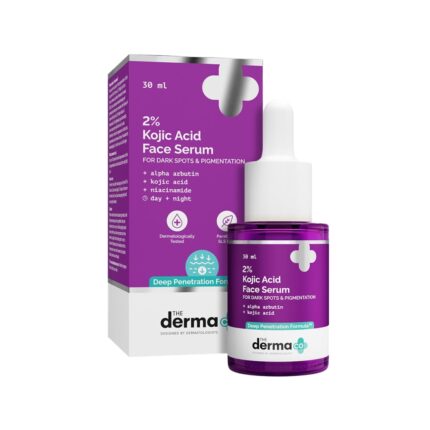 Sale
SaleOriginal price was: ৳ 1,350.00.৳ 990.00Current price is: ৳ 990.00.
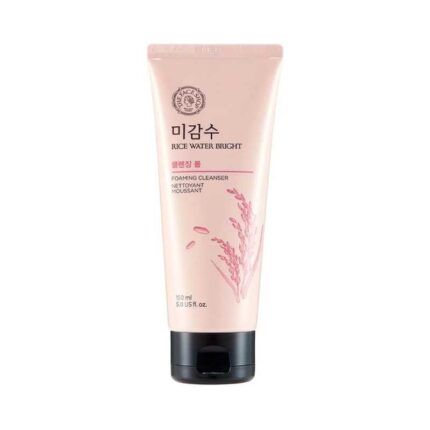 Sale
SaleOriginal price was: ৳ 1,380.00.৳ 960.00Current price is: ৳ 960.00.
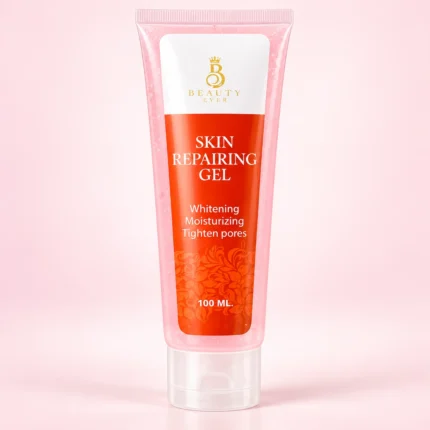
 Sale
SaleOriginal price was: ৳ 550.00.৳ 350.00Current price is: ৳ 350.00.
How This Fruit Ferment Ingredient Works
A fruit ferment ingredient works through a mix of water-soluble compounds, mild acids, and skin-conditioning parts. Lactobacillus/Pear Juice Ferment Filtrate brings those parts into a formula in a gentle way. The exact effect depends on the full product formula.
Because cosmetic ingredients rarely work alone, the base matters. A serum with glycerin, panthenol, and pear ferment may feel very hydrating. A toner with the same ferment may feel lighter and more refreshing.
Research indicates that fermented botanical extracts can show antioxidant activity in lab settings. Antioxidants help defend formula stability and support skin against daily stress. They do not replace sunscreen, though.
Fermentation changes the pear juice
When Lactobacillus ferments pear juice, it consumes some natural sugars. This process can create small molecules and organic acids. Smaller compounds may spread more evenly through a water-based skin care product.
Although fermentation sounds new in beauty, people have used it in food for centuries. Cosmetic labs now use similar ideas under controlled conditions. This control helps create safer, more consistent materials for skin care products.
Filtration creates a cleaner cosmetic liquid
After fermentation, the mixture contains solids and liquid. Brands filter it to remove larger particles. The remaining filtrate can blend well into toners, essences, masks, and serums.
This means Lactobacillus/Pear Juice Ferment Filtrate usually feels more elegant than crushed fruit or raw juice. Raw plant material can spoil fast and irritate skin. A filtered cosmetic ingredient gives formulators more control.
The formula controls the final result
One ingredient can help, but the whole product decides your experience. For example, humectants pull water into the outer skin layer. Emollients smooth rough areas and reduce a dry feel.
Since Lactobacillus/Pear Juice Ferment Filtrate appears in many product types, read the full label. A watery essence may give quick comfort. A cream may give longer softness because it also contains oils or butters.
Skin Benefits for Hydration and Glow
Lactobacillus/Pear Juice Ferment Filtrate appeals to shoppers who want healthy-looking radiance without a harsh peel. It can support softer skin, a fresher look, and a smoother surface feel. These benefits suit daily skin care better than aggressive treatments.
Dermatologists often explain that hydrated skin reflects light more evenly. When the outer layer holds enough water, skin usually looks brighter. That is why hydration often improves dullness before stronger active ingredients enter the routine.
Still, results depend on consistency and product design. A well-made formula may improve comfort in days. Visible glow and smoother texture often need steady use over several weeks.
Hydration support
The outer skin layer needs water and lipids to look smooth. Lactobacillus/Pear Juice Ferment Filtrate can support hydration when paired with humectants. Glycerin, hyaluronic acid, and betaine often work well beside it.
Because pear juice contains water-friendly compounds, the ferment can suit lightweight formulas. Many shoppers prefer this feel under sunscreen or makeup. As a result, the ingredient works well in morning routines.
Brighter-looking skin
Dull skin often comes from dryness, uneven texture, and dead skin buildup. A gentle ferment may help the skin surface look fresher. It does this by supporting moisture and a smoother feel.
However, Lactobacillus/Pear Juice Ferment Filtrate does not work like a strong vitamin C serum. It also does not replace exfoliating acids. Instead, it helps create a healthier-looking base.
Smoother texture and softer feel
Texture can make skin look tired even without dark spots. Lightweight ferments can improve slip and comfort in a formula. This can make rough areas feel less noticeable after application.
Research on topical humectants shows that better water content can reduce the look of fine lines from dryness. This effect differs from wrinkle treatment. Still, it can make skin look fresher and more rested.
Barrier-friendly daily care
Your skin barrier helps keep water in and irritants out. Harsh routines can weaken that barrier and cause stinging. Gentle hydrating ingredients can help the barrier feel more comfortable.
Since Lactobacillus/Pear Juice Ferment Filtrate often appears in calming formulas, it can fit barrier-focused care. Look for it with panthenol, allantoin, ceramides, or oat extract. These partners often support a more soothing product experience.
Who Should Consider This Ingredient?
Lactobacillus/Pear Juice Ferment Filtrate can suit many shoppers because it focuses on hydration and radiance. It may appeal to people who dislike heavy creams or strong exfoliants. Those users often want glow without a stripped feeling.
Cosmetic safety experts review ingredient use based on formula levels and product type. Most shoppers can try fermented skin care without concern. However, sensitive skin still needs a slow approach.
Because every face reacts differently, match the product to your skin goals. The ferment alone does not define the formula. Texture, fragrance, preservatives, and other actives matter too.
Dry and dehydrated skin
Dry skin lacks enough oil, while dehydrated skin lacks water. Many people experience both at once. Lactobacillus/Pear Juice Ferment Filtrate may help most when a formula also adds humectants and barrier support.
When skin feels tight after cleansing, a hydrating essence can help. Apply it before cream to add a water-rich layer. Then seal it with a moisturizer that suits your skin type.
Dull or uneven-looking skin
Dull skin can come from stress, low moisture, sun exposure, or buildup. A gentle ferment can improve the look of tired skin through better surface hydration. This makes the face look more awake.
Although this ingredient may support brightness, it will not remove stubborn dark spots alone. Dermatologists often recommend sunscreen for uneven tone. Without daily sun protection, brightening routines usually disappoint.
Oily and combination skin
Oily skin still needs water. In fact, harsh drying routines can make oily areas feel worse. Lightweight products with Lactobacillus/Pear Juice Ferment Filtrate may hydrate without a greasy layer.
For example, a gel serum can work well before a light lotion. Combination skin may need cream only on dry zones. This means you can adjust placement rather than change the whole routine.
Sensitive skin users
Sensitive skin needs careful testing with any new ingredient. Even gentle ferments can bother some people. Fragrance, essential oils, and strong acids often cause more issues than the ferment itself.
Dermatologists recommend patch testing new products before full-face use. Apply a small amount near the jaw or behind the ear. If redness, burning, or swelling appears, stop using it.
How to Shop for It on Labels
Shopping for Lactobacillus/Pear Juice Ferment Filtrate gets easier once you know where to look. The ingredient may appear in the middle or lower part of an ingredient list. That placement does not always mean it lacks value.
Ingredient lists follow concentration order until they reach low amounts. After that point, brands can list many ingredients in flexible order. As a result, placement gives clues but not the full formula story.
Instead, judge the product by its full mix of ingredients, claims, texture, and skin fit. A balanced formula often matters more than a trendy label term. Smart shoppers compare the whole product, not one line.
Check the exact ingredient name
Look for the full name Lactobacillus/Pear Juice Ferment Filtrate on the ingredient list. Some products use other fruit ferments, such as rice, apple, or grape ferments. These may feel similar, but they are not the same ingredient.
Because names can look alike, read carefully before you buy. Pear ferment may sit beside other fermented extracts. That can be useful, but it can also make the formula harder to judge.
Look for supportive ingredients
The best formulas often pair pear ferment with proven hydrators. Glycerin, sodium hyaluronate, panthenol, and aloe can support water content. Ceramides, squalane, and fatty alcohols can support softness.
When a product claims glow, check for sunscreen advice or tone-supporting ingredients. Niacinamide, licorice extract, and vitamin C derivatives may help uneven-looking tone. Still, sensitive skin may prefer fewer active ingredients at once.
Avoid irritants if your skin reacts easily
Some shoppers blame a ferment when fragrance causes the problem. Essential oils, drying alcohol, and strong acids can trigger stinging in reactive skin. This matters more if your barrier already feels weak.
However, not every fragranced product causes trouble for every person. Personal tolerance varies. If your skin often burns, choose a simple formula first.
Choose texture by routine step
A toner or essence gives a thin hydrating layer. A serum delivers a more targeted feel. A cream may offer comfort and water support in one step.
Since Lactobacillus/Pear Juice Ferment Filtrate works in many formats, texture should match your routine. Oily skin may prefer watery gels. Dry skin may enjoy a serum under cream.
How to Use It in a Daily Routine
Lactobacillus/Pear Juice Ferment Filtrate usually fits well after cleansing and before heavier products. Use thin textures before thick textures. This simple order helps water-based products sit close to skin.
Most shoppers can use a pear ferment product once daily at first. If skin feels calm, you can move to morning and night. However, more use does not always mean better results.
Studies on skin barrier care show that consistency matters more than constant product changes. A steady routine helps you judge results. Changing many products at once makes reactions harder to track.
Morning routine
In the morning, cleanse gently or rinse with water if your skin feels dry. Apply your ferment toner, essence, or serum next. Follow with moisturizer if needed.
Then use sunscreen as the final daytime step. Sunscreen helps protect brightness gains from daily UV exposure. Without it, dullness and uneven tone often return.
Evening routine
At night, remove sunscreen and makeup with a gentle cleanser. Apply Lactobacillus/Pear Juice Ferment Filtrate in a serum or essence step. Then use a moisturizer to seal in comfort.
If you also use retinol or exfoliating acids, add the ferment on calmer nights first. This helps you see how your skin responds. Later, you may layer it if your skin tolerates the mix.
How often to apply it
Start three to four times a week if your skin reacts often. Normal or oily skin may start once daily. The right pace should feel comfortable, not tight or hot.
When a product causes mild tingling, check the rest of the formula. Acids, vitamin C, or fragrance may explain that feeling. Stop if stinging lasts or redness spreads.
What not to mix too quickly
A pear ferment product can sit beside many common actives. Still, introduce strong actives one at a time. This helps you avoid confusion if irritation appears.
For example, do not start a new exfoliating acid, retinoid, and ferment serum on the same night. Your skin may feel overloaded. Instead, give each new product at least several uses alone.
Pros, Limits, and Realistic Results
Lactobacillus/Pear Juice Ferment Filtrate offers clear appeal, but it is not a cure-all. It can support hydration, softness, and glow in the right formula. It cannot replace sunscreen, acne treatment, or medical care.
Because shoppers often see bold claims online, realistic expectations matter. Cosmetic ingredients improve the look and feel of skin. They do not change skin biology in the same way prescription treatments can.
Still, a well-chosen ferment product can make a routine feel better. That alone can help people stay consistent. Consistency often drives the best visible results.
Main advantages
The biggest advantage is gentle hydration support. Many products with this ingredient feel light and layer well. That makes them useful for shoppers who dislike heavy creams.
Another advantage is radiance support. When skin holds water well, it usually looks smoother and brighter. This effect can make makeup apply more evenly too.
Possible drawbacks
Some people may react to fermented ingredients. Reactions can include redness, itching, or a warm feeling. These signs mean the product does not suit your skin.
Also, the ingredient may appear in formulas with other actives. A shopper may not know which ingredient causes a reaction. That is why simple formulas help sensitive users.
What results to expect
Hydration can feel better after the first few uses. A brighter look may take longer because skin texture changes slowly. Most cosmetic routines need steady use before results feel clear.
However, no topical product works well on every person. Climate, age, sleep, stress, and cleansing habits affect skin condition. A good formula supports skin, but daily habits still matter.
How It Compares With Popular Actives
Lactobacillus/Pear Juice Ferment Filtrate sits in a different category than many famous actives. It works best as a supportive ingredient. Think of it as a comfort and glow booster, not a strong corrective treatment.
When shoppers compare ingredients, they often ask which one is better. The better choice depends on your skin goal. Hydration, dark spots, fine lines, and acne need different tools.
Cosmetic chemists often build formulas with several ingredient types. This means a product can contain pear ferment and other proven actives. The blend can offer a more balanced skin feel.
Compared with hyaluronic acid
Hyaluronic acid is a well-known humectant that binds water. It can plump the look of dry fine lines. Lactobacillus/Pear Juice Ferment Filtrate may add hydration support with a fermented botanical profile.
These two ingredients can work well together. Hyaluronic acid gives clear water-binding support. Pear ferment can add a soft, fresh, conditioned feel.
Compared with vitamin C
Vitamin C targets uneven-looking tone and antioxidant support more directly. Some forms can also feel strong on sensitive skin. Pear ferment usually plays a gentler support role.
If you want major help with dark spots, vitamin C may matter more. However, a ferment product can support comfort in the same routine. Use sunscreen every morning with either choice.
Compared with exfoliating acids
Exfoliating acids help loosen dead skin cells from the surface. They can improve roughness and dullness when used correctly. Yet they can also sting or dry the skin.
Lactobacillus/Pear Juice Ferment Filtrate does not replace an exfoliating acid. Instead, it may help skin feel more hydrated between exfoliation days. This can make a routine easier to maintain.
Compared with probiotics in skin care
Many shoppers confuse ferments with live probiotics. A filtrate usually does not mean the product contains living bacteria. It means the formula contains material from the fermentation process.
This difference matters because cosmetics need stability and safety. Live microbes need special handling. Ferment filtrates give brands a more stable way to include fermentation benefits.
Buying Tips for General Shoppers
Before buying Lactobacillus/Pear Juice Ferment Filtrate, decide what problem you want to solve. If you want comfort and glow, it may fit well. If you want acne control, look for acne-focused actives too.
Price does not always show quality. A simple toner may work better for you than an expensive serum. The best product matches your skin type, routine, and budget.
Because online reviews can be emotional, read them with care. Look for reviews from people with similar skin. Pay attention to texture, scent, and irritation comments.
Read claims with a calm eye
Glow claims can sound dramatic. Yet most cosmetic brightening means the skin looks more even and fresh. It does not mean skin will become lighter than its natural tone.
When a brand calls a product a hydration brightening compound, check the supporting ingredients. Hydrators should appear beside tone-supporting or calming agents. That makes the claim more believable.
Pick packaging that protects the formula
Packaging affects how a product performs over time. Pumps and tubes often reduce air and finger contact. Jars can work, but they expose the formula more often.
For watery ferments, sealed bottles and droppers are common. However, droppers can touch skin if you are not careful. Keep the applicator clean to reduce contamination risk.
Match the product to your climate
Climate changes how hydration products feel. In humid weather, a light essence may feel perfect. In dry air, you may need cream over it.
Because humectants pull water, sealing moisture matters in very dry places. Apply moisturizer soon after your ferment step. This helps reduce tightness later in the day.
Know when to skip it
Skip a new ferment product if your skin has an active rash or broken areas. Wait until your skin feels stable. Then patch test before full use.
Also, avoid layering it with many new products before a big event. Skin surprises can happen with any formula. Try new skin care when you have time to observe changes.
Frequently Asked Questions
Is Lactobacillus/Pear Juice Ferment Filtrate safe?
Lactobacillus/Pear Juice Ferment Filtrate can be safe in well-made cosmetic formulas. Most shoppers can try it, but sensitive skin should patch test first. Stop use if burning, swelling, or strong redness appears.
Does it brighten skin?
It can help skin look brighter by supporting hydration and smoother texture. However, it does not bleach skin or replace dark spot treatments. Daily sunscreen remains key for an even-looking tone.
Can I use it with retinol?
Many people can use it with retinol because it often supports comfort. Start on separate nights if your skin reacts easily. Then layer them only if your skin stays calm.
Is it the same as probiotics?
No, a ferment filtrate usually does not contain live probiotic bacteria. It contains the filtered liquid from a fermentation process. This makes it easier to include in stable cosmetic products.
Final Thoughts
Lactobacillus/Pear Juice Ferment Filtrate is best viewed as a gentle support ingredient for hydration, softness, and healthy-looking glow. It works best in a balanced formula with humectants, barrier helpers, and daily sunscreen. Choose a texture you will use often, patch test first, and give your skin time to respond.