
Leuconostoc/Radish Root Ferment Filtrate Guide

Skincare labels can feel confusing when one ingredient sounds more like a science project than a beauty product. Leuconostoc/Radish Root Ferment Filtrate appears in many creams, serums, masks, and cleansers because brands want gentler preservation options. This guide explains what it does, why it matters, and how shoppers can judge it with confidence.
What Is Leuconostoc/Radish Root Ferment Filtrate?
Leuconostoc/Radish Root Ferment Filtrate comes from fermenting radish roots with Leuconostoc, a type of lactic acid bacteria. During fermentation, the microbes create compounds that help limit unwanted microbial growth. Cosmetic formulators value this because water-based products need protection from spoilage.
Research indicates that fermented ingredients can produce small bioactive compounds during the ferment process. In plain terms, fermentation can change a raw plant material into something more useful for a formula. However, the final ingredient depends on the process, purity, and quality control.
Fermentation in simple terms
Fermentation happens when friendly microbes feed on sugars and plant matter. As a result, they create byproducts that can change smell, texture, acidity, and preservation value. People use fermentation in foods like yogurt, kimchi, and sourdough.
In cosmetics, the goal differs from food making. A supplier ferments radish root under controlled conditions, then filters the liquid. Leuconostoc/Radish Root Ferment Filtrate refers to that filtered liquid, not whole radish pulp.
Why radish root matters
Radish root contains natural sulfur compounds, sugars, minerals, and plant acids. Because microbes can feed on these materials, radish works well as a fermentation base. Studies on plant fermentation show that the starting plant can affect the final mix of compounds.
Leuconostoc/Radish Root Ferment Filtrate does not make skincare smell like radishes in most finished products. Brands usually add it at low levels, and other formula parts affect scent. Still, shoppers may notice mild earthy notes in fragrance-free formulas.
What filtrate means on a label
A filtrate means a filtered liquid portion from a process. In this case, suppliers remove larger solids after fermentation. This means Leuconostoc/Radish Root Ferment Filtrate can blend into lotions, gels, sprays, and serums more easily.
Ingredient names follow cosmetic labeling rules, so they can sound long. However, the name helps identify the source and process. When you see this ingredient, you know the product contains a radish root ferment made with Leuconostoc bacteria.
Recommended Products
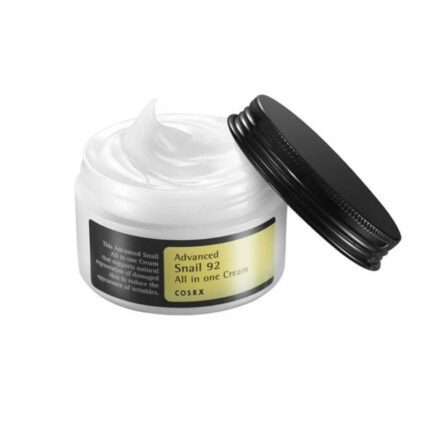 Sale
SaleOriginal price was: ৳ 2,360.00.৳ 1,652.00Current price is: ৳ 1,652.00.
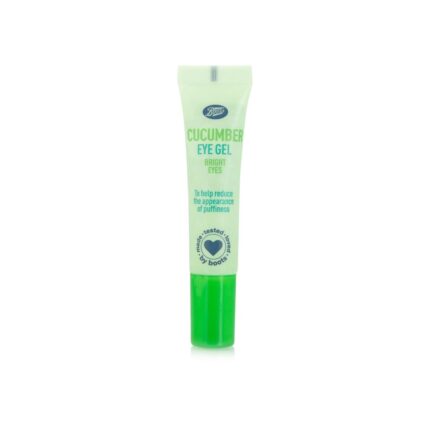 Sale
SaleOriginal price was: ৳ 700.00.৳ 550.00Current price is: ৳ 550.00.
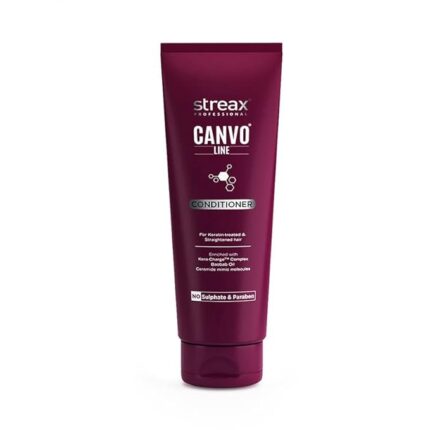 Sale
SaleOriginal price was: ৳ 800.00.৳ 749.00Current price is: ৳ 749.00.
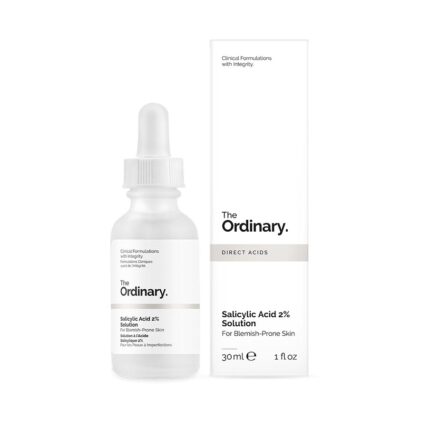 Sale
SaleOriginal price was: ৳ 2,000.00.৳ 1,490.00Current price is: ৳ 1,490.00.
How This Natural Preservative Ferment Ingredient Works
Brands often describe Leuconostoc/Radish Root Ferment Filtrate as a natural preservative ferment ingredient. It helps support a product’s preservation system, especially in formulas with water. Because microbes need water to grow, most lotions and creams need some form of protection.
Cosmetic chemists rarely depend on one ingredient alone for preservation. Instead, they build a full system with pH control, packaging, good manufacturing, and preservative support. This means one ingredient can help, yet the whole formula decides product safety.
Antimicrobial support
During fermentation, Leuconostoc can create peptides and organic acids. Some of these act as an antimicrobial compound, which means they can help slow certain microbes. Lab testing helps formulators confirm whether a finished product resists contamination.
Leuconostoc/Radish Root Ferment Filtrate can support broad formula freshness, but it does not sterilize a product. However, that same fact applies to many cosmetic preservatives. Products still need clean manufacturing and proper storage after purchase.
Formula freshness
Freshness matters because creams and serums contact fingers, air, and bathroom humidity. As a result, microbes can enter a jar or bottle during normal use. Preservatives help reduce that risk during the product’s shelf life.
Leuconostoc/Radish Root Ferment Filtrate often appears in products that avoid harsher-sounding preservative names. Still, shoppers should not judge safety by name alone. The best clue comes from a brand’s testing, packaging, and clear expiration guidance.
Skin feel and texture
Many shoppers choose fermented skincare because it feels light and modern. Leuconostoc/Radish Root Ferment Filtrate usually adds little weight or greasiness. This helps brands make products that feel smooth, fresh, and easy to layer.
However, preservation value does not equal skin treatment value. The ingredient may suit a gentle formula, yet it does not replace moisturizers or barrier-supporting oils. Look at the full ingredient list if dryness, redness, or breakouts concern you.
Why Shoppers See It in Modern Skincare
Leuconostoc/Radish Root Ferment Filtrate grew popular as shoppers asked for plant-based and fermentation-derived ingredients. Beauty brands noticed that many buyers wanted formulas that felt closer to nature. Since then, this ingredient has appeared in cleansers, toners, moisturizers, masks, and hair products.
Market research shows continued shopper interest in fermentation, clean beauty, and simpler ingredient stories. However, simple does not always mean safer or better. A long scientific name can still describe a gentle and useful ingredient.
Cleaner label appeal
Many online shoppers scan labels for ingredients they recognize or can understand. Because radish root sounds familiar, Leuconostoc/Radish Root Ferment Filtrate can feel less intimidating. Brands may highlight it when they want a softer preservation story.
Still, label appeal should not replace performance. A product must stay stable from warehouse to bathroom shelf. That is why responsible brands test formulas under heat, cold, light, and repeated use conditions.
Fermentation trend
Fermented skincare draws interest because fermented foods have a healthy image. While the skin and gut differ, shoppers often connect fermentation with balance and care. This means brands can tell a story that feels both natural and science-based.
Leuconostoc/Radish Root Ferment Filtrate fits that trend without sounding like a heavy chemical preservative. Yet every cosmetic ingredient remains a chemical by nature. Water, oils, vitamins, and plant extracts all have chemical structures.
Gentle product positioning
Brands may use this ingredient in products aimed at sensitive or minimal routines. However, gentle positioning does not guarantee a reaction-free product. Fragrance, essential oils, acids, and strong actives may still bother some skin types.
Dermatologists often recommend patch testing new skincare, especially for reactive skin. Apply a small amount near the jaw or inner arm first. If irritation appears, stop using the product and review the full label.
Benefits and Limits of the Ingredient
Leuconostoc/Radish Root Ferment Filtrate offers useful benefits for both brands and shoppers. It can support preservation, fit natural-leaning formulas, and work in many textures. Because it can blend into water-based products, formulators can use it in many categories.
However, no ingredient solves every formula problem. A preservative helper must match the product’s pH, water level, packaging, and target shelf life. Research and challenge testing guide those choices in professional labs.
Potential benefits
The main benefit involves product protection. Leuconostoc/Radish Root Ferment Filtrate can help slow certain bacteria, yeast, and mold in cosmetic formulas. This supports safer use when the brand builds the formula well.
Another benefit comes from consumer comfort. Some shoppers prefer a natural preservative ferment ingredient over preservatives they associate with irritation. Although that preference feels personal, it can make label reading less stressful.
Texture and formula flexibility
This ferment usually works well in lightweight formulas. For example, gels, watery serums, toners, and lotions may include it without a heavy finish. That makes it useful for shoppers who dislike thick or sticky products.
Leuconostoc/Radish Root Ferment Filtrate can also appear in hair care. Leave-in sprays, conditioners, and scalp products need freshness support, too. Since many hair products contain water, they also need preservation planning.
Real limits
The ingredient may not protect every product by itself. Some microbes resist certain preservation systems, especially when formulas contain many plant extracts. That is why cosmetic labs run microbial challenge tests before launch.
Leuconostoc/Radish Root Ferment Filtrate also depends on supplier quality. Fermentation time, filtration, and storage can affect consistency. Because of this, strong brands buy from reputable suppliers and keep records for each batch.
What it does not do
This ingredient does not erase wrinkles, cure acne, or heal eczema. It mainly helps product quality and freshness. When a brand presents Leuconostoc/Radish Root Ferment Filtrate as a miracle treatment, read the claim with caution.
Still, a well-preserved product supports skin health indirectly. Spoiled cosmetics can smell bad, change texture, and irritate skin. So, preservation remains one of the most important parts of safe skincare.
Safety, Skin Types, and Sensitivity
Most shoppers tolerate Leuconostoc/Radish Root Ferment Filtrate well in finished skincare. Cosmetic safety reviews focus on final product use, not raw ingredient fear. However, every skin type can react to almost any ingredient.
Dermatologists recommend extra care if you have allergies, eczema, rosacea, or frequent stinging. Since barrier damage raises irritation risk, introduce one new product at a time. This helps you find the cause if your skin reacts.
Sensitive skin
Sensitive skin needs simple formulas with fewer possible triggers. Leuconostoc/Radish Root Ferment Filtrate may fit those formulas, but it cannot cancel other irritants. Fragrance and strong exfoliating acids often cause more trouble than preservative helpers.
When your skin burns easily, start with a patch test. Use the product once every other day at first. If your skin stays calm, move toward regular use slowly.
Acne-prone skin
Acne-prone shoppers often worry about every new ingredient. Leuconostoc/Radish Root Ferment Filtrate does not act like a pore-clogging oil. The full formula matters more than this single ferment.
For example, rich butters, heavy waxes, or certain oils may feel too occlusive for some acne-prone skin. However, many people with acne still need moisture. Choose light gels or lotions if heavy creams trigger congestion.
Dry or mature skin
Dry skin needs water-binding ingredients, oils, and barrier support. Leuconostoc/Radish Root Ferment Filtrate can help keep the product fresh, but it does not replace humectants. Look for glycerin, hyaluronic acid, ceramides, or plant oils if dryness persists.
Mature skin also benefits from steady hydration and sun protection. Because preserved products last longer, they support consistent routines. A stable moisturizer helps more than a trendy ingredient used only once.
When to avoid a product
Avoid any product that changes smell, color, or texture. Even with Leuconostoc/Radish Root Ferment Filtrate, poor storage can damage a formula. Heat, sunlight, and wet fingers can shorten product life.
Stop using a product if it causes swelling, hives, or strong burning. Although mild tingling can happen with active ingredients, pain signals trouble. Seek medical guidance if symptoms feel severe or spread quickly.
How to Choose Products With Leuconostoc/Radish Root Ferment Filtrate
Choosing products with Leuconostoc/Radish Root Ferment Filtrate starts with the full label. Do not judge a product by one ingredient alone. Instead, match the formula to your skin type, routine, and comfort level.
Product quality also depends on packaging and brand testing. Research in cosmetic science shows that airless pumps and tubes can reduce repeated finger contact. This can help preserve formulas better than wide jars.
Where it appears on labels
Ingredient lists follow descending order, with higher amounts listed first. Leuconostoc/Radish Root Ferment Filtrate may appear near the middle or lower part of a label. That placement can still make sense for a preservative-support ingredient.
When it appears very high, the brand may use it for marketing and formulation reasons. However, high placement does not always mean stronger preservation. The formula’s whole design still controls performance.
Ingredient list clues
Look for simple supporting ingredients if your skin reacts often. For example, glycerin, aloe, squalane, and panthenol can pair well with gentle routines. Strong acids, retinoids, and fragrance may need more care.
Leuconostoc/Radish Root Ferment Filtrate may appear beside other preservative helpers. This does not mean the brand made a poor formula. Instead, it may show that the chemist built a safer preservation system.
Packaging and storage
Choose pumps, tubes, or dropper bottles when you want less finger contact. Still, droppers can touch skin if you press them against your face. Keep applicators clean and close caps tightly after each use.
Store products away from hot cars, sunny windows, and steamy shower shelves. Heat can weaken texture, scent, and preservation. Because bathroom humidity can affect jars, scoop creams with clean hands or a clean spatula.
Brand transparency
Trustworthy brands explain what Leuconostoc/Radish Root Ferment Filtrate does without making wild claims. They focus on preservation support, formula freshness, and gentle positioning. Clear directions and expiration guidance also show care.
When a brand claims a product needs no preservative, read closely. Water-based skincare almost always needs preservation. An oil-only balm may not need the same system, but most lotions and serums do.
Patch testing steps
Patch testing helps reduce guesswork before you apply a product widely. Apply a small amount to the inner arm or behind the ear. Wait at least a day, and watch for redness, itching, or bumps.
If your skin looks calm, test again on a small face area. This step matters for leave-on products like serums and moisturizers. Leuconostoc/Radish Root Ferment Filtrate may be gentle, yet the full formula decides your result.
Comparing Natural and Synthetic Preservatives
Many shoppers compare Leuconostoc/Radish Root Ferment Filtrate with synthetic preservatives. The better choice depends on the formula, not fear-based labels. Both natural-derived and synthetic options can protect products when chemists use them well.
Studies show that preserved cosmetics reduce the risk of microbial spoilage during normal use. However, each preservative system has strengths and limits. A safe formula needs the right match for product type and storage conditions.
What synthetic preservatives do well
Synthetic preservatives often have long safety records and clear performance data. Many work across broad pH ranges and against many microbes. This helps brands make stable products for global shipping and long shelf life.
However, some shoppers dislike certain synthetic names due to past reactions or personal values. That concern can feel valid, even when science supports safe use. Personal comfort plays a real role in buying decisions.
What natural-derived options do well
Natural-derived systems can fit brands that want a plant-based story. Leuconostoc/Radish Root Ferment Filtrate gives formulators a fermentation-based option with consumer appeal. It may also work well with other gentle preservation helpers.
Still, natural origin does not prove low irritation. Poison ivy comes from nature, while many lab-made ingredients feel very mild. Judge the finished product by testing, skin response, and brand quality.
Why blends are common
Many products use blends because microbes differ. A preservative that slows bacteria may not control yeast as well. So, chemists combine ingredients to cover more risks.
Leuconostoc/Radish Root Ferment Filtrate may serve as one part of that blend. Other parts may adjust pH, bind water, or reduce microbial growth. Together, these choices can create a stronger safety net.
Best choice for shoppers
The best preservative system keeps the product safe and suits your skin. If you react to one formula, the preservative may not be the cause. Fragrance, actives, or plant extracts can also trigger problems.
When choosing between natural and synthetic options, focus on your history. If your skin likes a product, do not reject it only because one name sounds technical. Leuconostoc/Radish Root Ferment Filtrate can be a good sign, not the only sign.
Myths About This Ferment Ingredient
Leuconostoc/Radish Root Ferment Filtrate has earned both praise and confusion. Some claims make it sound like a full preservative system in every formula. Others dismiss it because it comes from a plant ferment.
Good skincare decisions need more balance. Research supports the value of antimicrobial ingredients, yet finished products need real testing. That is why myths can lead shoppers toward poor choices.
Myth: natural means preservative-free
A product with Leuconostoc/Radish Root Ferment Filtrate still has preservative support. Natural-leaning does not mean preservative-free. In fact, preserved products often protect shoppers better than unpreserved water-based formulas.
When a brand uses the word natural, check what it actually means. It may refer to ingredient origin, brand standards, or marketing style. Since rules vary, the ingredient list gives better guidance than slogans.
Myth: fermentation always helps skin
Fermentation can create useful compounds, but it does not guarantee skin benefits. The final filtrate, dose, and formula context matter. Leuconostoc/Radish Root Ferment Filtrate mainly helps product freshness, not deep skin repair.
However, a stable product can support better routines. If a moisturizer stays fresh and pleasant, you may use it more consistently. Consistent use often matters more than a single headline ingredient.
Myth: long names are unsafe
Long ingredient names often describe source and process. Leuconostoc/Radish Root Ferment Filtrate sounds complex because cosmetic labels need detail. The name tells you the bacteria, plant source, and filtered form.
Short names can still irritate skin, while long names can feel mild. For example, fragrance sounds simple but often contains many scent compounds. Read the whole label before making a judgment.
Myth: one ingredient proves a product is clean
No single ingredient proves a product deserves your money. Leuconostoc/Radish Root Ferment Filtrate can support a clean beauty position, yet the whole product matters. Packaging, testing, claims, and user fit all count.
Because online shopping removes hands-on testing, read reviews with care. Look for patterns from people with skin like yours. Still, your own patch test gives the most useful answer.
How It Fits Into a Simple Routine
Leuconostoc/Radish Root Ferment Filtrate does not require a special routine. You use the product according to its category, whether cleanser, toner, serum, or cream. The ingredient works inside the formula rather than as a separate treatment step.
Dermatologists often suggest keeping routines simple when skin feels stressed. A cleanser, moisturizer, and sunscreen can cover many needs. Then you can add treatment products only when your skin stays calm.
Morning use
Morning routines usually focus on cleansing, moisture, and sun protection. If your moisturizer contains Leuconostoc/Radish Root Ferment Filtrate, use it as directed. The ferment does not conflict with sunscreen.
However, always apply sunscreen as the final daytime skincare step. Preserved formulas can stay fresh, but sunscreen protects against UV damage. Studies consistently connect UV exposure with early signs of skin aging.
Evening use
Evening routines often include cleansing and repair-focused products. A serum or cream with Leuconostoc/Radish Root Ferment Filtrate can fit after cleansing. Follow the product texture, moving from thinner layers to thicker creams.
When using retinoids or acids, avoid adding too many new products at once. This helps you spot irritation early. If stinging develops, reduce frequency and return to a simpler routine.
Layering with actives
This ferment usually does not act like an exfoliating acid or retinoid. Because of that, it rarely creates layering conflicts by itself. The product’s other ingredients matter much more.
For example, a toner with strong acids may not suit daily use for sensitive skin. A cream with soothing ingredients may feel more forgiving. Leuconostoc/Radish Root Ferment Filtrate does not change those basic routine rules.
How long products last
Product life depends on formula, packaging, storage, and opening date. Many cosmetics show a period-after-opening symbol or written guidance. Follow that guidance even when the product still looks normal.
Leuconostoc/Radish Root Ferment Filtrate can support freshness, but it cannot stop time. Toss products that smell sour, separate oddly, or change color. Your skin deserves formulas that remain clean and stable.
Buying Tips for Online Shoppers
Online shoppers cannot smell, touch, or patch test before checkout. So, ingredient literacy becomes more useful. Leuconostoc/Radish Root Ferment Filtrate can signal a formula that uses a fermentation-based preservation approach.
However, smart buying also means checking return policies, product size, and realistic claims. Reviews can help, yet they do not replace your skin’s response. Choose products that match your goals, not just trends.
Read the product claim
Good product pages explain benefits in clear terms. If a brand says Leuconostoc/Radish Root Ferment Filtrate supports freshness, that claim sounds reasonable. If it promises to cure skin disease, treat that as a warning sign.
Cosmetic products can improve appearance, comfort, and feel. They cannot legally claim to treat medical conditions in the same way drugs do. This difference helps you spot exaggerated marketing.
Check the full formula
Scan the first several ingredients because they shape the product most. Water, humectants, oils, silicones, and emulsifiers create texture and skin feel. Preservative helpers often appear lower on the list.
Leuconostoc/Radish Root Ferment Filtrate may pair with soothing or active ingredients. That pairing affects how the product works for you. For sensitive skin, fewer fragrance materials often means a safer starting point.
Match format to skin needs
Choose gels or light lotions if you dislike heaviness. Pick richer creams if your skin feels tight or flaky. For oily skin, water-based products may feel more comfortable under sunscreen.
Because this ingredient works across many formats, do not assume every product feels the same. A serum and a balm can behave very differently. Texture comes from the whole formula, not only the ferment.
Watch for freshness signs
When your order arrives, inspect the product before regular use. Check the seal, scent, color, and texture. Contact the seller if anything looks damaged or strange.
During use, close containers tightly and avoid adding water to jars. Water from fingers can bring microbes into a product. Leuconostoc/Radish Root Ferment Filtrate helps, yet clean habits still matter.
Frequently Asked Questions
Is Leuconostoc/Radish Root Ferment Filtrate natural?
Leuconostoc/Radish Root Ferment Filtrate comes from a fermentation process using radish root and Leuconostoc bacteria. Many brands treat it as natural-derived, though standards for natural claims can vary. Check the brand’s definition if that claim matters to you.
Can it irritate sensitive skin?
Most people tolerate this ingredient well in finished products. However, sensitive skin can react to many formula parts, including fragrance or strong actives. Patch test first if your skin stings, flushes, or breaks out easily.
Does it replace all preservatives?
Leuconostoc/Radish Root Ferment Filtrate can support preservation, but it may not replace every preservative system. Cosmetic chemists often combine it with other helpers. The final product needs testing to prove it resists microbial growth.
Is it vegan and cruelty-free?
The ingredient itself comes from radish root fermentation, so it often fits vegan formulas. However, vegan and cruelty-free status depends on the whole product and brand policy. Check the product label and brand statement before buying.
Final Thoughts
Leuconostoc/Radish Root Ferment Filtrate can help keep skincare fresh while fitting a natural-leaning ingredient story. The single most important takeaway is simple: judge the finished formula, not one name on the label. Choose products from transparent brands, store them well, and patch test before regular use.