
Sodium Cocoyl Glycinate: Gentle Cleanser Guide

Tight, dry skin after washing can make even a pricey cleanser feel wrong. Sodium Cocoyl Glycinate often appears in gentle face washes because it cleans without a harsh, stripped feel. This guide explains what it does, who may like it, and how to shop smarter.
What Is Sodium Cocoyl Glycinate?
Sodium Cocoyl Glycinate is a surfactant, which means it helps water lift oil and dirt from skin. It comes from fatty acids often linked to coconut oil and glycine, an amino acid. Because of this structure, many formulators use it in mild cleansers for daily care.
Research indicates amino acid based surfactants can feel softer than many older cleansing agents. Sodium Cocoyl Glycinate often creates a creamy foam rather than a sharp, squeaky finish. That is why shoppers often see it in products for sensitive, dry, or balanced skin.
How the name breaks down
The word sodium refers to the salt form of the ingredient. Cocoyl points to fatty acid chains often sourced from coconut based materials. Glycinate shows the link to glycine, which helps make this a glycine surfactant ingredient.
However, the name does not mean the product contains plain coconut oil. A cleanser with Sodium Cocoyl Glycinate works very differently from raw oil. It rinses away with water and helps remove daily buildup.
Where you will find it
Shoppers most often find Sodium Cocoyl Glycinate in facial cleansers, body washes, hand washes, and shampoos. It also appears in some baby washes and creamy foaming products. Dermatologists often recommend gentle cleansing routines for people who feel dry after washing.
When brands want a soft foam, they may pair this ingredient with other mild surfactants. The blend can change how rich, bubbly, or slippery the product feels. This means the full formula matters as much as one ingredient.
Recommended Products
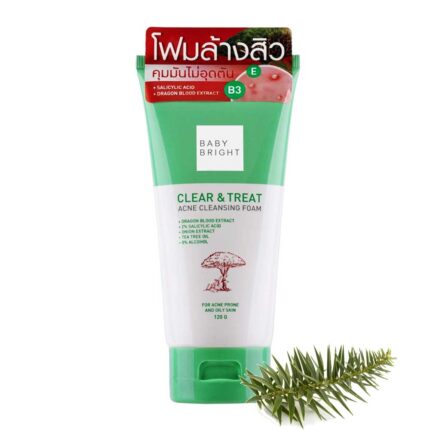 Sale
SaleOriginal price was: ৳ 1,050.00.৳ 799.00Current price is: ৳ 799.00.
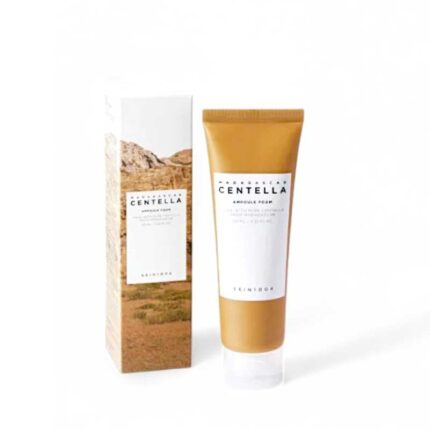 Sale
SaleOriginal price was: ৳ 460.00.৳ 320.00Current price is: ৳ 320.00.
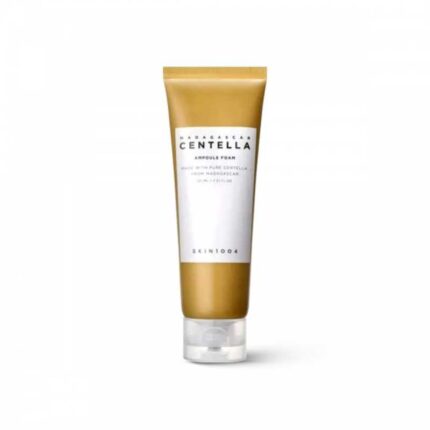 Sale
SaleOriginal price was: ৳ 2,080.00.৳ 1,456.00Current price is: ৳ 1,456.00.
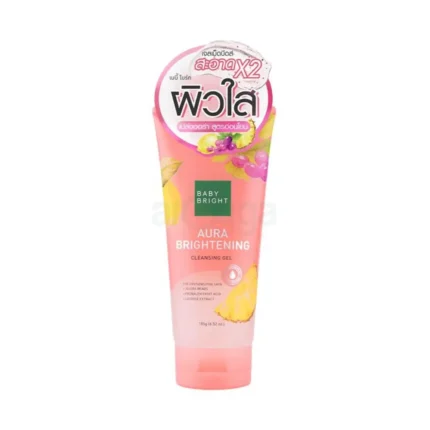 Sale
SaleOriginal price was: ৳ 850.00.৳ 540.00Current price is: ৳ 540.00.
How Sodium Cocoyl Glycinate Cleans Skin
Sodium Cocoyl Glycinate lowers surface tension, which helps water spread across skin. Then it surrounds oil, sunscreen residue, sweat, and grime. When you rinse, the cleanser carries that buildup down the drain.
Because skin has a natural barrier, cleansing should remove soil without removing too much protective oil. Studies show harsh washing can disturb the skin barrier and increase dryness. A mild cleansing compound can help reduce that tight feeling after rinsing.
Micelles and daily grime
Surfactants form tiny groups called micelles when they mix with water. These groups hold oily debris inside and water-loving parts outside. As a result, Sodium Cocoyl Glycinate can help wash away residue without aggressive scrubbing.
For example, a morning face wash may only need to remove sweat and light oil. A night cleanser may need to remove sunscreen and pollution particles. The same ingredient can work in both cases, depending on the full formula.
Foam, slip, and rinse feel
Foam does not always equal cleaning power. Still, many shoppers enjoy a soft lather because it spreads easily. Sodium Cocoyl Glycinate often gives a dense, cushiony foam that feels pleasant on the face.
However, rinse feel varies by product. Some formulas leave skin feeling smooth, while others rinse more cleanly. The difference often comes from added humectants, oils, thickeners, and the pH level.
Why pH matters
Healthy skin usually has a mildly acidic surface. Research indicates cleansers with skin-friendly pH levels may support barrier comfort. Many products with Sodium Cocoyl Glycinate aim for a gentle pH range.
When a cleanser feels squeaky, the pH or surfactant blend may not suit your skin. That feeling can signal too much oil removal. Instead, look for a wash that leaves skin clean, soft, and calm.
Benefits for Different Skin Types
Sodium Cocoyl Glycinate appeals to many shoppers because it suits a wide range of routines. It can help cleanse oily skin without a rough finish. It can also support dry skin when the formula includes moisture-binding ingredients.
Dermatologists often suggest gentle cleansing for acne-prone, sensitive, or barrier-stressed skin. That advice does not mean every gentle cleanser treats acne or eczema. Still, a kinder wash can reduce one common source of irritation.
Dry and sensitive skin
Dry skin needs cleansing, but it also needs comfort after rinsing. Sodium Cocoyl Glycinate often works well in creamy gels and low-stripping foams. Because it can clean gently, it may suit people who dislike tightness.
Although sensitive skin has many triggers, harsh surfactants can make problems worse. Fragrance, dyes, and strong acids may also bother reactive skin. So shoppers should review the whole label, not just one mild ingredient.
Oily and combination skin
Oily skin still needs a balanced cleanser. A very harsh wash can leave skin feeling fresh at first, yet dry later. Sodium Cocoyl Glycinate may help remove surface oil while keeping the finish more comfortable.
When skin has oily and dry zones, a gentle foam can be easier to use daily. For example, the T-zone may need oil control, while cheeks may need care. A balanced formula can help both areas feel cleaner.
Acne-prone skin
Acne-prone shoppers often focus on treatment ingredients. However, cleansing can affect how well the routine feels over time. Sodium Cocoyl Glycinate does not treat acne by itself, but it can support a less drying wash step.
Dermatologists often advise against harsh scrubbing for breakouts. Scrubbing can irritate the skin and make redness look worse. Instead, a gentle cleanser and proven acne treatment can work together better.
Mature skin
Mature skin may feel drier because oil production can change with age. Gentle cleansing becomes more helpful when skin feels thinner or less resilient. Sodium Cocoyl Glycinate can fit well in routines that focus on comfort.
Since mature skin often uses retinoids or exfoliating acids, the cleanser should not add extra stress. A mild wash can help the routine feel more balanced. Look for glycerin, panthenol, or amino acids alongside Sodium Cocoyl Glycinate.
Sodium Cocoyl Glycinate in Product Labels
Sodium Cocoyl Glycinate usually appears in the ingredient list with other cleansing agents. Ingredient lists show components in order by weight until lower levels appear. This helps shoppers guess whether the ingredient plays a major role.
However, labels do not show exact amounts. Two cleansers can list Sodium Cocoyl Glycinate, yet feel very different. Product texture, pH, and supporting ingredients all change the final experience.
Common ingredient partners
Brands often pair Sodium Cocoyl Glycinate with cocamidopropyl betaine, decyl glucoside, or sodium cocoyl glutamate. These partners can improve foam, thickness, and rinse feel. Research indicates surfactant blends often feel milder than a single strong cleanser.
Humectants like glycerin and betaine can help reduce dryness after washing. Soothing agents like allantoin or panthenol may also improve comfort. As a result, a cleanser can feel more skin-friendly during daily use.
Ingredients that may change the feel
Fragrance can make a cleanser smell appealing, but it may bother sensitive users. Essential oils can also cause issues for some people. If your skin reacts often, a fragrance-free product may make more sense.
Exfoliating acids, clay, charcoal, or menthol can change how a cleanser feels. These ingredients may suit some shoppers, yet they can feel too active for others. When in doubt, choose a simpler formula first.
How to read claims
Claims like gentle, natural, or dermatologist tested can guide shoppers, but they do not guarantee a perfect match. The ingredient list gives better clues. Sodium Cocoyl Glycinate can support mild cleansing, yet the full formula decides performance.
For example, a cleanser may contain a mild surfactant but also include strong fragrance. Another may contain several gentle surfactants and moisture helpers. That is why patch testing helps before daily use.
How It Compares With Other Cleansers
Sodium Cocoyl Glycinate sits in a group of milder surfactants used in modern personal care. Many shoppers compare it with sulfates, glucosides, and other amino acid cleansers. Each option can work well when formulated with care.
Studies show cleansing harshness depends on surfactant type, concentration, pH, and contact time. This means one ingredient cannot tell the whole story. Still, knowing the main cleanser helps you make a better choice.
Compared with sulfates
Sulfates like sodium lauryl sulfate can create strong foam and high cleansing power. They can also feel drying for some users. Sodium Cocoyl Glycinate often offers a softer feel, especially in facial products.
However, not every sulfate formula feels harsh. Some brands reduce dryness with smart blends and moisturizers. Still, shoppers with tight skin often prefer Sodium Cocoyl Glycinate in daily cleansers.
Compared with glucosides
Glucosides come from sugar-based chemistry and often appear in gentle products. They can feel mild, but some formulas rinse with less cushion. Sodium Cocoyl Glycinate may give a creamier foam in many cleansers.
While both groups can suit sensitive routines, their feel differs. Glucosides may work well in natural-style formulas. Amino acid cleansers often appeal to shoppers who want a soft, polished rinse.
Compared with soap
Traditional soap has a higher pH than most skin-friendly facial cleansers. Research indicates high pH cleansing can increase dryness for some people. Sodium Cocoyl Glycinate can help create lower pH cleansers instead.
Soap bars can still suit many hands and bodies. Yet facial skin often reacts faster to dryness. If your face feels tight after soap, a gentle surfactant cleanser may help.
Compared with oil cleansers
Oil cleansers dissolve makeup and sunscreen using oils and emulsifiers. They do not foam like most water-based washes. Sodium Cocoyl Glycinate works better in foaming gels, creams, and shampoos.
Some shoppers use both in a double cleanse. First, oil cleanser loosens heavy sunscreen or makeup. Then a gentle foaming wash removes leftover residue without a stripped finish.
Safety, Sensitivity, and Daily Use
Sodium Cocoyl Glycinate has a good reputation in gentle cleansing formulas. Cosmetic safety reviews generally allow surfactants when brands use them at proper levels. Still, any cleanser can bother some skin types.
Because personal care products contain many ingredients, reactions rarely point to one cause right away. Preservatives, fragrance, botanicals, or actives may trigger discomfort. A careful test can save you from a full-face flare.
Patch testing at home
Patch testing means trying a small amount before using a product widely. Apply the cleanser to a small area, then rinse as directed. Watch for stinging, redness, itching, or unusual dryness.
When skin reacts, stop using the product and let the area recover. If symptoms last, contact a healthcare professional. This simple step helps shoppers test Sodium Cocoyl Glycinate products with less risk.
How often to cleanse
Most people cleanse the face once or twice daily. Dermatologists often suggest washing after sweating, sunscreen, makeup, or heavy pollution exposure. Over-washing can make even mild products feel drying.
If your skin feels tight, reduce contact time or cleanse less often. Use lukewarm water instead of hot water. Then apply moisturizer while skin still feels slightly damp.
Eye area caution
The eye area can sting easily, even with gentle products. Sodium Cocoyl Glycinate may feel mild on skin, but it can still irritate eyes. Keep foaming cleansers away from the lash line unless the label says otherwise.
When cleanser enters your eye, rinse with clean water. Remove contact lenses if needed and follow product directions. If pain continues, seek medical advice promptly.
Children and very reactive skin
Products for children often use mild surfactant systems and simple formulas. Sodium Cocoyl Glycinate can appear in gentle family cleansers. Still, children need products made for their age and use case.
For very reactive skin, choose fragrance-free products with short ingredient lists. Since eczema and allergies need personal care, ask a clinician for guidance. A mild cleanser helps, but it cannot replace medical advice.
How to Choose a Product With Sodium Cocoyl Glycinate
Smart shopping starts with your skin goal. Do you want less tightness, better makeup removal, or a softer shampoo? Sodium Cocoyl Glycinate can support these goals when the rest of the formula matches.
When I review cleanser labels, I look for balance before buzzwords. A good wash should clean well, rinse easily, and leave skin comfortable. Product claims matter less than how your skin feels after one week.
For face washes
Choose a face wash with Sodium Cocoyl Glycinate if you want foam without a harsh feel. Look for glycerin, betaine, panthenol, or aloe if you need comfort. Avoid strong fragrance if your skin stings easily.
Because face skin often reacts faster than body skin, start with a small amount. Massage for a short time, then rinse well. Follow with moisturizer to help protect the barrier.
For body washes
Body skin can handle more cleansing than facial skin, but dryness still matters. Sodium Cocoyl Glycinate can make body wash feel creamy and less stripping. This helps during cold weather or frequent showers.
When body skin feels itchy after washing, check for fragrance and high-foam harsh blends. A richer cleanser may help reduce that dry feeling. Moisturizer after showering can improve comfort even more.
For shampoos
Shampoos with Sodium Cocoyl Glycinate often target a gentler scalp feel. They may suit people who wash often or dislike squeaky hair. However, very oily scalps may need stronger cleansing at times.
Research indicates scalp comfort depends on cleansing strength, residue, and skin sensitivity. If hair feels heavy, rotate with a deeper cleanser occasionally. If scalp feels tight, choose a milder wash more often.
For makeup and sunscreen users
Heavy sunscreen and long-wear makeup can challenge any gentle cleanser. Sodium Cocoyl Glycinate can help remove light residue, but it may need support. A first cleanse can loosen stubborn film before foam cleansing.
For example, use a balm or oil cleanser first on makeup days. Then use a gentle foam to remove leftover residue. This approach can clean well without extra rubbing.
Pros and Cons for Online Shoppers
Sodium Cocoyl Glycinate has clear strengths, yet no ingredient suits everyone. Online shoppers should weigh benefits against formula limits. Reviews can help, but skin type and routine matter more.
Because you cannot feel texture before buying online, read product descriptions carefully. Look for words like creamy foam, low pH, fragrance-free, or sensitive skin. Still, confirm those claims by checking the ingredient list.
Main advantages
- Gentle cleansing feel: It often cleans without the sharp dryness linked to stronger surfactants.
- Rich foam: Many formulas create a soft lather that spreads well across skin.
- Skin-friendly image: Brands often use Sodium Cocoyl Glycinate in cleansers for sensitive routines.
- Versatile use: It can work in face wash, body wash, hand wash, and shampoo formulas.
Studies show users often stick with routines that feel pleasant and easy. A cleanser that feels soft can support better daily habits. That matters because steady use often beats harsh, occasional cleansing.
Possible drawbacks
- Not always enough for heavy makeup: Long-wear products may need a first cleanse.
- Formula matters: Fragrance or active ingredients can reduce the mild feel.
- May cost more: Some amino acid cleanser formulas sit in higher price ranges.
- Not a treatment: It cleans skin, but it does not treat acne, rosacea, or eczema.
However, these drawbacks do not make Sodium Cocoyl Glycinate a poor choice. They only show why context matters. The best product fits your skin, budget, and cleansing needs.
What reviews can tell you
Reviews can reveal texture, scent, foam level, and rinse feel. They can also show patterns, such as dryness complaints or praise from sensitive users. Look for reviewers with skin concerns like yours.
Yet reviews cannot predict every reaction. Skin history, climate, water hardness, and routine all affect results. So start slowly when trying a new cleanser.
Myths About Sodium Cocoyl Glycinate
Ingredient names can sound confusing, so myths spread quickly. Sodium Cocoyl Glycinate often gets grouped with many unrelated cleansers. Clear facts help shoppers avoid fear and false promises.
Research in cosmetic science shows surfactants vary widely in structure and behavior. This means one label term does not define safety or quality. The full formula and your skin response matter most.
Myth: Coconut-derived means comedogenic
Raw coconut oil can clog pores for some people. Sodium Cocoyl Glycinate is not the same as raw coconut oil. It functions as a rinse-off cleanser, not a leave-on oil.
Because rinse-off products contact skin briefly, they often pose less pore-clogging concern than heavy creams. Still, acne-prone shoppers should watch their own skin. If breakouts increase, stop using the product.
Myth: More foam means more damage
Foam alone does not prove a cleanser is harsh. Some gentle surfactants create pleasing foam. Sodium Cocoyl Glycinate can lather well while still feeling mild.
However, very long washing or hot water can increase dryness. The way you cleanse matters as much as the foam. Use gentle pressure and rinse fully.
Myth: Natural claims always mean gentle
Natural-style claims can sound reassuring, but they do not guarantee comfort. Some botanical extracts and essential oils can irritate sensitive skin. A simple formula may work better than a crowded one.
Sodium Cocoyl Glycinate may come from plant-linked feedstocks, yet processing creates a specific cosmetic ingredient. That does not make it bad or magic. It simply means shoppers should judge results, not slogans.
How to Use It in a Skin Care Routine
Sodium Cocoyl Glycinate works best when the routine around it supports the skin barrier. Cleansing should prepare skin, not leave it stressed. A smart routine uses short contact time and simple follow-up steps.
Dermatologists recommend moisturizing after cleansing, especially for dry or sensitive skin. Moisturizer helps reduce water loss and improves comfort. This step can make a gentle cleanser feel even better.
Morning routine
In the morning, many people only need a light cleanse. Sodium Cocoyl Glycinate can remove overnight oil and sweat without a heavy feel. Some dry skin types may rinse with water instead.
After cleansing, apply moisturizer if your skin needs it. Then use sunscreen during daytime. This order keeps the routine simple and useful.
Evening routine
At night, cleansing removes sunscreen, makeup, pollution, and oil. Sodium Cocoyl Glycinate can serve as the main wash for many routines. If residue remains, try a first cleanse before it.
When using retinoids or exfoliating acids, avoid harsh washing. A gentle cleanser can reduce extra dryness from active products. Then apply treatment and moisturizer as directed.
Common use mistakes
- Using too much product: A small amount often cleans the face well.
- Scrubbing hard: Fingers should glide over skin without rough pressure.
- Using hot water: Heat can worsen dryness and redness.
- Skipping moisturizer: Cleansing feels better when skin gets moisture afterward.
Although Sodium Cocoyl Glycinate can feel mild, poor habits can still cause dryness. Keep cleansing brief and gentle. Your skin should feel clean, not tight or shiny from stripping.
Buying Checklist for Gentle Cleansers
A good checklist saves time when product pages feel crowded. Sodium Cocoyl Glycinate is a helpful clue, but it should not be your only filter. Use the full label, claims, and your skin needs together.
Because online listings can be incomplete, compare the product box with the listing when it arrives. Ingredient lists can change over time. If the formula changed, your old experience may not match the new bottle.
Label features to prefer
- Fragrance-free option: This can help people with reactive or redness-prone skin.
- Moisture support: Glycerin, betaine, or panthenol can improve after-wash comfort.
- Skin-friendly pH claim: Low pH or balanced pH claims may help facial skin.
- Clear use directions: Good directions reduce overuse and poor results.
For example, a cleanser with Sodium Cocoyl Glycinate and glycerin may suit dry skin better. A gel with stronger oil control may suit oily skin better. Match the formula to your daily reality.
Red flags to consider
- Heavy perfume claims: Strong scent can bother sensitive users.
- Very long active lists: Too many extras can raise irritation risk.
- Vague miracle claims: Cleansers wash off, so they have limits.
- No full ingredient list: Missing details make comparison harder.
Still, a red flag does not always mean a bad product. Some people enjoy fragrance and active cleansers without trouble. Your best choice depends on skin response and comfort.
Price and value
Price does not always prove quality. Some affordable cleansers with Sodium Cocoyl Glycinate feel excellent. Some expensive products include fragrance or extras that do not suit sensitive skin.
When comparing value, check bottle size, usage amount, and refill options. A concentrated cleanser may last longer than a watery one. Value improves when you finish the product comfortably.
Frequently Asked Questions
Is Sodium Cocoyl Glycinate good for sensitive skin?
Sodium Cocoyl Glycinate often suits sensitive skin because it can clean with a mild feel. However, the full formula matters, especially fragrance and exfoliating ingredients. Patch test first if your skin reacts often.
Is Sodium Cocoyl Glycinate sulfate-free?
Yes, Sodium Cocoyl Glycinate is not a sulfate. It belongs to a different surfactant group linked to amino acid chemistry. Always check the full label if you want a fully sulfate-free product.
Can Sodium Cocoyl Glycinate remove sunscreen?
Sodium Cocoyl Glycinate can help remove many daily sunscreens. Water-resistant sunscreen or heavy makeup may need a first cleanse. If skin still feels coated, use a balm or oil cleanser before foaming.
Does Sodium Cocoyl Glycinate dry out skin?
It usually feels less drying than many stronger cleansers. Still, any cleanser can dry skin if you overuse it or use hot water. Choose a moisturizing formula and follow with moisturizer.
Final Thoughts
Sodium Cocoyl Glycinate is a strong choice when you want clean skin without a harsh, stripped feel. It works best in a balanced formula with gentle partners and moisture support. Choose a fragrance-free, skin-friendly cleanser first, then adjust based on how your skin feels.