
Sphingolipids for Skin Barrier Repair

Tight, flaky, or easily irritated skin often points to a weak moisture barrier. Sphingolipids can help explain why some creams comfort dry skin better than others. These natural lipids support the outer layer that keeps water in and stressors out.
What Are Sphingolipids?
Sphingolipids are a family of fats found in skin, plants, animals, and many foods. In skin care, they matter because they help form the outer barrier. Research shows this barrier depends on a balanced mix of lipids, which are fats that protect cells.
Unlike simple oils, Sphingolipids have a special structure that helps them fit into skin’s surface layers. They include well-known compounds like ceramides and sphingomyelin. Since ceramides play a central role in barrier health, many shoppers already use this family without knowing it.
Dermatologists often describe the skin barrier as a brick wall. Skin cells act like bricks, while lipids act like mortar. When that mortar weakens, water escapes more easily and irritants can bother skin faster.
Why shoppers hear about them now
Sphingolipids appear more often on labels because barrier care has become a major skin care focus. People now want products that do more than feel soft for one hour. Studies show barrier-supporting ingredients can help reduce dryness and improve comfort with regular use.
However, the name can sound technical at first. Think of this group as part of your skin’s natural moisture defense. The goal is not to coat skin forever, but to help it act more like healthy skin.
How they relate to ceramides
Ceramides belong to the Sphingolipids family, so the terms connect closely. Many moisturizers list ceramides instead of the wider family name. That label choice can make shopping easier, since ceramides have strong consumer recognition.
Still, not every product with this lipid family works the same way. Formula quality, ingredient mix, and packaging all affect results. For example, a cream with ceramides, cholesterol, and fatty acids often supports barrier care well.
Where they exist in the skin
Sphingolipids sit mainly in the stratum corneum, which is the skin’s outermost layer. This layer looks thin, yet it controls much of your daily comfort. Research indicates that changes in barrier lipids can link with dryness and rough texture.
Because the outer layer faces soap, weather, and sun, it needs steady support. Harsh cleansers can disturb its lipids after only a few washes. As a result, a good moisturizer may help replace some lost comfort.
Recommended Products
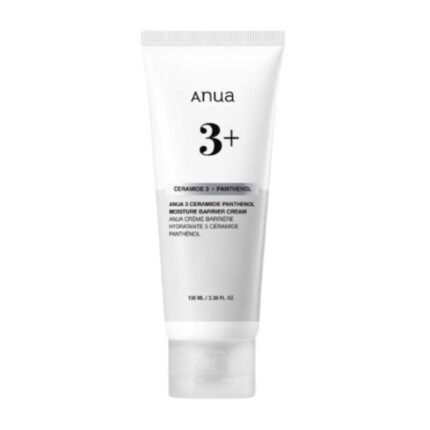 Sale
SaleOriginal price was: ৳ 2,850.00.৳ 2,688.00Current price is: ৳ 2,688.00.
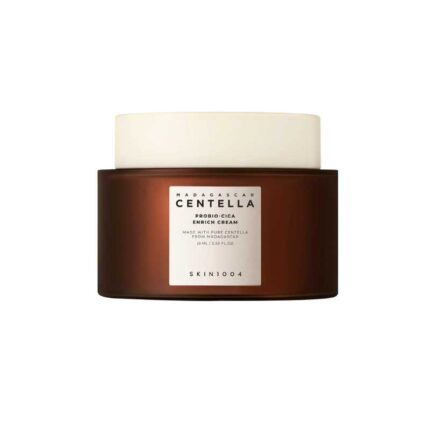 Sale
SaleOriginal price was: ৳ 900.00.৳ 630.00Current price is: ৳ 630.00.
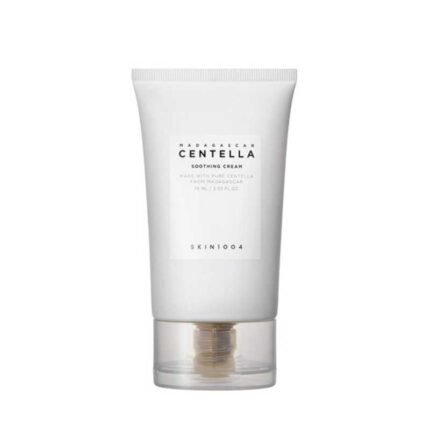 Sale
SaleOriginal price was: ৳ 560.00.৳ 392.00Current price is: ৳ 392.00.
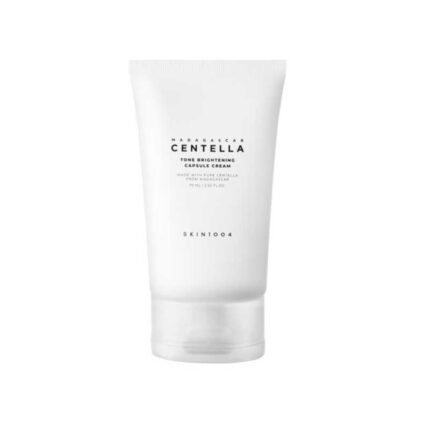 Sale
SaleOriginal price was: ৳ 2,660.00.৳ 1,862.00Current price is: ৳ 1,862.00.
How Sphingolipids Support the Skin Barrier
Sphingolipids help the skin barrier hold together by supporting the lipid matrix. The lipid matrix is the fatty layer between surface cells. Studies show this matrix helps limit water loss and blocks many outside triggers.
When your barrier works well, skin feels smoother and less tight. Makeup may sit better, and stinging from basic products often decreases. Because barrier health affects many skin concerns, this ingredient family has wide appeal.
Barrier support does not mean instant repair overnight. Skin renews in a cycle, so results often build with steady use. Dermatologists recommend gentle routines because constant irritation slows visible improvement.
Water loss and moisture comfort
Sphingolipids help reduce the feeling of moisture loss by improving barrier quality. Scientists call water escape transepidermal water loss, often shortened to TEWL. Lower TEWL usually means skin holds hydration better.
However, these lipids do not replace water by themselves. Humectants, like glycerin and hyaluronic acid, pull water into the surface layers. Then occlusive ingredients, like petrolatum or dimethicone, help seal that moisture in.
Protection from daily stress
Sphingolipids also support skin as it faces wind, dry air, cleansers, and pollution. A stronger barrier can reduce the chance of visible stress. Studies connect poor barrier function with more sensitivity and more frequent irritation.
That is why many gentle moisturizers focus on barrier lipids. They help skin feel less reactive over time. While no cream blocks every trigger, the right formula can make daily life easier.
Support for the skin microbiome
Sphingolipids may also influence the skin microbiome, which means the living mix of microbes on skin. Healthy skin hosts many helpful microbes. Research suggests barrier lipids and skin microbes interact in complex ways.
Because this area of science keeps growing, shoppers should avoid extreme claims. A moisturizer can support a healthy skin setting, but it cannot reset everything alone. Still, steady barrier care often makes skin feel calmer.
Benefits for Dry, Sensitive, and Mature Skin
Sphingolipids interest shoppers because they match common skin needs. Dryness, tightness, roughness, and redness often appear when the barrier struggles. Studies show people with very dry skin often have lower levels of key barrier lipids.
While this does not mean one ingredient fixes every issue, it gives shoppers a useful clue. Barrier-focused formulas tend to suit many skin types. Since the body already uses these lipids, they often fit gentle routines.
Dry and flaky skin
Sphingolipids can help dry skin feel more flexible and less rough. They work best in creams that also include water-binding ingredients. For example, glycerin adds hydration while lipids help reduce moisture escape.
Dry skin often needs both comfort and repair support. A light lotion may feel nice, yet it might not last through cold weather. So many shoppers prefer richer creams when flaking appears.
Sensitive and reactive skin
Sphingolipids can suit sensitive skin when the full formula stays gentle. Fragrance, strong acids, and harsh alcohol can still cause problems. Dermatologists often advise sensitive shoppers to choose simple formulas with fewer irritants.
Although the ingredient family sounds advanced, the best use feels simple. Apply a barrier moisturizer after cleansing and before sunscreen in the morning. At night, use it after any gentle treatment your skin can tolerate.
Mature skin and texture changes
Sphingolipids may support mature skin because lipid levels can change with age. Research indicates older skin can show weaker barrier recovery after stress. This can lead to more dryness, dullness, and fine texture.
However, these lipids are not the same as retinoids or exfoliating acids. They do not aim to peel or stimulate skin in the same way. Instead, they help create a better setting for smoother-looking skin.
Skin stressed by overuse
Sphingolipids can help routines that went too far with actives. Too much exfoliation can leave skin shiny, tight, and stingy. When this happens, many dermatologists suggest pausing strong products and rebuilding the barrier.
Because shoppers often layer many products, barrier fatigue has become common. A short reset can help more than another strong serum. Choose a mild cleanser, a barrier cream, and sunscreen until skin feels stable.
How to Read Labels for Sphingolipids
Sphingolipids may appear on labels under several names. You might see ceramide NP, ceramide AP, ceramide EOP, sphingomyelin, or phytosphingosine. Research supports ceramides as key barrier lipids, so these names deserve attention.
When shopping, do not judge only by the front label. The ingredient list reveals whether a product offers a true barrier focus. A good skin barrier lipid ingredient should appear with a supportive formula, not just marketing words.
Common names on products
Sphingolipids often hide behind ingredient names that look hard to read. Ceramide NP remains one of the most common label terms. Phytosphingosine also appears in many barrier creams and calming formulas.
Because brands use different ingredient systems, names may vary by region. Some products mention plant-derived glucosylceramides, especially in supplements or specialty creams. For topical products, ceramides and phytosphingosine remain the easiest clues.
Ingredients that work well with them
Sphingolipids often work best with cholesterol and fatty acids. Studies show the skin barrier naturally contains these lipid groups together. That is why many respected formulas combine them rather than using one alone.
Humectants also help the formula feel more hydrating. Look for glycerin, panthenol, urea, beta-glucan, or hyaluronic acid. However, very high levels of strong actives may not suit a damaged barrier.
Texture and packaging clues
Sphingolipids can appear in lotions, creams, balms, serums, and masks. Creams usually suit dry skin because they hold more emollients. Lighter lotions may suit oily or combination skin better.
Packaging also matters for formula freshness. Airless pumps and tubes reduce repeated contact with air and fingers. While jars can still work, careful use helps keep the product cleaner.
What claims deserve caution
Sphingolipids support barrier care, but no cosmetic should promise medical cures. Be careful with claims that sound too broad or instant. Dermatologists recommend treating ongoing rashes, cracking, or severe itching as medical concerns.
Still, cosmetic products can provide real comfort for everyday dryness. The best claims focus on moisture, softness, and barrier support. That language fits what shoppers can reasonably expect from a topical moisturizer.
Sphingolipids vs Ceramides, Oils, and Peptides
Sphingolipids often get compared with ceramides, facial oils, and peptides. Each group can help skin, yet they work in different ways. Research shows barrier lipids play a direct role in reducing water loss.
Ceramides are part of this lipid family, while oils usually soften skin from the surface. Peptides are short protein fragments that brands use for many skin goals. Because shoppers see all three on labels, clear comparison helps.
Sphingolipids and ceramides
Sphingolipids include ceramides, so this comparison can be confusing. If a cream lists ceramides, it likely supports this lipid pathway. The wider term covers more compounds than ceramides alone.
For most shoppers, ceramide-rich products offer the clearest buying path. They show that the brand considered barrier lipids directly. Still, phytosphingosine and related ingredients can add helpful support.
Sphingolipids and facial oils
Sphingolipids differ from facial oils like jojoba, argan, or squalane. Oils can soften and smooth the skin surface quickly. However, they may not match the skin’s barrier lipid structure as closely.
That does not make oils bad. Many people enjoy them for glow and comfort. Yet a barrier cream may work better when dryness comes from a weakened outer layer.
Sphingolipids and peptides
Sphingolipids focus mainly on barrier support, while peptides target other cosmetic goals. Many peptide products aim to improve firmness or visible texture. Studies on peptides vary by type, formula, and testing method.
Because the goals differ, shoppers do not need to choose only one. A routine can include both if the skin tolerates it. Still, repair should come first when the barrier feels raw or tight.
Simple pros and cons
- Barrier fit: Sphingolipids match the skin’s natural lipid system better than many simple oils.
- Comfort level: Ceramide-rich creams often calm dryness without the heavy feel of pure oils.
- Speed: Oils can feel soft right away, while barrier support often improves with steady use.
- Formula needs: Sphingolipids work best when paired with humectants, fatty acids, and gentle emollients.
How to Add Sphingolipids to Your Routine
Sphingolipids fit easily into most routines because they belong in moisturizers. Apply them after cleansing, toning, or water-based serums. Dermatologists often recommend sealing hydration while skin feels slightly damp.
A barrier cream can act as a moisturizing repair compound when dryness comes from over-cleansing or weather. However, it should not sting or burn after application. If it does, stop and simplify your routine.
Morning routine
Sphingolipids work well under sunscreen in the morning. Cleanse gently or rinse with water, then apply a thin layer of moisturizer. After that, use broad-spectrum sunscreen as your final daytime step.
Because sunscreen protects the barrier from UV stress, it pairs well with lipid care. Sun exposure can dry skin and worsen visible aging. A barrier cream supports comfort, while sunscreen protects against daily damage.
Evening routine
Sphingolipids also suit night routines, especially after cleansing. Night use gives your skin hours without makeup, sweat, or sun exposure. Studies show skin barrier repair follows natural daily rhythms, with many changes happening overnight.
Apply your moisturizer after gentle serums, not before watery products. If you use retinoids, layer the barrier cream before or after them based on tolerance. Sensitive skin often prefers the sandwich method with moisturizer on both sides.
How often to use them
Sphingolipids can fit daily use for many people. Start once a day if your skin reacts easily. Then increase to morning and evening when your skin feels calm.
When dryness peaks, use a richer cream at night. During humid weather, switch to a lighter lotion if needed. This means you can keep barrier support without feeling greasy.
Patch testing and irritation signs
Sphingolipids themselves often suit sensitive skin, but full formulas can still irritate. Patch test new products on a small area first. Wait a day or two before using them on your whole face.
Watch for burning, swelling, rash, or itching that worsens. If those signs appear, stop the product and seek professional care when needed. Since skin differs by person, personal testing matters more than trends.
Who Should Consider Sphingolipids?
Sphingolipids can help many shoppers, but they suit some needs especially well. People with dry, tight, flaky, or easily upset skin often benefit most. Research links barrier weakness with several common skin discomfort patterns.
However, oily skin can also have a weak barrier. A face can feel greasy and dehydrated at the same time. That is why texture choice matters as much as ingredient choice.
Dry or dehydrated shoppers
Sphingolipids may help if your skin feels tight after washing. Tightness often means the cleanser removed too much surface oil. A barrier moisturizer can reduce that pulled feeling over time.
Dehydrated skin lacks water, while dry skin lacks oil. Many people have both concerns. So choose formulas that combine humectants with lipids for better comfort.
People using strong actives
Sphingolipids can support routines with retinoids, exfoliating acids, or benzoyl peroxide. These active ingredients can help many concerns, but they may dry the skin. Dermatologists often pair active treatments with barrier care for better tolerance.
When peeling or burning appears, reduce active use first. Then focus on cleansing, moisturizing, and sun protection. This approach helps skin recover without adding more stress.
Shoppers with seasonal dryness
Sphingolipids can help when winter air makes skin feel rough. Cold weather and indoor heating often lower moisture in the air. As a result, water leaves the skin surface faster.
Switching textures by season can make a big difference. Use a richer cream in cold months and a lighter lotion in summer. The same barrier idea can fit both climates.
How to Choose a Good Formula
Sphingolipids deserve attention, but the whole formula decides the experience. A strong product should moisturize, soften, and support the barrier without needless irritation. Studies on moisturizers show ingredient combinations often matter more than one star ingredient.
Look for a product that matches your skin type and daily habits. The best cream is one you can use often. Because consistency drives results, comfort and texture matter.
For dry skin
Sphingolipids in richer creams often suit dry skin best. Look for glycerin, shea butter, petrolatum, dimethicone, fatty acids, or cholesterol. These ingredients can help seal moisture and reduce roughness.
However, very rich products may feel heavy during the day. Use a lighter layer in the morning if needed. Save the thicker amount for night when shine matters less.
For oily or acne-prone skin
Sphingolipids can still work for oily skin when the formula feels light. Choose lotions, gel creams, or oil-free textures if heavy creams clog easily. Non-comedogenic labels may help, though they do not guarantee perfection.
Because acne-prone skin can react to many ingredients, introduce one product at a time. This helps you identify problems faster. A simple routine also reduces the urge to overcorrect.
For sensitive skin
Sphingolipids pair well with fragrance-free formulas for sensitive skin. Dermatologists often recommend fragrance-free care because fragrance can trigger irritation. Look for short ingredient lists when your skin feels unstable.
Avoid layering many new products at once. Try the barrier cream alone for several days. Then add other products slowly if your skin stays calm.
Shopping checklist
- Check the lipid names: Look for ceramides, phytosphingosine, sphingomyelin, or related barrier lipids.
- Match the texture: Choose creams for dry skin and lighter lotions for oily skin.
- Review irritants: Avoid fragrance and harsh actives when your barrier feels weak.
- Look for partners: Glycerin, cholesterol, fatty acids, and panthenol can support comfort.
- Judge results fairly: Give the product steady use unless irritation appears.
What Results Can You Expect?
Sphingolipids do not create a dramatic peel or instant glow effect. Their results often feel quieter, like less tightness and smoother texture. Studies on barrier moisturizers show visible dryness can improve with regular use.
Most shoppers notice comfort before major texture changes. Skin may feel less rough after a few uses. However, deeper barrier improvement usually needs steady care and fewer irritating habits.
Early signs of improvement
Sphingolipids may first reduce the tight feeling after cleansing. Makeup may apply with fewer dry patches. Your usual moisturizer may also seem to last longer through the day.
When the barrier calms, products often sting less. This can make a routine feel easier to maintain. Still, sudden redness or burning means the formula may not suit you.
Habits that improve results
Sphingolipids work better when your routine protects the barrier daily. Use lukewarm water, not hot water, during cleansing. Choose mild cleansers that leave skin comfortable, not squeaky.
Because over-exfoliation can undo progress, limit scrubs and strong acids. Keep sunscreen in your morning routine. These habits support the same barrier goals as your moisturizer.
When to seek advice
Sphingolipids can support cosmetic dryness, but persistent symptoms may need medical care. See a professional for bleeding cracks, severe itching, swelling, or spreading rash. Skin conditions like eczema or dermatitis often need a clear treatment plan.
Still, barrier moisturizers often play a helpful support role during care. Many dermatologists include gentle moisturizers in plans for dry or sensitive skin. Follow personal medical advice if you already have a diagnosis.
Common Myths About Sphingolipids
Sphingolipids attract attention, so myths appear quickly. Some claims make them sound like a cure for every concern. Research supports barrier benefits, but smart shoppers should keep expectations realistic.
Clear facts help you spend money wisely. A good product can improve comfort, yet it cannot replace sleep, sunscreen, or medical care. Because skin health has many causes, one ingredient has limits.
Myth: They are only for dry skin
Sphingolipids can help more than dry skin. Oily, combination, and acne-prone skin can also have barrier stress. A light formula may suit these skin types better than a rich balm.
For example, acne treatments often dry the surface while oil remains present. Barrier care can help improve tolerance. The key is choosing the right texture.
Myth: More is always better
Sphingolipids work within a balanced formula, not by sheer amount alone. Too many rich layers may feel greasy or clog-prone for some shoppers. A balanced cream often beats a heavy product you dislike using.
Since labels rarely show exact percentages, judge the full experience. Comfort, reduced tightness, and steady tolerance matter most. If a product feels wrong, another texture may fit better.
Myth: Natural oils do the same job
Sphingolipids differ from most plant oils in structure and barrier role. Plant oils can soften skin and add glow. However, they do not always replace the same lipid support as ceramide-rich formulas.
That said, some products combine oils with barrier lipids well. The mix can feel nourishing and smooth. Choose based on your skin’s response, not one label word.
Frequently Asked Questions
Are Sphingolipids safe for daily use?
Sphingolipids are generally suitable for daily cosmetic use in well-made moisturizers. However, any full formula can irritate some people. Patch test first if your skin reacts easily.
Do Sphingolipids clog pores?
Sphingolipids do not automatically clog pores. The risk depends on the whole formula, texture, and your skin type. Choose lighter lotions if heavy creams often cause bumps.
Can Sphingolipids help a damaged skin barrier?
Sphingolipids can support a damaged barrier by helping restore lipid comfort. They work best with gentle cleansing, sunscreen, and fewer harsh actives. Severe irritation needs professional advice.
Are Sphingolipids better than ceramides?
Sphingolipids are not simply better than ceramides because ceramides belong to this family. For shoppers, ceramide-rich products often provide the clearest barrier support. Related ingredients can still add value.
Final Thoughts
Sphingolipids matter because they help explain what a healthy skin barrier needs. They support moisture comfort, smoother texture, and better tolerance when the formula fits your skin. Choose a gentle barrier moisturizer with Sphingolipids, then use it consistently with mild cleansing and daily sunscreen.