
Tyrosine: Benefits, Uses, and Safety Guide

Do you feel unfocused or curious about how diet affects skin tone and energy? Tyrosine can play a role in brain chemistry and pigment production, and many shoppers ask what it does. This guide explains how it works, who may benefit, and what to watch for.
What is Tyrosine?
Tyrosine is a nonessential amino acid the body makes from phenylalanine. It helps build proteins and serves as a precursor for several important molecules. For example, tyrosine helps make neurotransmitters and pigments that affect mood and appearance.
Because it feeds pathways that create dopamine and norepinephrine, tyrosine can affect alertness. Studies show that tyrosine supports neurotransmitter production under stress. That is why many people consider supplements when facing sleep loss or high demand work.
Recommended Products
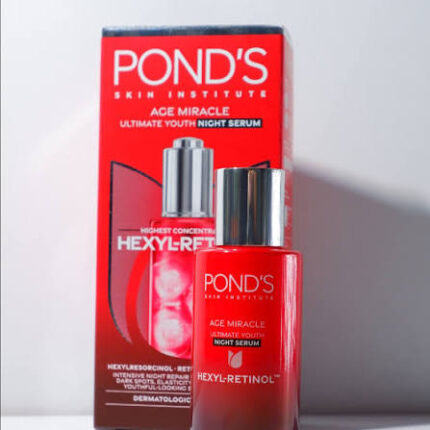 Sale
SaleOriginal price was: ৳ 2,000.00.৳ 1,950.00Current price is: ৳ 1,950.00.
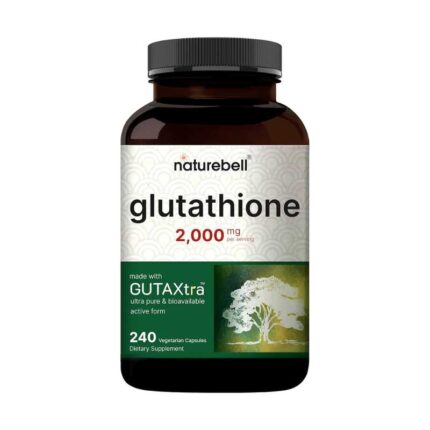 Sale
SaleOriginal price was: ৳ 7,390.00.৳ 5,500.00Current price is: ৳ 5,500.00.


৳ 5,480.00
How Tyrosine Works in the Body
Amino acids act as building blocks, and tyrosine sits at several crossroads. It converts into L-DOPA, which then becomes dopamine. Dopamine supports motivation and focus, and research indicates that adequate tyrosine helps sustain cognitive performance during acute stress.
When the body makes thyroid hormones, tyrosine contributes to those pathways too. This means energy regulation and metabolism depend in part on tyrosine availability. As a result, low intake or impaired conversion may affect mood and energy.
Tyrosine and Skin Pigment
Tyrosine is part of the pigment production route in the skin. Melanin forms when enzymes act on tyrosine, and that pigment affects hair and skin color. For shoppers who care about pigment, this connection explains why the ingredient appears in some cosmetic descriptions.
Research indicates that topical or dietary changes can alter pigment pathways over time. For example, products may list a melanin related amino acid ingredient to signal a role in color processes. Still, results vary by individual, and clinical evidence is mixed for topical changes.
Tyrosine as a Neurotransmitter Precursor
Because tyrosine converts into dopamine and norepinephrine, it supports attention and response during stress. Studies show that when people face sleep loss or intense pressure, tyrosine helps preserve working memory and reaction speed. Many scientists explore this amino acid as a short-term support for acute stress situations.
When considering daily use, remember that long-term effects differ among individuals. For example, baseline nutrient status and genetic factors influence conversion rates. That means outcomes vary for mood and cognitive tasks.
Antioxidant Roles and Cellular Support
Tyrosine participates in pathways with antioxidant effects in cells. For instance, it contributes to molecules that protect cells from oxidative damage. Research indicates that amino acids linked to pigment and neurotransmitter production often share antioxidant roles.
Because oxidative stress affects skin aging and brain function, some products highlight tyrosine as an antioxidant compound. However, tyrosine is not a classic antioxidant like vitamin C, and evidence for direct antioxidant benefits remains limited. Consumers should balance expectations with current study findings.
Food Sources and Natural Intake
Many common foods supply tyrosine, and a balanced diet usually covers daily needs. High-protein foods such as meat, dairy, eggs, soy, and legumes contain tyrosine or its precursor, phenylalanine. For most adults, dietary intake meets requirements without supplements.
When people eat little protein or follow restrictive diets, tyrosine intake may drop. Studies show that low protein affects neurotransmitter synthesis and cognitive function in some cases. If you worry about intake, a simple diet check or professional advice can clarify needs.
Supplement Forms and What to Look For
Supplements list tyrosine in several forms such as L-tyrosine and N-acetyl-tyrosine. Each form has slightly different absorption characteristics. For example, N-acetyl-tyrosine aims to improve stability and solubility, while L-tyrosine is the common nutritional form.
Typical Doses
Manufacturers use a range of dosages for different uses. Many studies of acute stress and cognitive support use a single dose before the challenge. When people look for routine mood support, lower daily doses appear in consumer products.
Comparing Forms
L-tyrosine is the direct, natural form that enters the body’s metabolic pathways. N-acetyl versions may change how quickly the body absorbs the compound. That means some users prefer one form for fast effects and another for steady dosing.
Reading Labels
Check for purity statements and third-party testing on labels when shopping. That approach helps avoid contaminants and ensures accurate amounts. When possible, choose familiar brands with transparent manufacturing practices.
Tyrosine in Skincare and Hair Products
Manufacturers sometimes add tyrosine to topical formulas aimed at pigment balance and hair color. Because the amino acid links to melanin production, marketers may reference its role in color pathways. Research indicates topical outcomes are inconsistent and depend on formulation and skin type.
For example, some serums claim to support even tone by working with pigment pathways. However, consistent evidence for dramatic color change from topical tyrosine is limited. That is why dermatologists often recommend pairing topical products with proven sun protection and healthy habits.
Benefits for Cognitive Function and Stress
Short-term studies suggest tyrosine helps maintain focus during acute stress. For instance, military and emergency scenarios show improved performance with pre-challenge dosing. That means people facing short-term stress may notice benefits from targeted supplementation.
While some users report clearer thinking and reduced fatigue, long-term mood effects remain less established. Research indicates benefits are most reliable in situations where neurotransmitter stores are depleted. Routine use without stress may bring smaller gains.
Who Should Avoid or Use Caution
Certain people should avoid supplements or check with a clinician first. For example, those on MAOI medications or thyroid drugs must be careful. Interactions can alter neurotransmitter or thyroid hormone activity and create risks.
Pregnant or breastfeeding people and children should consult a healthcare professional before using supplements. Studies in these groups are limited, and safety profiles differ. That makes informed, personalized advice essential.
Side Effects and Safety Signals
Most people tolerate moderate tyrosine doses well, but side effects can appear. Headache, nausea, or heart palpitations occur in some users. Research shows adverse events are generally mild but dose dependent, so start low and monitor response.
If you experience mood swings or unusual symptoms, stop use and seek medical advice. Safety also depends on product purity and interactions with other medications. That is why clear labeling and clinician oversight matter.
Choosing Quality Products
Look for supplements that list the form and amount of tyrosine per serving. Third-party testing logos and batch numbers help confirm quality. For topical products, check ingredient order and concentration to judge likely effectiveness.
Because many manufacturers market products aggressively, compare labels and reviews before buying. Research indicates that brand transparency predicts product reliability more often than marketing claims. That means careful reading saves time and money.
Shopping Tips for Supplements and Skincare
When selecting a tyrosine supplement, choose simple formulas with few inactive additives. That reduces the chance of interactions or sensitivities. Also, prefer products with certificates of analysis or third-party verification.
For skincare, check for supporting ingredients like enzyme stabilizers or proven carriers. These can help the amino acid reach target layers. If you have sensitive skin, patch test a new formula and watch for irritation.
Combining Tyrosine with Other Nutrients
Tyrosine works best when other cofactors are present, as they support conversion into active compounds. For example, vitamin B6, iron, and copper help with neurotransmitter and pigment pathways. Studies show combined approaches often support outcomes better than single ingredients.
When people pair tyrosine with caffeine or stimulants, effects on alertness increase. That can be useful short term but may raise heart rate and anxiety in some users. Always consider overall stimulant load when adding supplements.
Evidence Summary: What Research Says
Clinical studies find the most consistent benefits for acute, short-term cognitive support in stress contexts. That means tyrosine may help you perform better after sleep loss or during high-pressure tasks. Research indicates less consistent benefits for chronic mood disorders or long-term cognition.
Dermatology and cosmetic studies show mixed results for topical pigment changes. For example, some trials suggest modest shifts in melanin activity, while others show minimal change. Given this variability, set realistic expectations when purchasing pigment-targeting products.
Practical Use Cases
Many users turn to tyrosine before exams, long shifts, or travel that disrupts sleep. Short-term dosing prior to the challenge often yields the clearest benefits. For daily maintenance, some choose low-dose regimens under professional guidance.
For skin or hair concerns, combine topical products with proven lifestyle steps such as sun protection and balanced nutrition. That multipronged approach supports long-term skin health and pigment balance. Studies indicate that lifestyle factors often outweigh single-ingredient effects.
Cost and Value Considerations
Tyrosine supplements generally cost less than prescription options, but prices vary by form and brand. Compare per-dose cost and ingredient quality when shopping. That approach helps you find the best value without sacrificing safety.
Buyers should avoid ultra-cheap products with vague labeling or hidden fillers. Research shows that transparency and third-party testing correlate with ingredient accuracy. This means a modest premium often buys better quality.
Real User Experiences and Expectations
Users report a variety of responses to tyrosine depending on goals and baseline health. Some notice clearer thinking and calmer handling of stress after a dose. Others see small or no changes, especially with low stress or balanced diets.
Because responses vary, keep a short diary when you try a new product. Track dose, timing, and effects on mood, sleep, and skin. That simple record helps decide whether to continue or adjust your plan.
Frequently Asked Questions
Does tyrosine improve mood?
Tyrosine can support mood in situations where neurotransmitter production is stressed. Short-term studies show benefits during acute challenges like sleep loss. Long-term mood effects are less consistent and need professional guidance.
Is tyrosine safe for daily use?
Many people tolerate daily tyrosine at moderate doses. However, those on certain medications or with thyroid issues should consult a clinician. Start with a low dose and monitor for side effects.
Can tyrosine affect skin or hair color?
Tyrosine contributes to melanin pathways and may influence pigment production. Topical and oral effects differ, and evidence for dramatic color change is limited. Pair products with sun care and healthy habits for best results.
What foods contain tyrosine?
High-protein foods such as meat, dairy, eggs, soy, and legumes supply tyrosine or its precursor. A balanced diet often meets typical needs. Supplements help mainly when intake or conversion is inadequate.
Final Thoughts
The single most important takeaway is that tyrosine supports key brain and pigment pathways, most reliably during short-term stress or targeted use. Consider dietary sources first, and pick supplements or topical products with clear labels and testing. If you plan to try tyrosine, start low, monitor effects, and seek professional advice when on medications or managing chronic conditions.